
About the Razor-backed Musk Turtle
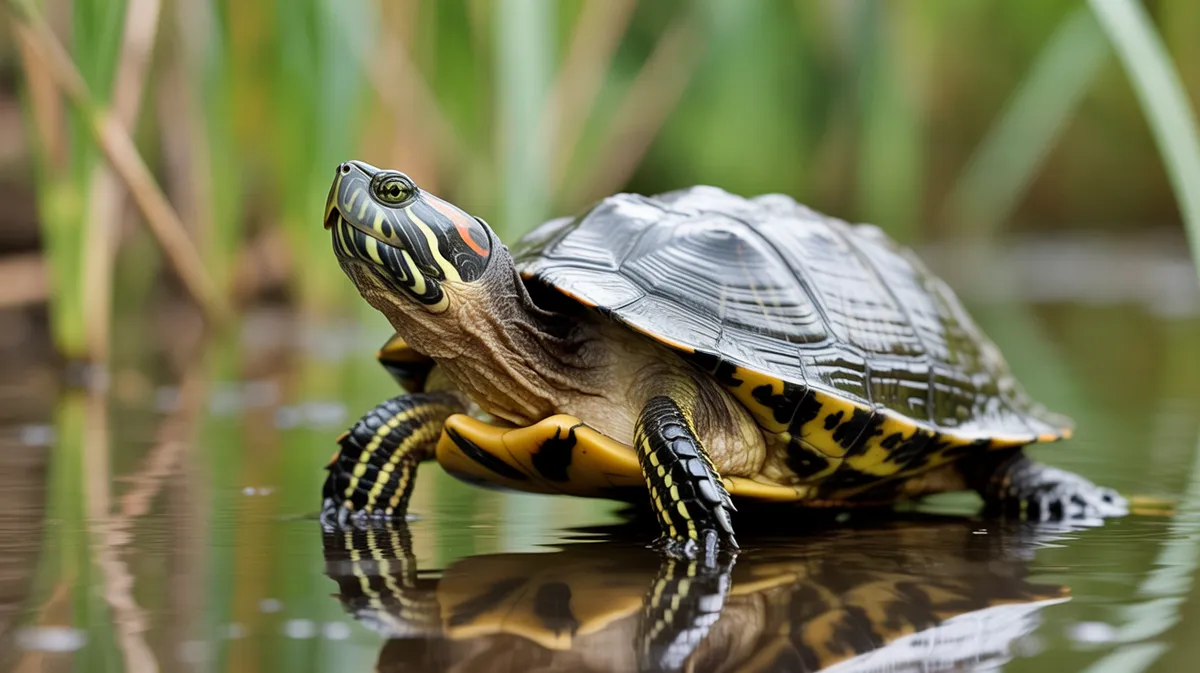
The Razor-backed Musk Turtle is a small, aquatic turtle native to the southern United States, easily recognized by the sharp, distinct ridge running down the center of its domed shell. Its shell is typically brown to olive with dark streaks, and its skin is grayish with dark spots or stripes. This species is primarily nocturnal and spends much of its time in slow-moving, vegetated freshwater environments. Well-adapted to aquatic life, it rarely leaves the water except to bask or lay eggs. Known for its secretive nature, the Razor-backed Musk Turtle emits a musky odor from its glands when threatened.
Fascinating facts
Distinctive Shell
The turtle's carapace features a sharp, prominent keel, giving it a 'razor-backed' appearance.
Aquatic Lifestyle
Razor-backed Musk Turtles spend almost their entire lives in the water, rarely venturing onto land except to bask or nest.
Diverse Diet
Their diet includes aquatic insects, crustaceans, snails, small fish, and some plant material, making them true omnivores.
Detailed description
The Razor-backed Musk Turtle (Sternotherus carinatus) is a small to medium-sized aquatic turtle, typically measuring 10–15 cm (4–6 in) in carapace length, with females generally larger than males. Its most distinctive anatomical feature is the pronounced, sharp keel running longitudinally along the center of its high-domed carapace, which is rough-textured and often serrated at the rear edge. The carapace coloration ranges from olive to dark brown, often adorned with dark streaks or mottling, while the plastron is reduced and pale, exposing much of the turtle’s underside. The skin is gray to brown with dark spots or streaks, and the head is relatively large with a pointed snout and barbels on the chin, aiding in sensory perception. The species has short, webbed feet adapted for swimming and strong claws for gripping submerged surfaces. Razor-backed Musk Turtles are primarily aquatic, rarely venturing onto land except for basking or nesting. They possess paired musk glands near the bridge of the shell, which can release a pungent odor as a defense mechanism. Their cryptic coloration and secretive behavior make them difficult to observe in the wild. Lifespan in the wild is estimated at 20–30 years, with some individuals in captivity living even longer.
Did you know?
Unlike many turtles, the Razor-backed Musk Turtle is an excellent climber and has been observed scaling submerged logs and even tank walls in captivity.
Research & sources
Behaviour & social structure
Sternotherus carinatus is largely nocturnal or crepuscular, becoming most active during dusk and nighttime hours. During the day, it often remains hidden among submerged logs, leaf litter, or dense aquatic vegetation to avoid predators. Foraging behavior is opportunistic; the turtle employs both active searching and ambush tactics, using its sensitive barbels to detect prey in murky water. Its diet consists of aquatic invertebrates (such as snails, insects, crayfish), small fish, carrion, and plant matter, with juveniles tending to be more carnivorous than adults. Social interactions are minimal outside of the breeding season, as individuals are generally solitary and may display territoriality, especially among males. Basking is infrequent but does occur on floating logs or debris, primarily in the early morning or late afternoon. When threatened, the turtle may withdraw into its shell and emit a strong musky odor as a deterrent.
Reproduction & life cycle
Breeding in the Razor-backed Musk Turtle typically occurs in late spring to early summer (April–June), though mating can be observed in both fall and spring in some populations. Courtship involves tactile and olfactory cues, with males pursuing females and using chin rubbing and gentle biting. Females lay 1–5 clutches per season, each containing 2–9 eggs, in shallow nests excavated in sandy or loamy soil close to the water’s edge. Incubation lasts approximately 100–130 days, depending on temperature and humidity, with hatchlings emerging in late summer or early autumn. There is no parental care after egg-laying; hatchlings are fully independent upon emergence. Sexual maturity is reached at 3–5 years for males and 5–7 years for females. Temperature-dependent sex determination has been observed, with warmer incubation temperatures tending to produce more females.
Adaptations & survival
The Razor-backed Musk Turtle exhibits several adaptations for aquatic life and predator avoidance. Its high-domed, keeled carapace provides both hydrodynamic efficiency and protection from predators. The reduced plastron allows for greater limb mobility, aiding in maneuverability in dense vegetation. Barbels on the chin enhance tactile and chemical sensing, facilitating foraging in low-visibility environments. The ability to absorb oxygen through the skin and cloacal bursae allows for extended periods underwater, especially during winter dormancy (brumation). The musk glands are a key anti-predator adaptation, producing a foul-smelling secretion to deter would-be attackers. Cryptic coloration and a tendency to remain motionless when threatened further enhance survival.
Cultural significance
The Razor-backed Musk Turtle has limited direct cultural significance, but it is occasionally featured in local folklore as a symbol of resilience due to its secretive nature and longevity. In some regions, it has been collected for the pet trade, where its unique appearance and manageable size make it popular among hobbyists. There are no known traditional medicinal or culinary uses. The species plays an important ecological role in controlling aquatic invertebrate populations and contributing to nutrient cycling in freshwater ecosystems.
Recent research
Recent research has focused on the species’ ecological role in freshwater systems, particularly its impact on mollusk and insect populations. Studies on temperature-dependent sex determination have provided insights into how climate change may affect future sex ratios and population dynamics. Genetic analyses have clarified relationships within the genus Sternotherus, supporting the distinctiveness of S. carinatus from closely related musk turtles. Ongoing telemetry studies are examining movement patterns, habitat use, and responses to habitat alteration. Conservation genetics projects are assessing population structure and connectivity, which will inform future management strategies.
Videos
Habitat
Freshwater rivers, streams, swamps, and ponds with abundant vegetation


Conservation
The Razor-backed Musk Turtle is currently classified as Least Concern on the IUCN Red List.
Threats & challenges
While currently listed as Least Concern, the Razor-backed Musk Turtle faces several localized threats. Habitat destruction and modification—particularly wetland drainage, pollution, and damming of rivers—pose significant risks. Collection for the pet trade and bycatch in commercial fisheries can impact populations in some areas. Predation by invasive species (such as raccoons and feral hogs) and nest predation are additional concerns. Climate change may alter hydrological regimes and nesting success. Despite these challenges, the species remains relatively widespread and adaptable, with stable populations in much of its range. Continued monitoring is necessary to detect potential declines, especially in regions experiencing rapid environmental change.
Taxonomy
Scientific name
Sternotherus carinatus
- Kingdom
- Animalia
- Phylum
- Chordata
- Class
- Reptilia
- Order
- Testudines
- Family
- Kinosternidae
- Genus
- Sternotherus
- Species
- carinatus
Where to see a razor-backed musk turtle
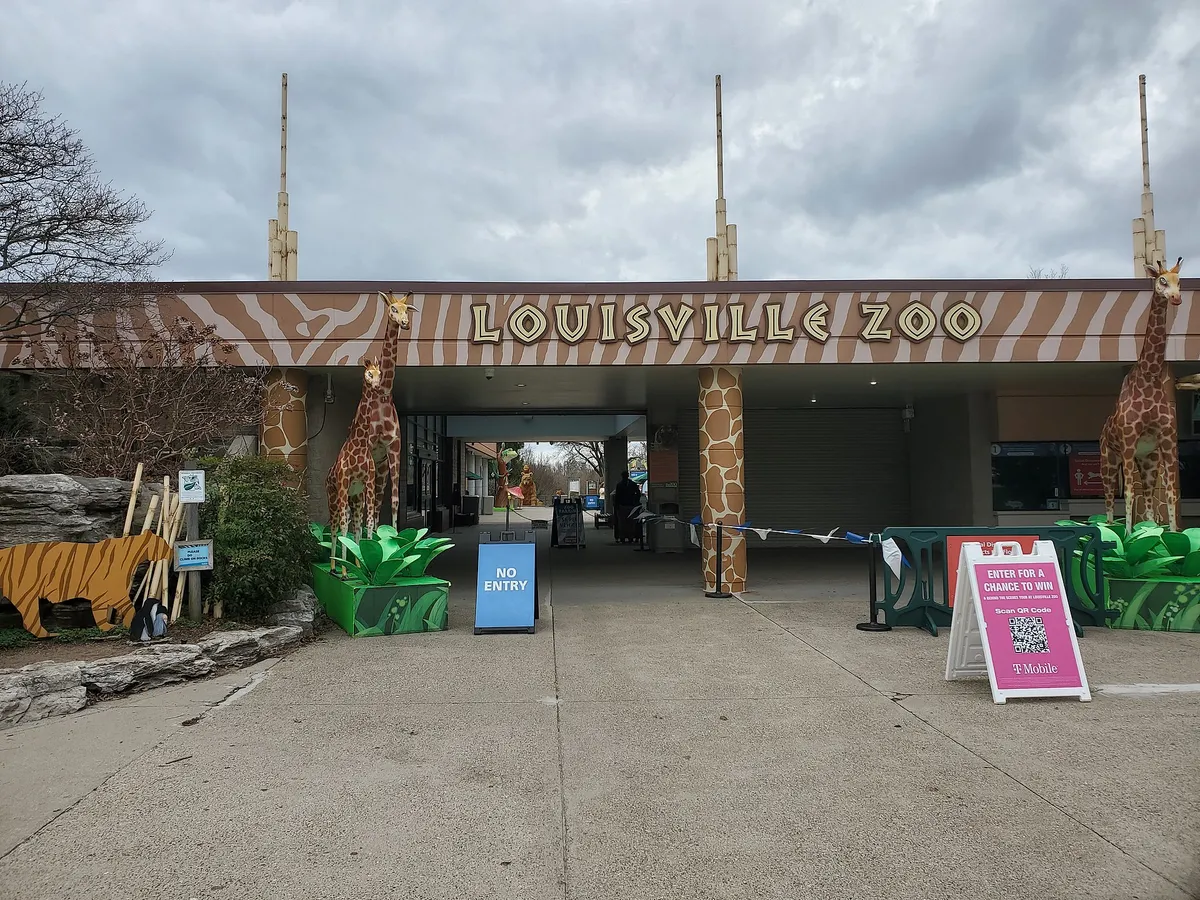
1 zoo and aquarium in 1 country are recorded as keeping this species.
Community notes
Share your observations about the Razor-backed Musk Turtle.
No community notes yet. Be the first!
Discover more wildlife
More fascinating animals from the encyclopedia.