
About the Red-headed Krait
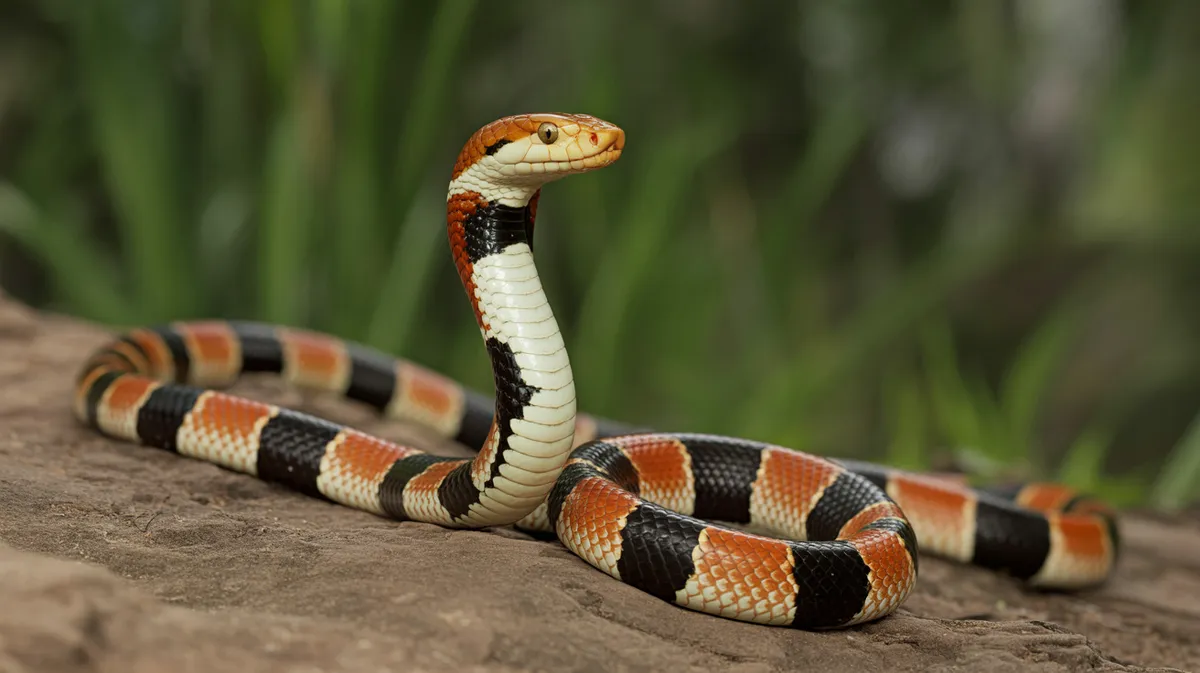
The Red-headed Krait is a highly venomous snake known for its striking appearance, featuring a vibrant red head and tail contrasted with a glossy bluish-black body. Native to Southeast Asia, it is a secretive and nocturnal species that spends much of its time hidden under leaf litter or in rotting logs in humid forests. This elusive reptile is rarely encountered by humans due to its reclusive habits and preference for undisturbed forested environments. Its venom is extremely potent, though bites are rare owing to its shy nature and infrequent contact with people.
Fascinating facts
Bright Warning Colors
The krait’s vivid red head and tail are aposematic signals, warning predators of its dangerous venom.
Nocturnal Hunter
This snake is almost exclusively nocturnal, hunting at night and hiding during the day to avoid detection.
Snake-Eating Specialist
Red-headed Kraits are ophiophagous, meaning they often prey on other snakes, including those that are venomous.
Detailed description
The Red-headed Krait (Bungarus flaviceps) is a large, slender elapid snake distinguished by its vivid coloration: a bright crimson or orange-red head and tail, sharply contrasting with a glossy, deep bluish-black body. Adults typically measure between 1.2 and 1.8 meters in length, but can reach up to 2.1 meters. The head is slightly broader than the neck, with smooth, shiny scales and relatively small eyes featuring round pupils, indicative of its nocturnal habits. The body is cylindrical and laterally compressed, aiding in movement through dense leaf litter and undergrowth. The tail is short and tapers abruptly, often used as a decoy to distract predators. This species is highly secretive, spending much of its life concealed beneath rotting logs, in burrows, or among dense ground vegetation in humid lowland and hill dipterocarp forests. Its activity peaks during the night and after heavy rainfall, when it emerges to hunt. The Red-headed Krait is solitary, with individuals rarely encountered together outside of the breeding season. Its venom is extremely potent, containing neurotoxins that can cause rapid paralysis, but the species is generally docile and avoids confrontation. Despite its striking appearance, it is seldom seen due to its elusive nature and preference for undisturbed habitats.
Did you know?
Despite its highly potent neurotoxic venom, the Red-headed Krait is so elusive that very few bites have been recorded in the wild.
Research & sources
Wikipedia summary
The red-headed krait is a large and highly venomous elapid snake with dramatic coloration. The red-headed krait can grow to a length of up to 2.1 metres (7 ft). It lives in lowland rain forest, including those on islands, but it is considered uncommon. It feeds primarily on specific snakes, probably semiaquatic and fossorial snakes. In Southeast Asia, the red-headed krait occurs in Malaysia, Singapore, Thailand and Indonesia (Sumatra), with a subspecies in Borneo. The venom potency is little-studied, as bites from this species are extremely rare.
Behaviour & social structure
Red-headed Kraits are strictly nocturnal and highly secretive, rarely venturing into open areas during daylight. They are ground-dwelling, moving slowly and deliberately through leaf litter or along stream banks in search of prey. Their diet is highly specialized, consisting primarily of other snakes, especially semi-aquatic and fossorial species such as reed snakes (Calamaria spp.) and small water snakes. Occasionally, they may consume eels or small lizards. The hunting strategy is based on stealth and ambush; the krait uses its acute chemosensory abilities to detect prey, then delivers a rapid, precise bite to subdue it with potent neurotoxic venom. Social interactions are minimal, as individuals are solitary outside of the breeding season. When threatened, the Red-headed Krait may attempt to flee or hide its head beneath its coils, exposing the red tail as a decoy. Defensive displays and biting are rare unless provoked.
Reproduction & life cycle
Reproductive biology in Bungarus flaviceps is not thoroughly documented, but available evidence suggests oviparity (egg-laying) as in other kraits. Mating likely occurs during the rainy season, when increased humidity facilitates movement and encounters. Females are believed to lay clutches of 4–10 elongated, leathery eggs in concealed, moist locations such as under logs or within leaf litter. Incubation periods are estimated at 60–80 days, depending on ambient temperature and humidity. There is no evidence of parental care post-oviposition; hatchlings are fully independent and possess functional venom glands from birth. Sexual maturity is reached at approximately 2–3 years of age, with growth rates influenced by prey availability and environmental conditions.
Adaptations & survival
The Red-headed Krait exhibits several adaptations for survival in dense, humid forests. Its cryptic behavior and nocturnal activity reduce predation risk and competition. The striking red coloration of the head and tail may serve as aposematic (warning) signals to potential predators or as a decoy to misdirect attacks away from the vital head region. Smooth, glossy scales minimize friction and facilitate silent movement through leaf litter. The species' potent neurotoxic venom is highly effective against other snakes, its primary prey, ensuring rapid immobilization and reducing the risk of injury during predation. Chemosensory organs (Jacobson’s organ) are well-developed, allowing precise detection of prey and mates. The ability to remain motionless for extended periods aids in ambush predation and predator avoidance.
Cultural significance
The Red-headed Krait is not widely featured in local folklore or mythology, likely due to its rarity and secretive habits. However, its dramatic coloration and reputation as a highly venomous snake have contributed to a degree of fear and respect among local communities. In some regions, kraits in general are associated with omens or supernatural beliefs, but Bungarus flaviceps is less prominent in such narratives compared to other krait species. There is no significant evidence of traditional medicinal or ritual use involving this species.
Recent research
Recent herpetological surveys have improved knowledge of the Red-headed Krait’s distribution, particularly in Borneo and Peninsular Malaysia, but much remains unknown about its ecology and population dynamics. Venom composition studies indicate the presence of potent presynaptic and postsynaptic neurotoxins, but comprehensive clinical data on envenomation are lacking due to the rarity of bites. Ongoing research focuses on habitat preferences, prey selection, and genetic diversity across its range. Molecular phylogenetics has clarified its relationship within the genus Bungarus, confirming its distinctiveness from other krait species. Conservation research is limited by the species’ elusive nature, underscoring the need for targeted field studies and improved monitoring techniques.
Videos
Habitat
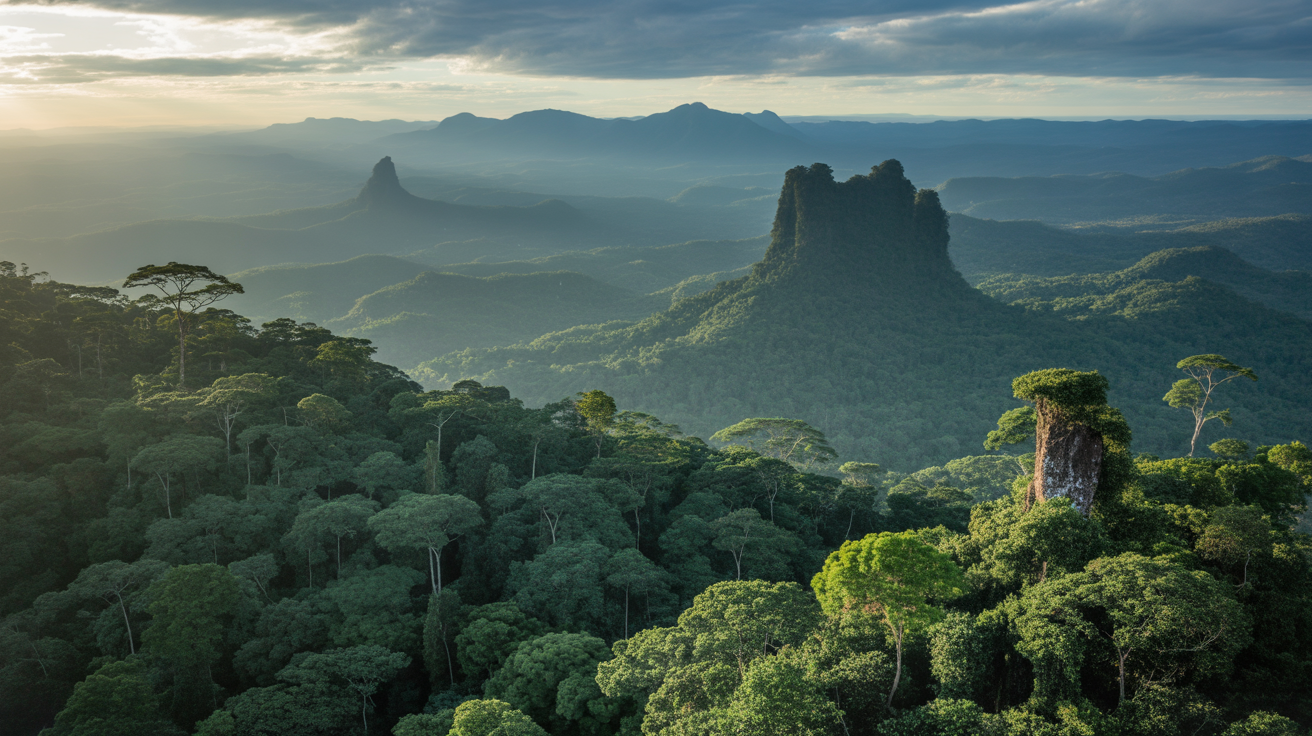
Tropical and subtropical forests, especially lowland rainforests near water sources
 Tropical Regions
Rainforest
Dense, wet forests with the highest biodiversity on Earth, containing more than half of the world's plant and animal species.
 Global
Forest
Wooded areas with significant tree cover and diverse plant and animal communities.
 Global
Freshwater
Lakes, rivers, and wetlands with diverse aquatic ecosystems.
Conservation
The Red-headed Krait is currently classified as Least Concern on the IUCN Red List.
Threats & challenges
Although currently listed as Least Concern by the IUCN, the Red-headed Krait faces localized threats from habitat loss due to deforestation, agricultural expansion, and infrastructure development in Southeast Asia. Its dependence on intact, undisturbed lowland forests makes it vulnerable to habitat fragmentation. The species is rarely collected for the pet trade or traditional medicine, but incidental mortality from human encounters or road traffic may occur. Population trends are poorly understood due to the snake’s secretive nature and low encounter rates, complicating conservation assessments. Climate change and altered rainfall patterns may also impact its habitat and prey availability in the future.
Taxonomy
Scientific name
Bungarus flaviceps
- Kingdom
- Animalia
- Phylum
- Chordata
- Class
- Reptilia
- Order
- Squamata
- Family
- Elapidae
- Genus
- Bungarus
- Species
- flaviceps
Community notes
Share your observations about the Red-headed Krait.
No community notes yet. Be the first!
Discover more wildlife
More fascinating animals from the encyclopedia.