
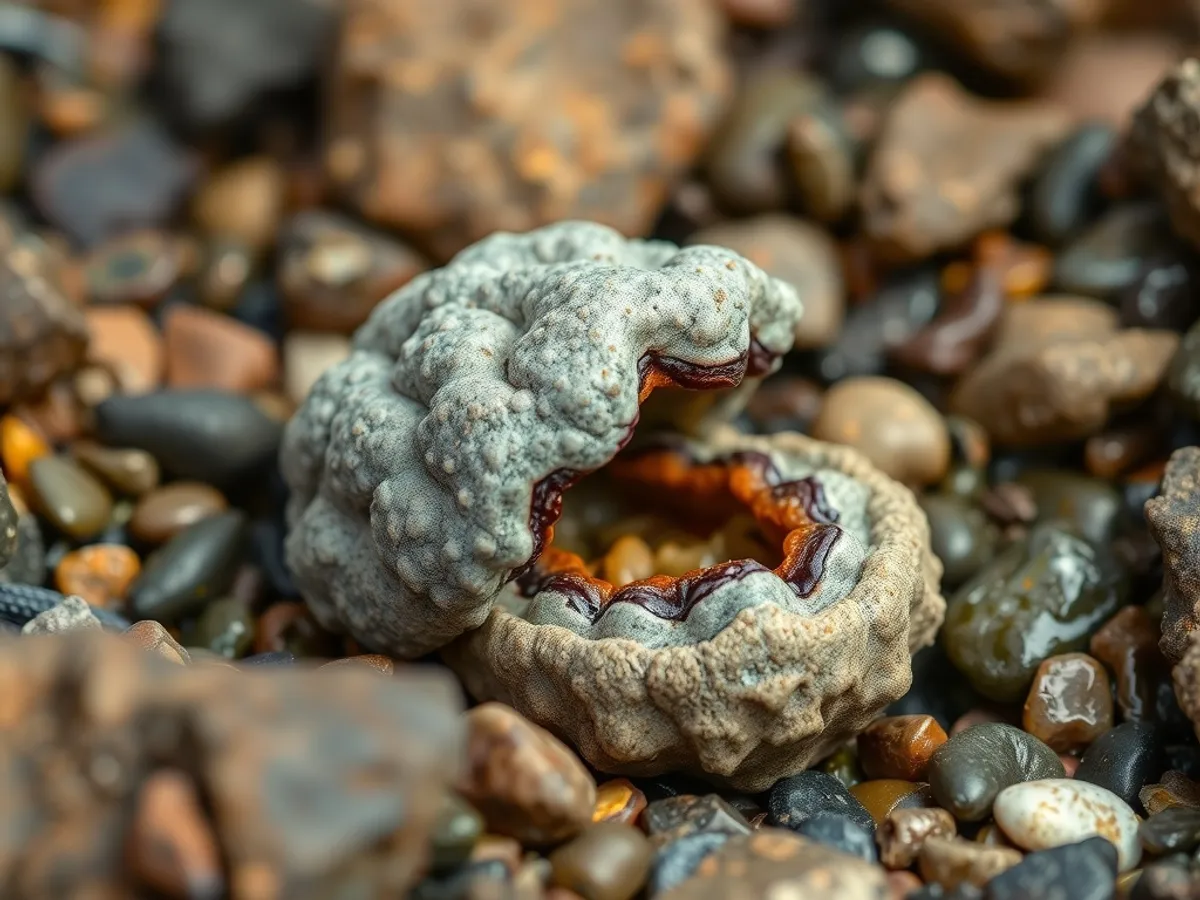
About the Rock Barnacle
The Rock Barnacle is a small, cone-shaped crustacean that attaches itself permanently to hard surfaces in the intertidal zone. It has a tough, calcareous shell made up of overlapping plates that protect its soft body from predators and desiccation. Rock Barnacles use feathery appendages called cirri to filter plankton and detritus from the water. They are highly adapted to survive the harsh conditions of tidal fluctuations, including exposure to air and intense wave action. This species is widespread across the North Atlantic coasts, thriving in both sheltered and exposed rocky shores.
Fascinating facts
Filter Feeders
Rock Barnacles use feathery cirri to sweep plankton and organic particles from the water, feeding efficiently during high tide.
Super Adhesive
They produce a natural glue that allows them to stick firmly to rocks, piers, and even ship hulls, resisting strong waves and currents.
Tidal Survivors
Rock Barnacles can survive extreme changes in temperature, salinity, and moisture due to their ability to tightly close their shells during low tide.
Detailed description
The Rock Barnacle (Semibalanus balanoides) is a sessile marine crustacean, typically measuring 10–20 mm in diameter and up to 15 mm in height. Its robust, volcano-shaped shell is composed of six calcareous plates that interlock tightly, providing formidable protection against predators and environmental stressors. The shell's operculum, a pair of movable plates at the apex, can tightly seal the opening to prevent desiccation during low tide. Internally, the barnacle's body is highly reduced and specialized, with most of its anatomy dedicated to feeding and reproduction. Semibalanus balanoides attaches permanently to substrates via a strong cement gland that secretes one of the most powerful natural adhesives known. Its feathery cirri, modified thoracic appendages, are extended rhythmically to capture suspended plankton and organic particles from the water column. This species forms dense aggregations, often carpeting rocks in the intertidal zone, which can influence local biodiversity and community structure. The Rock Barnacle is a key ecological engineer, providing microhabitats for other invertebrates and influencing patterns of competition and succession on rocky shores. Its life cycle is closely synchronized with tidal and seasonal cycles, reflecting intricate adaptations to the dynamic intertidal environment.
Did you know?
Rock Barnacles can withstand being out of water for several hours at a time, thanks to their ability to seal in moisture with their tightly closing shells.
Research & sources
Behaviour & social structure
Rock Barnacles are sessile as adults, remaining fixed in place for life after their larval settlement. Their primary behavioral activity is filter feeding, which is highly responsive to tidal cycles; cirri are extended and retracted rhythmically when submerged, but withdrawn and the operculum closed during emersion to conserve moisture. Feeding rates can vary with temperature, salinity, and plankton availability. Socially, barnacles often form dense colonies, which can reduce individual desiccation risk and buffer against wave action. While not social in the traditional sense, their close proximity can lead to intense competition for space, sometimes resulting in overgrowth or exclusion of conspecifics and other sessile organisms. Barnacles also exhibit a unique behavior called 'tide timing,' adjusting their feeding and respiration to anticipate tidal immersion, a phenomenon regulated by endogenous circatidal rhythms.
Reproduction & life cycle
Semibalanus balanoides is hermaphroditic, possessing both male and female reproductive organs, but typically cross-fertilizes with neighboring individuals. Fertilization occurs internally via an extensible penis, which is proportionally the longest in the animal kingdom relative to body size, allowing fertilization of adjacent barnacles. Spawning is highly seasonal, with gametogenesis occurring in late autumn and winter, and fertilization peaking from November to January in northern latitudes. Eggs are brooded within the mantle cavity for 6–8 weeks, after which planktonic nauplius larvae are released in synchrony with spring phytoplankton blooms (February–April). The larvae undergo several molts before settling as cyprids, which actively seek suitable substrates for permanent attachment and metamorphosis into juvenile barnacles. There is no parental care beyond brooding of eggs.
Adaptations & survival
Rock Barnacles exhibit numerous adaptations for intertidal survival. Their calcareous shell and tightly closing operculum minimize water loss and protect against predation and mechanical stress from waves. The cement gland produces a proteinaceous adhesive that remains effective in wet, saline conditions, securing the barnacle to rock surfaces. Their cirri are adapted for efficient suspension feeding, with setae that trap microscopic food particles even in turbulent water. Physiologically, S. balanoides can tolerate wide fluctuations in temperature, salinity, and oxygen levels, employing metabolic depression during emersion and rapid resumption of activity upon immersion. The timing of larval release is synchronized with phytoplankton blooms, maximizing larval survival and dispersal.
Cultural significance
While Rock Barnacles have limited direct economic or cultural value to humans, they have played a significant role in marine biology and ecology as model organisms for studies of intertidal zonation, competition, and larval dispersal. Charles Darwin conducted pioneering research on barnacle taxonomy and evolution, which informed his later work on natural selection. Barnacle adhesion has inspired biomimetic research into underwater glues and medical adhesives. In folklore, barnacles have occasionally been referenced in myths, such as the medieval belief that certain geese (the barnacle goose) originated from barnacles, reflecting early misunderstandings of animal life cycles.
Recent research
Recent research on Semibalanus balanoides has focused on its responses to climate change, particularly shifts in reproductive phenology and range boundaries. Genomic studies have revealed population structure and local adaptation to environmental gradients. Investigations into the molecular composition of barnacle cement have advanced the development of synthetic adhesives. Experimental work has also examined the effects of ocean acidification on larval development and shell integrity. Ongoing studies are exploring the barnacle's role in shaping intertidal community dynamics and its interactions with invasive species.
Sources
Semibalanus balanoides (Linnaeus, 1767): Taxonomy, Ecology, and Physiology
Southward, A.J. & Crisp, D.J. (1965)
scientificSemibalanus balanoides (Linnaeus, 1767): Taxonomy, Biology and Ecology
Southward, A.J., and Crisp, D.J. (1963)
scientificVideos
Habitat
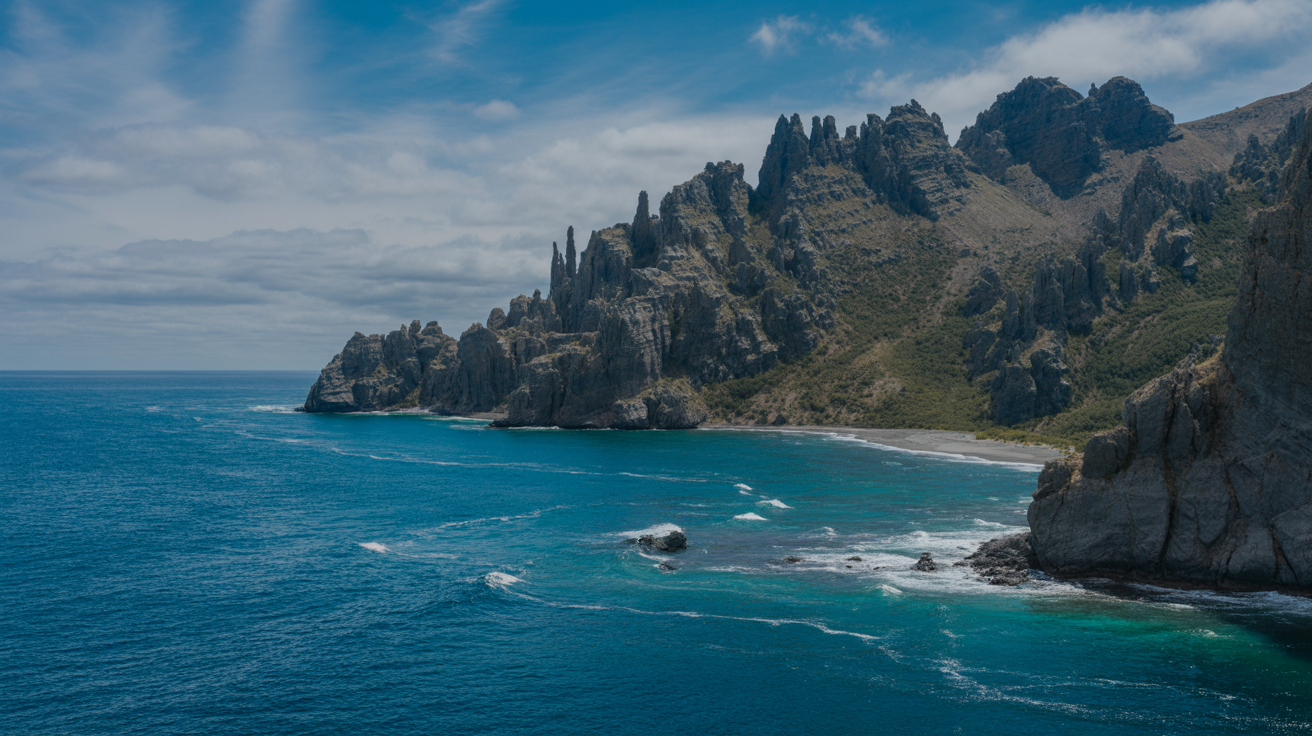
Intertidal rocky shores
Conservation
The Rock Barnacle is currently classified as Least Concern on the IUCN Red List.
Threats & challenges
Currently, Semibalanus balanoides is not considered threatened and is classified as Least Concern. However, it faces localized challenges from coastal pollution, habitat modification, and competition with invasive species such as the Australasian barnacle (Austrominius modestus) in some regions. Climate change poses a long-term threat, as rising sea temperatures may shift its distribution northward and disrupt reproductive timing. Ocean acidification could impair shell formation and larval development. Human activities such as shoreline development and oil spills can also impact local populations. Despite these challenges, the species remains abundant and ecologically resilient across much of its range.
Taxonomy
Scientific name
Semibalanus balanoides
- Kingdom
- Animalia
- Phylum
- Arthropoda
- Class
- Maxillopoda
- Order
- Sessilia
- Family
- Balanidae
- Genus
- Semibalanus
- Species
- balanoides
Community notes
Share your observations about the Rock Barnacle.
No community notes yet. Be the first!
Discover more wildlife
More fascinating animals from the encyclopedia.