
About the Rough Green Snake
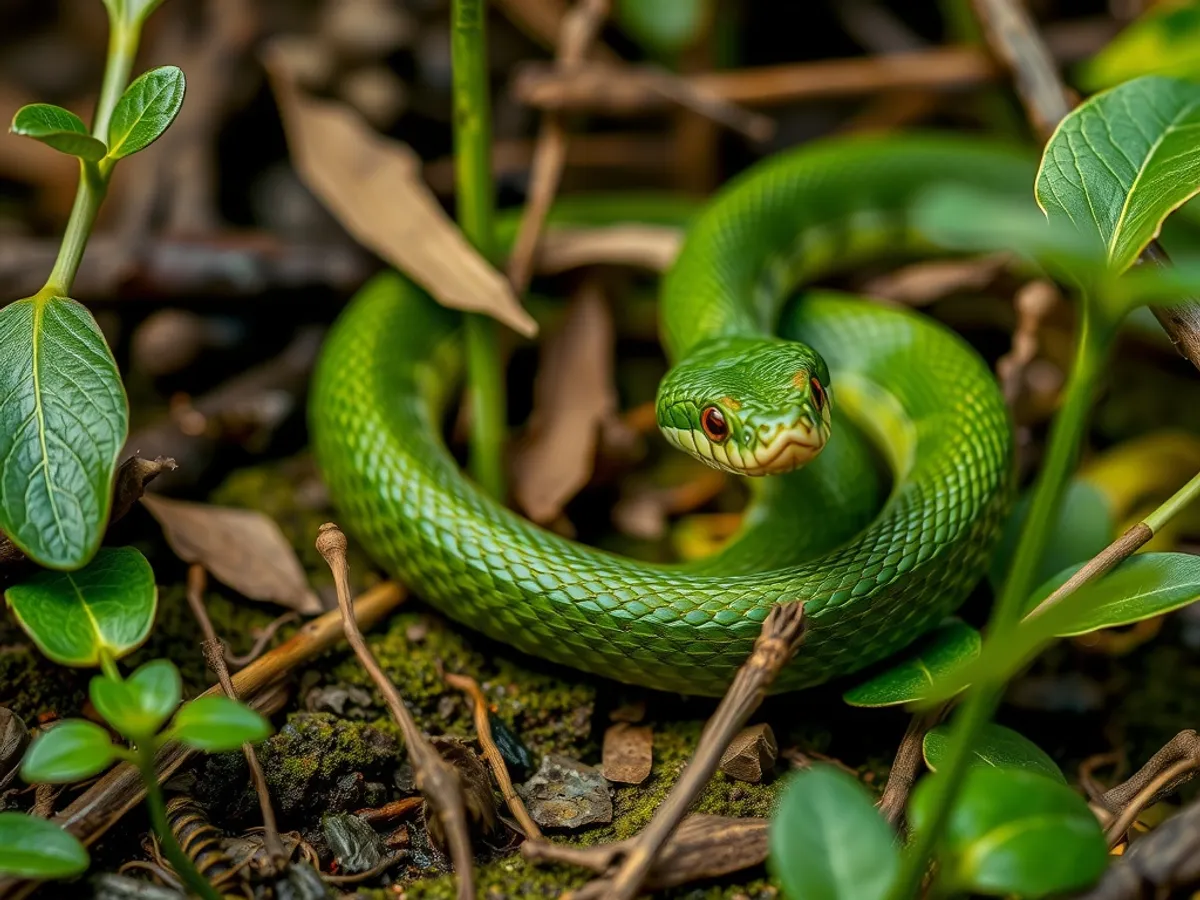
The Rough Green Snake is a slender, nonvenomous North American snake known for its vibrant green coloration and rough, keeled scales. It is an agile climber, often found in shrubs and low trees near water, where it can blend seamlessly with foliage. This species primarily preys on insects and spiders, making it an important part of the ecosystem's pest control. Despite its delicate appearance, the rough green snake is hardy and can thrive in a variety of environments across the southeastern United States.
Fascinating facts
Master of Camouflage
With its leaf-green body, the rough green snake is nearly invisible among foliage, helping it avoid predators.
Insect Specialist
Its diet consists mainly of insects and spiders, making it a beneficial predator in controlling pest populations.
Excellent Swimmer
Rough green snakes are strong swimmers and frequently use water as a means of escape from danger.
Detailed description
The Rough Green Snake (Opheodrys aestivus) is a slender, arboreal colubrid typically measuring 45–81 cm (18–32 in) in total length, with some individuals reaching up to 116 cm (46 in). Its dorsal surface is a vivid, leaf-green color, providing excellent camouflage among foliage, while the ventral side is pale yellow or white. The species is characterized by keeled (ridged) scales, giving the skin a rough texture, which distinguishes it from the similar smooth green snake (Opheodrys vernalis). The head is narrow and slightly distinct from the neck, with large eyes adapted for acute vision. This snake is highly agile, moving gracefully through shrubs and low trees, often near water sources. Its body is laterally compressed, aiding in climbing and balancing on slender branches. The Rough Green Snake is diurnal, spending much of its time actively hunting or basking in sunlight. It is nonvenomous and extremely docile, rarely attempting to bite even when handled. This species plays a significant ecological role in controlling insect populations and serves as prey for birds, mammals, and larger reptiles.
Did you know?
The Rough Green Snake's bright green color fades to blue after death due to the breakdown of yellow pigments in its skin.
Research & sources
Wikipedia summary
Opheodrys aestivus, commonly known as the rough green snake, is a nonvenomous North American colubrid. It is sometimes called grass snake or green grass snake, but these names are more commonly applied to the smooth green snake. The European colubrid called grass snake is not closely related. The rough green snake is docile, often allowing close approach by humans, and rarely bites. Even when bites occur, they have no venom and are harmless.
Behaviour & social structure
Rough Green Snakes are solitary and primarily arboreal, spending most of their time above ground in dense vegetation. They are active during the day (diurnal), with peak activity in the morning and late afternoon. Their hunting strategy involves slow, deliberate movement through foliage, relying on their coloration for concealment while searching for prey. They feed mainly on soft-bodied invertebrates such as crickets, grasshoppers, caterpillars, spiders, and occasionally small tree frogs. Prey is captured with a quick strike and swallowed alive, as the species lacks constricting ability. When threatened, the snake may freeze to blend with its surroundings or drop to the ground and escape into thick undergrowth. Social interactions are minimal outside of the breeding season, and individuals maintain loosely defined territories.
Reproduction & life cycle
Breeding occurs in spring and early summer, typically from April to August, depending on latitude. Males locate females using pheromonal cues and courtship involves tactile stimulation with the chin and body. Females are oviparous, laying clutches of 3–12 elongated, leathery eggs in concealed, moist locations such as rotting logs, leaf litter, or under bark. Incubation lasts approximately 5–12 weeks, with hatchlings emerging in late summer or early fall. Neonates measure about 18–20 cm (7–8 in) and are independent from birth, receiving no parental care. Sexual maturity is reached in 1–2 years, with females typically maturing slightly later than males.
Adaptations & survival
Opheodrys aestivus exhibits several key adaptations for an arboreal lifestyle. Its bright green coloration provides effective camouflage among leaves, reducing predation risk. The keeled scales enhance grip on branches and twigs, while a slender, flexible body allows navigation through dense vegetation. Large eyes with round pupils afford excellent vision for detecting prey and predators. The snake’s slow, deliberate movements minimize disturbance of foliage, aiding in stealth. Additionally, its ability to drop from branches and flee into water or thick ground cover is a vital escape mechanism. The species’ diet specialization on insects and spiders allows it to exploit a niche with limited competition from other snakes.
Cultural significance
The Rough Green Snake has limited direct cultural significance but is often appreciated by naturalists and gardeners for its role in controlling pest insects. Its docile nature and striking appearance make it a popular subject in educational programs and field guides. In some regions, it is occasionally kept as a pet, valued for its gentle temperament. There are no known traditional medicinal or symbolic uses associated with this species in indigenous or local folklore.
Recent research
Recent studies have focused on the Rough Green Snake’s microhabitat preferences, demonstrating a strong association with riparian corridors and dense, shrubby vegetation. Research into its diet has revealed seasonal shifts in prey selection, with increased consumption of caterpillars during late summer. Genetic analyses have clarified its relationship to other North American colubrids and confirmed the distinctiveness of Opheodrys aestivus from the Smooth Green Snake (O. vernalis). Ongoing research is investigating the impact of environmental contaminants, such as pesticides, on reproductive success and population health. Citizen science initiatives are contributing valuable data on distribution and phenology, particularly at the northern edge of the species’ range.
Videos
Habitat
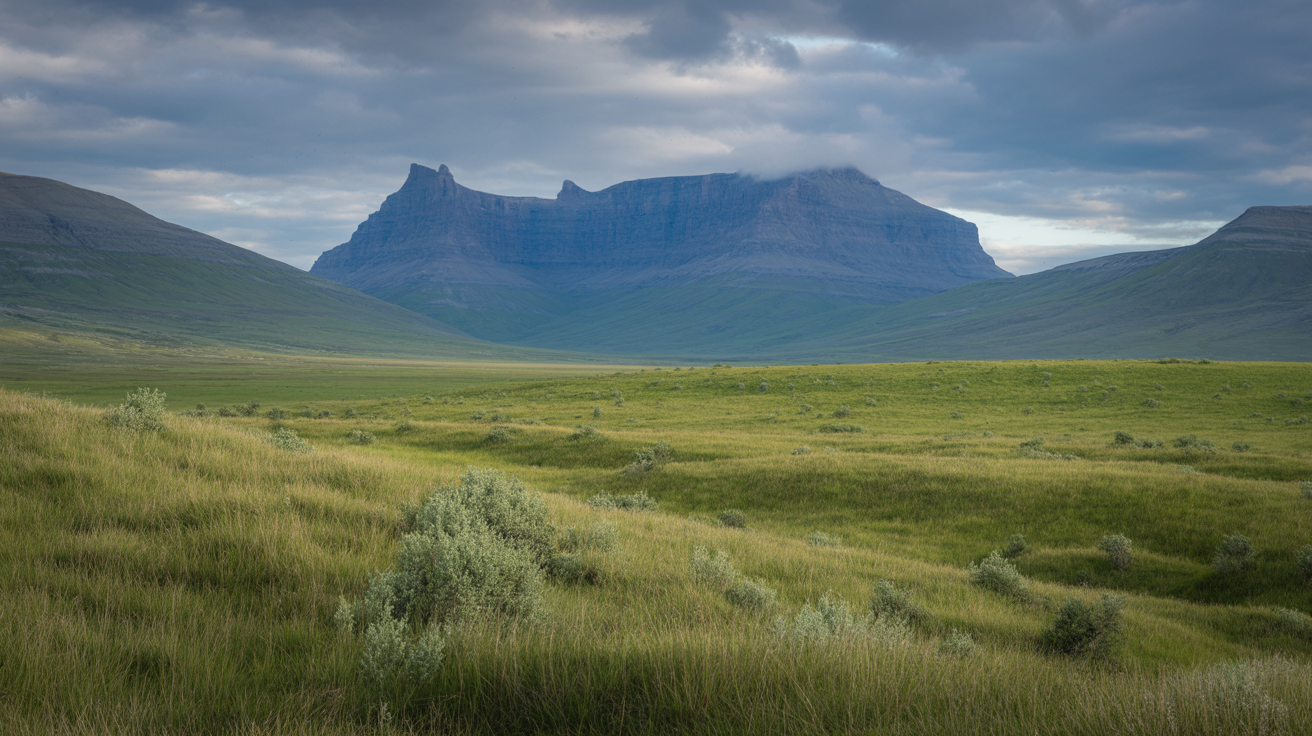
Woodlands, thickets, and edges of streams or lakes
 Various Continental Regions
Grassland
Open areas dominated by grasses rather than trees, supporting numerous herbivores and their predators.
 Global
Forest
Wooded areas with significant tree cover and diverse plant and animal communities.
 Global
Freshwater
Lakes, rivers, and wetlands with diverse aquatic ecosystems.
Conservation
The Rough Green Snake is currently classified as Least Concern on the IUCN Red List.
Threats & challenges
While currently listed as Least Concern by the IUCN, the Rough Green Snake faces localized threats from habitat destruction due to urbanization, agriculture, and wetland drainage. Pesticide use can reduce prey availability and cause direct poisoning. Road mortality is a significant threat in fragmented habitats, as the snakes often bask on warm pavement. Collection for the pet trade, though not as intense as for some species, can impact local populations. Climate change may alter habitat suitability and prey abundance in the future. Despite these challenges, the species remains widespread and adaptable, with stable populations across much of its range.
Taxonomy
Scientific name
Opheodrys aestivus
- Kingdom
- Animalia
- Phylum
- Chordata
- Class
- Reptilia
- Order
- Squamata
- Family
- Colubridae
- Genus
- Opheodrys
- Species
- aestivus
Where to see a rough green snake
1 zoo and aquarium in 1 country are recorded as keeping this species.
Community notes
Share your observations about the Rough Green Snake.
No community notes yet. Be the first!
Discover more wildlife
More fascinating animals from the encyclopedia.