
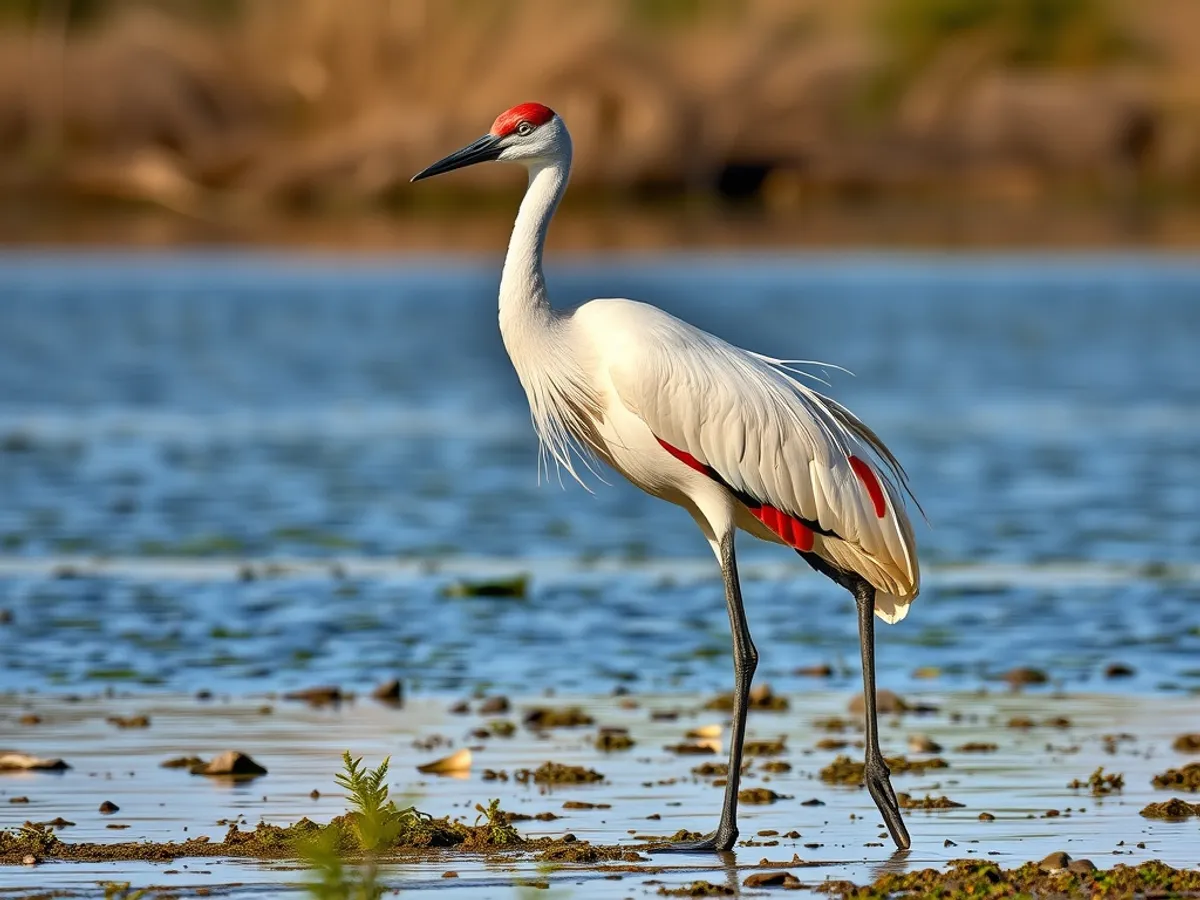
About the Sarus Crane
The sarus crane (Antigone antigone) is the tallest flying bird alive, with big males reaching 1.8 metres and a wingspan near 2.5 metres. The bare red skin covering the head and upper neck is not feathered plumage but a flushable patch that intensifies in the breeding season. Unlike most cranes it does not migrate; Indian birds hold territories year-round in shallow marshes and, crucially, in flooded rice paddies, which makes it one of the very few large cranes that has learned to live inside an intensively farmed landscape. In parts of Uttar Pradesh, farmers tolerate nesting pairs on their land out of long-standing cultural regard, and the state holds the bulk of the world's roughly 15,000 sarus. Pairs bond for years and reinforce it with a unison call, the female giving two shorter notes for every long note from the male while both throw their heads back. Separate populations persist in Southeast Asia, where they depend on the seasonally flooded grasslands of the Mekong, and in northern Australia. The main threats are wetland drainage, pesticide poisoning and collisions with the power lines that increasingly cross their feeding flats.
Fascinating facts
Tallest Flying Bird
The Sarus Crane stands up to 1.8 meters (6 feet) tall, making it the tallest flying bird on Earth.
Elaborate Courtship
These cranes are renowned for their dramatic mating dances, which involve coordinated leaps, bows, and loud trumpeting calls.
Wetland Dweller
Sarus Cranes depend on wetlands for nesting and feeding, making them especially vulnerable to habitat destruction and water pollution.
Detailed description
The Sarus Crane (Antigone antigone) is the tallest extant flying bird, with adult males standing up to 1.8 meters (5.9 ft) and weighing between 6.8–7.8 kg (15–17 lbs). It is instantly recognizable by its pale gray plumage, contrasting with a bare, bright red head and upper neck, and a long, pointed bill. The wings are broad and powerful, adapted for strong, sustained flight, while the long legs are well-suited for wading in shallow wetlands. Sarus Cranes are highly vocal, producing loud, trumpeting calls that can carry for several kilometers, especially during territorial or courtship displays. Their elaborate courtship dances involve synchronized leaping, bowing, and wing-flapping, serving both to strengthen pair bonds and to communicate territory ownership. These cranes are primarily monogamous, forming lifelong bonds and defending large territories, particularly during the breeding season. They are diurnal, spending most of the day foraging in wetlands, marshes, and agricultural fields. The species is known for its strong fidelity to nesting sites, often returning to the same location year after year. Sarus Cranes exhibit a slow reproductive rate, with pairs typically raising only one or two chicks per breeding season, contributing to their vulnerability in the wild.
Did you know?
Despite their size and power, Sarus Crane populations are declining due to habitat loss, making them one of the most threatened crane species in the world.
Research & sources
Wikipedia summary
The sarus crane is a large nonmigratory crane found in parts of the Indian subcontinent, Southeast Asia, and northern Australia. The tallest of the flying birds, standing at a height of up to 1.8 m, they are a conspicuous species of open wetlands in South Asia, seasonally flooded Dipterocarpus forests in Southeast Asia, and Eucalyptus-dominated woodlands and grasslands in Australia.
Behaviour & social structure
Sarus Cranes are predominantly diurnal and spend much of their day foraging for food, which includes a diverse omnivorous diet of tubers, aquatic plants, seeds, insects, small vertebrates, and occasionally agricultural grains. Foraging is typically done in shallow water or wet fields, where they use their long bills to probe mud or water. Socially, they are often observed in pairs or small family groups, though larger flocks may form outside the breeding season, especially in areas with abundant resources. Pairs are highly territorial during breeding, engaging in threat displays and vocal duets to defend their nesting area. Their daily routine includes periods of feeding, preening, resting, and engaging in social behaviors such as dancing or mutual preening. Roosting usually occurs in shallow water, which offers some protection from terrestrial predators.
Reproduction & life cycle
Sarus Cranes are monogamous, forming lifelong pair bonds. Courtship involves elaborate dances, mutual calling, and displays of affection. Breeding season varies geographically: in India, it coincides with the monsoon (June–September), while in Southeast Asia and Australia, it aligns with the wet season. Nests are large mounds of vegetation built in shallow water or marshy ground. Females typically lay 1–2 eggs per clutch, with both parents sharing incubation duties over a period of 31–34 days. After hatching, chicks are precocial and leave the nest within a day, but remain under parental care for up to 9–10 months. Both parents feed and protect the young, which fledge at around 85–100 days. Juveniles stay with their parents until the next breeding season, learning essential survival and foraging skills.
Adaptations & survival
The Sarus Crane exhibits several adaptations for wetland life, including long legs for wading in deep water and a long, straight bill for probing mud and aquatic vegetation. Their unfeathered red head and neck may aid in thermoregulation and social signaling. Strong, broad wings enable sustained flight over long distances, despite their large size. Behavioral adaptations include synchronized dancing and duetting, which reinforce pair bonds and territory defense. Their omnivorous diet and ability to exploit agricultural landscapes have allowed them to persist in human-modified environments, though this also exposes them to new risks.
Cultural significance
The Sarus Crane holds significant cultural and symbolic value in South Asia, especially in India, where it is revered as a symbol of marital fidelity and longevity due to its lifelong pair bonds. It features prominently in local folklore, poetry, and art. In Hindu mythology, the crane is associated with themes of love and devotion. Traditional beliefs often afford the species some protection, though this is not universal. In some regions, Sarus Cranes are considered indicators of healthy wetlands and are celebrated in local festivals and rituals.
Recent research
Recent research has focused on the genetic diversity and phylogeography of Sarus Crane populations, revealing significant differences between the Indian, Indochinese, and Australian subspecies. Satellite telemetry studies have provided insights into their movement ecology, habitat use, and responses to landscape changes. Conservation research emphasizes the importance of community-based wetland management and the role of traditional agricultural practices in supporting crane populations. Studies on reproductive success and chick survival have highlighted the impact of human disturbance and habitat quality. Ongoing monitoring and citizen science initiatives are helping to track population trends and inform conservation strategies.
Videos
Habitat
Wetlands, marshes, and shallow lakes


Conservation
The Sarus Crane is currently classified as Vulnerable on the IUCN Red List.
Threats & challenges
Major threats to Sarus Cranes include habitat loss and degradation due to wetland drainage, agricultural expansion, and urbanization. Pesticide use and pollution in agricultural areas can reduce food availability and cause direct poisoning. Human disturbance, egg collection, and hunting pose additional risks in some regions. Collisions with power lines and entanglement in fishing gear are emerging threats. The global population is estimated at 15,000–20,000 mature individuals and is declining, particularly in Southeast Asia, where the Indochinese subspecies is endangered. Conservation challenges include protecting remaining wetlands, mitigating human-wildlife conflict, and ensuring sustainable agricultural practices.
Taxonomy
Scientific name
Antigone antigone
- Kingdom
- Animalia
- Phylum
- Chordata
- Class
- Aves
- Order
- Gruiformes
- Family
- Gruidae
- Genus
- Antigone
- Species
- antigone
Where to see a sarus crane
4 zoos and aquariums in 3 countries are recorded as keeping this species.
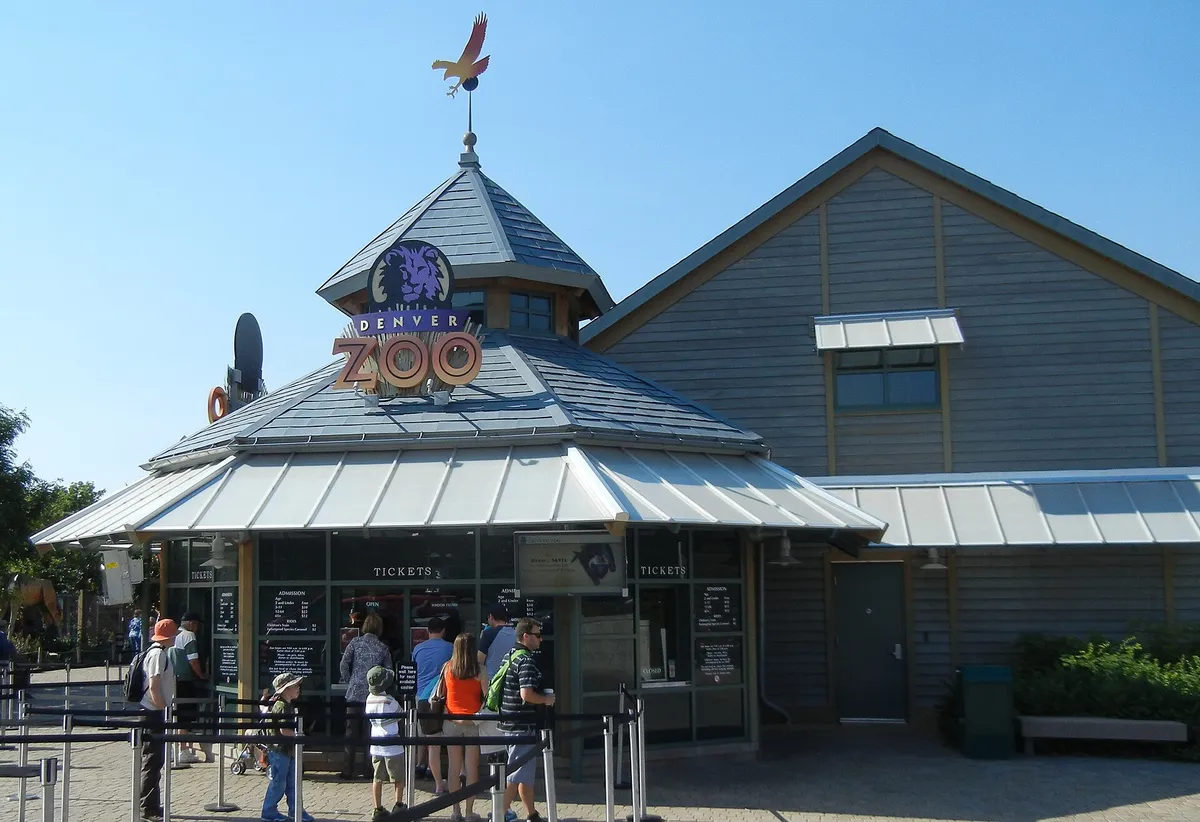 Denver Zoo🇺🇸 Denver, United States
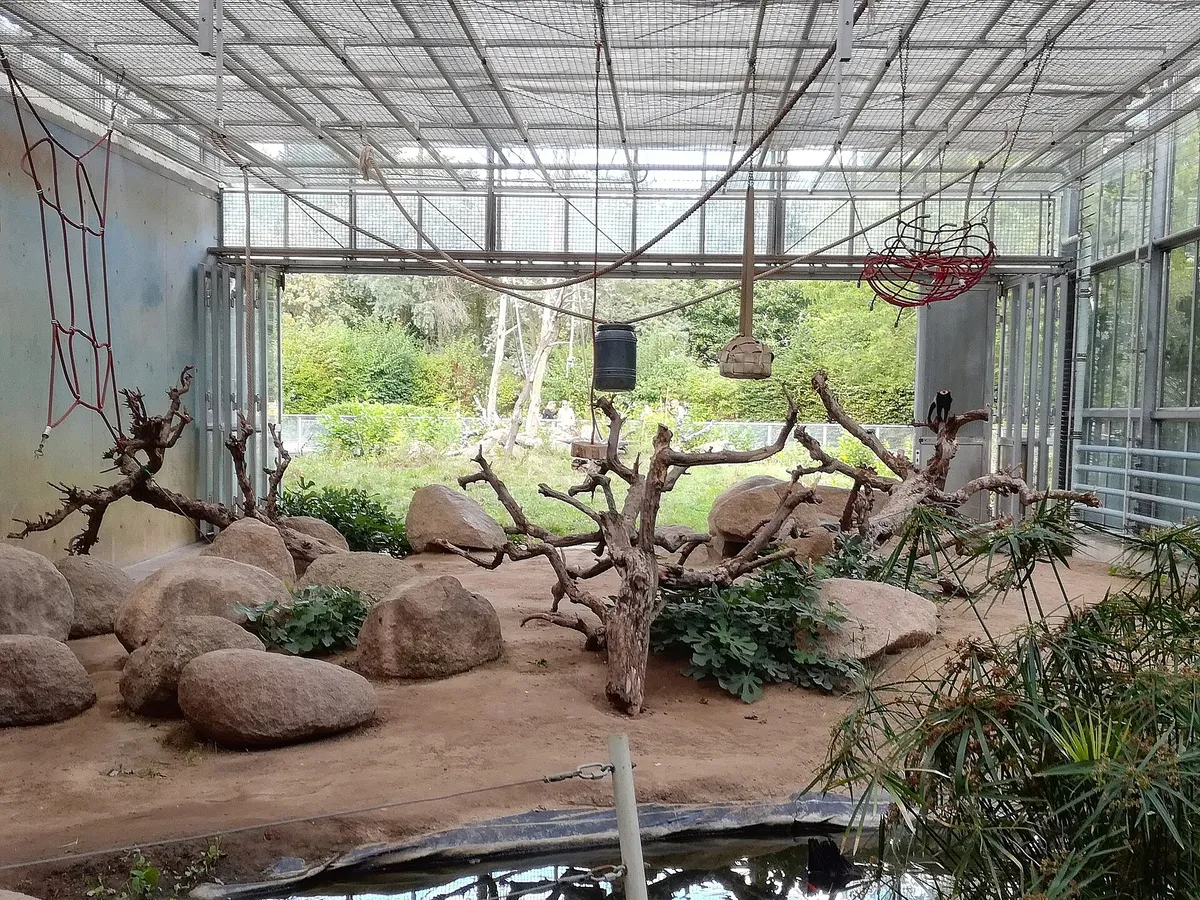 Vivarium🇩🇪 Darmstadt, Germany
 Karlsruhe Zoo🇩🇪 Germany
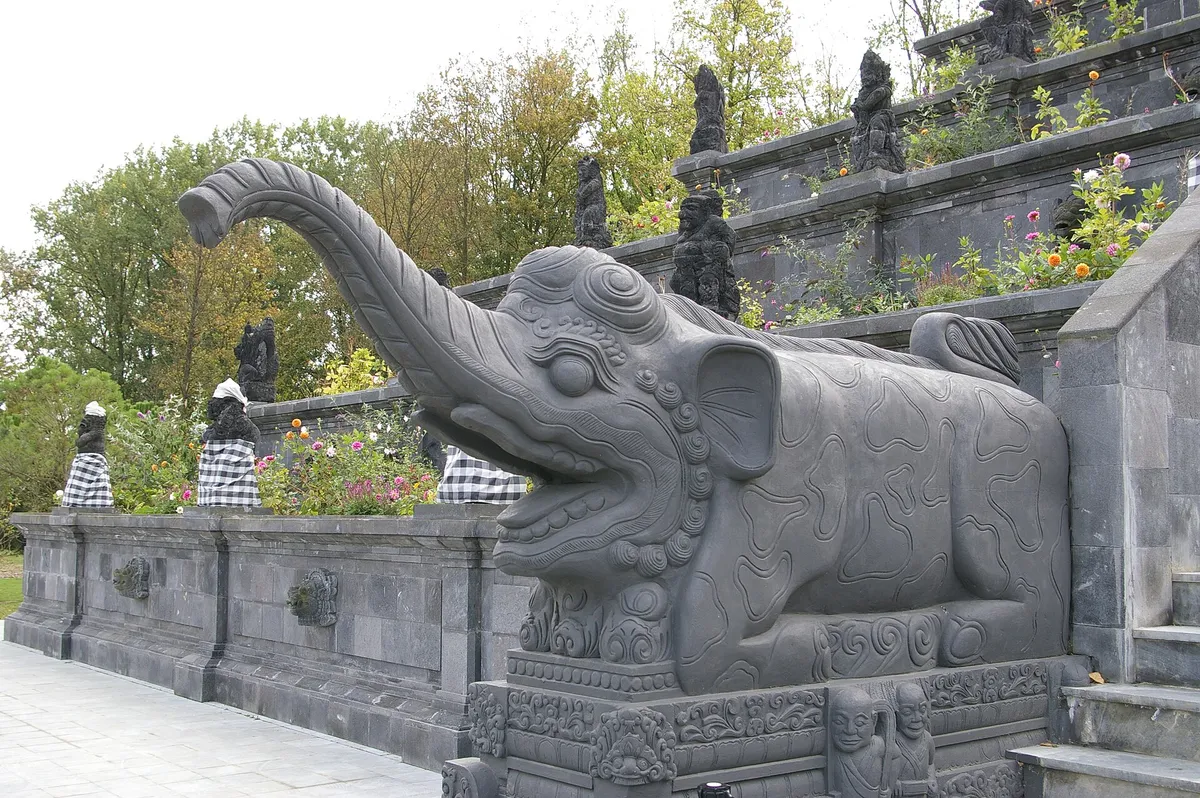 Pairi Daiza🇧🇪 Belgium
Community notes
Share your observations about the Sarus Crane.
No community notes yet. Be the first!
Discover more wildlife
More fascinating animals from the encyclopedia.