
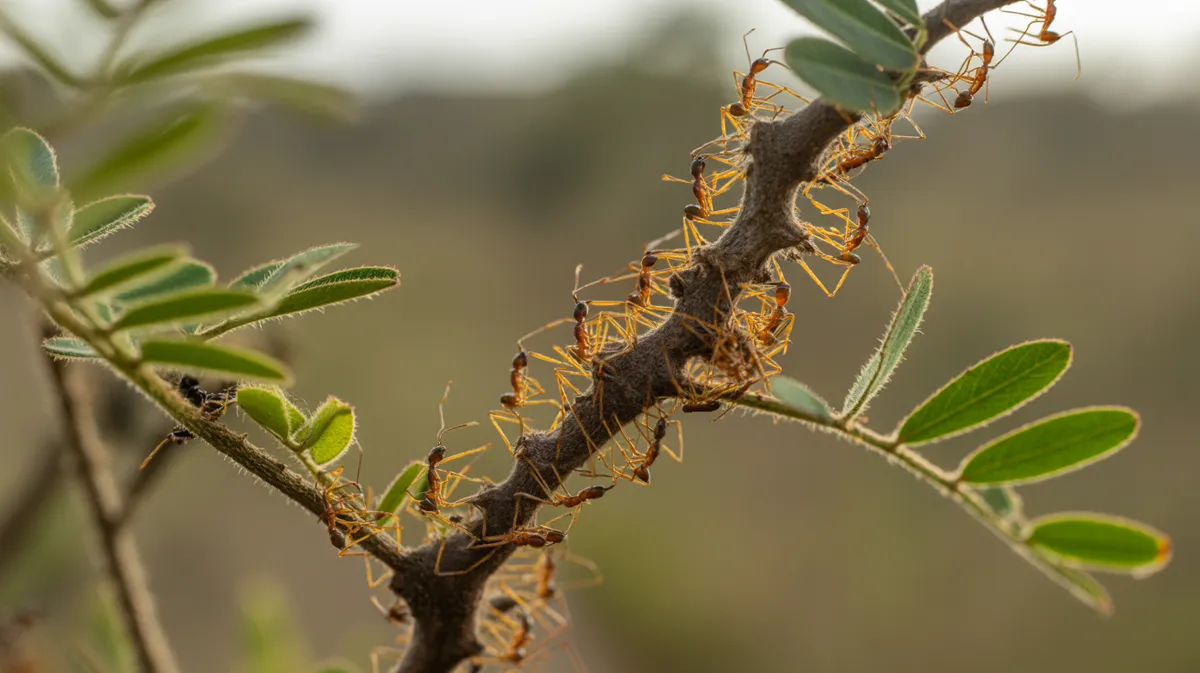
Some trees protect themselves with thorns or poison. The whistling-thorn acacia does something cleverer: it hires an army. In exchange for food and shelter, a colony of ferocious ants will defend the tree against almost anything — from nibbling insects to browsing elephants. In this entry of our Nature's Odd Couples series, we explore the alliance between ants and the acacia.
It's a partnership so tight that each has reshaped the other's biology. See also the honest deal of the goby and the pistol shrimp and the human alliance in the honeyguide that leads people to honey.
Room and board
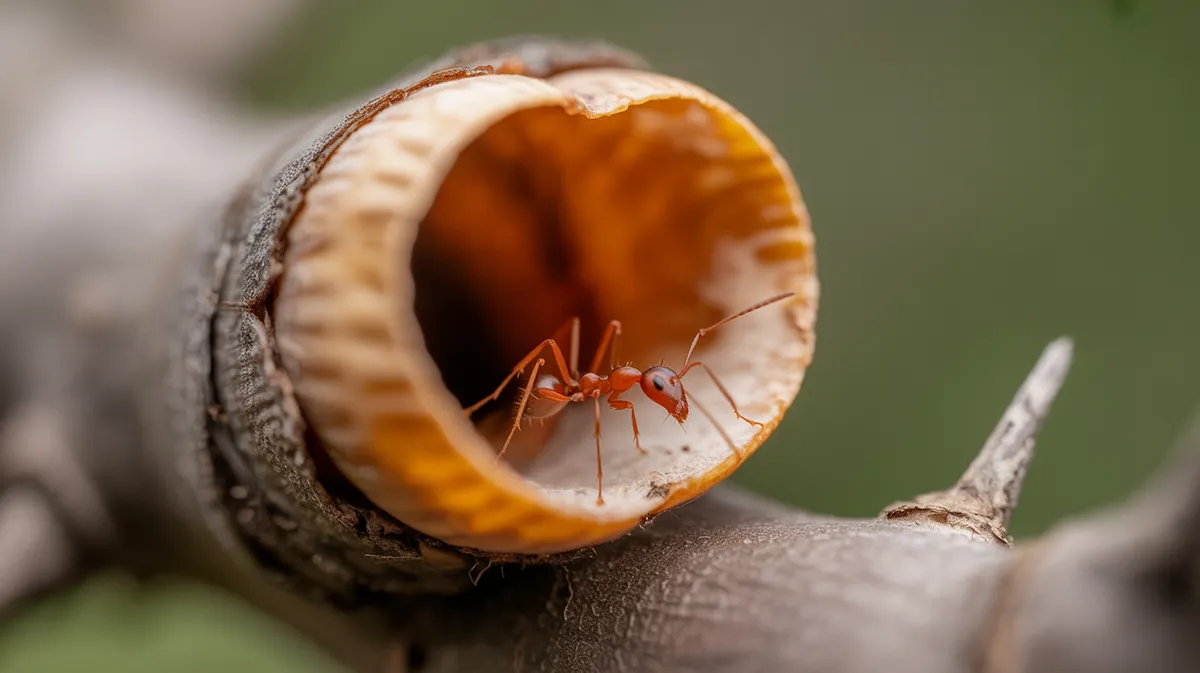
The acacia pays its defenders in housing and food. It grows large, hollow, swollen thorns that the ants hollow out and live inside, sheltered from weather and predators.
To feed them, the tree oozes sugary nectar from special glands and even grows tiny protein- and fat-rich nodules, called Beltian bodies, on the tips of its leaves, like little ant snacks.
In short, the acacia provides its ants with a fortified home and a complete diet, all grown to order.
The tree's name, the whistling-thorn acacia, comes from the sound the wind makes blowing across the old, abandoned thorns once the ants have hollowed them out.
A living army
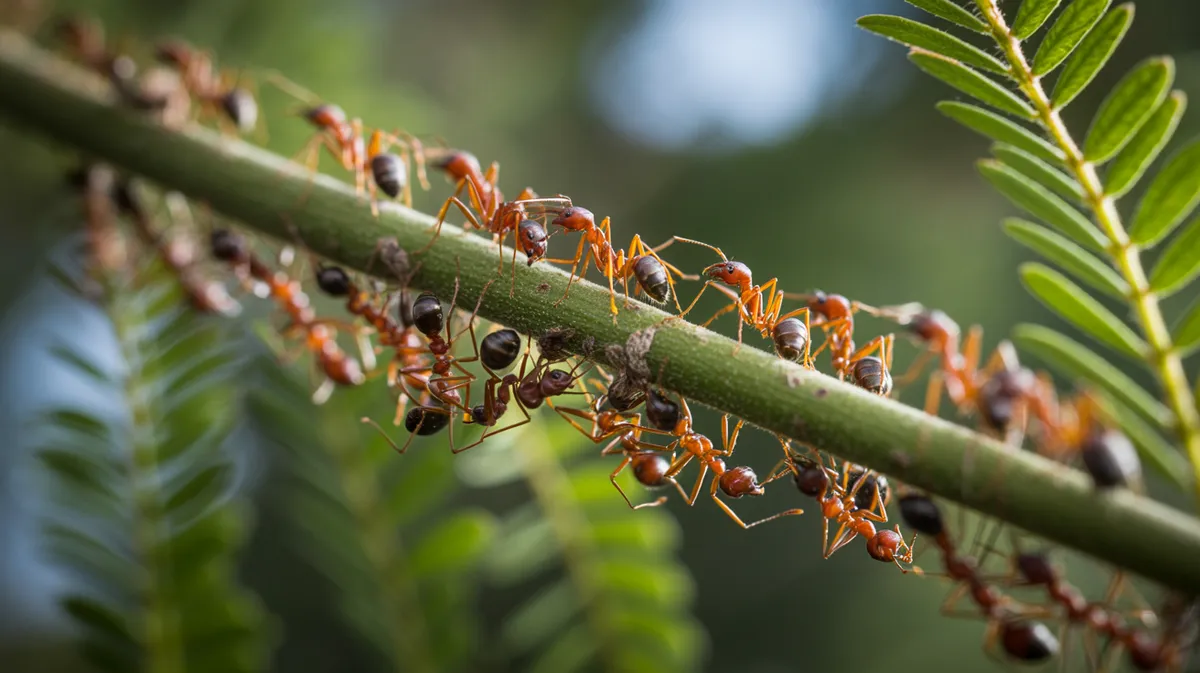
In return, the ants are relentless bodyguards. The instant anything touches the tree, they swarm out in their thousands, biting and stinging the intruder.
They drive off leaf-eating insects, and they'll even attack browsing mammals — large herbivores including elephants tend to avoid heavily defended acacias, deterred by ants swarming into their sensitive mouths and trunks.
A tree that could never run from danger has, in effect, given itself the ability to fight back.
The ants are so effective that an acacia stripped of its colony is quickly riddled with insect damage, while a well-guarded neighbour stands almost untouched.
Scorched earth
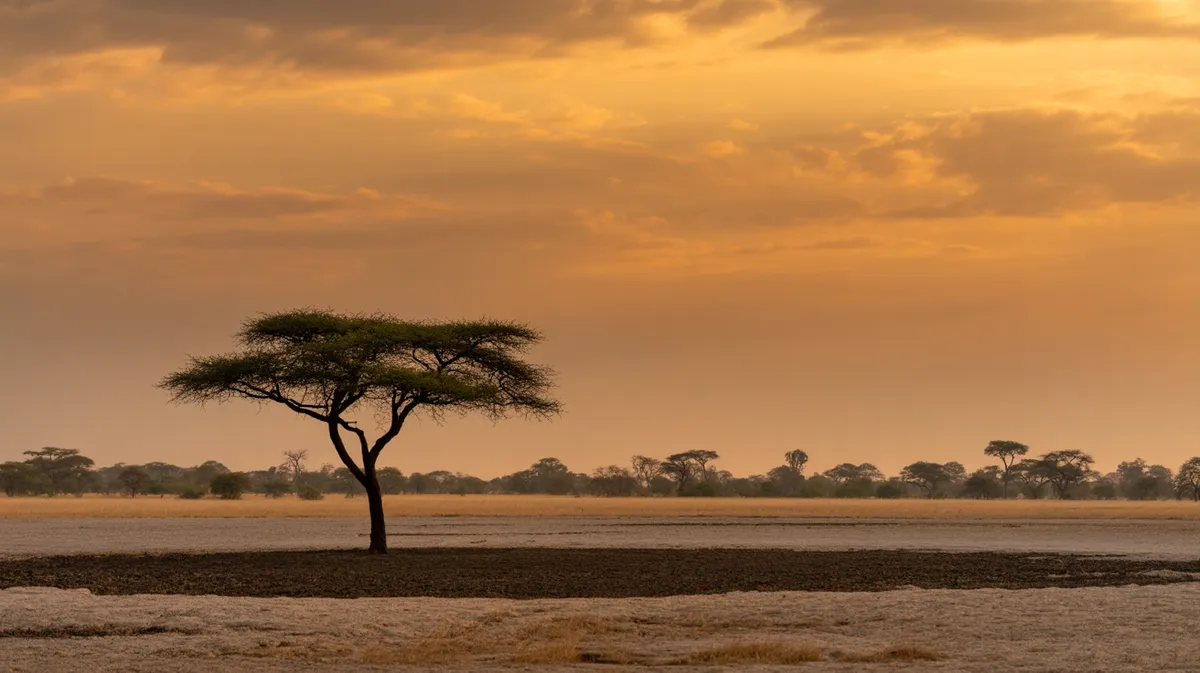
The ants' defence extends beyond animals to the plant world. They patrol the ground around their tree and prune away the shoots of competing plants and encroaching vines.
By clearing rivals from around the base, the ants reduce competition for light and water, helping their host tree thrive.
The result is a tree standing in its own carefully tended clearing, kept tidy by a tireless gardening force.
In some related ant-plant systems in the Amazon, the ants clear such large patches of competing vegetation that locals call the eerie bare clearings "devil's gardens."

An addicted tree's army
The bond runs deeper than a simple exchange. The acacia's nectar contains a chemical that interferes with the ants' ability to digest other sugars, so once an ant colony feeds on the tree, it becomes effectively dependent on it.
This locks the ants into loyal service: they can't easily wander off and feed elsewhere, so they stay and defend their lifelong food source.
It's a partnership the tree quietly enforces through the ants' own biology.
Young queens founding new colonies must find an acacia quickly, because once they commit to this diet there is essentially no going back.
When the deal breaks down
Studies have revealed just how active this partnership is by watching what happens when it lapses. Where large browsing animals were fenced out, the acacias no longer needed defending — and the trees began to invest less in nectar and housing.
With fewer rewards, the protective ants declined and were replaced by less helpful insects, and surprisingly the trees then grew more slowly and suffered more damage from wood-boring pests.
It turns out the tree needs its army even more than it seemed, and the alliance only stays healthy while both sides keep paying in.
It's one of the clearest demonstrations that mutualism is not a fixed favour but an ongoing negotiation, sustained only as long as it pays both partners.
The Cheaters in the System
A partnership this generous invites freeloaders, and the acacia has them. Some ant species move into the tree's hollow thorns and drink its nectar while doing little or nothing to defend it.
Others are worse than useless: certain cheater ants actually sterilise the tree, destroying its flowers so that it puts its energy into growing more leaves and thorns — more food and housing for the ants — rather than into reproducing.
The result is a constant evolutionary arms race. The tree tunes its rewards and its chemistry to favour loyal defenders, while the cheaters keep probing for ways to take without giving. Even nature's tightest alliances have to police themselves.
A pact written into biology
The ants and the acacia show how far a partnership can go — to the point where a plant grows custom housing and food, and chemically binds its defenders to itself. It's less a friendship than a deeply evolved treaty, proof that some of nature's tightest alliances are struck between creatures as different as a tree and an ant.
Frequently asked questions
What does the acacia give the ants? Hollow thorns to live in, sugary nectar, and protein-rich Beltian bodies to eat — full room and board.
What do the ants do for the tree? They swarm and attack anything that touches it, from insects to elephants, and clear away competing plants.
Why don't the ants just leave? The tree's nectar leaves them unable to digest other sugars well, so they become dependent on their host.
Do the ants really deter elephants? Large browsers do tend to avoid heavily ant-defended acacias — ants swarming into a trunk are a powerful deterrent.
What are Beltian bodies? Nutrient-rich nodules the tree grows on its leaf tips specifically to feed its resident ants.
What happens if the ants are removed? The tree is quickly riddled with insect damage and tends to grow more slowly.
What kind of ants live on acacias? Specialised acacia ants, which are found living almost nowhere else.
How do the ants get inside the thorns? They chew an entrance hole into the hollow, swollen thorn and nest inside the chamber.
Can the tree survive without its ants? Poorly. Unguarded acacias are quickly stripped by insects and browsers and grow more slowly.
Do ant-plant partnerships exist elsewhere? Yes — across the tropics, including the eerie Amazonian clearings known as "devil's gardens".
That's three more of nature's odd couples. Revisit the clownfish and the sea anemone and the cleaner wrasse and its clients — and watch for more in the Nature's Odd Couples series.