
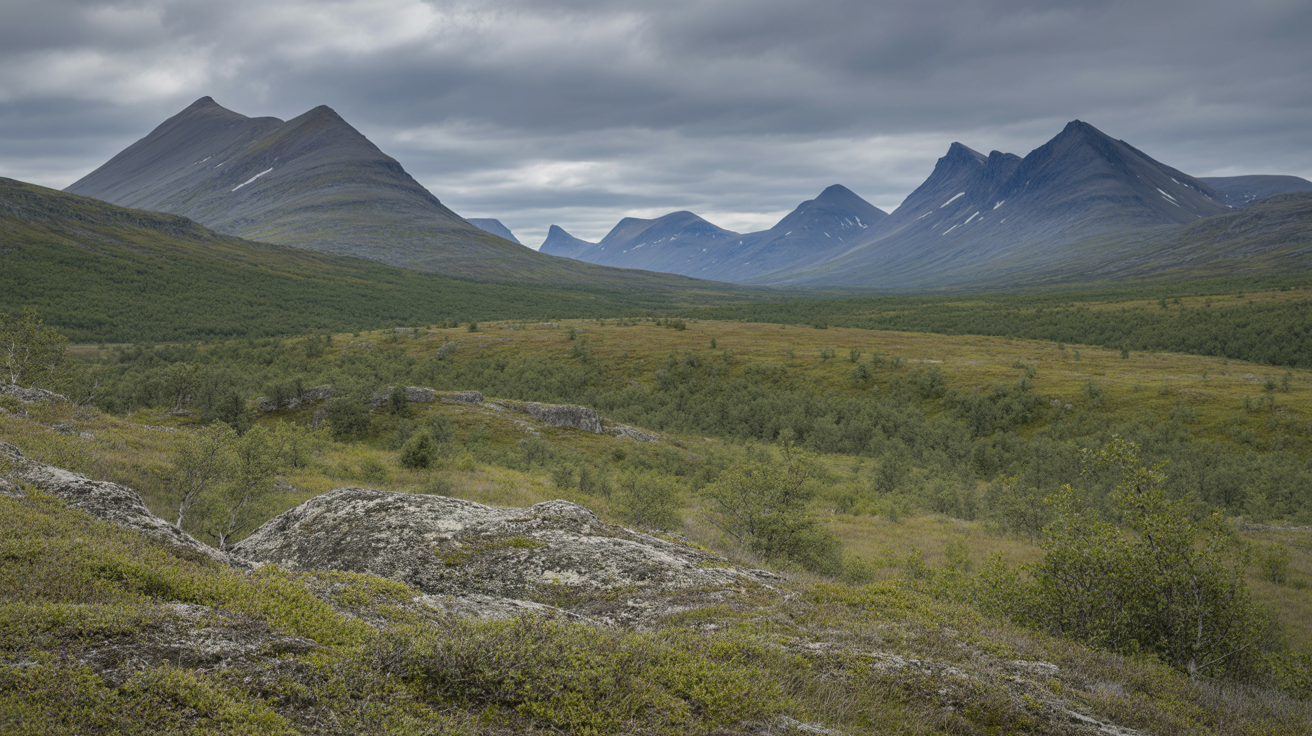
Tundra
Cold, treeless regions with permafrost supporting specialized cold-adapted wildlife.
Animals of the Tundra
Species recorded in this habitat.
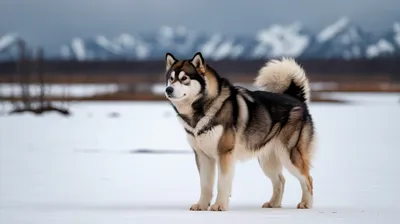
Alaskan Malamute
Canis lupus familiaris
The Alaskan Malamute is a large, powerful breed of domestic dog originally bred for its strength and endurance to haul heavy freight as a sled dog in the Arctic. With a thick double coat, erect ears, and distinctive facial markings, Malamutes are well-adapted to cold, harsh environments. They are known for their friendly disposition, intelligence, and loyalty, making them beloved companions as well as working dogs. While they resemble wolves in appearance, they are a distinct, domesticated breed with a gentle temperament. Their high energy and need for exercise make them best suited to active families and experienced owners.
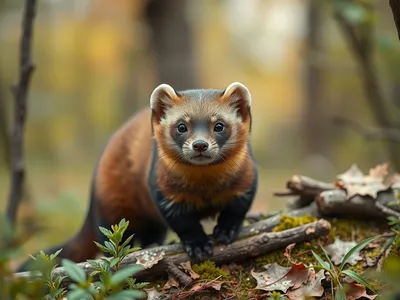
American Marten
Martes americana
The American Marten is a small, agile mammal native to the forests of North America. Characterized by its slender body, bushy tail, and silky brown fur, this elusive predator is well adapted for life among thick trees and snowy landscapes. Martens are solitary and primarily nocturnal, skillfully navigating the forest canopy in search of prey. They play an important role in their ecosystem by helping to control rodent populations and dispersing seeds from the fruits they eat.
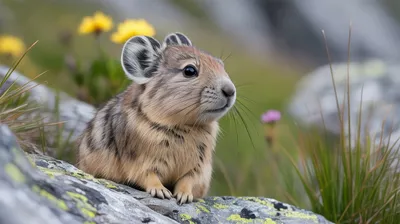
American Pika
Ochotona princeps
The pika is not a rodent — it is a lagomorph, a close relative of rabbits and hares, and it is one of the very few mammals that stays awake and active all winter in alpine talus without hibernating. It gets through by farming. Through summer it makes repeated dashes into the meadow, cutting vegetation and stacking it on rocks to cure in the sun, building a haypile that may contain dozens of plant species and can fill a wheelbarrow. The selection is not random: pikas deliberately include plants loaded with toxic phenolics, which act as preservatives and slow decay, and they eat those portions later in the winter once the toxins have degraded. Its constraint is heat, not cold. A pika's dense fur and high metabolism mean it can die after only a few hours' exposure at around 25.5 C, so it retreats into the cool interstices of the rock slope on hot days and cannot cross warm valleys — which is why populations in the Great Basin have been winking out at lower elevations as summers warm.
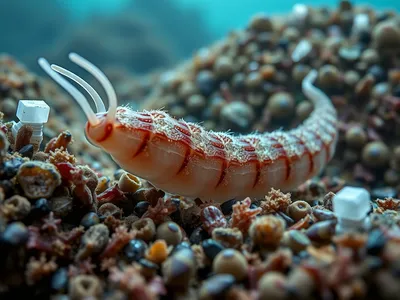
Antarctic scale worm
Eulagisca gigantea
The Antarctic scale worm is a large, predatory polychaete worm found in the frigid waters surrounding Antarctica. Recognizable by its broad, flattened body covered with overlapping scales (elytra), this worm can reach lengths of up to 20 centimeters. Its impressive jaws and iridescent, segmented appearance make it a striking resident of the deep Antarctic seafloor. This invertebrate is a fierce predator, preying on other marine invertebrates in one of the most extreme environments on Earth.
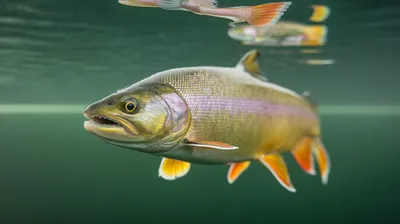
Arctic char
Salvelinus alpinus
The Arctic char is the northernmost freshwater fish in the world, living in lakes above 80 degrees north where the ice never entirely leaves and the growing season is a few weeks long. It is also one of the most variable vertebrates known. A single lake can hold several distinct forms — a small bottom-feeding dwarf, a large fish-eating morph, a plankton-feeder — that differ in shape, size and jaw structure and that breed separately from one another. Thingvallavatn in Iceland, with four coexisting morphs, is a textbook case in the study of how species can split without any physical barrier between them. Some populations run to sea and back like salmon; others are landlocked, and those can grow with glacial slowness and live for forty years. It spawns in autumn or winter, often under ice, which for a fish is a very odd time to breed and only makes sense in water this cold. The spawning colours are extraordinary: the belly turns deep orange to blood-red, and the leading edges of the fins go white.
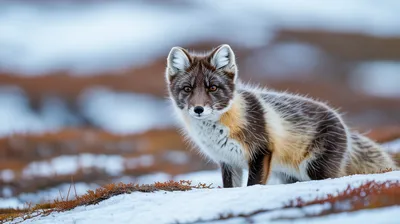
Arctic Fox
Vulpes lagopus
The Arctic Fox (Vulpes lagopus) is a small, resilient mammal adapted to the harsh conditions of the Arctic tundra. Measuring approximately 46 to 68 centimeters in body length, with an additional 30-centimeter bushy tail, this fox is well-equipped for survival in temperatures as low as -50 degrees Celsius. Its dense, multi-layered coat, which changes from white in winter to brown or gray in summer, provides exceptional insulation and camouflage against predators and while hunting. Unlike many other fox species, the Arctic Fox has fur-covered footpads, which prevent heat loss and allow it to traverse icy surfaces with ease. This species primarily inhabits regions such as Greenland, Iceland, and parts of North America, thriving on a diet of small mammals, birds, and carrion. In comparison to its relative, the Red Fox, the Arctic Fox has a more compact body, a trait that minimizes heat dissipation, an excellent example of Allen's rule in action.
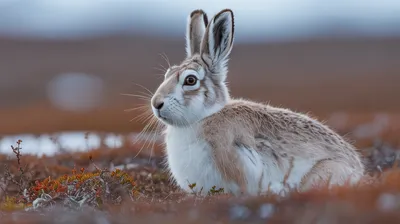
Arctic Hare
Lepus arcticus
The Arctic hare is built by subtraction. Its ears are short and its limbs are compact, minimising the surface area available to leak heat — the exact inverse of the huge-eared desert jackrabbits, and one of the cleanest field demonstrations of Allen's rule. In the far north it does not bother with a seasonal wardrobe at all: high-latitude populations stay white all year, because the ground is essentially never brown, while more southerly ones moult to blue-grey in summer. It has heavy claws on the forefeet used to dig through hard wind-packed snow to reach willow and saxifrage, and willow twigs, buds and bark make up most of its winter diet. It can hit 60 km/h, and when moving slowly through snow it will often rear up and bound along on its hind legs alone, kangaroo-fashion. Unusually for a hare, it aggregates: hundreds and occasionally thousands gather in loose groups, which may improve predator detection on terrain with no cover whatsoever.
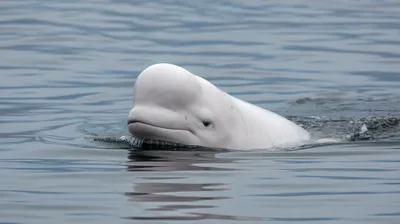
Beluga Whale
Delphinapterus leucas
The beluga is the only whale that can turn its head. In every other cetacean the neck vertebrae are fused into a rigid block; in the beluga they are not, so it can nod and look sideways — an adaptation for manoeuvring in the shallow, ice-choked coastal water and river estuaries where it feeds. The bulging melon on its forehead is a fatty organ, and unlike other whales the beluga can visibly deform it, changing its shape to focus and steer the beam of its echolocation clicks like a lens. It is so vocal that whalers called it the sea canary — clicks, whistles, chirps and squeals, audible through a boat's hull. It has no dorsal fin, which would be a liability under ice; in its place is a tough dorsal ridge, which it uses to break through thin ice from below to breathe. It moults each year, rubbing itself against gravel in river shallows, and it is born grey, whitening only as it matures.
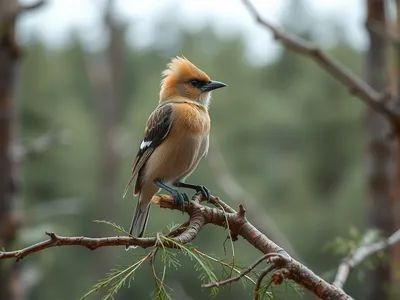
Bohemian Waxwing
Bombycilla garrulus
The Bohemian Waxwing is a striking medium-sized passerine bird known for its silky-smooth plumage and prominent crest. Its plumage is predominantly soft grey, with a peachy face, black mask, and bright yellow and white accents on the wings and tail. These birds are highly social, often seen in large flocks foraging for berries in northern forests during winter. They migrate in search of food, sometimes appearing in large numbers far outside their typical range. The Bohemian Waxwing is renowned for its beautiful appearance and distinctive, trilling calls.
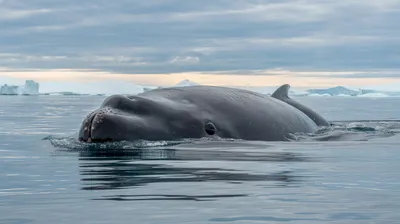
Bowhead Whale
Balaena mysticetus
The bowhead whale is the longest-lived mammal on Earth. Stone and ivory harpoon points from the nineteenth century have been recovered from the blubber of living animals, and chemical dating of the lens of the eye has produced age estimates well beyond two hundred years, which means whales alive today were already swimming before the invention of the light bulb. It lives its entire life in Arctic waters, insulated by blubber that can approach half a metre thick — the thickest of any animal — and it does not migrate to warmer seas but instead breaks breathing holes upward through sea ice with a massive, reinforced, upward-curving skull. It has the largest mouth of any animal, filters plankton through baleen that can exceed four metres in length, and sings complex, changing songs beneath the ice. Its resistance to cancer and to ageing — a body that large should accumulate far more mutations than it does — has made its genome a serious object of study in longevity research.
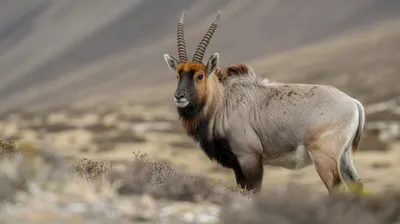
Chiru (Tibetan Antelope)
Pantholops hodgsonii
The chiru is being killed for the fineness of its underwool. Shahtoosh — literally "king of wools" — has fibres of around 7 to 10 microns, finer than cashmere, fine enough that the finished shawl can be pulled through a wedding ring, and the animal cannot be shorn or combed: it must be killed. Three to five chiru die for one shawl. Between the 1980s and 1990s, a fashion boom in Europe and America drove poaching that cut a population of perhaps a million down to somewhere in the tens of thousands. The trade was banned, enforcement on the Tibetan plateau became serious, and the chiru is one of the genuine recovery successes of recent conservation, with numbers back into the hundreds of thousands and its status downlisted in 2016. It is adapted to a brutal environment: it lives above 4,000 m, it has inflatable nasal sacs that warm and humidify the freezing thin air it breathes, and females migrate hundreds of kilometres each summer to traditional calving grounds.
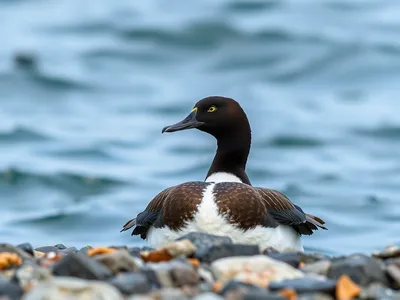
Common Eider
Somateria mollissima
Somateria mollissima is the largest duck in the Northern Hemisphere and a specialist at eating things that fight back with armour. It dives to the seabed, tears blue mussels off the rock, and swallows them whole, shell included; a muscular gizzard then crushes the shells and the fragments are voided. The famous eiderdown comes from the female alone, who plucks the insulating down from her own breast to line the nest, exposing a brood patch in the process. That down has microscopically hooked barbules that lock together into a mat, giving it a loft-to-weight ratio no synthetic has matched, and in Iceland it is still gathered from wild nests after the ducklings leave — a genuinely non-lethal harvest managed for centuries. The female incubates for around 26 days without feeding at all, losing a large fraction of her body mass. Once hatched, ducklings from many nests merge into large creches guarded by a few females, so a single "mother" may be seen shepherding dozens of young that are not hers. Drakes are unmistakable in black and white with a lime-green nape and a long sloping wedge of a bill, and their soft, rising "ah-OOO" courtship coo carries across cold water.
Other habitats
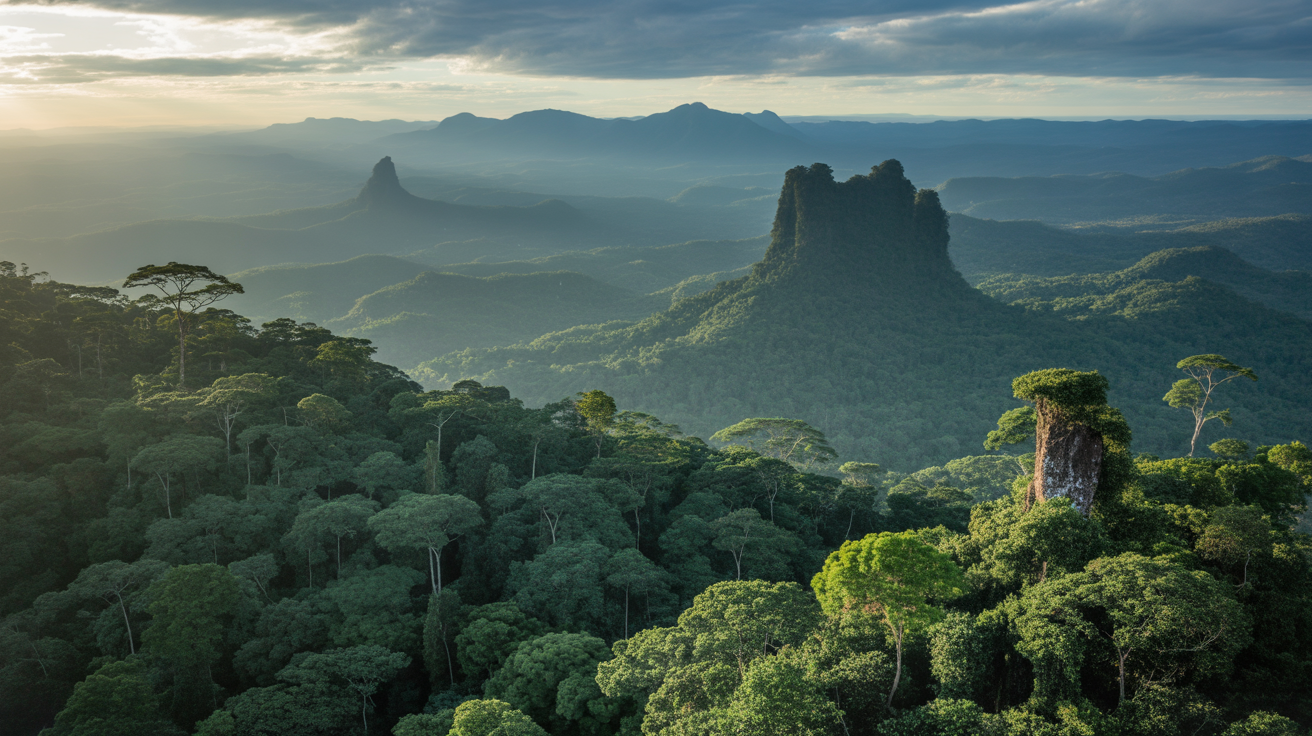 Tropical Regions
Rainforest
Dense, wet forests with the highest biodiversity on Earth, containing more than half of the world's plant and animal species.
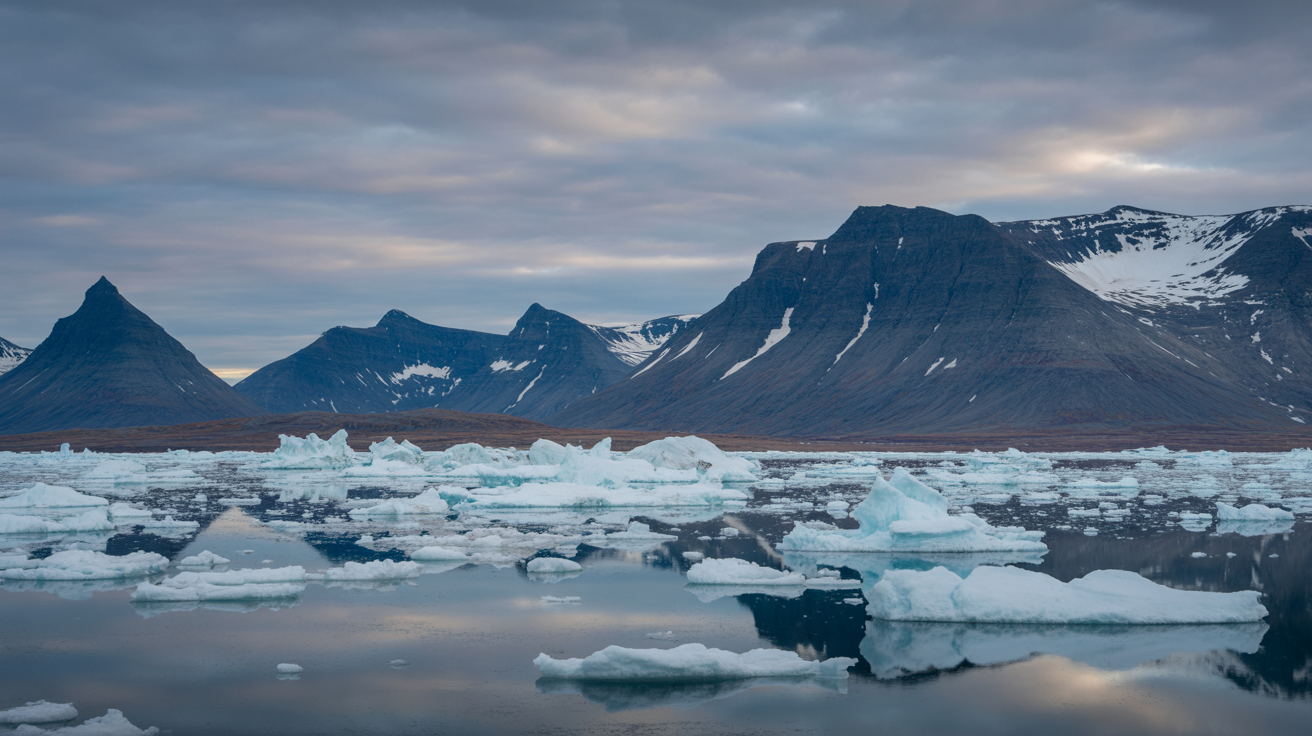 Polar Regions
Arctic
Cold, frozen landscapes around the North Pole with specialized wildlife adapted to extreme cold.
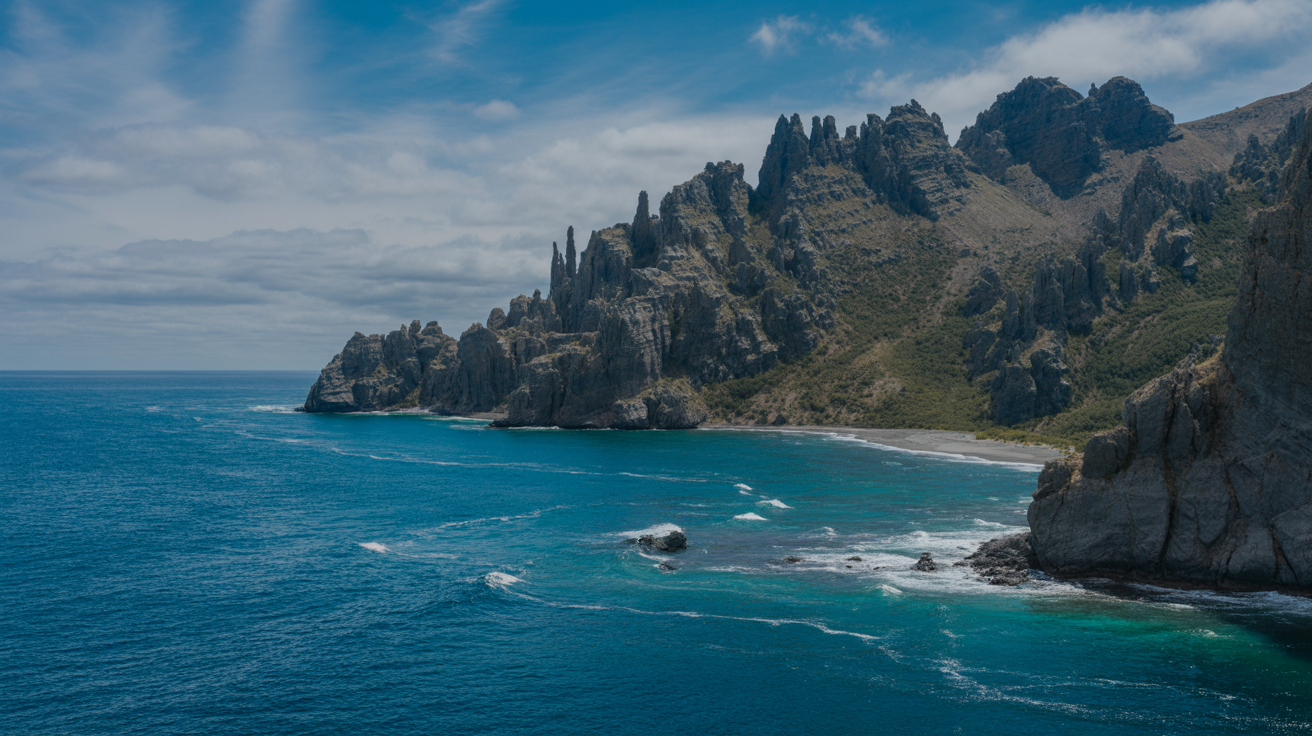 Global Waters
Ocean
Saltwater environments covering more than 70% of the Earth's surface, home to a vast variety of marine life.
 Arid Regions
Desert
Arid lands with minimal rainfall, extreme temperatures, and specialized wildlife adapted to harsh conditions.
 Africa
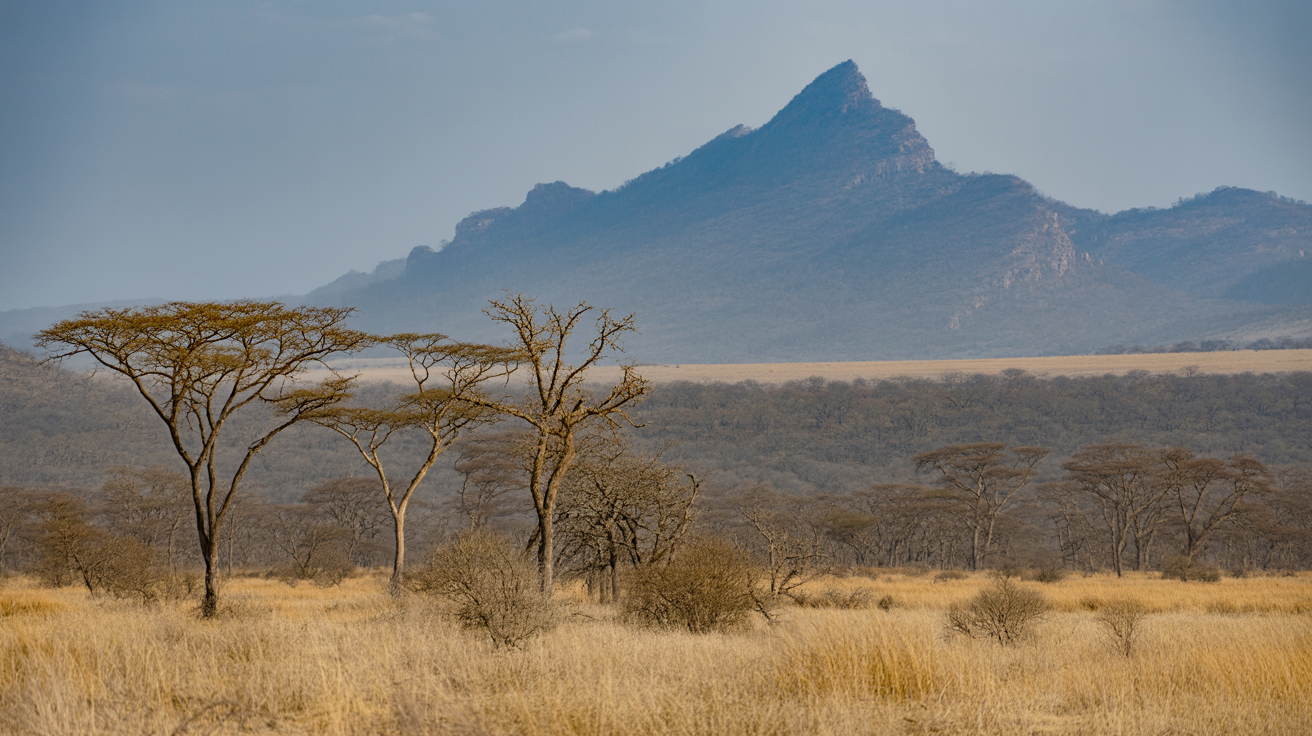
Savanna
Grasslands with scattered trees, characterized by seasonal rainfall and home to diverse grazing animals and predators.
 Elevated Terrain
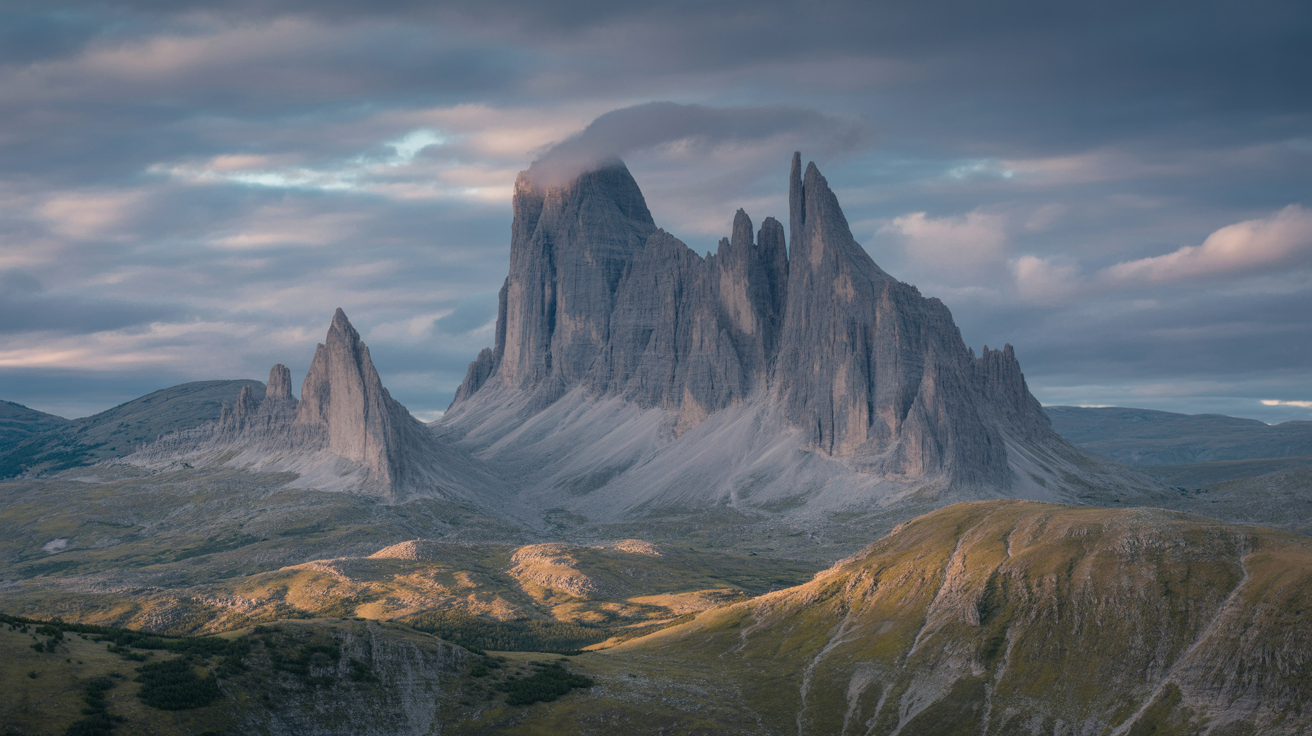
Mountain
High-altitude environments with varying climates and specialized wildlife adapted to rugged terrain and thin air.