
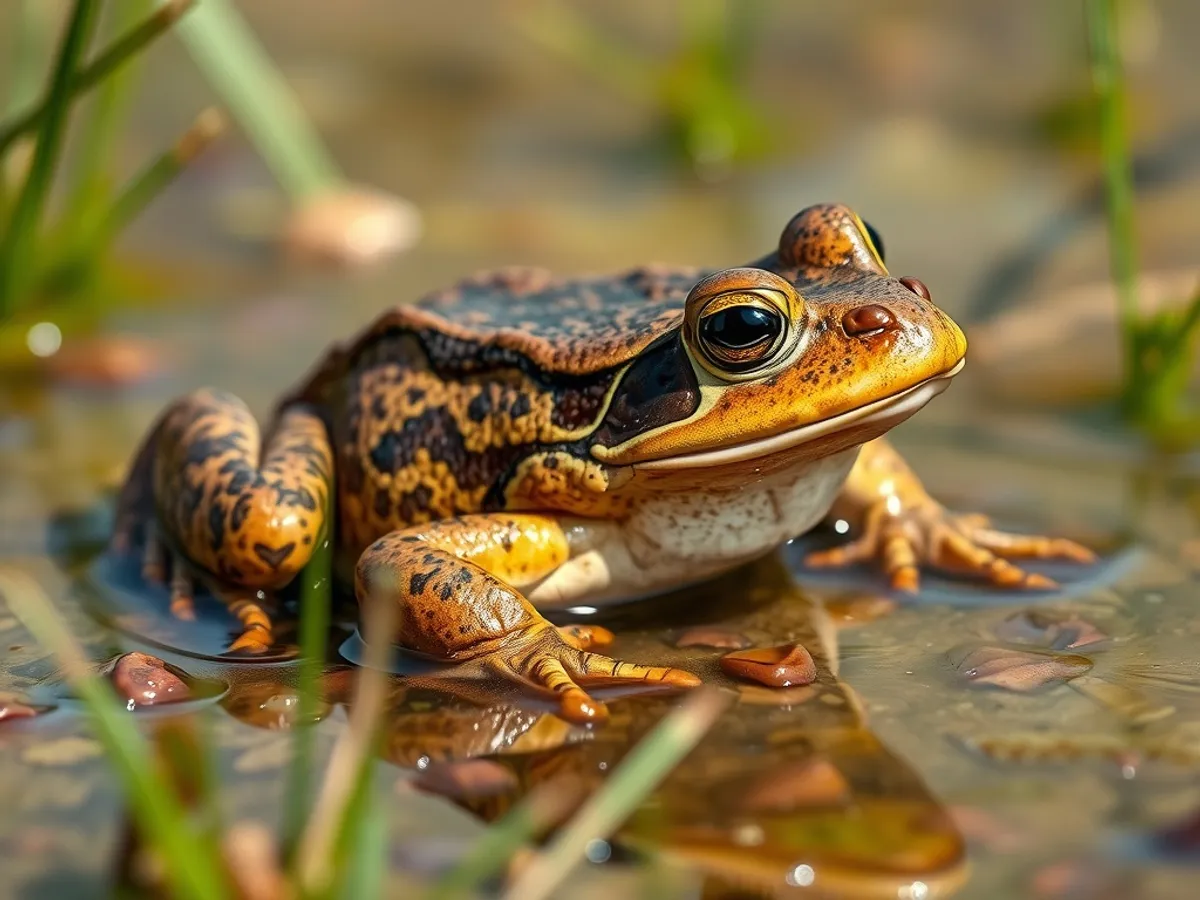
About the African Bullfrog
The African bullfrog inverts the usual amphibian rule that females are the larger sex: males can exceed 2 kg and grow roughly twice the size of the females they mate with, because male-male combat over breeding pools rewards bulk. Along the lower jaw sit three odontoid projections — bony, tooth-like spikes that let it hold struggling prey, and give a bite that draws blood. It eats essentially anything it can cram down, including rodents, birds, other frogs, and famously young cobras. Its most remarkable behaviour is paternal: a male guards the tadpole mass, and when the puddle begins to evaporate he will excavate a channel with his hind legs to drain water from a shrinking pool into a larger one, saving the shoal. He is not sentimental about it — he also eats a share of the tadpoles he is guarding. Between rains the frog burrows down and encases itself in a cocoon built from layers of shed skin, sealing in moisture, and can wait out drought underground for a year or more.
Fascinating facts
Massive Appetite
African Bullfrogs are opportunistic feeders and will eat insects, small mammals, birds, reptiles, and even other frogs.
Protective Parents
Male African Bullfrogs are among the few amphibians that actively guard their tadpoles, protecting them from predators and desiccation.
Aestivation Experts
During dry periods, African Bullfrogs burrow underground and secrete a mucus cocoon to retain moisture, surviving months without water.
Detailed description
The African bullfrog (Pyxicephalus adspersus) is a robust, heavily built amphibian, notable for its immense size and powerful physique. Adult males, which are significantly larger than females, can reach up to 24 cm (9.5 in) in snout-vent length and weigh over 1.4 kg (3 lbs), while females typically measure less than half this size. The species is characterized by a broad, flat head, a large mouth equipped with prominent, fang-like odontoid projections (sometimes called 'teeth'), and a thick, olive-green to brownish skin with a paler ventral surface. Their muscular limbs, especially the hind legs, are adapted for both digging and powerful leaps. African bullfrogs possess a unique ability to burrow deeply into the substrate, forming a cocoon of shed skin and mucus to reduce water loss during prolonged dry periods (aestivation). Their eyes are positioned dorsally, providing a wide field of vision while partially submerged. The species is primarily nocturnal, emerging at dusk to hunt and breed. During the breeding season, males develop a yellowish throat and exhibit pronounced sexual dimorphism. Their vocalizations are deep, resonant calls that can carry over long distances. African bullfrogs are opportunistic predators, consuming a wide range of prey, including invertebrates, small vertebrates, and even conspecifics.
Did you know?
Despite their fierce appearance, some African Bullfrogs are kept as exotic pets because of their impressive size and unique behaviors.
Research & sources
Wikipedia summary
The African bullfrog, also known as the giant bullfrog or the South African burrowing frog, is a species of frog in the family Pyxicephalidae. It is also known as the pixie frog due to its scientific name. It is found in Angola, Botswana, Kenya, Malawi, Mozambique, Namibia, South Africa, Tanzania, Uganda, Zambia, Zimbabwe, and possibly the Democratic Republic of the Congo. It has been extirpated from Eswatini. It has long been confused with the edible bullfrog, and species boundaries between them, including exact range limits, are not fully understood. Additionally, P. angusticeps of coastal East Africa only was revalidated as a separate species in 2013.
Behaviour & social structure
African bullfrogs are solitary and highly territorial, especially during the breeding season. Males congregate in temporary pools formed by seasonal rains, where they establish and aggressively defend territories against rivals. Combat between males can be intense, involving wrestling and biting. Outside the breeding season, individuals are largely fossorial, spending much of their lives buried underground to escape extreme temperatures and desiccation. They are ambush predators, remaining motionless and camouflaged until prey approaches, then lunging forward with remarkable speed. Their diet includes insects, other amphibians, small reptiles, rodents, and occasionally birds. Cannibalism is not uncommon, particularly among tadpoles and juveniles. African bullfrogs are known for their voracious appetite and can consume prey nearly half their own body size. Activity peaks during the wet season, with foraging and reproductive behaviors closely tied to rainfall patterns.
Reproduction & life cycle
Breeding is explosive and synchronized with the onset of heavy rains, typically occurring from October to December in southern Africa. Males gather in shallow, temporary pools and emit loud, low-pitched calls to attract females. Dominant males occupy the center of the breeding aggregation, where they have the highest chance of mating. Females lay large clutches, often exceeding 3,000 to 4,000 eggs, in shallow water. Fertilization is external. Eggs hatch rapidly, within 2–3 days, and tadpoles develop quickly, metamorphosing into froglets in as little as 18–24 days, an adaptation to the ephemeral nature of their breeding sites. Remarkably, male African bullfrogs exhibit parental care, guarding the tadpoles and, in some cases, digging channels to deeper water to prevent desiccation. This level of parental investment is rare among amphibians.
Adaptations & survival
Pyxicephalus adspersus has evolved several adaptations to survive in unpredictable and arid environments. Its capacity for deep burrowing and formation of a protective cocoon enables it to withstand months of drought in a state of dormancy (aestivation). The species’ robust body and powerful jaws allow it to subdue large and potentially dangerous prey. Rapid larval development is a key adaptation to the temporary nature of breeding pools. The skin secretes antimicrobial peptides, providing protection against pathogens in muddy, stagnant water. The species’ aggressive territoriality and cannibalistic tendencies may reduce competition and increase survival rates of offspring.
Cultural significance
The African bullfrog holds a notable place in local folklore and traditional practices. In some cultures, it is associated with rain and fertility due to its emergence with seasonal rains. Its large size and distinctive calls have made it a subject of myths and stories, often symbolizing strength or resilience. In parts of southern Africa, the species is occasionally consumed as food, though this is less common than with other frog species. The African bullfrog is also popular in the exotic pet trade, valued for its impressive size and unique behaviors, though this raises concerns about sustainable collection.
Recent research
Recent research has focused on the taxonomy and phylogenetics of the Pyxicephalus genus, with clarification of species boundaries following the revalidation of P. angusticeps in 2013. Studies on the species’ antimicrobial skin peptides have revealed potential applications in biomedicine. Ongoing ecological research investigates the effects of climate variability on breeding phenology and population dynamics. The species’ remarkable parental care has been the subject of behavioral studies, contributing to broader understanding of amphibian reproductive strategies. Conservation genetics projects are underway to assess genetic diversity across fragmented populations.
Videos
Habitat
Savannas, grasslands, seasonal pools, and freshwater wetlands
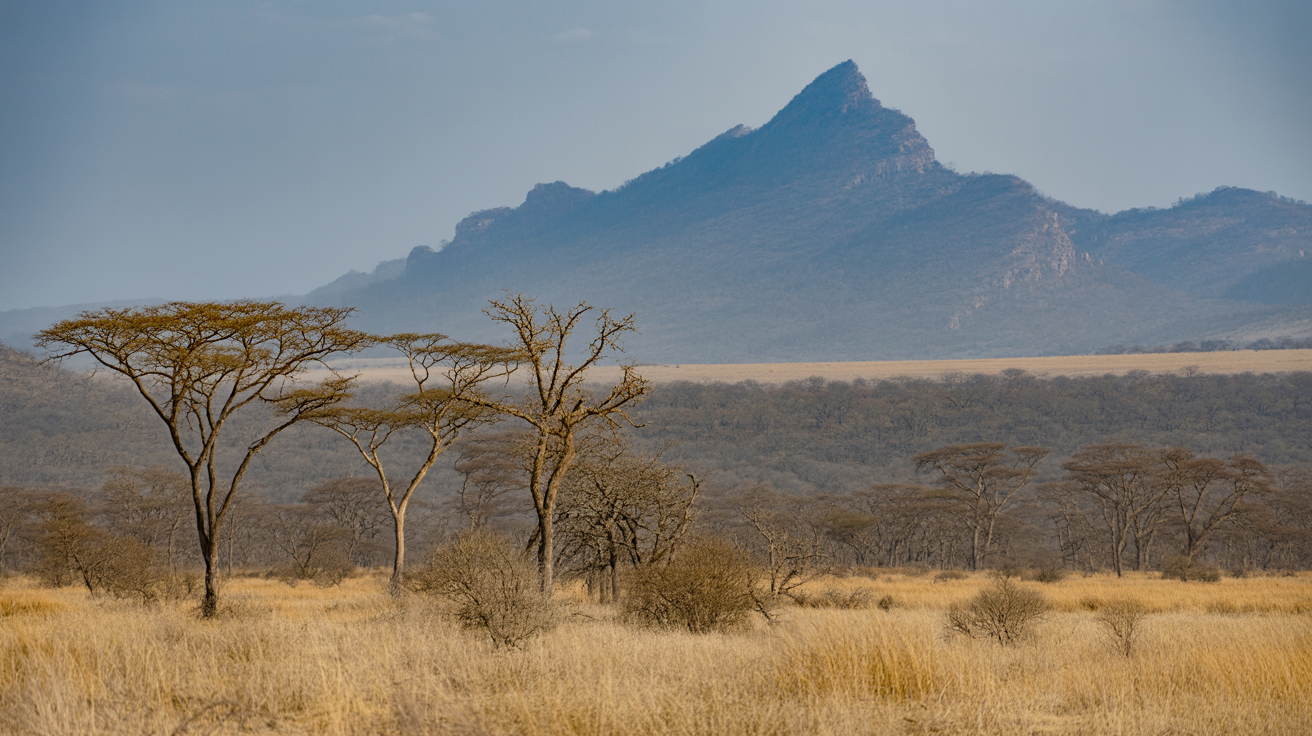 Africa
Savanna
Grasslands with scattered trees, characterized by seasonal rainfall and home to diverse grazing animals and predators.
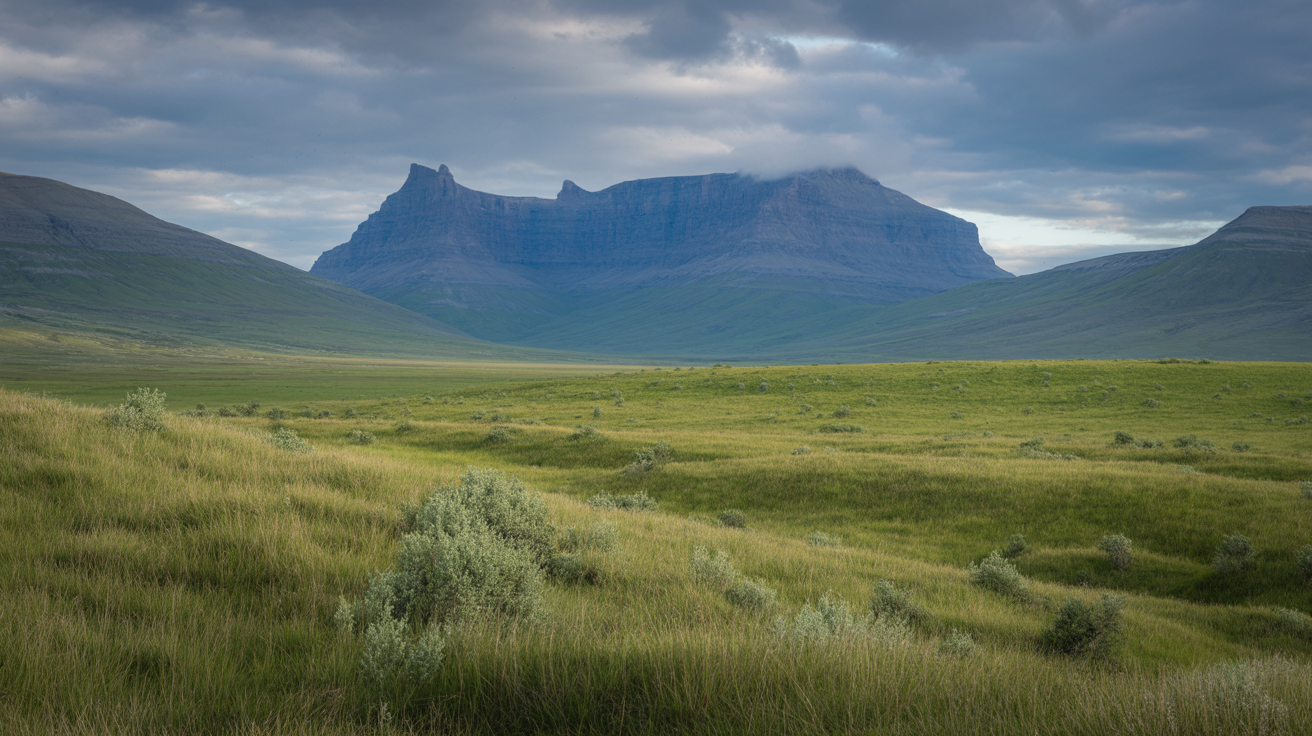 Various Continental Regions
Grassland
Open areas dominated by grasses rather than trees, supporting numerous herbivores and their predators.
 Global
Freshwater
Lakes, rivers, and wetlands with diverse aquatic ecosystems.
Conservation
The African Bullfrog is currently classified as Least Concern on the IUCN Red List.
Threats & challenges
Although currently listed as Least Concern by the IUCN, African bullfrog populations face localized threats from habitat destruction, wetland drainage, agricultural expansion, and road mortality. Collection for the pet trade and local consumption also poses risks in some regions. Climate change, resulting in altered rainfall patterns and more frequent droughts, may impact breeding success and larval survival. Pollution and pesticide runoff can affect both adult frogs and their aquatic larvae. Despite these challenges, the species’ wide distribution and adaptability have helped maintain stable populations in most areas.
Taxonomy
Scientific name
Pyxicephalus adspersus
- Kingdom
- Animalia
- Phylum
- Chordata
- Class
- Amphibia
- Order
- Anura
- Family
- Pyxicephalidae
- Genus
- Pyxicephalus
- Species
- adspersus
Where to see an african bullfrog
6 zoos and aquariums in 2 countries are recorded as keeping this species.
 Brevard Zoo🇺🇸 Melbourne, United States
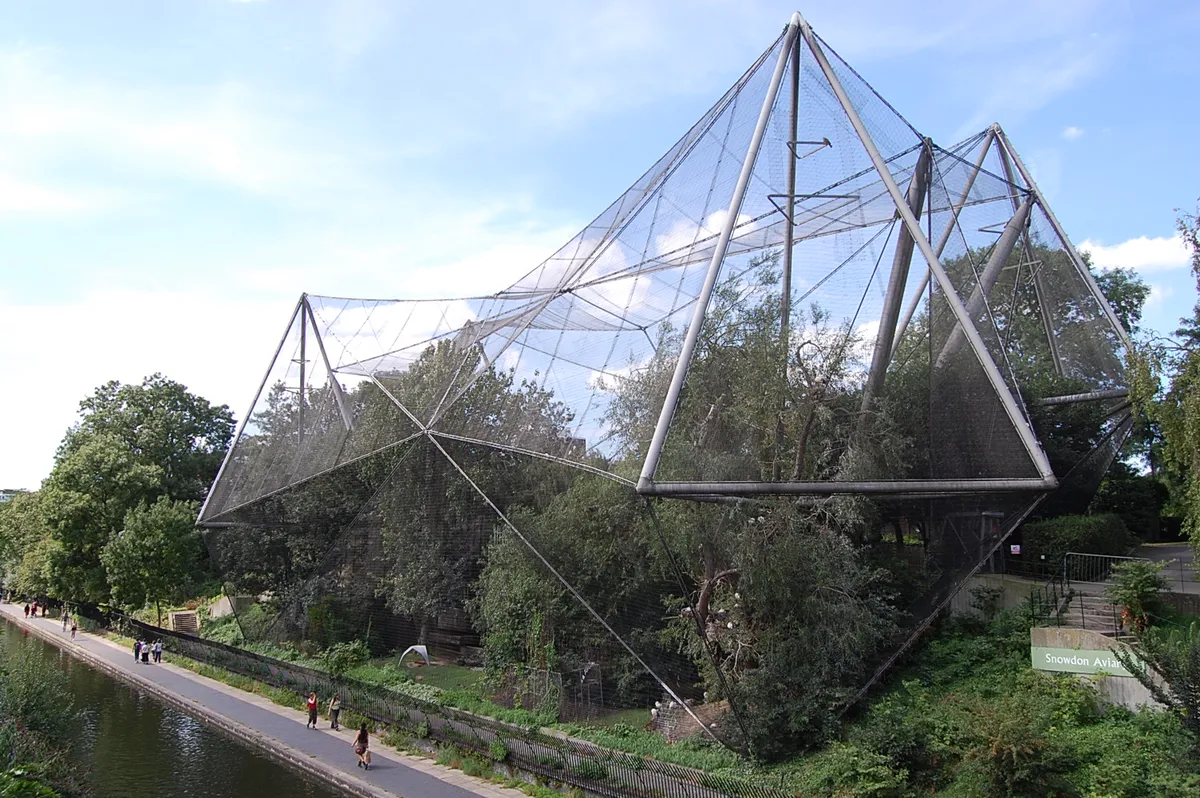 London Zoo🇬🇧 London, United Kingdom
 Birmingham Zoo🇺🇸 United States
- 🦁Cheyenne Mountain Zoo🇺🇸 United States
 Virginia Zoological Park🇺🇸 Norfolk, United States
Community notes
Share your observations about the African Bullfrog.
No community notes yet. Be the first!
Discover more wildlife
More fascinating animals from the encyclopedia.