
About the African Rock Python
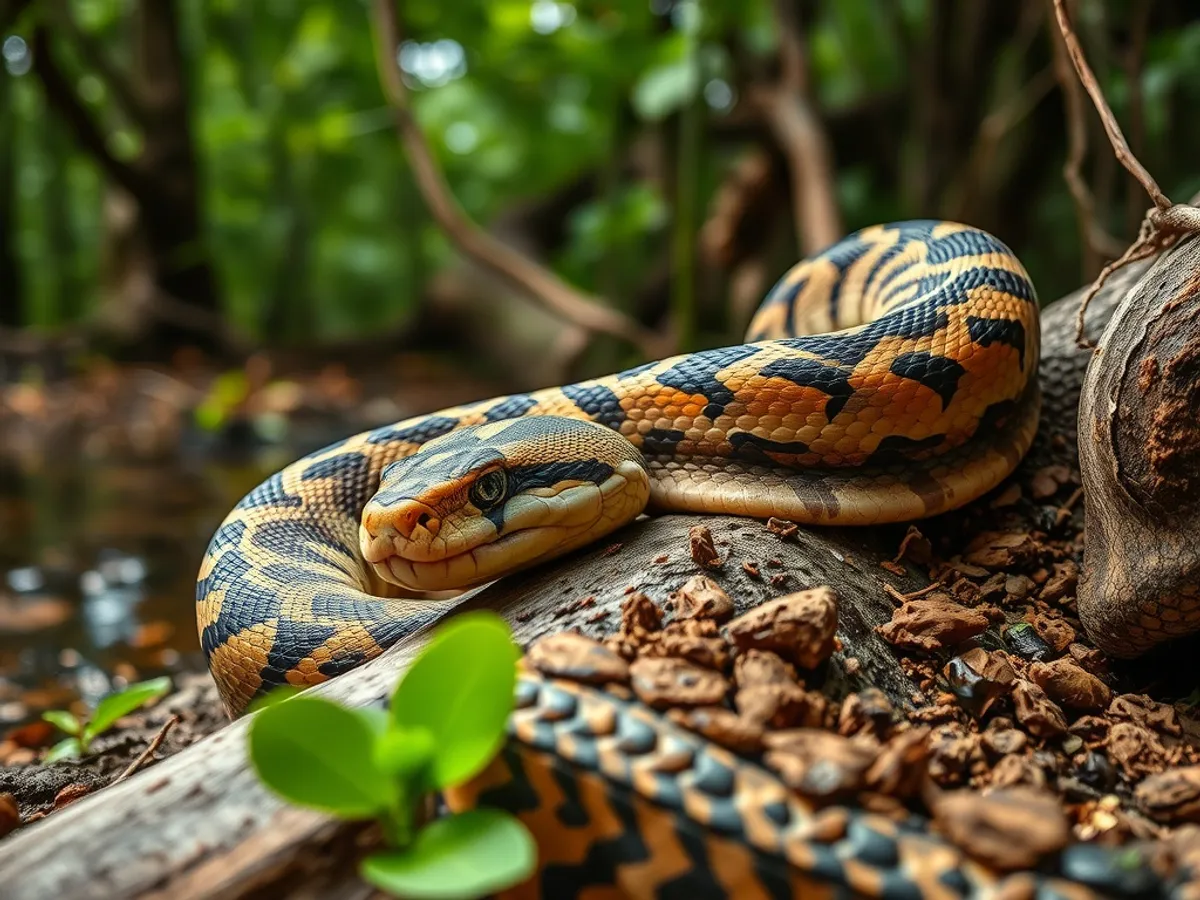
The African Rock Python is Africa's largest snake and one of the largest python species in the world. Characterized by its thick, muscular body and distinctive dark blotched pattern, it can grow up to 6 meters (20 feet) in length. This non-venomous constrictor is highly adaptable and found across a wide range of habitats, including savannas, forests, and near water bodies. African Rock Pythons are solitary and ambush predators, relying on stealth and power to subdue large prey such as antelope, monitor lizards, and even crocodiles. Despite their formidable size, they face threats from habitat loss and hunting.
Fascinating facts
Giant Constrictor
The African Rock Python is the largest snake species in Africa, with some individuals exceeding 6 meters in length.
Dedicated Mothers
Unlike many other reptiles, female African Rock Pythons guard their eggs and may even help hatchlings emerge.
Aquatic Abilities
These pythons are strong swimmers and can often be found in or near rivers, lakes, and swamps.
Detailed description
The African Rock Python (Python sebae) is an exceptionally large, robust constrictor, with adults typically ranging from 3 to 5 meters in length, though rare individuals may reach or slightly exceed 6 meters. Its body is thick and muscular, covered in smooth, glossy scales with a distinctive pattern of irregular dark brown, olive, and yellowish blotches that provide effective camouflage in diverse habitats. The head is triangular and well-defined, with a prominent dark line running from the snout through the eye. The species possesses heat-sensitive pits along the upper lip, enabling detection of warm-blooded prey even in total darkness. African Rock Pythons are primarily terrestrial but are strong swimmers, frequently found near water bodies such as rivers, lakes, and swamps. Their jaws are highly flexible, allowing them to consume prey much larger than their head diameter. The species is solitary outside of the breeding season, exhibiting secretive and largely nocturnal habits. When threatened, it may hiss loudly, inflate its body, and strike defensively. Its lifespan in the wild is estimated at 15–20 years, though captive individuals may live over 25 years.
Did you know?
The African Rock Python has been known to occasionally prey on crocodiles, making it one of the few snakes capable of tackling such formidable animals.
Research & sources
Wikipedia summary
The Central African rock python is a species of large constrictor snake in the family Pythonidae. The species is native to sub-Saharan Africa. It is one of 10 living species in the genus Python.
Behaviour & social structure
African Rock Pythons are ambush predators, relying on stealth and patience to capture prey. They often remain motionless for extended periods, concealed in dense vegetation or burrows near game trails and water sources. Their diet is highly opportunistic, including mammals (such as rodents, monkeys, antelope, and occasionally domestic livestock), birds, reptiles, and even crocodiles. Prey is subdued by rapid constriction; the python coils around the animal, tightening its grip with each exhalation until suffocation or cardiac arrest occurs. Feeding frequency is low, with large meals sustaining individuals for weeks or even months. These pythons are generally solitary, except during the breeding season, and exhibit minimal social interaction. Activity is mostly crepuscular or nocturnal, with daytime hours spent basking or sheltering in burrows, hollow logs, or dense thickets. Juveniles are more arboreal and secretive, while adults are predominantly terrestrial.
Reproduction & life cycle
Breeding typically occurs during the dry season, with males actively seeking out females by following pheromone trails. Males may engage in combat, intertwining and wrestling to establish dominance. After mating, females lay clutches of 20 to 100 eggs, depending on size and condition, in concealed locations such as termite mounds, abandoned burrows, or dense vegetation. The female exhibits maternal care, coiling around the eggs to protect them from predators and regulate temperature through shivering thermogenesis. Incubation lasts approximately 2 to 3 months (60–90 days), after which hatchlings emerge fully independent, measuring 45–60 cm in length. There is no further parental care post-hatching. Sexual maturity is typically reached at 3–5 years, depending on growth rates and environmental conditions.
Adaptations & survival
African Rock Pythons have evolved several adaptations for survival in diverse and often challenging environments. Their cryptic coloration provides effective camouflage against predators and prey. The presence of heat-sensitive pits allows for precise detection of endothermic animals, even in low-light conditions. Their muscular bodies and flexible jaws enable the consumption of exceptionally large prey, reducing feeding frequency and allowing survival during periods of food scarcity. Strong swimming ability facilitates dispersal and hunting in aquatic environments. Behavioral adaptations include burrow use for thermoregulation and predator avoidance, and shivering thermogenesis by females during incubation to maintain optimal egg temperatures.
Cultural significance
African Rock Pythons hold varied significance across African cultures. In some communities, they are revered as symbols of power, fertility, or guardianship, and feature in local myths and folklore. Conversely, they may be feared or associated with witchcraft, leading to persecution. Skins are traditionally used for drums, belts, and other leather goods, while meat is consumed in certain regions. In modern times, the species is sometimes kept in captivity, although its size and temperament make it unsuitable for most private keepers.
Recent research
Recent genetic studies have clarified the taxonomy of African Rock Pythons, distinguishing Python sebae from the Southern African Python (Python natalensis), with evidence of hybridization in overlapping ranges. Ongoing research focuses on population genetics, movement ecology using radio telemetry, and the species' role in controlling pest populations. Notably, introduced populations in Florida, USA, have raised concerns about invasive potential and ecological impacts. Studies on maternal incubation behavior have provided insights into reptilian parental care, while investigations into their adaptability to human-altered landscapes inform conservation strategies.
Videos
Habitat
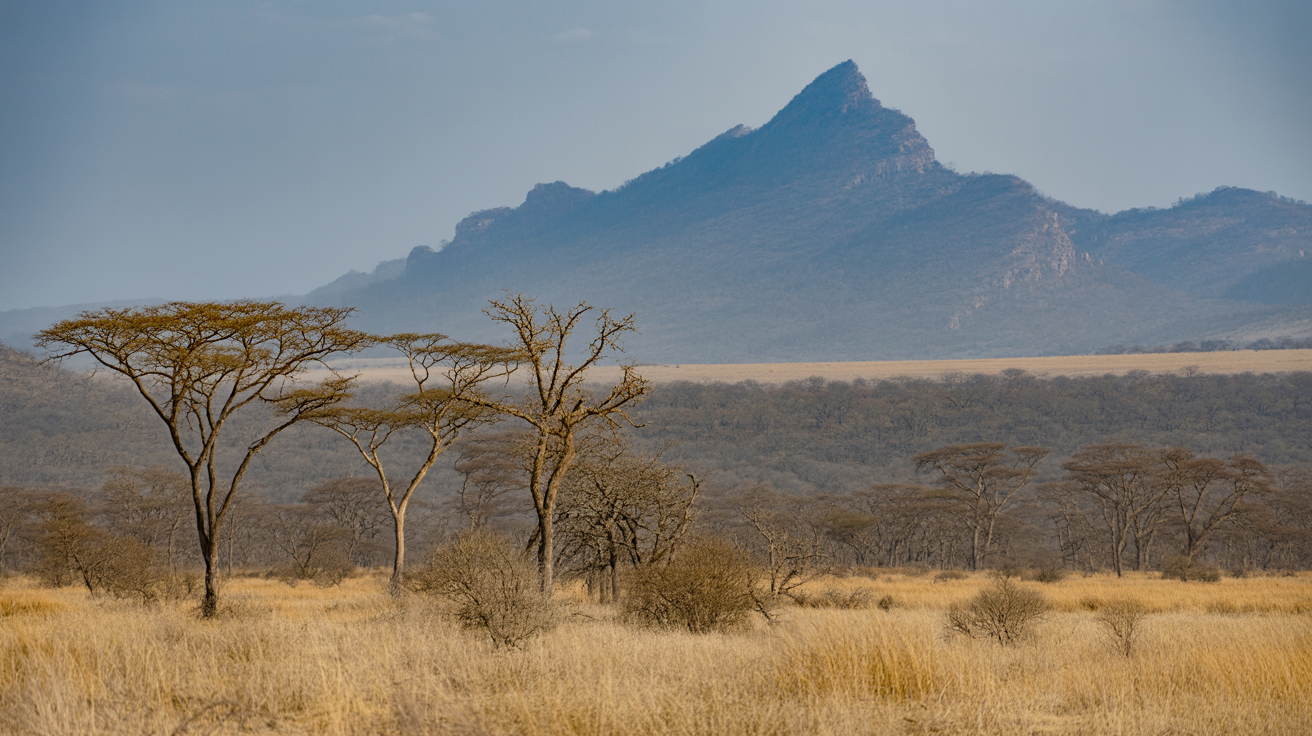
Savanna, forest, and near water bodies
 Africa
Savanna
Grasslands with scattered trees, characterized by seasonal rainfall and home to diverse grazing animals and predators.
 Various Continental Regions
Grassland
Open areas dominated by grasses rather than trees, supporting numerous herbivores and their predators.
 Global
Forest
Wooded areas with significant tree cover and diverse plant and animal communities.
 Global
Freshwater
Lakes, rivers, and wetlands with diverse aquatic ecosystems.
Conservation
The African Rock Python is currently classified as Least Concern on the IUCN Red List.
Threats & challenges
Despite being classified as Least Concern by the IUCN, African Rock Pythons face significant threats from habitat destruction, fragmentation, and degradation due to agricultural expansion, urbanization, and deforestation. They are often killed out of fear or in retaliation for predation on livestock. The species is also subject to illegal hunting for meat, traditional medicine, and the skin trade. In some regions, populations are declining due to overexploitation and loss of suitable habitat. Road mortality and persecution further impact local populations. While the species remains widespread, ongoing monitoring and habitat protection are essential to ensure long-term viability.
Taxonomy
Scientific name
Python sebae
- Kingdom
- Animalia
- Phylum
- Chordata
- Class
- Reptilia
- Order
- Squamata
- Family
- Pythonidae
- Genus
- Python
- Species
- sebae
Where to see an african rock python
4 zoos and aquariums in 2 countries are recorded as keeping this species.
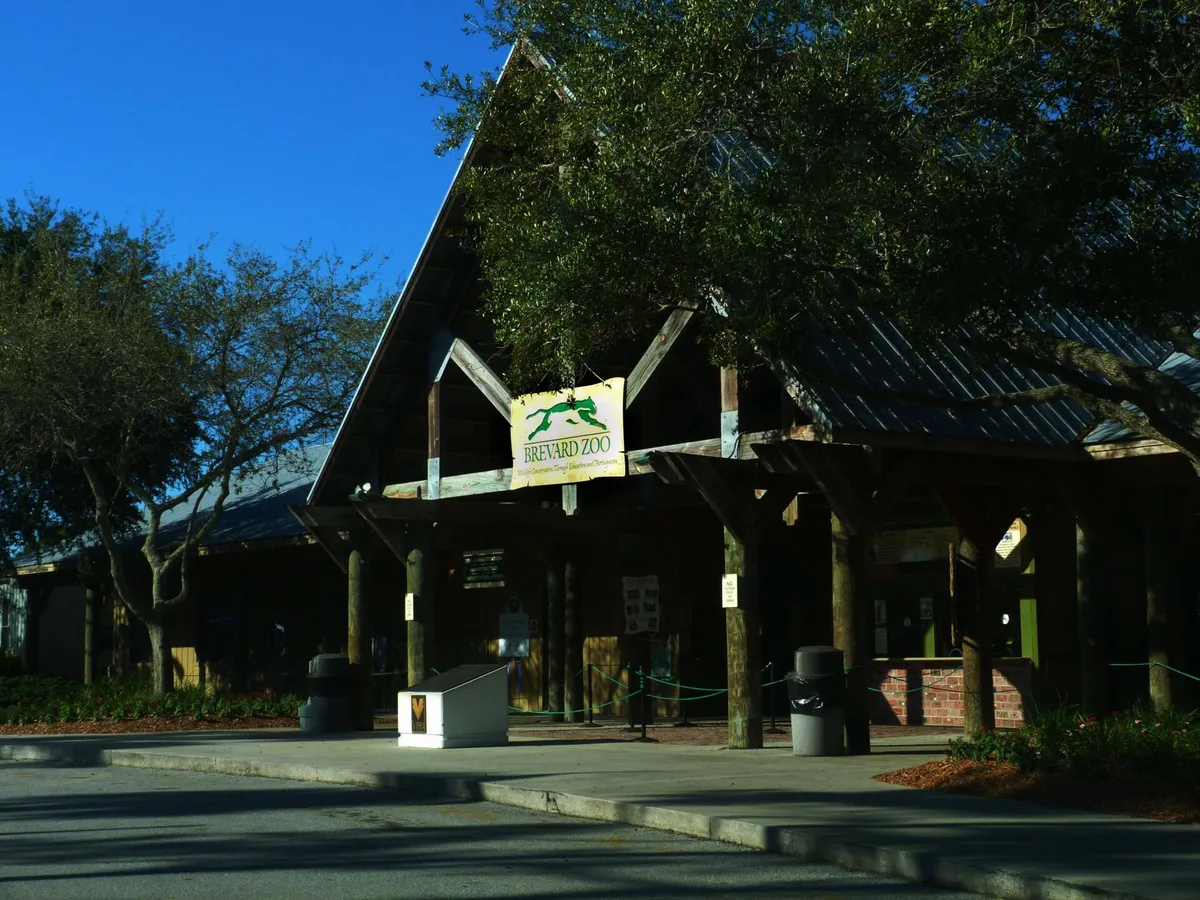 Brevard Zoo🇺🇸 Melbourne, United States
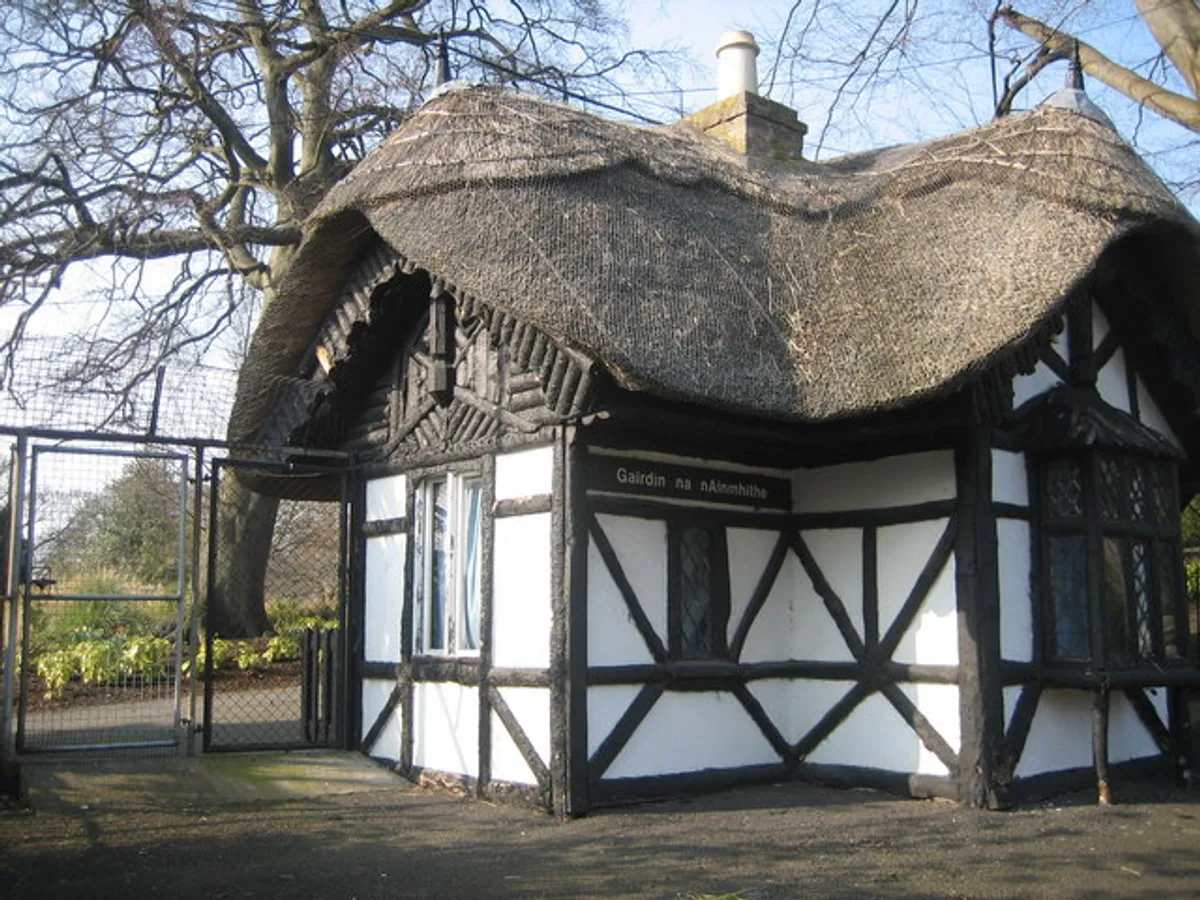 Dublin Zoo🇮🇪 Ireland
- 🦁Jacksonville Zoo and Gardens🇺🇸 Jacksonville, United States
- 🦁Peoria Zoo🇺🇸 United States
Community notes
Share your observations about the African Rock Python.
No community notes yet. Be the first!
Discover more wildlife
More fascinating animals from the encyclopedia.