
About the Aldabra Giant Tortoise
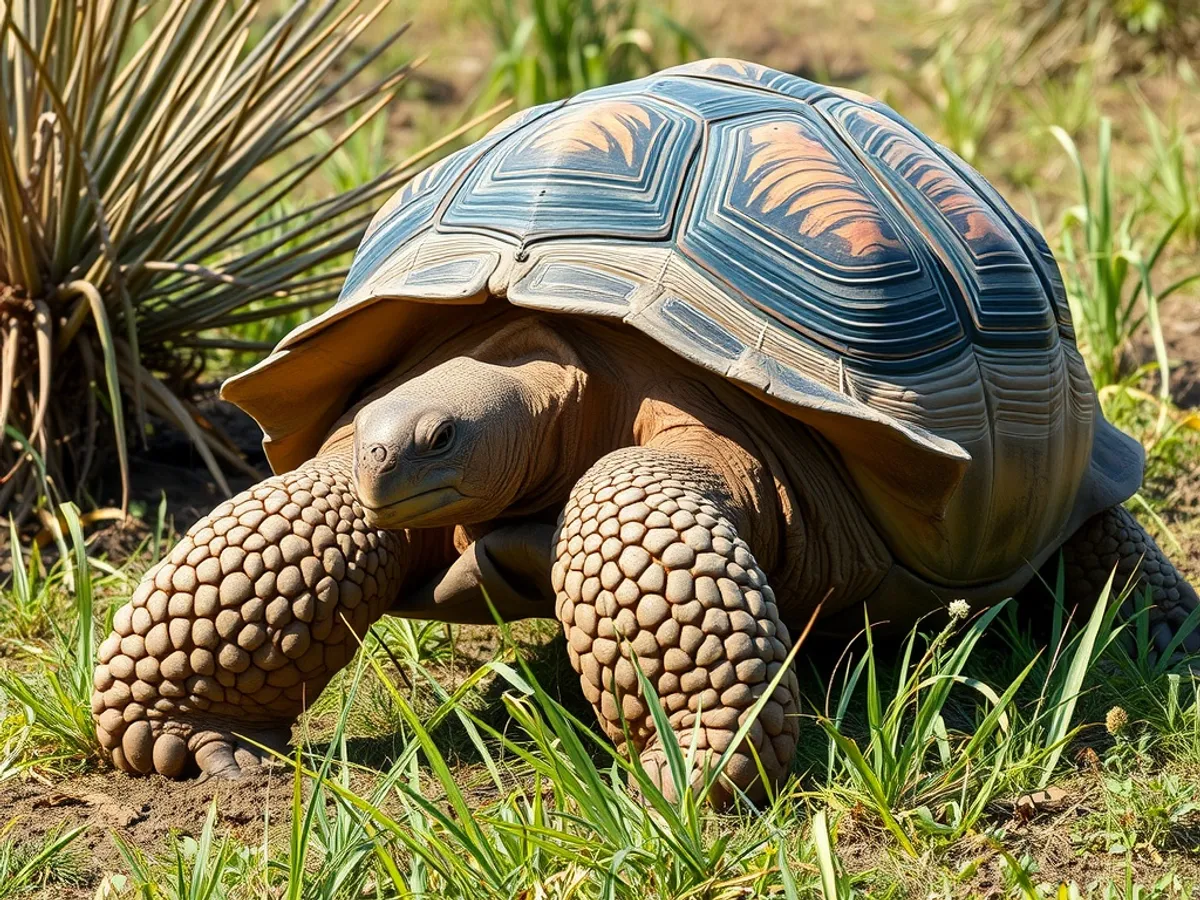
Aldabra Atoll in the Seychelles carries roughly 100,000 giant tortoises — many times the number in all of Galapagos, making it by far the largest population of giant tortoises on Earth, and one of the last places where a reptile is the dominant grazing herbivore. Their grazing has produced "tortoise turf": a dwarfed, low-growing sward of grasses and herbs that flower at ground level, plants that evolved under constant cropping in the same way that grasses coevolved with mammalian grazers elsewhere. The main killer on Aldabra is not predation but heat. A tortoise has no way to shed heat quickly, and on an atoll with little shade, animals caught out in the open at midday can die of hyperthermia; competition for shade is real and lethal. They will stand on their hind legs to reach higher browse, and populations differ in neck length accordingly. They are also opportunistic and unsentimental feeders, gnawing bones and eating carrion for calcium and protein.
Fascinating facts
True Giants
Aldabra Giant Tortoises can reach lengths of over 1.2 meters (almost 4 feet) and weigh up to 250 kg (550 lbs), making them one of the largest tortoise species alive.
Ecosystem Engineers
By grazing and trampling vegetation, these tortoises help shape the landscape of the Aldabra Atoll and disperse seeds, aiding plant regeneration.
Ancient Survivors
Fossil records indicate giant tortoises once existed on many Indian Ocean islands, but the Aldabra Giant Tortoise is the only survivor after human arrival led to the extinction of others.
Detailed description
The Aldabra Giant Tortoise (Aldabrachelys gigantea) is among the largest extant tortoise species, with males reaching up to 120 cm in carapace length and weighing over 250 kg, while females are generally smaller. Its shell is high-domed and dark gray to black, providing protection and support for its massive body. The limbs are thick, sturdy, and covered in scales, adapted for supporting significant weight and traversing rough terrain. The head is relatively small with a hooked upper jaw, suited for cropping vegetation. Aldabra Giant Tortoises are ectothermic, relying on external heat sources to regulate their body temperature, and are often seen basking in the sun. They possess a slow metabolism, contributing to their remarkable longevity, with many individuals living over 100 years and some exceeding 150. Their digestive system is highly efficient at extracting nutrients from fibrous plant material, and they can survive long periods without food or water by storing fat and water in their bodies. The species exhibits sexual dimorphism, with males having longer tails and concave plastrons. Their slow gait and deliberate movements are adaptations to their insular environment, where predation pressure is low.
Did you know?
The Aldabra Giant Tortoise is one of only two giant tortoise species remaining in the world, the other being the Galápagos tortoise.
Research & sources
Wikipedia summary
The Aldabra giant tortoise is a species of tortoise in the family Testudinidae and genus Aldabrachelys. The species is endemic to the Seychelles, with the nominate subspecies, A. g. gigantea native to Aldabra atoll. It is one of the largest tortoises in the world. Historically, giant tortoises were found on many of the western Indian Ocean islands, as well as Madagascar, and the fossil record indicates giant tortoises once occurred on every continent and many islands with the exception of Australia and Antarctica.
Behaviour & social structure
Aldabra Giant Tortoises are primarily diurnal, becoming most active during the cooler parts of the day—early morning and late afternoon. They spend much of their time grazing on grasses, leaves, woody plants, and occasionally fruits. Feeding is a slow process, and individuals may travel considerable distances in search of food. Socially, they are generally solitary but may congregate in areas with abundant resources or during the breeding season. Hierarchical interactions are observed, especially among males, who may engage in dominance displays such as neck extension and shell ramming. Resting and thermoregulation are important daily activities; tortoises seek shade or dig shallow depressions to avoid midday heat. They are known to wallow in mud to cool down and deter parasites. Communication is primarily through body language and occasional vocalizations, especially during courtship or aggressive encounters.
Reproduction & life cycle
Breeding in Aldabra Giant Tortoises typically occurs during the rainy season, from February to May. Males court females with head bobbing, nipping, and deep vocalizations. Copulation can be prolonged, sometimes lasting several hours. Females lay clutches of 9 to 25 eggs in shallow nests dug in sandy soil, usually between June and September. Incubation is temperature-dependent and lasts 90 to 120 days, with warmer temperatures producing more females. Hatchlings are vulnerable to predation and environmental hazards, and there is no parental care after egg-laying. Juveniles grow slowly and reach sexual maturity at 20 to 30 years of age. Reproductive success is influenced by environmental factors, including rainfall and food availability.
Adaptations & survival
Aldabra Giant Tortoises have evolved several adaptations for survival in their harsh island environment. Their domed shells and strong limbs protect them from injury and allow them to traverse rocky or uneven terrain. The ability to store water and fat enables them to survive droughts and periods of food scarcity. Their slow metabolism reduces energy requirements and supports longevity. Behavioral adaptations include basking for thermoregulation and burrowing or seeking shade to avoid overheating. Their herbivorous diet is supported by a robust digestive tract capable of breaking down tough plant fibers. The species' tolerance for high salinity allows them to consume coastal vegetation and drink brackish water when necessary.
Cultural significance
The Aldabra Giant Tortoise holds significant cultural and symbolic value in the Seychelles and other Indian Ocean islands. It is a national icon, featured in local folklore, stamps, and tourism campaigns. Historically, giant tortoises were harvested by sailors and settlers for meat and oil, but today they are celebrated as symbols of longevity, resilience, and conservation success. Educational programs and captive populations in botanical gardens and zoos worldwide help raise awareness about their ecological importance and the need for habitat preservation.
Recent research
Recent research has focused on the Aldabra Giant Tortoise's role as an ecosystem engineer, demonstrating that their grazing and seed dispersal activities shape plant communities and promote biodiversity. Genetic studies have clarified the species' evolutionary relationships and highlighted the need for careful management of captive and reintroduced populations to maintain genetic diversity. Ongoing monitoring on Aldabra Atoll uses GPS tracking and remote sensing to study movement patterns, habitat use, and responses to environmental changes. Studies of their microbiome and physiology are providing insights into their exceptional longevity and disease resistance. Conservation translocations to other islands are being evaluated as a strategy for restoring lost ecological functions.
Videos
Habitat
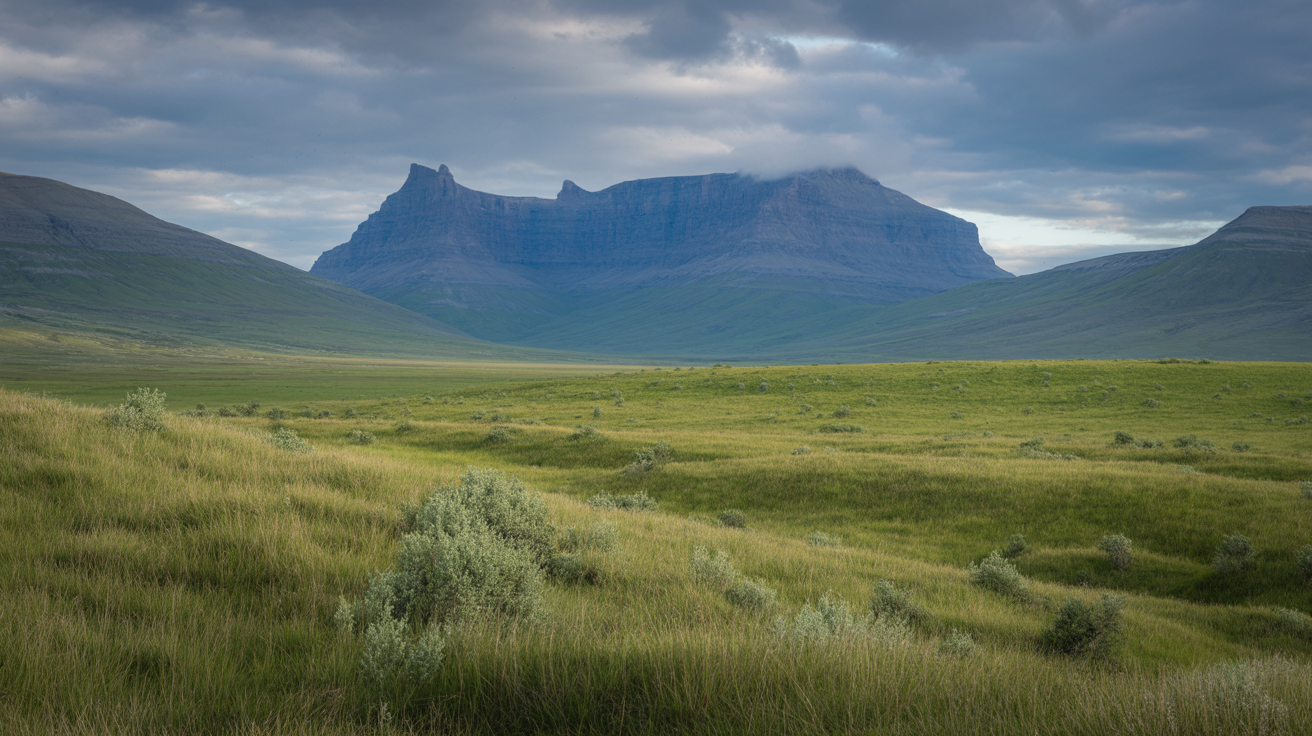
Tropical island grasslands and scrublands

Conservation
The Aldabra Giant Tortoise is currently classified as Vulnerable on the IUCN Red List.
Threats & challenges
The primary threats to Aldabra Giant Tortoises include habitat degradation, invasive species (such as rats, cats, and pigs that prey on eggs and hatchlings), and potential impacts from climate change, such as rising sea levels and altered rainfall patterns. Although the main population on Aldabra Atoll is stable and protected, small introduced populations elsewhere are vulnerable to human disturbance and habitat loss. Historically, overexploitation for food and the pet trade decimated giant tortoise populations across the Indian Ocean. Today, strict conservation measures, including habitat protection and regulated ecotourism, are in place. The species is listed as Vulnerable by the IUCN and is included in CITES Appendix II, reflecting ongoing concerns about its long-term survival.
Taxonomy
Scientific name
Aldabrachelys gigantea
- Kingdom
- Animalia
- Phylum
- Chordata
- Class
- Reptilia
- Order
- Testudines
- Family
- Testudinidae
- Genus
- Aldabrachelys
- Species
- gigantea
Where to see an aldabra giant tortoise
18 zoos and aquariums in 3 countries are recorded as keeping this species.
 Zoo Dresden🇩🇪 Dresden, Germany
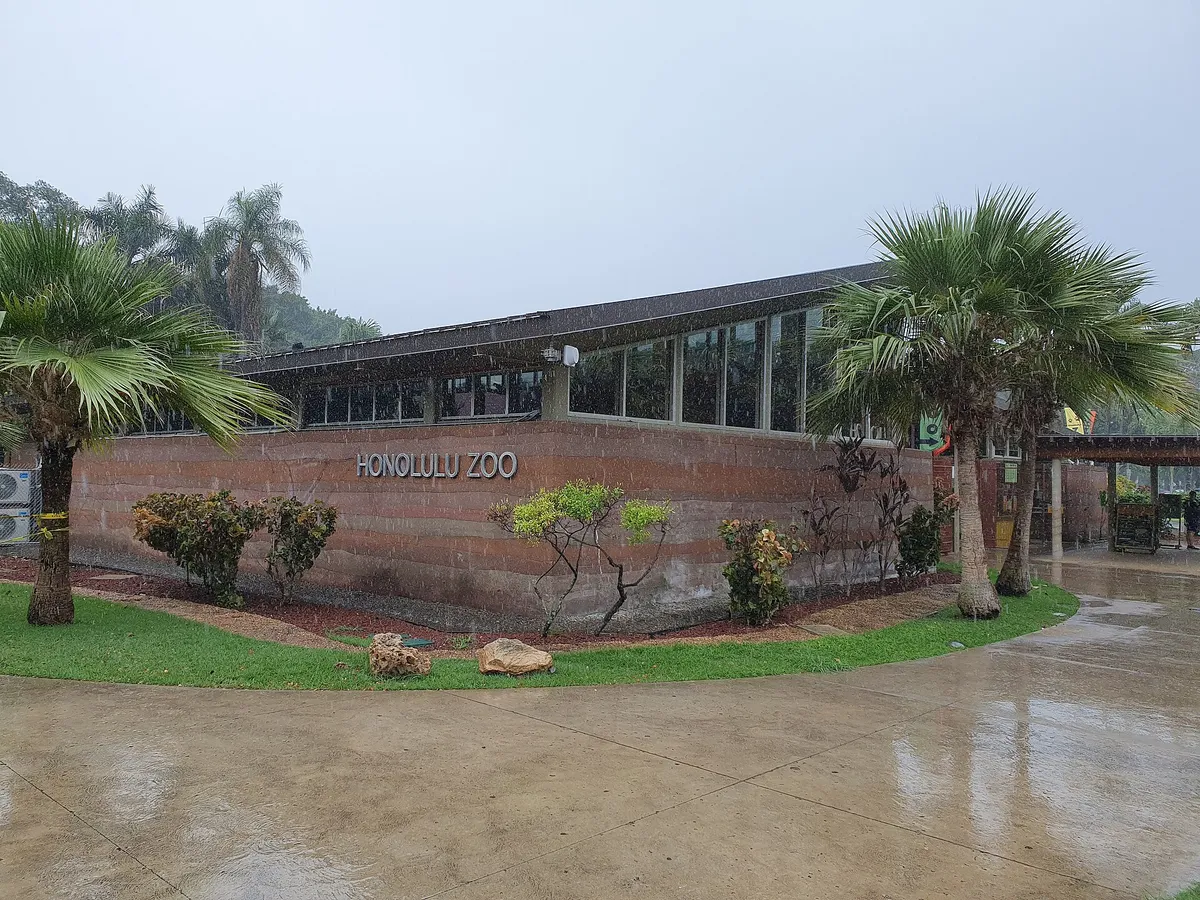 Honolulu Zoo🇺🇸 Honolulu, United States
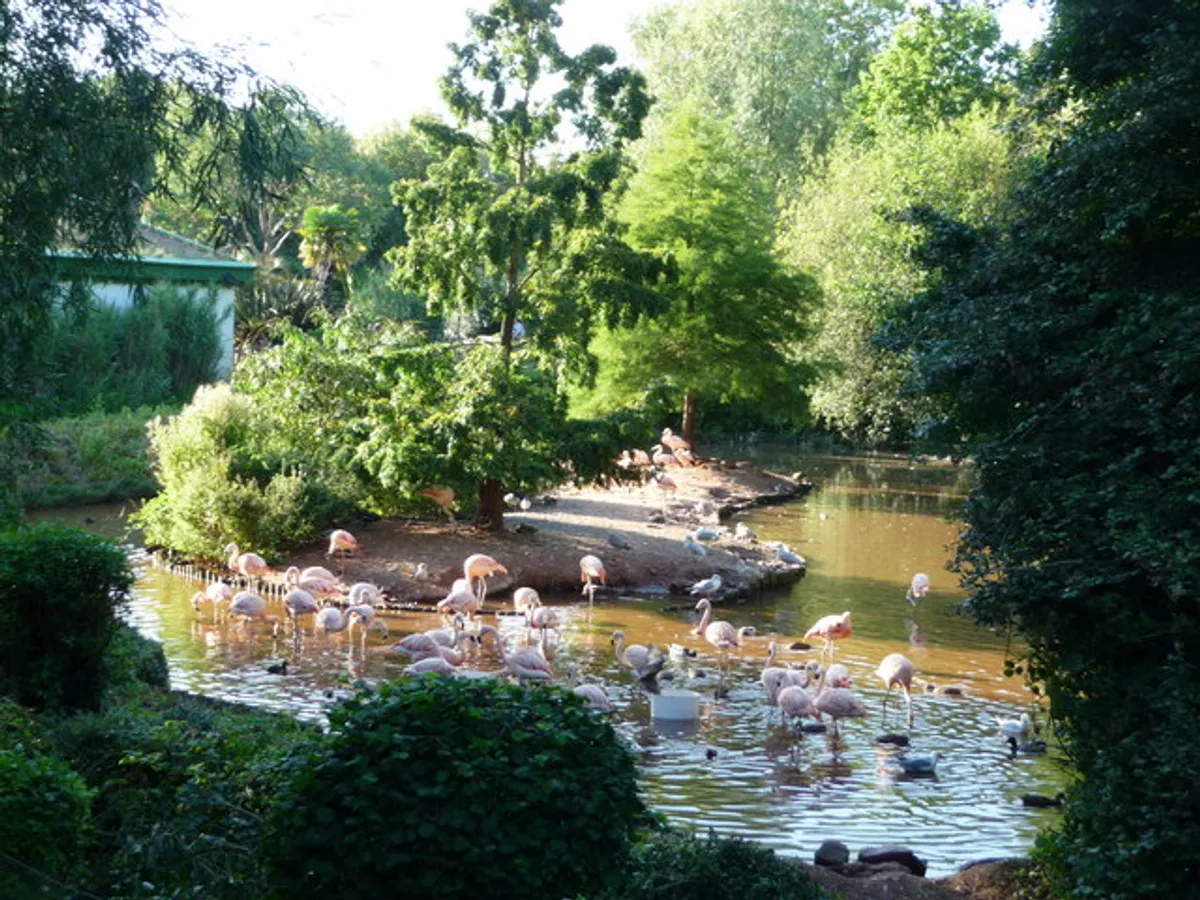 Paignton Zoo🇬🇧 Paignton, United Kingdom
- 🦁Charles Paddock Zoo🇺🇸 Atascadero, United States
- 🦁Greenville Zoo🇺🇸 Greenville, United States
Community notes
Share your observations about the Aldabra Giant Tortoise.
No community notes yet. Be the first!
Discover more wildlife
More fascinating animals from the encyclopedia.