
About the Baron's Mantella
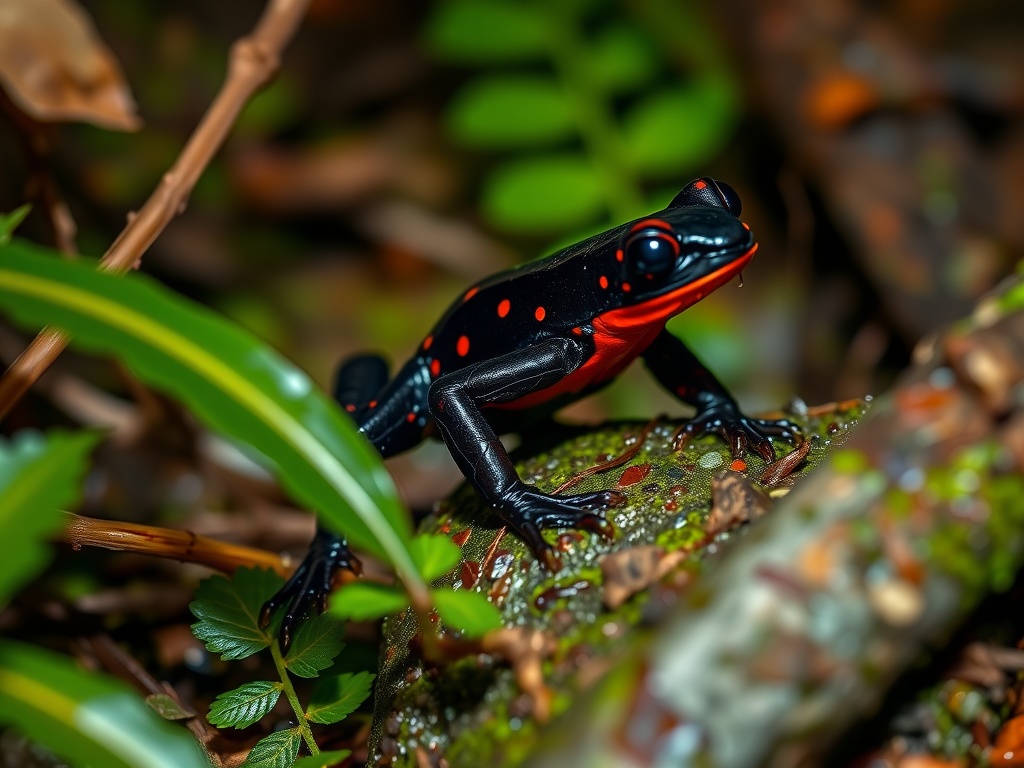
Baron's Mantella is a strikingly colored frog species endemic to Madagascar, known for its vivid green, yellow, and black patterning that serves as a warning to predators. It is a small terrestrial amphibian, typically found in moist lowland and montane forests near streams and swampy areas. The species is diurnal and often seen active during the day, foraging on the forest floor for small invertebrates. Like other mantellas, it is renowned for its skin toxins, which are acquired from its diet and serve as chemical defense.
Fascinating facts
Brilliant Colors
Baron's Mantella displays vibrant green, yellow, and black patterns, which warn predators of its toxic skin.
Diet and Toxicity
Its skin toxins are derived from its diet of ants, mites, and other small invertebrates found in Madagascar's forests.
Unique Calls
During the breeding season, males emit high-pitched, rapid calls to attract females and defend their territories.
Detailed description
Baron's Mantella (Mantella baroni) is a small, vividly colored frog endemic to the eastern rainforests of Madagascar. Adults typically measure 24–28 mm in snout-vent length, with females generally larger than males. Their striking aposematic coloration consists of a bright green dorsum, black lateral bands, and yellow or orange markings on the limbs and flanks, serving as a warning to potential predators of their toxicity. The skin is smooth, and the body is robust with relatively short limbs adapted for terrestrial locomotion. Eyes are large and positioned laterally, providing a wide field of vision for detecting prey and threats. Unlike many frogs, Baron's Mantella lacks webbing between the toes, reflecting its primarily terrestrial lifestyle. The species is diurnal, with peak activity during the humid daylight hours, often seen foraging on the forest floor amidst leaf litter. Mantella baroni is known for its complex vocalizations, used by males to establish territories and attract mates. The species relies on moist microhabitats near streams and swamps, which are critical for its reproductive cycle and larval development.
Did you know?
Despite its toxicity, Baron's Mantella is threatened primarily by habitat loss and collection for the pet trade, not by natural predators.
Research & sources
Wikipedia summary
Mantella baroni is a species of small poisonous frog in the family Mantellidae.
Behaviour & social structure
Baron's Mantella is a highly active, diurnal species, spending most of its time foraging for small invertebrates such as ants, termites, mites, and small beetles. It employs a sit-and-wait hunting strategy, using its keen eyesight to detect movement before lunging at prey with a rapid flick of its tongue. Social interactions are most pronounced during the breeding season, when males establish and defend small territories through vocalizations and occasional physical displays. Outside of the breeding period, individuals are generally solitary, although they may aggregate in areas with abundant food or optimal humidity. The species is known for its agility and ability to quickly retreat into dense leaf litter or under logs when threatened. Daily routines include basking in filtered sunlight to regulate body temperature and seeking shelter during periods of excessive dryness or disturbance.
Reproduction & life cycle
Reproduction in Mantella baroni is closely tied to the rainy season, typically from November to March. Males call from concealed positions near slow-moving streams or swampy depressions to attract females. Courtship involves a series of soft, pulsed calls and tactile interactions. Females lay clutches of 20–60 eggs in moist terrestrial sites, often under leaf litter or moss near water. After oviposition, there is no direct parental care; however, the proximity to water ensures that upon hatching, the tadpoles can easily reach aquatic habitats. Larval development is rapid, with metamorphosis occurring within 45–60 days, depending on environmental conditions. Tadpoles are detritivorous, feeding on organic matter and algae until they undergo metamorphosis into miniature versions of the adults.
Adaptations & survival
Mantella baroni exhibits several notable adaptations for survival in its rainforest environment. Its aposematic coloration is a classic example of Müllerian mimicry, deterring predators by signaling toxicity. The skin contains alkaloid toxins, which are sequestered from dietary sources, primarily certain ants and mites. These toxins provide effective chemical defense against vertebrate and invertebrate predators. The species' small size and cryptic behavior allow it to exploit microhabitats within dense leaf litter, reducing predation risk and desiccation. Its reproductive strategy, involving terrestrial egg deposition near water, minimizes egg predation and ensures rapid larval access to aquatic environments. Vocal communication is highly developed, facilitating mate attraction and territory defense in visually complex habitats.
Cultural significance
While Mantella baroni does not hold significant roles in Malagasy folklore or traditional medicine, its vivid coloration and unique ecology have made it a flagship species for conservation and environmental education in Madagascar. The species is popular among herpetologists and amphibian enthusiasts worldwide, contributing to ecotourism and awareness of Madagascar's unique biodiversity. Its presence in the international pet trade has also raised awareness of the need for sustainable collection and habitat protection.
Recent research
Recent research on Mantella baroni has focused on the chemical ecology of its skin toxins, with studies identifying over 40 different alkaloid compounds, some unique to the genus Mantella. Ongoing genetic studies are examining population structure and gene flow among fragmented habitats, providing insights into the effects of habitat fragmentation. Bioacoustic research has documented the species' complex vocal repertoire, contributing to understanding of communication and mate selection in mantellid frogs. Conservation studies are monitoring population trends and the effectiveness of protected areas, while captive breeding programs are refining husbandry protocols to support ex situ conservation.
Videos
Habitat
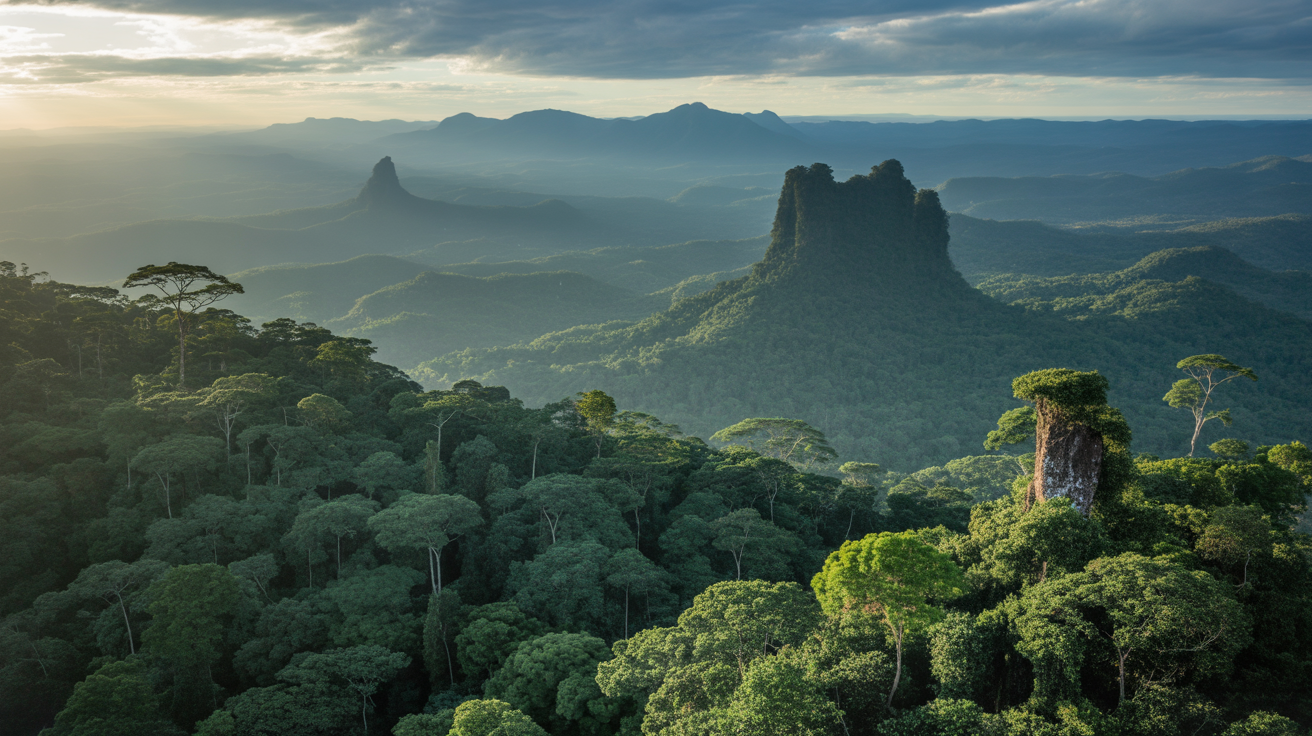
Tropical rainforest and moist lowland forests near streams
 Tropical Regions
Rainforest
Dense, wet forests with the highest biodiversity on Earth, containing more than half of the world's plant and animal species.
 Global
Forest
Wooded areas with significant tree cover and diverse plant and animal communities.
 Global
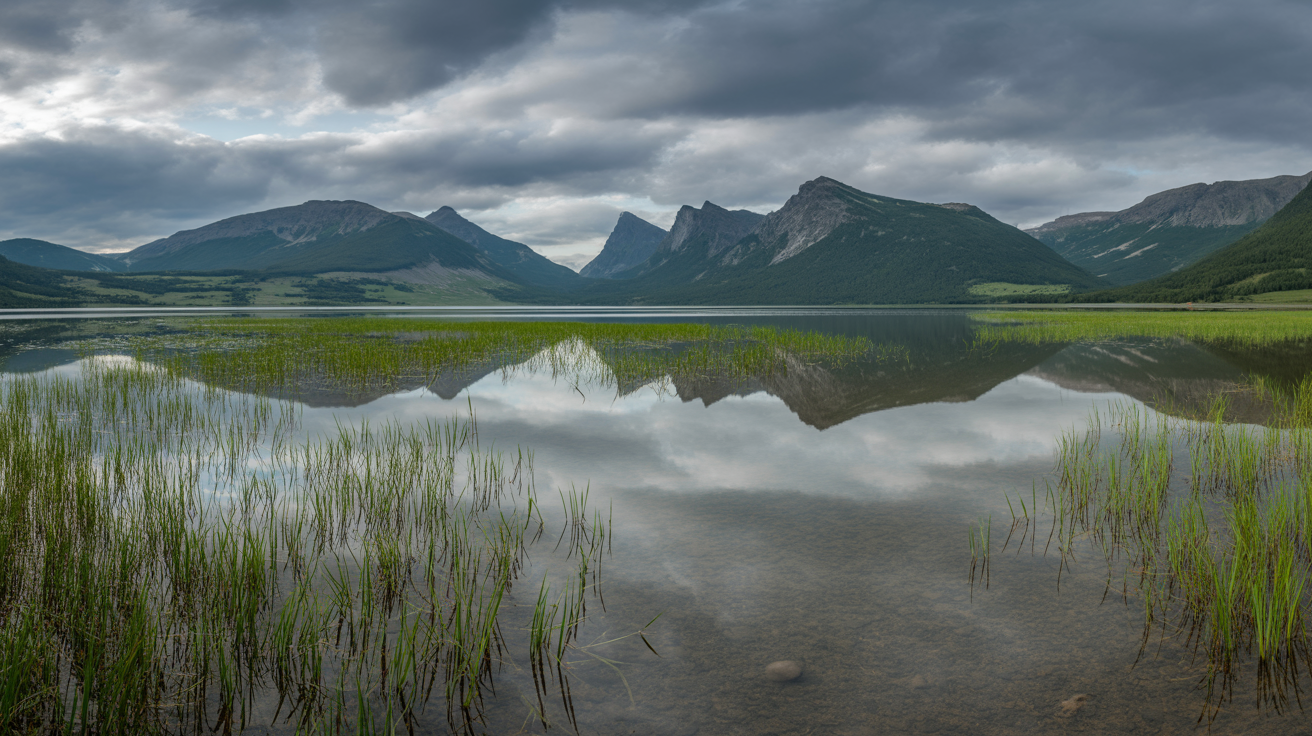
Freshwater
Lakes, rivers, and wetlands with diverse aquatic ecosystems.
Conservation
The Baron's Mantella is currently classified as Least Concern on the IUCN Red List.
Threats & challenges
Although currently classified as Least Concern by the IUCN, Baron's Mantella faces several localized threats. Habitat loss due to slash-and-burn agriculture, logging, and expansion of human settlements is the primary challenge, leading to fragmentation of suitable forest habitats. Collection for the international pet trade has historically impacted some populations, although regulation and captive breeding programs have reduced this pressure. Pollution and alteration of stream habitats can negatively affect larval development. Climate change, with its associated shifts in rainfall patterns, poses an emerging threat by altering the availability of suitable breeding sites. Despite these challenges, the species remains widespread and locally abundant in protected areas such as Ranomafana National Park.
Taxonomy
Scientific name
Mantella baroni
- Kingdom
- Animalia
- Phylum
- Chordata
- Class
- Amphibia
- Order
- Anura
- Family
- Mantellidae
- Genus
- Mantella
- Species
- baroni
Community notes
Share your observations about the Baron's Mantella.
No community notes yet. Be the first!
Discover more wildlife
More fascinating animals from the encyclopedia.