
About the Black-headed Python
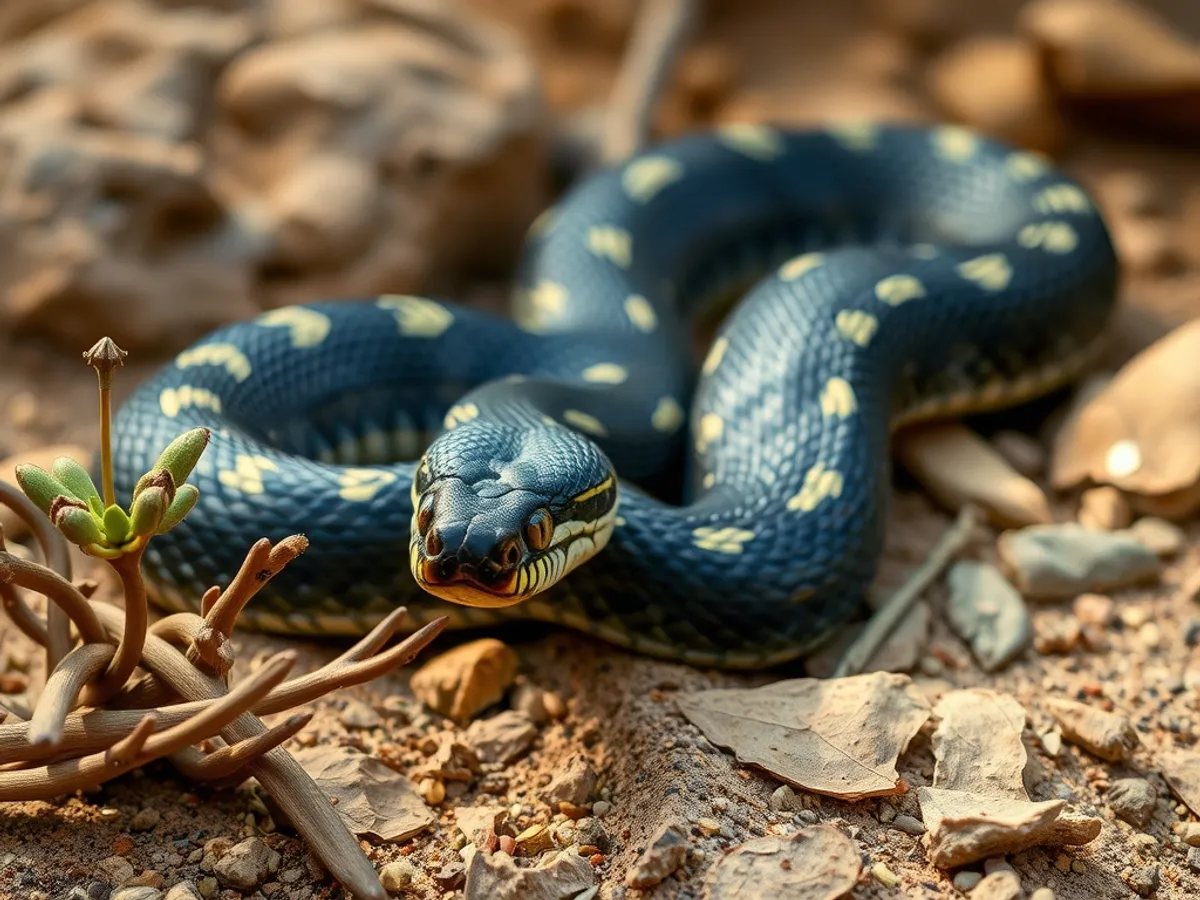
The Black-headed Python is a non-venomous snake native to northern Australia, known for its striking glossy black head contrasting with its tan to yellowish body, which is banded with dark brown or black stripes. It is a terrestrial species that inhabits arid and semi-arid environments, often sheltering under rocks, in burrows, or in loose soil during the heat of the day. This python is a powerful constrictor and is notable for its unusual diet, which includes other reptiles such as snakes and lizards. Generally shy and non-aggressive, the Black-headed Python plays a key role in controlling reptile populations in its ecosystem.
Fascinating facts
Distinctive Black Head
The black coloration on its head helps the snake absorb heat rapidly, allowing it to warm up quickly for hunting or digestion.
Reptile Specialist
Unlike many other snakes, the Black-headed Python primarily preys on reptiles such as lizards and even other snakes.
Adapted to Arid Life
This python thrives in Australia's arid and semi-arid regions, often taking shelter in burrows to escape extreme temperatures.
Detailed description
The Black-headed Python (Aspidites melanocephalus) is a robust, medium-to-large python species, typically reaching adult lengths of 1.5 to 2.5 meters, with some individuals exceeding 3 meters. Its most distinctive feature is the glossy, jet-black head and neck, which sharply contrasts with the rest of the body, colored in shades of cream, yellow, or pale brown, overlaid with irregular dark brown to black crossbands. The scales are smooth and highly polished, contributing to its shiny appearance. The head is slightly flattened and not distinct from the neck, with small eyes and heat-sensing pits absent—unusual among pythons. The body is muscular and cylindrical, adapted for powerful constriction. Black-headed Pythons are primarily terrestrial but are capable burrowers, often utilizing abandoned mammal burrows or creating their own shelters in loose soil. They are solitary and secretive, spending much of the day hidden to avoid extreme temperatures, becoming active at dusk and during the night. Their diet is unique among Australian pythons, with a strong preference for other reptiles, including venomous snakes, large lizards (such as monitors), and occasionally small mammals and birds. Reproduction is oviparous, with females laying clutches of 5–20 eggs and exhibiting maternal care by coiling around the eggs to regulate temperature until hatching. This species is well-adapted to the arid and semi-arid habitats of northern Australia, displaying remarkable tolerance to heat and drought.
Did you know?
The Black-headed Python can consume prey nearly as large as itself, thanks to its highly flexible jaws and strong muscles.
Research & sources
Wikipedia summary
The black-headed python is a species of snake in the family Pythonidae. The species is endemic to Australia. There are no subspecies that are recognized as being valid.
Behaviour & social structure
Black-headed Pythons are primarily nocturnal or crepuscular, emerging at dusk or after dark to hunt. They are ambush predators, relying on stealth and patience, but will also actively forage, especially for burrowing prey. Their feeding strategy involves constriction, and they are notable for their ability to subdue large and potentially dangerous prey, such as venomous snakes, without harm. They are generally non-aggressive towards humans and will usually attempt to flee or remain motionless when threatened. Social interactions are limited, as adults are solitary except during the breeding season. During the day, they seek refuge under rocks, in termite mounds, or within burrows to avoid the intense heat. Seasonal activity peaks in the wet season when prey is more abundant. Black-headed Pythons are known to bask with only their dark head exposed, possibly to absorb heat rapidly while minimizing water loss.
Reproduction & life cycle
Breeding occurs during the late dry season to early wet season (typically July to September). Males may engage in combat for access to females, intertwining and attempting to pin each other. After mating, females lay eggs (usually 5–20 per clutch) in secluded, warm locations such as burrows or under debris. Incubation lasts approximately 50–65 days, depending on temperature. Females exhibit maternal care by coiling around the eggs, shivering to generate heat and maintain optimal incubation temperatures (around 30–32°C). Hatchlings emerge fully independent, measuring 40–50 cm in length, and receive no further parental care. Sexual maturity is typically reached at 3–5 years of age.
Adaptations & survival
The black, heat-absorbing head is a unique adaptation, allowing the python to warm up rapidly at sunrise or after emerging from shelter, which is critical for digestion and activity in cooler mornings. The absence of labial heat-sensing pits, unlike many other pythons, reflects its specialization for hunting ectothermic (cold-blooded) prey rather than endothermic mammals or birds. Its smooth, glossy scales reduce water loss and facilitate movement through tight spaces underground. The species' strong burrowing ability allows it to escape extreme surface temperatures and predators. Its powerful musculature and flexible jaws enable it to consume large, bulky prey, including other snakes.
Cultural significance
The Black-headed Python holds a place in Indigenous Australian culture, sometimes featured in local Dreamtime stories and regarded with respect due to its striking appearance and role in controlling populations of venomous snakes. It is not commonly used in traditional medicine or as a food source. In modern times, it is popular in the reptile pet trade due to its distinctive appearance and generally docile temperament, though wild collection is restricted to protect native populations.
Recent research
Recent research has focused on the species' thermal biology, particularly the function of the black head in thermoregulation, and its dietary specialization on reptiles. Studies have also examined its genetic diversity across its range, revealing low genetic differentiation and supporting the absence of recognized subspecies. Ongoing ecological studies are investigating its role in controlling populations of invasive cane toads (Rhinella marina), as Black-headed Pythons appear less susceptible to toad toxins than other native predators. There is also interest in their resistance to the venom of prey snakes, though the exact mechanisms remain under study.
Sources
Snake Species of the World: A Taxonomic and Geographic Reference, Vol. 1
McDiarmid RW, Campbell JA, Touré TA (1999)
scientificAspidites melanocephalus. The IUCN Red List of Threatened Species 2017
Shea G, Ellis R, Wilson S
conservationVideos
Habitat
Arid and semi-arid woodlands, scrublands, and rocky outcrops
 Arid Regions
Desert
Arid lands with minimal rainfall, extreme temperatures, and specialized wildlife adapted to harsh conditions.
 Various Continental Regions
Grassland
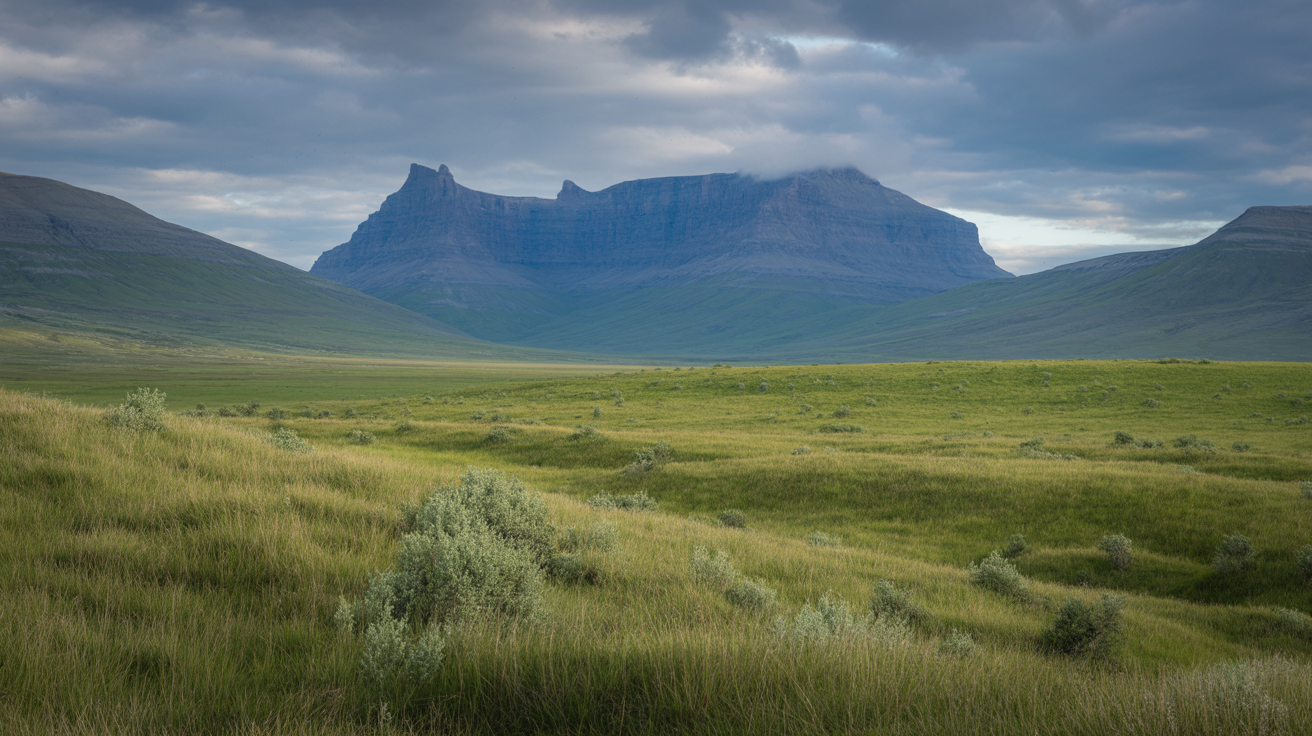
Open areas dominated by grasses rather than trees, supporting numerous herbivores and their predators.
 Global
Forest
Wooded areas with significant tree cover and diverse plant and animal communities.
Conservation
The Black-headed Python is currently classified as Least Concern on the IUCN Red List.
Threats & challenges
Currently classified as Least Concern by the IUCN, the Black-headed Python has a wide distribution and stable population. However, localized threats include habitat degradation due to agriculture, mining, and urban development, as well as road mortality. Illegal collection for the pet trade has occurred but is regulated in Australia. Predation by introduced species such as feral cats and foxes may impact juveniles. Climate change poses a potential long-term threat by altering habitat suitability and prey availability, but the species' adaptability has so far mitigated major declines.
Taxonomy
Scientific name
Aspidites melanocephalus
- Kingdom
- Animalia
- Phylum
- Chordata
- Class
- Reptilia
- Order
- Squamata
- Family
- Pythonidae
- Genus
- Aspidites
- Species
- melanocephalus
Where to see a black-headed python
1 zoo and aquarium in 1 country are recorded as keeping this species.

Community notes
Share your observations about the Black-headed Python.
No community notes yet. Be the first!
Discover more wildlife
More fascinating animals from the encyclopedia.