
About the Black Mamba
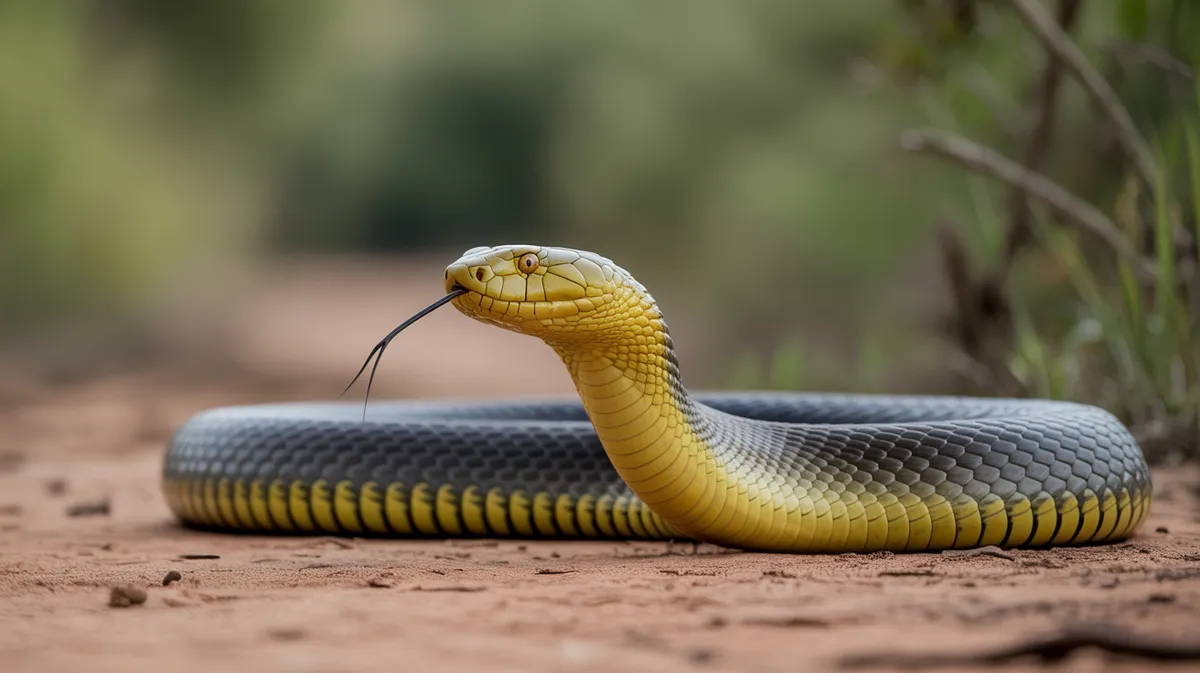
The black mamba is not black. It is olive, grey or gunmetal brown, and its name comes from the inside of its mouth, which it gapes open in a threat display to show a black, coffin-like interior. It is the fastest snake on record — measured at around 4 to 5 metres per second, roughly 11 to 12 mph — but the speed is used to escape, not to chase; a mamba's default is to flee to its lair, and bites overwhelmingly happen when it is cornered or trodden on. Its venom is a dendrotoxin-rich neurotoxic cocktail that shuts down neuromuscular transmission, and before antivenom an untreated bite was close to universally fatal, sometimes within hours; with prompt antivenom, survival is the norm. It is a shy, territorial homebody that returns to the same termite mound or hollow trunk day after day. It hunts by sight and speed in daylight, taking birds, hyraxes and rodents, and unlike a constrictor it strikes, releases and follows the dying prey.
Fascinating facts
Fastest Snake
The Black Mamba is the fastest land snake in the world, capable of moving at speeds up to 20 km/h (12 mph) when threatened.
Highly Venomous
Its venom is among the most potent in the snake world, with neurotoxins that can cause death within hours if untreated.
Arboreal and Terrestrial
Black Mambas are both ground-dwelling and skilled climbers, often hunting birds and small mammals both on the ground and in trees.
Detailed description
The Black Mamba (Dendroaspis polylepis) is a large, slender, and highly agile elapid snake, recognized as one of the fastest and most venomous snakes in the world. Adults typically measure between 2.0 and 3.0 meters in length, with exceptional individuals reaching up to 4.5 meters, making it the longest venomous snake in Africa. Its coloration ranges from olive, brownish-grey, to gunmetal, with a lighter underbelly; the iconic 'black' refers to the deep, inky coloration inside its mouth, which is displayed as a threat gesture. The head is elongated and coffin-shaped, with large eyes featuring round pupils and excellent vision. Black Mambas possess smooth dorsal scales and a streamlined body adapted for rapid terrestrial movement, although they are also capable climbers. The species is diurnal, relying on keen eyesight to locate prey, and is known for its remarkable speed, capable of short bursts up to 20 km/h (12 mph). Despite its fearsome reputation, the Black Mamba is generally shy and will retreat if given the opportunity. Its venom is a potent neurotoxic and cardiotoxic mix, capable of causing death in humans within 7–15 hours if untreated. The snake's ecological role includes controlling populations of small mammals and birds, and it is a key predator in its habitat.
Did you know?
A single Black Mamba can deliver enough venom in one bite to kill 10-20 adult humans.
Research & sources
Wikipedia summary
The black mamba is a species of highly venomous snake belonging to the family Elapidae. It is native to parts of sub-Saharan Africa. First formally described by Albert Günther in 1864, it is the second-longest venomous snake after the king cobra; mature specimens generally exceed 2 m and commonly grow to 3 m (9.8 ft). Specimens of 4.3 to 4.5 m have been reported. It varies in colour from grey to dark brown. Juvenile black mambas tend to be more pale in colour than adults, and darken with age. Despite the common name, the black mamba is not black; the colour name describes rather the inside of its mouth, which it displays when feeling threatened.
Behaviour & social structure
Black Mambas are primarily solitary and highly territorial, with individuals occupying overlapping home ranges but rarely interacting outside of breeding season. They are active during daylight hours (diurnal), emerging from shelters such as termite mounds, hollow trees, or rock crevices to bask and hunt. The species employs both ambush and active foraging strategies, preying mainly on small mammals (rodents, hyraxes), birds, and occasionally other reptiles. Prey is subdued with a rapid series of precise strikes, delivering neurotoxic venom that quickly immobilizes the victim. After envenomation, the mamba releases its prey and waits for it to succumb before swallowing it whole. Black Mambas are known for their defensive displays: when threatened, they raise the front third of their body, flatten their neck, gape their mouth to reveal the black interior, and may hiss loudly. If provoked further, they can strike repeatedly with great speed and accuracy. They are not aggressive by nature and usually flee at the first sign of danger.
Reproduction & life cycle
Black Mambas are oviparous, with breeding typically occurring in the spring and early summer (September to February, depending on region). Males engage in ritualized combat for access to females, intertwining their bodies and attempting to pin each other down. After mating, females lay clutches of 6–17 elongated, leathery eggs in warm, humid locations such as decaying vegetation or abandoned burrows. Incubation lasts approximately 80–90 days, after which fully independent hatchlings emerge, measuring 40–60 cm in length. There is no parental care; juveniles are venomous and capable of hunting from birth. Sexual maturity is reached at around 3–4 years of age.
Adaptations & survival
The Black Mamba exhibits several key adaptations for survival in its environment. Its streamlined body and powerful musculature enable rapid movement both on the ground and through trees. Large eyes with well-developed vision facilitate hunting during the day. The potent neurotoxic venom acts rapidly to immobilize prey and deter predators, while the black mouth lining serves as a visual warning. The snake's cryptic coloration provides camouflage in savanna and woodland habitats. Behavioral adaptations include the use of fixed shelters for thermoregulation and protection, and the ability to climb to escape ground-based threats or access arboreal prey. Its metabolism allows for long periods between meals, and it can survive in arid environments by utilizing microhabitats with higher humidity.
Cultural significance
The Black Mamba holds a prominent place in African folklore and is often associated with death, danger, and supernatural powers. Its reputation as a 'killer snake' is both feared and respected, and it features in numerous myths and cautionary tales. In some cultures, the Black Mamba is believed to be an omen or a guardian spirit. While its venom has not been widely used in traditional medicine, modern research is investigating its components for potential pharmaceutical applications, including painkillers and treatments for neurological disorders.
Recent research
Recent scientific studies have focused on the composition and pharmacological effects of Black Mamba venom, leading to the discovery of novel peptides such as mambalgins, which show promise as non-opioid painkillers. Ongoing research addresses the snake's ecological role in controlling pest populations and its adaptability to fragmented habitats. Advances in telemetry and field observation have improved understanding of its movement patterns, home range size, and habitat preferences. Conservation genetics studies are underway to assess population structure and gene flow across its range.
Sources
Dendroaspis polylepis (Black Mamba): Natural History and Venom Composition
Spawls, S., Howell, K., Drewes, R., Ashe, J. (2018)
scientificVideos
Habitat
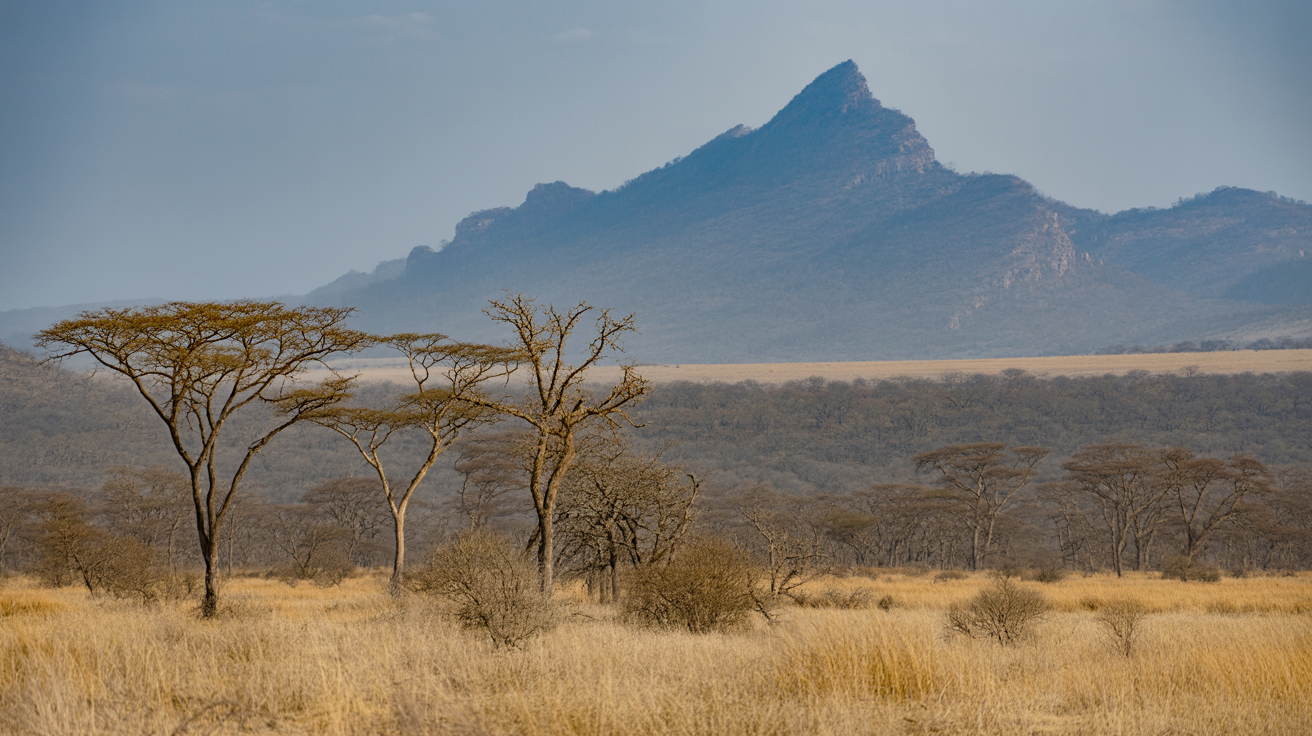
Savanna and woodland
 Africa
Savanna
Grasslands with scattered trees, characterized by seasonal rainfall and home to diverse grazing animals and predators.
 Various Continental Regions
Grassland
Open areas dominated by grasses rather than trees, supporting numerous herbivores and their predators.
 Global
Forest
Wooded areas with significant tree cover and diverse plant and animal communities.
Conservation
The Black Mamba is currently classified as Least Concern on the IUCN Red List.
Threats & challenges
Despite its widespread distribution, the Black Mamba faces localized threats from habitat destruction due to agriculture, urbanization, and deforestation. Persecution by humans, driven by fear and misunderstanding, also contributes to mortality. Road traffic and accidental killings are additional hazards. However, the species is currently listed as Least Concern by the IUCN due to its broad range and presumed large population. Ongoing challenges include the availability of effective antivenom in rural areas and the impact of environmental changes on prey availability. There is little evidence of significant population decline at present.
Taxonomy
Scientific name
Dendroaspis polylepis
- Kingdom
- Animalia
- Phylum
- Chordata
- Class
- Reptilia
- Order
- Squamata
- Family
- Elapidae
- Genus
- Dendroaspis
- Species
- polylepis
Where to see a black mamba
1 zoo and aquarium in 1 country are recorded as keeping this species.
Community notes
Share your observations about the Black Mamba.
No community notes yet. Be the first!
Discover more wildlife
More fascinating animals from the encyclopedia.