
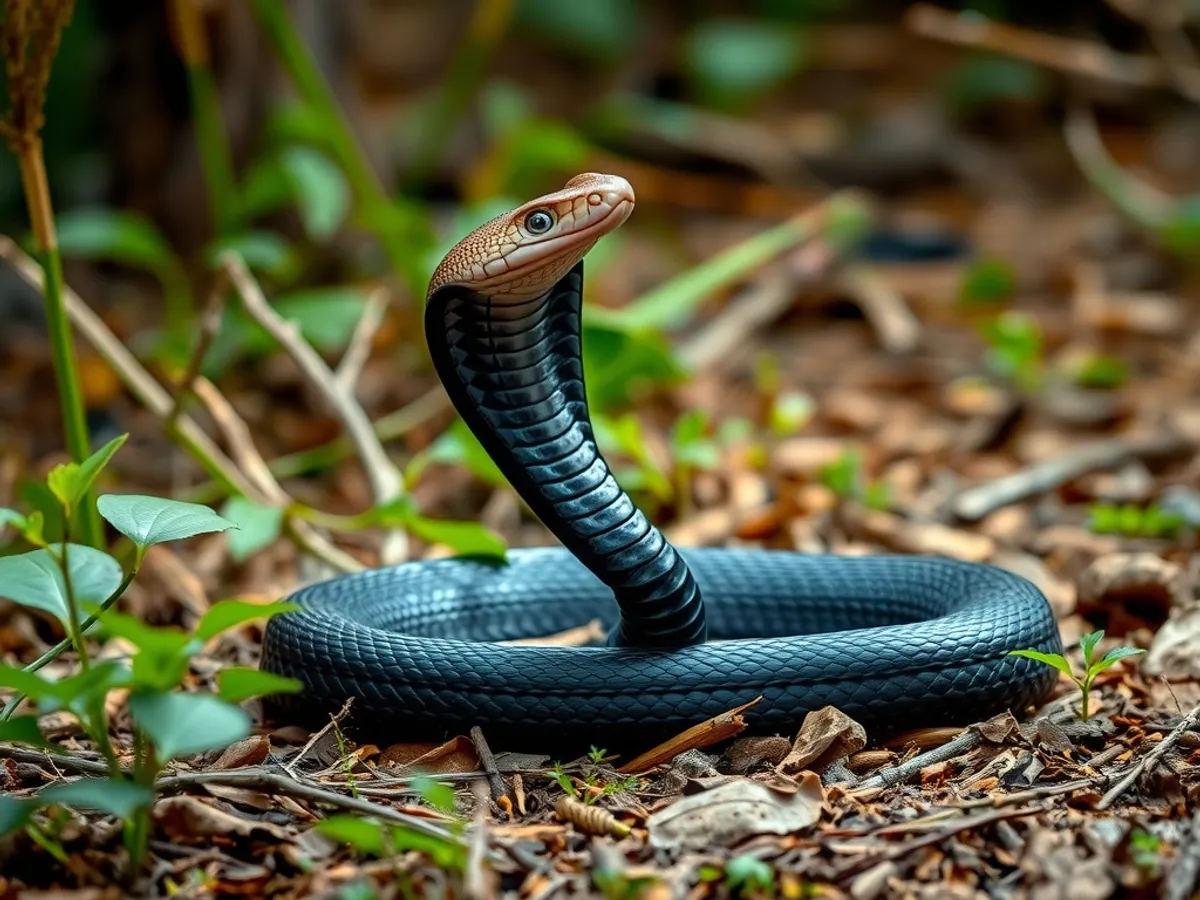
About the Black-necked Spitting Cobra
The spitting cobra does not really spit — it sprays. Its fangs have forward-facing openings near the tip rather than at the bottom, and a sharp contraction of muscle around the venom gland fires venom out of them under pressure, over a couple of metres. It aims, and it aims at the eyes: it tracks a face, anticipates where it will be, and sweeps the spray in a rapid geometric pattern that maximises the chance of hitting an eye rather than relying on a single lucky shot. The venom is largely harmless on intact skin, but in the eye it causes intense pain and can cause permanent blindness if it is not flushed out immediately. Notably, spitting has evolved independently several times in cobras, and each time it appears in the fossil and genetic record around the same period as our own ancestors — a suggestive hint that this is a defence aimed squarely at hominins. It can still bite in the ordinary way when it needs to.
Fascinating facts
Venom Spitting
This cobra can project venom from its fangs, targeting the eyes of attackers to cause temporary or permanent blindness.
Defensive Behavior
When threatened, it raises its hood, spits venom, and may play dead to avoid predation.
Wide Distribution
The species is found across a vast area of Africa, from Senegal and Sudan to Angola and Kenya.
Detailed description
The Black-necked Spitting Cobra (Naja nigricollis) is a medium to large elapid snake, typically measuring 1.2 to 2.2 meters in length, with some individuals exceeding 2.5 meters. Its most distinctive feature is the glossy black coloration on the neck, which sharply contrasts with the paler, often gray, brown, or yellowish body; some regional morphs display entirely black or reddish hues. The head is broad and slightly flattened, with large, round eyes and circular pupils, providing keen vision for both diurnal and nocturnal activity. The body is robust yet agile, allowing for both terrestrial and limited arboreal movement. The species possesses specialized fangs with forward-facing orifices, enabling it to eject venom in a fine spray, a unique adaptation among spitting cobras. Naja nigricollis is primarily solitary, exhibiting secretive behavior and relying on cryptic coloration and threat displays, such as hood spreading and hissing, to deter predators. It is both an active forager and an ambush predator, preying on a variety of vertebrates. Reproduction is oviparous, with females laying clutches of 10–20 eggs in concealed locations. The Black-necked Spitting Cobra is highly adaptable, occupying diverse habitats from savanna grasslands to forest edges and even agricultural areas, demonstrating remarkable ecological plasticity.
Did you know?
Unlike most cobras, the Black-necked Spitting Cobra often prefers to flee rather than stand its ground, using its spitting ability as a last resort.
Research & sources
Behaviour & social structure
Naja nigricollis is predominantly nocturnal but may be active during the day in cooler weather or disturbed habitats. It is a solitary species, coming together only for breeding. When threatened, it displays a characteristic hood, raises the anterior third of its body, and emits a loud hiss. If provoked further, it can accurately spit venom up to 2.5–3 meters, targeting the eyes of aggressors. Hunting is opportunistic; the cobra preys on rodents, birds, amphibians, other reptiles, and occasionally carrion. It uses both active hunting and ambush tactics, relying on chemical cues (Jacobson’s organ) and vision. Feeding is infrequent, with digestion periods lasting several days. The species is generally non-territorial, with overlapping home ranges. During the day, it shelters in burrows, termite mounds, hollow logs, or dense vegetation.
Reproduction & life cycle
Breeding typically occurs at the onset of the rainy season, varying regionally but often between September and January. Males engage in ritualized combat for access to females, intertwining and attempting to subdue rivals. After mating, females lay 10–20 leathery eggs in concealed, humid environments such as abandoned burrows or under debris. Incubation lasts 60–80 days, depending on temperature and humidity. Hatchlings are independent from birth, measuring 20–30 cm and already capable of spitting venom. There is no parental care post-oviposition. Sexual maturity is reached at 2–3 years of age.
Adaptations & survival
Key adaptations include specialized fangs with forward-facing orifices for venom spitting, an effective defense against predators such as birds of prey, mammals, and humans. The venom contains cytotoxins and neurotoxins, causing severe pain and tissue damage, particularly to the eyes. The hood display, achieved by elongating cervical ribs, serves as a visual deterrent. Cryptic coloration aids in camouflage, while the ability to climb allows exploitation of arboreal prey and escape from ground-based threats. The species’ broad diet and tolerance of disturbed habitats contribute to its ecological success.
Cultural significance
The Black-necked Spitting Cobra features in local folklore across sub-Saharan Africa, often symbolizing danger, protection, or transformation. Its venom and body parts are used in some traditional medicines and rituals, believed to confer strength or ward off evil. In rural communities, it is both feared and respected, sometimes regarded as a guardian of crops due to its rodent control. Human-cobra conflict arises from accidental encounters, leading to both snakebite incidents and retaliatory killings.
Recent research
Recent research has focused on the composition and pharmacological properties of Naja nigricollis venom, revealing potent cytotoxins and novel peptides with potential biomedical applications. Studies have also examined the biomechanics of venom spitting, showing remarkable accuracy and adaptation for defense. Ongoing ecological research investigates the species’ role in controlling pest populations and its resilience to habitat change. Genetic studies are clarifying relationships within the Naja genus, with evidence of significant regional variation and possible cryptic species.
Sources
Naja nigricollis (Black-necked Spitting Cobra): Taxonomy, Natural History, and Venom Composition
Wüster, W., Broadley, D.G., et al. (2018)
scientificNaja nigricollis: The IUCN Red List of Threatened Species 2021
IUCN SSC Snake Specialist Group
conservationNaja nigricollis (Black-necked Spitting Cobra): Taxonomy, Natural History, and Venom Composition
Wüster, W. et al. (2018)
scientificNaja nigricollis: The IUCN Red List of Threatened Species 2021
IUCN SSC Snake Specialist Group
conservationVideos
Habitat
Savanna and forest edges
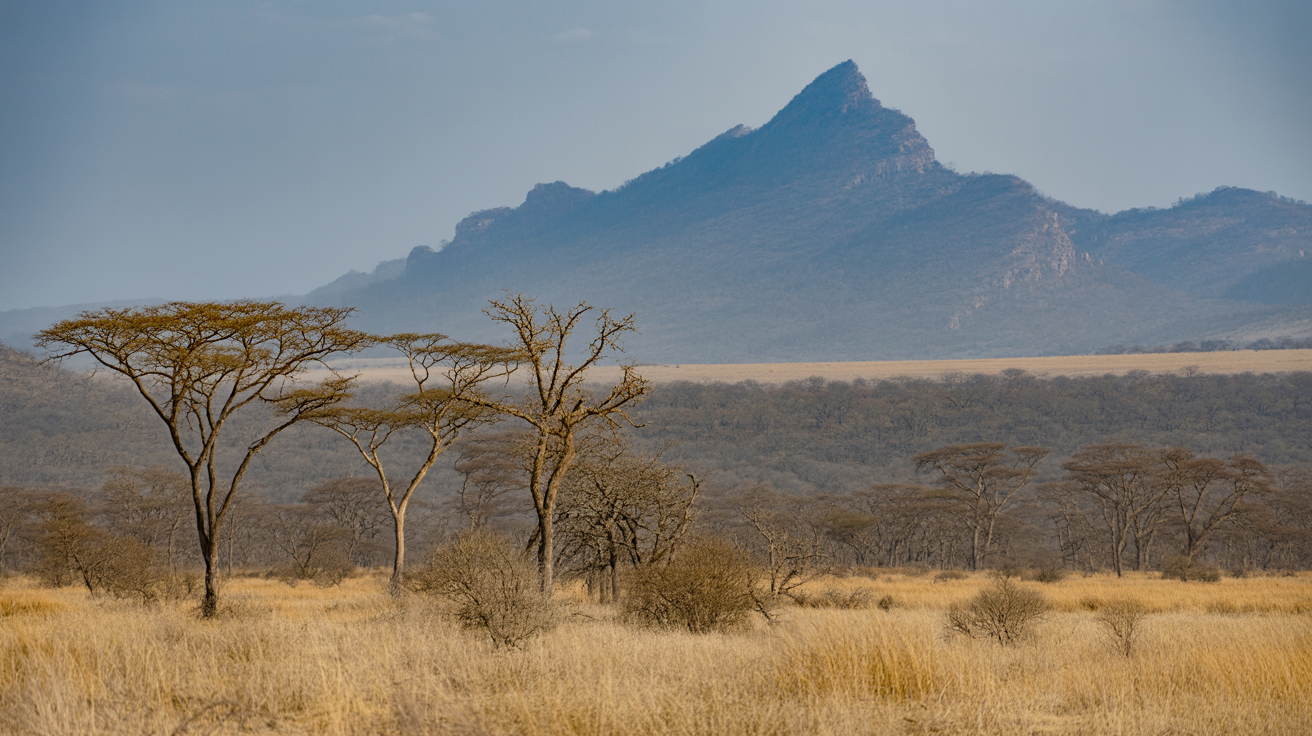 Africa
Savanna
Grasslands with scattered trees, characterized by seasonal rainfall and home to diverse grazing animals and predators.
 Various Continental Regions
Grassland
Open areas dominated by grasses rather than trees, supporting numerous herbivores and their predators.
 Global
Forest
Wooded areas with significant tree cover and diverse plant and animal communities.
Conservation
The Black-necked Spitting Cobra is currently classified as Least Concern on the IUCN Red List.
Threats & challenges
While classified as Least Concern by the IUCN, Naja nigricollis faces localized threats from habitat destruction, agricultural expansion, and direct persecution due to fear of venomous snakes. Road mortality and collection for the pet trade or traditional medicine also impact some populations. However, its adaptability to altered landscapes and generalist diet buffer it against severe declines. Population trends are stable overall, but continued monitoring is recommended, especially in rapidly developing regions.
Taxonomy
Scientific name
Naja nigricollis
- Kingdom
- Animalia
- Phylum
- Chordata
- Class
- Reptilia
- Order
- Squamata
- Family
- Elapidae
- Genus
- Naja
- Species
- nigricollis
Community notes
Share your observations about the Black-necked Spitting Cobra.
No community notes yet. Be the first!
Discover more wildlife
More fascinating animals from the encyclopedia.