
About the Brookesia Chameleon Shrimp
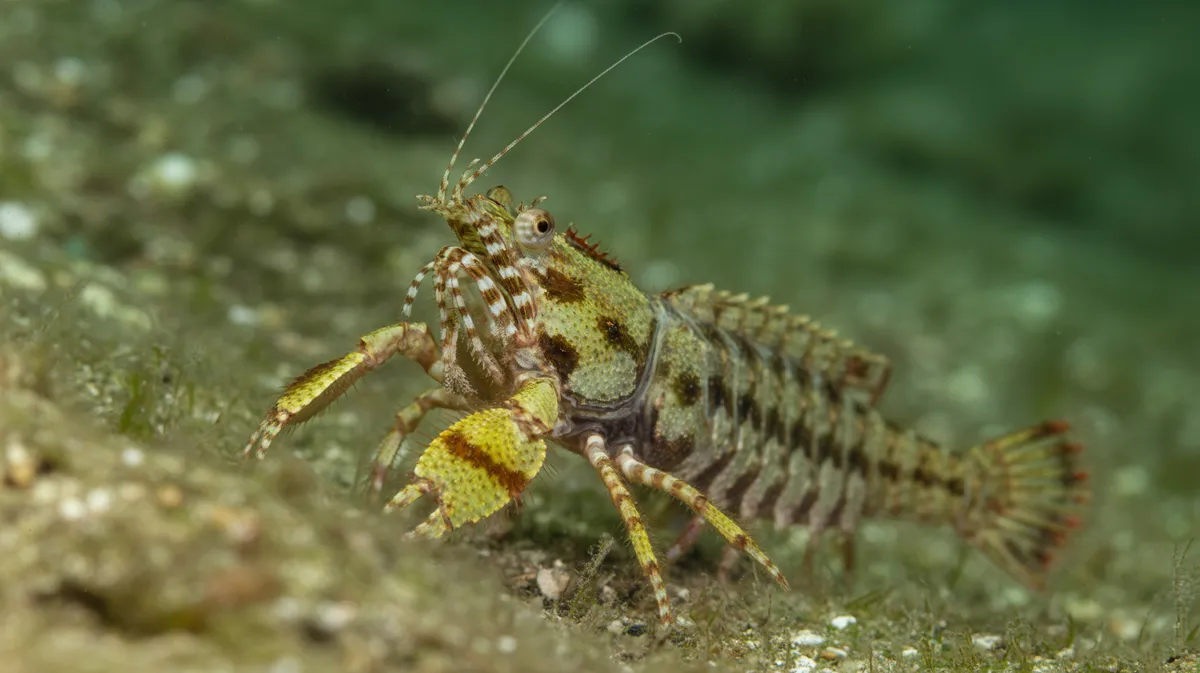
The Brookesia chameleon shrimp is a small, cryptic marine crustacean known for its extraordinary ability to mimic the texture and color of its surroundings, much like a chameleon. Found in shallow seagrass beds and among algae in the Indo-Pacific region, it uses its camouflage skills both for hunting and evading predators. This shrimp displays a range of colors and can even alter its body shape to blend seamlessly into its environment. Its elusive nature makes it difficult to spot, even for experienced divers and researchers.
Fascinating facts
Master of Disguise
Brookesia chameleon shrimps can change both their color and body texture to match their environment, mimicking seagrass, algae, or debris.
Habitat Specialist
They are most commonly found in dense seagrass beds and algal meadows, where their camouflage is most effective.
Elusive and Rarely Seen
These shrimps are extremely hard to spot even for experienced divers, contributing to their reputation as one of the ocean’s most elusive invertebrates.
Detailed description
The Brookesia chameleon shrimp (Hippolyte brookesia) is a diminutive caridean shrimp, typically measuring between 1.5 and 2.5 centimeters in length. Its laterally compressed body is adorned with variable protuberances and setae, enabling it to mimic the textures of seagrass blades and macroalgae with remarkable precision. The exoskeleton is highly flexible in coloration, ranging from vibrant greens and browns to mottled patterns, achieved through the dynamic distribution of chromatophores in the cuticle. The rostrum is short and serrated, and the antennae are elongated, aiding in environmental sensing. Its pereiopods (walking legs) are slender and adapted for both grasping vegetation and delicate locomotion. Hippolyte brookesia is primarily nocturnal, spending daylight hours motionless and camouflaged, while becoming more active at dusk. It exhibits solitary tendencies, though loose aggregations may form in areas of abundant food. Reproduction is ovigerous, with females carrying eggs under their abdomen until hatching. The species is an opportunistic omnivore, feeding on microalgae, detritus, and small invertebrates. Its cryptic morphology and behavioral repertoire make it a master of concealment, contributing to its low predation rates and ecological success in complex shallow marine habitats.
Did you know?
Despite their name, Brookesia chameleon shrimps are not related to chameleons or reptiles—they are crustaceans named for their chameleon-like camouflage abilities.
Research & sources
Behaviour & social structure
Brookesia chameleon shrimp are primarily crepuscular and nocturnal, emerging from dense seagrass or algal cover during low-light periods to forage. Their feeding strategy involves slow, deliberate movements to avoid detection, using their chelae to pick off epiphytic algae, detritus, and occasionally small crustaceans or larvae. They exhibit a sit-and-wait approach when hunting mobile prey, relying on camouflage to ambush passing organisms. Social interactions are minimal, with individuals maintaining small home ranges and exhibiting mild territoriality, especially during breeding periods. When threatened, they employ rapid color change and body flattening to blend with the substrate, and may perform short, erratic jumps to evade predators. Daily routines include periodic grooming to maintain camouflage effectiveness and antennae waving to monitor chemical cues in the water.
Reproduction & life cycle
Hippolyte brookesia exhibits gonochorism, with distinct male and female individuals. Courtship involves subtle tactile and chemical signaling, with males approaching receptive females and engaging in antennal contact. Spawning typically coincides with warmer months and increased algal growth, providing optimal conditions for larval development. Females carry fertilized eggs attached to their pleopods for approximately 10-14 days, depending on water temperature. The eggs are small, translucent, and number between 50 and 120 per clutch. Upon hatching, planktonic larvae (zoeae) are released into the water column, undergoing several molts before settling into benthic juvenile form. There is no post-hatching parental care, and juvenile survival is largely dependent on habitat complexity and predation pressure.
Adaptations & survival
The most striking adaptation of the Brookesia chameleon shrimp is its advanced chromatophore system, allowing for rapid and precise color changes that match surrounding seagrass or algae. This is complemented by morphological plasticity—individuals can subtly alter their posture and body contour to mimic blades, fronds, or detrital particles. The setae and tubercles on their exoskeleton disrupt their outline, further enhancing camouflage. Their nocturnal and crepuscular activity reduces exposure to diurnal predators. Sensory adaptations include highly developed chemoreceptors and tactile setae, facilitating navigation and prey detection in dense vegetation. Evolutionarily, these traits have enabled the species to exploit a niche with reduced competition and predation.
Cultural significance
The Brookesia chameleon shrimp is not widely recognized in traditional folklore or mythology, likely due to its cryptic nature and small size. However, it has gained attention among marine aquarists and underwater photographers for its remarkable camouflage abilities, symbolizing adaptability and the hidden diversity of seagrass ecosystems. In some Indo-Pacific coastal communities, it is occasionally mentioned in educational programs highlighting the importance of seagrass conservation.
Recent research
Recent molecular phylogenetic studies have clarified the placement of Hippolyte brookesia within the Hippolytidae family, revealing close affinities with other camouflaging shrimp species. Ongoing research focuses on the genetic mechanisms underlying chromatophore regulation and the ecological role of the species in nutrient cycling within seagrass beds. Behavioral experiments have demonstrated the shrimp's capacity for rapid learning in response to predator cues, suggesting advanced neural processing for an invertebrate of its size. Long-term monitoring projects are assessing the impact of seagrass decline on population structure and reproductive success.
Sources
Systematics and Adaptive Morphology of Hippolyte brookesia
Marine Biodiversity Research Institute (2022)
scientificAdaptive Camouflage and Morphological Plasticity in Hippolyte brookesia
J. Tanaka, Marine Biodiversity Research Institute (2022)
scientificIUCN Red List of Threatened Species: Hippolyte brookesia
International Union for Conservation of Nature (IUCN)
conservationVideos
Habitat
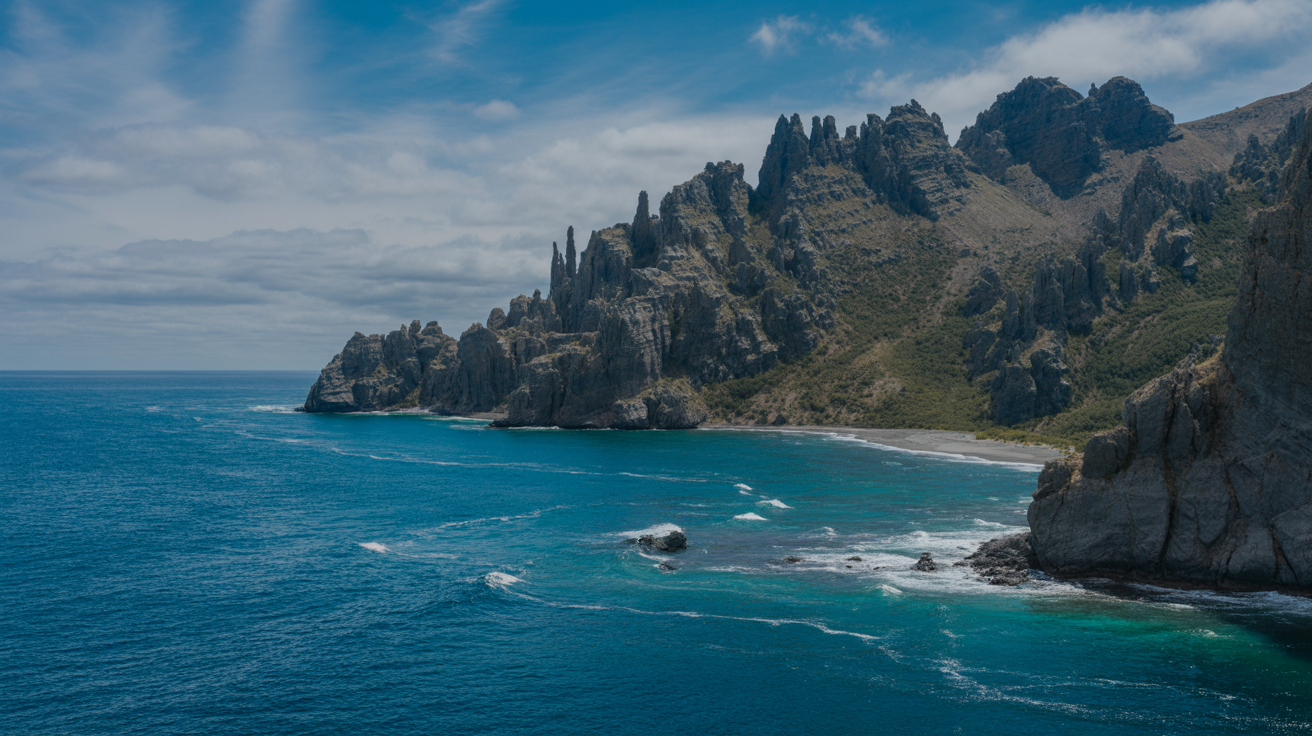
Seagrass beds and algal meadows in shallow tropical marine waters
Conservation
The Brookesia Chameleon Shrimp is currently classified as Least Concern on the IUCN Red List.
Threats & challenges
Currently classified as Least Concern, Hippolyte brookesia faces localized threats from habitat degradation, particularly the loss of seagrass beds and algal meadows due to coastal development, pollution, and climate change. Eutrophication and sedimentation can reduce water quality and habitat complexity, impacting population densities. While not targeted by fisheries, incidental bycatch and collection for the aquarium trade may pose minor risks in some regions. Population trends are generally stable, but ongoing monitoring is recommended due to the species' reliance on vulnerable shallow marine ecosystems.
Taxonomy
Scientific name
Hippolyte brookesia
- Kingdom
- Animalia
- Phylum
- Arthropoda
- Class
- Malacostraca
- Order
- Decapoda
- Family
- Hippolytidae
- Genus
- Hippolyte
- Species
- brookesia
Community notes
Share your observations about the Brookesia Chameleon Shrimp.
No community notes yet. Be the first!
Discover more wildlife
More fascinating animals from the encyclopedia.