
About the Californian Sea Hare
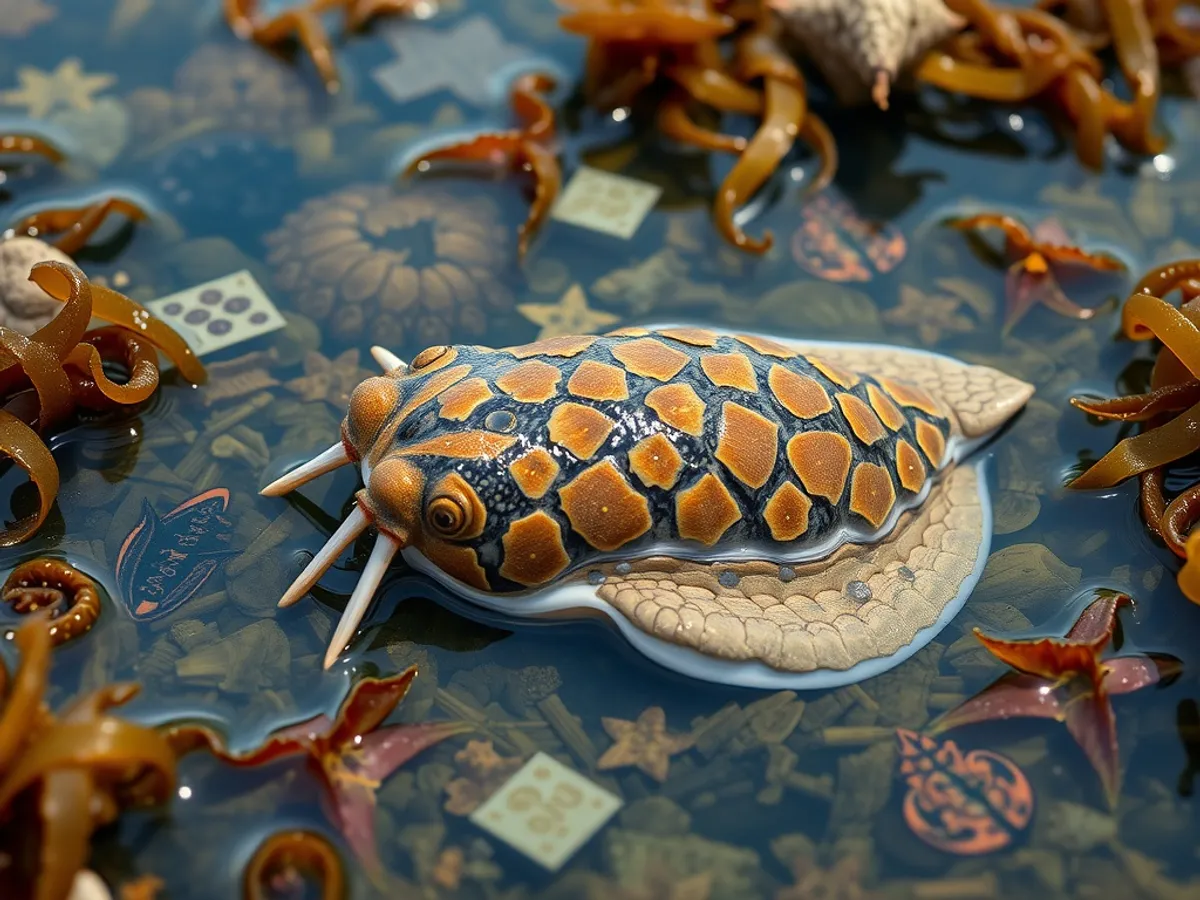
The Californian Sea Hare is a large marine gastropod mollusk renowned for its soft, elongated, and often reddish-brown body, which can reach up to 75 cm in length. It inhabits the coastal waters of the eastern Pacific Ocean, especially around California, where it grazes on seaweed and algae in shallow, rocky areas. Notable for its rabbit-like 'ear' structures (actually sensory rhinophores), this invertebrate can expel a distinctive purple ink when threatened, confusing predators. Its unique nervous system has made it a valuable model organism in neuroscience research.
Fascinating facts
Ink Defense
When threatened, the Californian Sea Hare releases a cloud of purple ink, which can disorient predators and allow for a quick escape.
Neuroscience Model
Its simple and accessible nervous system has made Aplysia californica a key model organism for studying how memories are formed and stored.
Herbivore Diet
The Californian Sea Hare feeds exclusively on various types of seaweed and algae, particularly red and green algae commonly found in its habitat.
Detailed description
The Californian Sea Hare (Aplysia californica) is a large opisthobranch gastropod mollusk, with adults typically ranging from 20 to 40 cm in length, though exceptional individuals can reach up to 75 cm and weigh over 2 kg. Its soft, elongated body is characterized by a reduced internal shell and a mantle that covers much of the dorsal surface, often displaying mottled shades of reddish-brown, olive, or purple, providing camouflage among seaweeds. The prominent, ear-like rhinophores on its head are highly sensitive chemosensory organs used to detect chemical cues in the water, aiding in navigation and food location. The parapodia—large, wing-like flaps on either side of the body—are used for swimming and can be folded over the back. The foot is broad and muscular, allowing the animal to crawl over rocky substrates. Aplysia californica possesses a relatively simple but large and accessible central nervous system, with giant neurons that have been extensively studied in neurobiology. When threatened, it can expel a cloud of purple ink, composed of both ink and opaline gland secretions, which acts as a chemical deterrent and sensory disruptor against predators. This species is primarily nocturnal, spending daylight hours concealed in crevices or under algae. Its digestive system is adapted for processing tough macroalgae, and its radula—a ribbon-like structure with rows of teeth—scrapes algae from rocks and seaweed surfaces.
Did you know?
The Californian Sea Hare's nervous system has played a crucial role in understanding the basic mechanisms of learning and memory in animals.
Research & sources
Behaviour & social structure
Aplysia californica is a solitary and mostly sedentary grazer, but individuals may aggregate in areas with abundant food or during breeding periods. It exhibits crepuscular and nocturnal activity patterns, emerging at dusk to feed on red and green algae, especially species of Ulva, Gracilaria, and Laurencia. Feeding involves rhythmic rasping with the radula, and the animal can consume significant amounts of algae relative to its body size. When disturbed, it may contract its body and emit ink, which contains bioactive compounds that can deter or confuse predators such as sea stars, lobsters, and certain fish. Social interactions are limited outside of mating, though chemical cues in the water can attract individuals to potential mates or food sources. Daily routines include periods of inactivity during daylight, with increased locomotion and foraging at night. Aplysia californica is capable of limited swimming by undulating its parapodia, though it primarily crawls.
Reproduction & life cycle
Aplysia californica is a simultaneous hermaphrodite, possessing both male and female reproductive organs, and can function as either sex during copulation. Mating typically occurs in late spring and summer, coinciding with warmer water temperatures and increased algal availability. During mating, individuals form chains where each acts as both sperm donor and recipient. Fertilization is internal, and the animal lays long, gelatinous egg strings that can contain up to several million eggs, often attached to rocks or algae. Embryonic development lasts 10–20 days, depending on temperature, after which planktonic veliger larvae hatch and drift in the water column for 30–60 days before settling and metamorphosing into juvenile sea hares. There is no parental care after egg-laying, and adults often die shortly after reproduction, exhibiting a semelparous (single reproductive episode) life history.
Adaptations & survival
Key adaptations of Aplysia californica include its cryptic coloration and soft, flexible body, which allow it to blend with seaweed and evade visual predators. The ability to produce and expel purple ink is a notable chemical defense, with the ink containing aplysioviolin and other compounds that can impair predator chemoreception and act as a decoy. Its rhinophores and oral tentacles are highly developed for chemosensation, enabling efficient detection of food and conspecifics. The parapodia facilitate both swimming and respiration by increasing surface area for gas exchange. Evolutionarily, the reduction of the shell and development of a large, accessible nervous system have made this species a model for studying neurophysiological processes, such as learning and memory.
Cultural significance
The Californian Sea Hare has limited direct cultural significance but is well-known in scientific and educational contexts. It has become an iconic model organism in neuroscience, particularly for studies of synaptic plasticity and learning, due to its large, easily identifiable neurons. The species has appeared in marine biology exhibits and educational materials, symbolizing the importance of invertebrates in scientific discovery. There are no known traditional uses or significant roles in folklore or mythology.
Recent research
Aplysia californica has been pivotal in neuroscience research, most notably in the work of Nobel laureate Eric Kandel, who used it to elucidate the cellular mechanisms underlying learning and memory. Recent studies have focused on the molecular basis of synaptic plasticity, the effects of environmental stressors on neurophysiology, and the chemical ecology of its defensive ink. Genomic sequencing of A. californica has provided insights into the evolution of nervous systems and neurotransmitter pathways. Ongoing research explores its potential for understanding neurodegenerative diseases and the impacts of ocean acidification on marine invertebrate development.
Sources
Aplysia californica (Mollusca: Gastropoda): A Model for Neuroscience Research
Carew, T.J. & Kandel, E.R. (1977)
scientificThe genome of Aplysia californica: Insights into synaptic plasticity and evolution
Moroz, L.L. et al. (2016)
scientificAplysia californica: A Model for Cellular and Molecular Neuroscience
Eric R. Kandel et al. (2013)
scientificVideos
Habitat
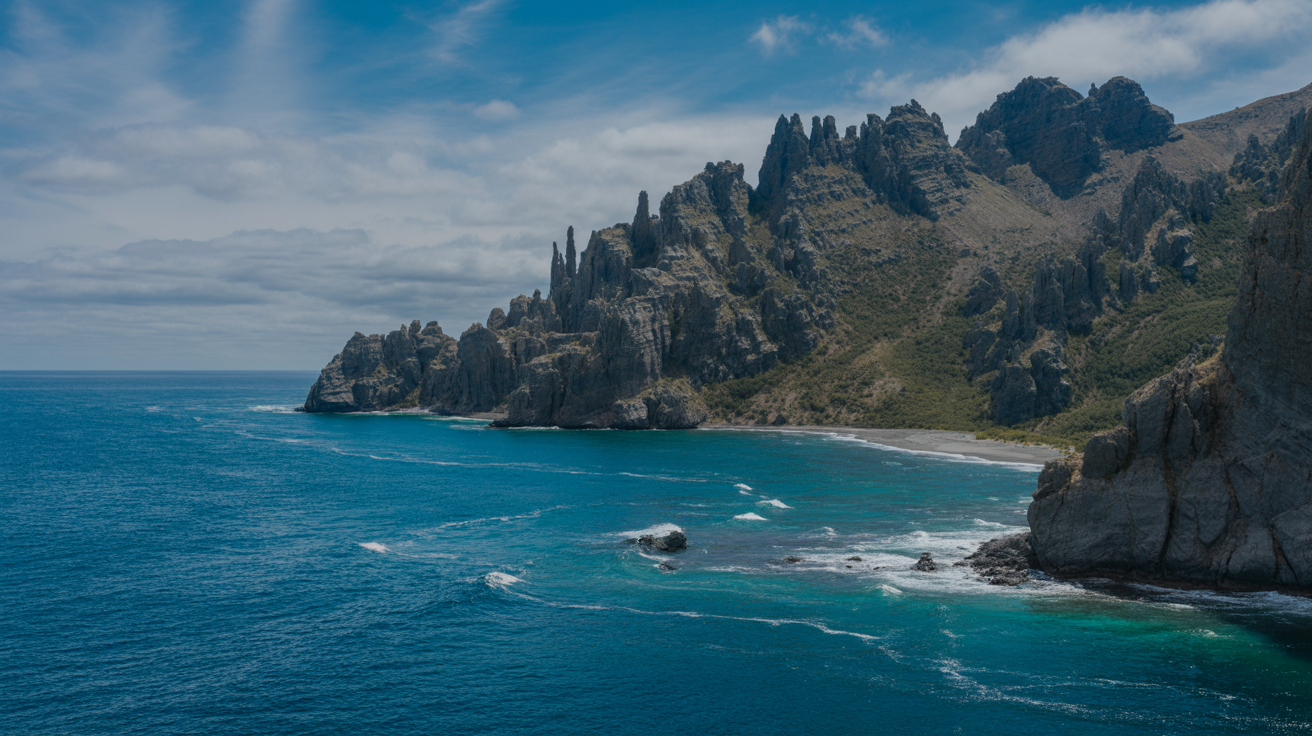
Shallow coastal waters with abundant seaweed
Conservation
The Californian Sea Hare is currently classified as Least Concern on the IUCN Red List.
Threats & challenges
Currently, Aplysia californica faces few direct threats and is classified as Least Concern. However, localized population declines can occur due to habitat degradation, pollution (especially from agricultural runoff and heavy metals), and loss of macroalgal beds. Climate change, leading to ocean warming and acidification, may impact algal food sources and larval development. Collection for scientific research is regulated but can affect local populations if not managed sustainably. Natural predators include sea otters, certain fish, and invertebrates like lobsters and sea stars. There is little evidence of large-scale population decline, but ongoing monitoring is recommended due to environmental changes.
Taxonomy
Scientific name
Aplysia californica
- Kingdom
- Animalia
- Phylum
- Mollusca
- Class
- Gastropoda
- Order
- Anaspidea
- Family
- Aplysiidae
- Genus
- Aplysia
- Species
- californica
Community notes
Share your observations about the Californian Sea Hare.
No community notes yet. Be the first!
Discover more wildlife
More fascinating animals from the encyclopedia.