
About the Colorado River Toad
The Colorado River Toad, also known as the Sonoran Desert toad, is one of the largest toads native to North America. This amphibian is distinguished by its smooth, olive-green to dark brown skin and prominent parotoid glands behind the eyes. It is primarily nocturnal and is most active during the summer monsoon rains, when it emerges from underground burrows to breed in temporary pools. The Colorado River Toad secretes potent toxins as a defense mechanism, which can be dangerous to predators and pets. Its range extends across the southwestern United States and northern Mexico, particularly in arid and semi-arid regions.
Fascinating facts
Toxic Defense
The toad’s parotoid glands secrete a milky toxin that deters most predators and can cause severe illness or death in domestic animals.
Desert Dweller
The Colorado River Toad thrives in arid environments and spends much of its life underground, emerging mainly during the summer monsoon.
Unique Vocalization
Its mating call is a loud, low-pitched trill that can carry a long distance, especially after heavy rainfall.
Detailed description
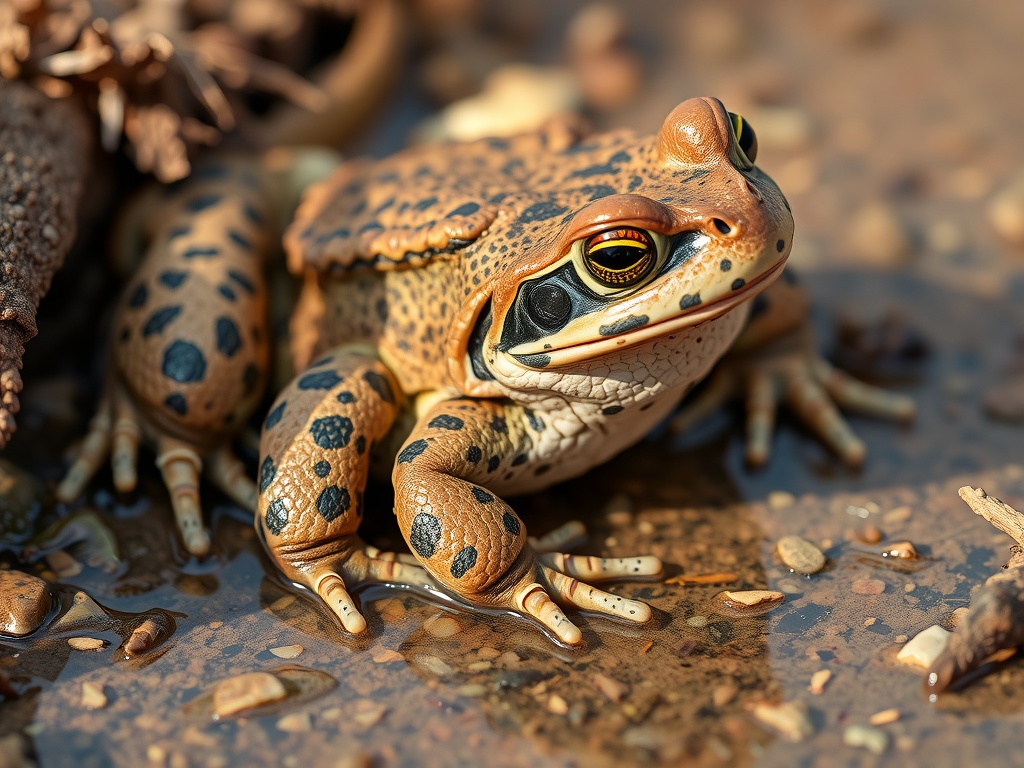
The Colorado River toad (Incilius alvarius) is a robust, large-bodied amphibian, with adults typically ranging from 110 to 187 mm (4.3–7.4 in) in snout-vent length, making it the largest native toad in the United States. Its skin is smooth and moist, colored olive green to dark brown, often with lighter ventral surfaces and scattered pale tubercles. The head is broad with a blunt snout, and the eyes are prominent with horizontally elliptical pupils. Notably, large, kidney-shaped parotoid glands are located behind the eyes, and these, along with additional granular glands on the limbs, secrete potent bufotoxins. The toad’s limbs are relatively short and strong, adapted for digging and burrowing. Incilius alvarius is primarily nocturnal, emerging from underground retreats during the warm, humid nights of the summer monsoon season. It is a solitary species outside of the breeding season, relying on camouflage and its toxic secretions for defense. The toad’s call is a low-pitched, sustained trill, audible during breeding aggregations. Its life cycle is closely tied to ephemeral water sources, where it breeds explosively after heavy rains. Tadpoles develop rapidly, metamorphosing within weeks to avoid desiccation as pools dry. The species is long-lived for an amphibian, with individuals in the wild known to survive over 10 years.
Did you know?
Ingesting or handling the Colorado River Toad’s venom can be fatal to pets and harmful to humans, and its collection is illegal in several U.S. states.
Research & sources
Wikipedia summary
The Colorado River toad, also known as the Sonoran Desert toad, is a toad species found in northwestern Mexico and the southwestern United States. It is well known for its ability to exude toxins from glands within its skin that have psychoactive properties.
Behaviour & social structure
Colorado River toads are opportunistic, ambush predators, feeding primarily on invertebrates such as beetles, ants, spiders, and centipedes, but also preying on small vertebrates including rodents, lizards, and other amphibians. They hunt mainly at night, using their keen sense of smell and vision to detect prey, which is captured with a rapid flick of the sticky tongue. During the day and dry periods, they remain concealed in self-dug burrows or rodent holes to avoid desiccation and extreme temperatures. Social interactions are limited outside the breeding season; individuals are generally solitary and territorial. During breeding, males congregate at temporary pools and call to attract females, sometimes engaging in physical competition. The species exhibits site fidelity, often returning to the same breeding sites annually. Defensive behaviors include inflating the body, secreting toxins, and emitting distress calls when threatened.
Reproduction & life cycle
Breeding is highly seasonal, triggered by the onset of summer monsoon rains (typically June to August). Males arrive at breeding sites first and produce a distinctive, low-pitched trill to attract females. Amplexus (the mating embrace) is axillary, with the male grasping the female behind her forelimbs. Females lay long strings of eggs—each clutch may contain 3,000 to 8,000 eggs—in shallow, temporary pools or slow-moving streams. Eggs hatch within 24–48 hours, and tadpoles undergo rapid development, completing metamorphosis in as little as 3–6 weeks, depending on water temperature and availability. There is no parental care after egg-laying; both adults and juveniles are vulnerable to predation and desiccation. Sexual maturity is typically reached at 2–3 years of age.
Adaptations & survival
Incilius alvarius exhibits several adaptations for survival in arid environments. Its burrowing behavior and ability to aestivate (enter a state of dormancy) during dry periods help conserve moisture and energy. The skin is highly permeable, allowing for cutaneous absorption of water during brief periods of surface activity. The potent bufotoxins produced by the parotoid and skin glands serve as a chemical defense against predators, deterring most mammals and birds. The species’ explosive breeding strategy and rapid larval development are evolutionary responses to the unpredictability of desert rainfall and the ephemeral nature of breeding pools. Nocturnal activity patterns reduce water loss and exposure to extreme temperatures.
Cultural significance
The Colorado River toad holds a unique place in indigenous cultures of the American Southwest and northern Mexico, where its secretions have been used in traditional rituals for their psychoactive properties. The toad’s skin contains 5-MeO-DMT and bufotenin, potent hallucinogens that have attracted interest from spiritual practitioners and recreational users. In recent years, the toad has gained notoriety in popular culture and alternative medicine circles, leading to increased demand and potential overharvesting. In some regions, possession or use of the toad or its secretions is regulated or prohibited by law. The species also features in local folklore and is sometimes regarded as a symbol of transformation or spiritual insight.
Recent research
Recent research has focused on the pharmacology of the toad’s skin secretions, particularly the presence of 5-MeO-DMT, which has been studied for its potential therapeutic effects in treating depression, anxiety, and substance use disorders. Ecological studies have examined the species’ breeding phenology in relation to climate variability, as well as its role as both predator and prey in desert ecosystems. Genetic analyses have clarified its phylogenetic relationships within the Bufonidae family, supporting its reclassification from Bufo to Incilius. Ongoing conservation research is monitoring population trends and assessing the impact of habitat alteration and collection pressure. There is also growing interest in the ethical and ecological implications of harvesting wild toads for their secretions.
Sources
Incilius alvarius (Colorado River Toad): Natural History and Toxin Composition
Weil, M., et al. (2009)
scientificIncilius alvarius: The IUCN Red List of Threatened Species 2004
Geoffrey Hammerson, Georgina Santos-Barrera
conservationVideos
Habitat
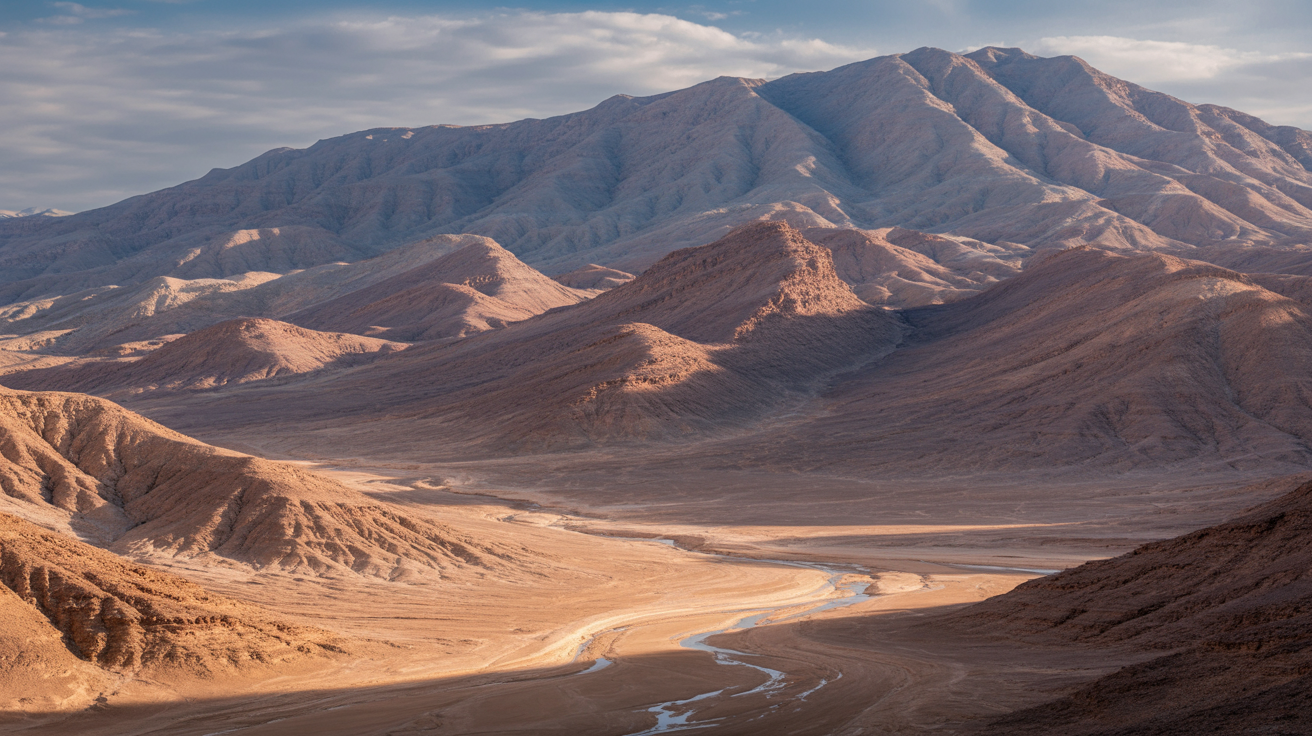
Desert and semi-arid regions near streams and temporary pools
 Arid Regions
Desert
Arid lands with minimal rainfall, extreme temperatures, and specialized wildlife adapted to harsh conditions.
 Various Continental Regions
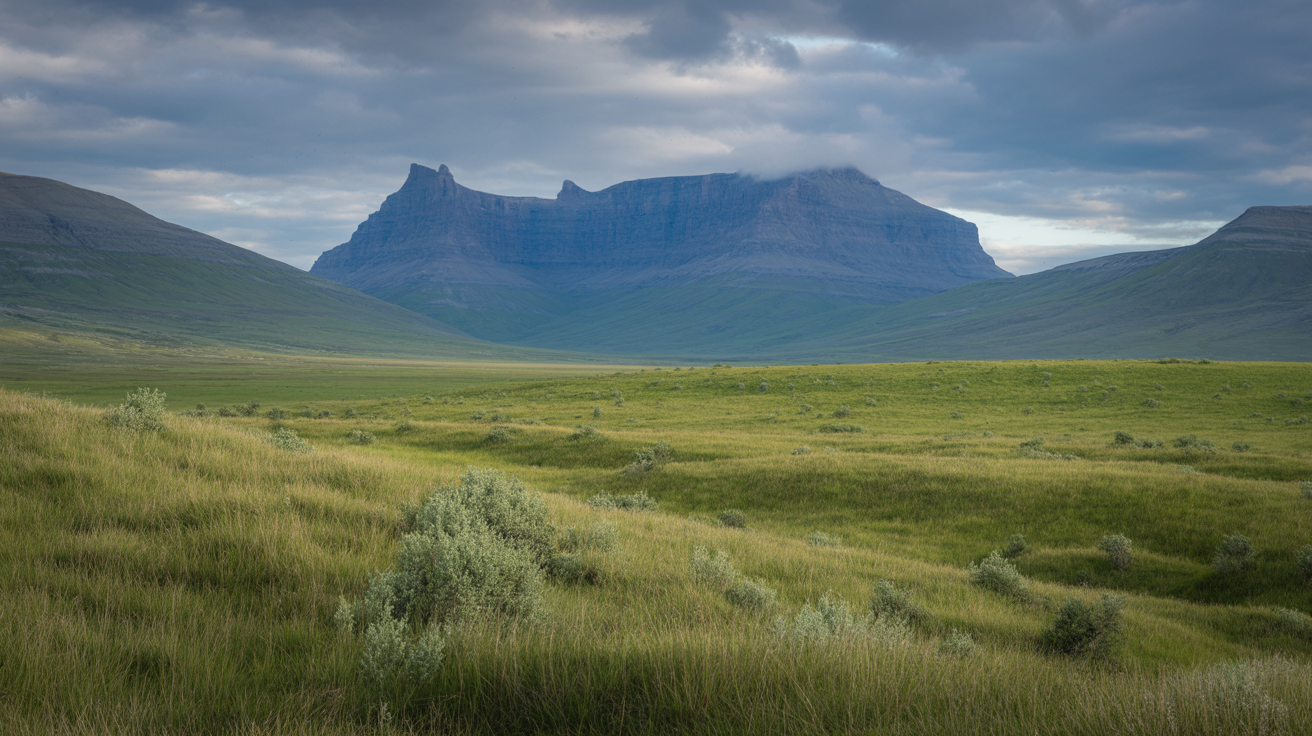
Grassland
Open areas dominated by grasses rather than trees, supporting numerous herbivores and their predators.
 Global
Freshwater
Lakes, rivers, and wetlands with diverse aquatic ecosystems.
Conservation
The Colorado River Toad is currently classified as Least Concern on the IUCN Red List.
Threats & challenges
Although currently listed as Least Concern by the IUCN, the Colorado River toad faces several localized threats. Habitat loss and fragmentation due to urbanization, agriculture, and water management (e.g., diversion of streams, draining of wetlands) reduce available breeding sites. Road mortality is a significant risk during breeding migrations. Collection for the pet trade and illicit harvesting for its psychoactive secretions have increased in some areas, potentially impacting local populations. Additionally, exposure to pesticides and pollutants poses a risk to both adults and developing larvae. Climate change, with its effects on precipitation patterns and water availability, may further threaten the species’ long-term viability. Despite these challenges, the species remains widespread and relatively abundant across much of its range.
Taxonomy
Scientific name
Incilius alvarius
- Kingdom
- Animalia
- Phylum
- Chordata
- Class
- Amphibia
- Order
- Anura
- Family
- Bufonidae
- Genus
- Incilius
- Species
- alvarius
Where to see a colorado river toad
3 zoos and aquariums in 1 country are recorded as keeping this species.


Community notes
Share your observations about the Colorado River Toad.
No community notes yet. Be the first!
Discover more wildlife
More fascinating animals from the encyclopedia.