
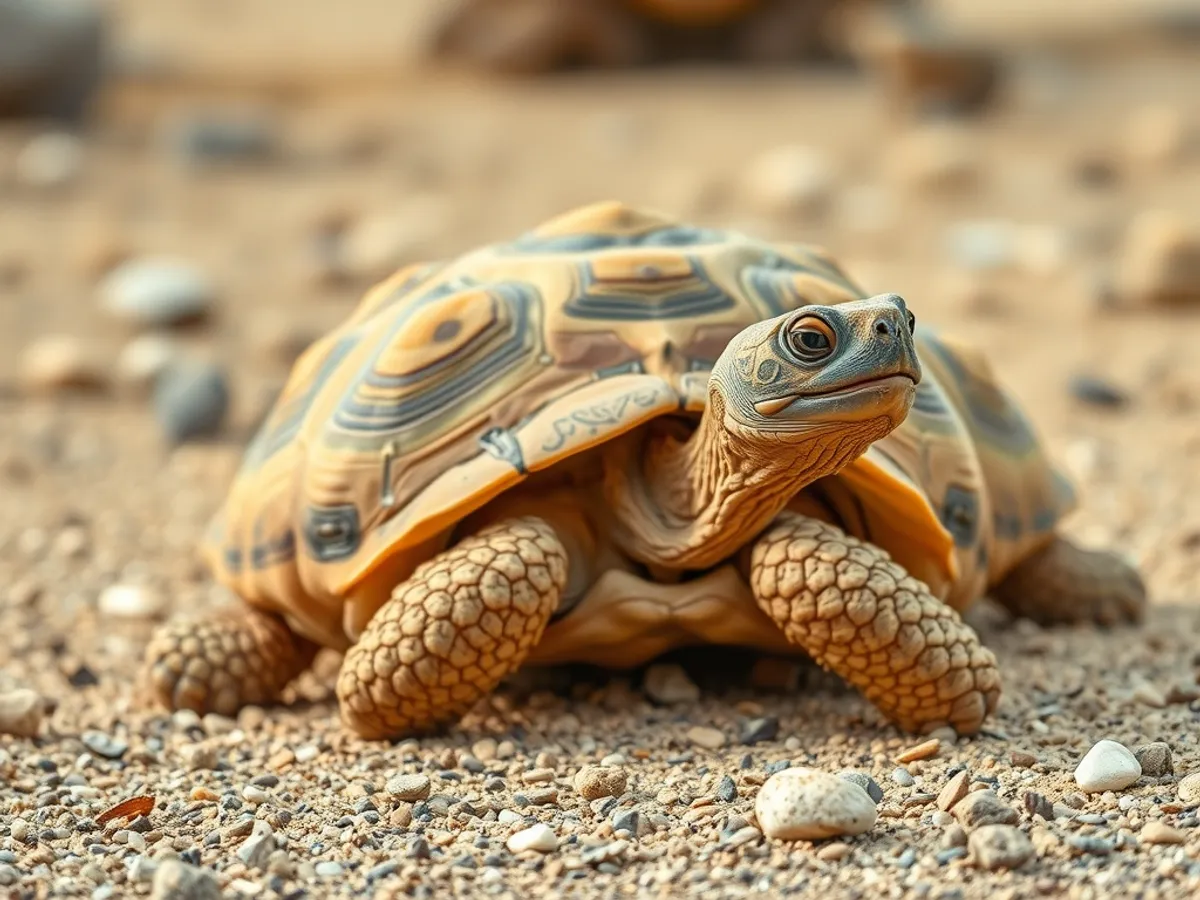
About the Desert Tortoise
Gopherus agassizii of the Mojave spends about 95 percent of its life underground. Its burrow, dug with flattened, shovel-like forelimbs, can run several metres back into a bank, and it is the whole basis of the animal's survival: it buffers a surface that swings from below freezing to over 60 degrees C, and it holds humidity. The tortoise's second trick is its bladder, which it uses as a canteen. It can store water equal to well over a third of its body weight as dilute urine, reabsorbing it slowly through months of drought, and it can go more than a year without drinking. This has a grim practical consequence: a frightened tortoise voids its bladder, so picking one up in a dry summer can effectively kill it months later. When rain does come it drinks enormously, and it will excavate shallow basins in the soil in advance to catch runoff and return to them after a storm. It is a strict herbivore of grasses, wildflowers and cactus, and it is slow to mature — 15 to 20 years to breed — which is why the population cannot absorb losses. Its burrows are keystone infrastructure, used by burrowing owls, snakes, kit foxes, lizards and insects, so losing the tortoise takes a small community with it.
Fascinating facts
Long Lives
Desert tortoises can live up to 80 years, making them one of the longest-lived reptiles in North America.
Burrow Engineers
Their burrows provide crucial shelter not just for themselves but for hundreds of other desert animals seeking refuge from extreme temperatures.
Water Savvy
They get most of their water from the plants they eat and can survive many months without drinking directly.
Detailed description
The desert tortoise (Gopherus agassizii) is a medium-sized terrestrial reptile with a domed carapace typically measuring 20–38 cm (8–15 in) in length and weighing between 2–6 kg (4.4–13.2 lbs). Its shell is brown to tan, often with growth rings that become more pronounced with age. The plastron is lighter, and the limbs are covered in thick, scaly skin adapted to digging. Desert tortoises possess strong, clawed forelimbs for excavating extensive burrow systems, which can reach up to 10 meters (33 ft) in length and provide refuge from extreme desert temperatures. They are primarily crepuscular, being most active during the cooler hours of dawn and dusk, especially in spring and early summer. Desert tortoises are solitary but may share burrows during hibernation or extreme weather. Their diet consists mainly of native grasses, wildflowers, and cacti, and they can survive months without free-standing water by metabolizing moisture from food and minimizing water loss. Longevity is notable, with lifespans commonly exceeding 50 years and some individuals documented at over 80 years. Reproduction is seasonal, and females lay eggs in shallow nests dug near their burrows. The species exhibits slow growth, delayed maturity (10–20 years), and low reproductive rates, making populations particularly vulnerable to environmental disturbances.
Did you know?
Desert tortoises can retract their head and limbs into their shells, and if startled, may release stored urine as a defense mechanism, which can be detrimental to their own hydration if not handled with care.
Research & sources
Wikipedia summary
The desert tortoise is a species of tortoise in the family Testudinidae. The species is native to the Mojave and Sonoran Deserts of the southwestern United States and northwestern Mexico, and to the Sinaloan thornscrub of northwestern Mexico. G. agassizii is distributed in western Arizona, southeastern California, southern Nevada, and southwestern Utah. The specific name agassizii is in honor of Swiss-American zoologist Jean Louis Rodolphe Agassiz. The desert tortoise is the official state reptile in California and Nevada.
Behaviour & social structure
Desert tortoises are diurnal to crepuscular, with activity peaks in spring (March–June) and fall (September–October), coinciding with milder temperatures and seasonal plant growth. During the hottest months, they aestivate in deep burrows, and in winter, they brumate (a reptilian form of hibernation) to conserve energy. Foraging occurs primarily after rainfall, when ephemeral plants are abundant. They use their keen sense of smell to locate food and water sources. Social interactions are generally limited, but males may display combat behaviors—such as ramming and overturning rivals—during the breeding season. Communication includes head-bobbing, hissing, and shell-bumping. Home ranges vary from 2 to 10 hectares (5–25 acres), and tortoises exhibit high site fidelity, often returning to the same burrows year after year.
Reproduction & life cycle
Breeding occurs from late spring to early summer (April–July), with males engaging in courtship behaviors that include circling, biting, and mounting. Females may store sperm for several years, allowing fertilization to occur even if mating is infrequent. Clutch size ranges from 1 to 14 eggs, typically laid in May–July, with 1–3 clutches per year depending on environmental conditions. Eggs are deposited in shallow nests and incubate for 90–120 days, with hatching timed to coincide with late summer rains. There is no parental care; hatchlings are independent from birth and face high mortality due to predation and environmental hazards. Sexual maturity is reached at 10–20 years, depending on resource availability and local climate.
Adaptations & survival
Desert tortoises exhibit several remarkable adaptations for arid environments. Their kidneys are highly efficient at conserving water, producing uric acid instead of urea to minimize fluid loss. The bladder can store large quantities of water and waste, which may be reabsorbed during drought. The thick, scaly skin and domed shell reduce water loss and provide protection from predators and solar radiation. Behavioral adaptations include burrow construction for thermoregulation and moisture retention, as well as seasonal activity patterns to avoid temperature extremes. Their diet is opportunistic, allowing them to exploit a wide range of desert plants, including those with high water content.
Cultural significance
The desert tortoise holds symbolic value as the state reptile of both California and Nevada, representing resilience and adaptation to harsh environments. Indigenous peoples of the Southwest have traditionally regarded the tortoise as a symbol of longevity, patience, and wisdom. In some Native American cultures, tortoise shells were used for ceremonial rattles and other artifacts. The species is also a flagship for desert conservation efforts, raising public awareness about the fragility of arid ecosystems.
Recent research
Recent research has focused on the impacts of disease (notably URTD), genetic differentiation between Mojave and Sonoran populations, and the effects of climate change on habitat suitability. Advances in radio telemetry and GPS tracking have improved understanding of movement ecology and habitat use. Studies on burrow microclimates have highlighted the importance of subterranean refuges for survival under extreme conditions. Conservation genetics is informing translocation and captive breeding programs, while ecological modeling is being used to predict future distribution under various climate scenarios.
Videos
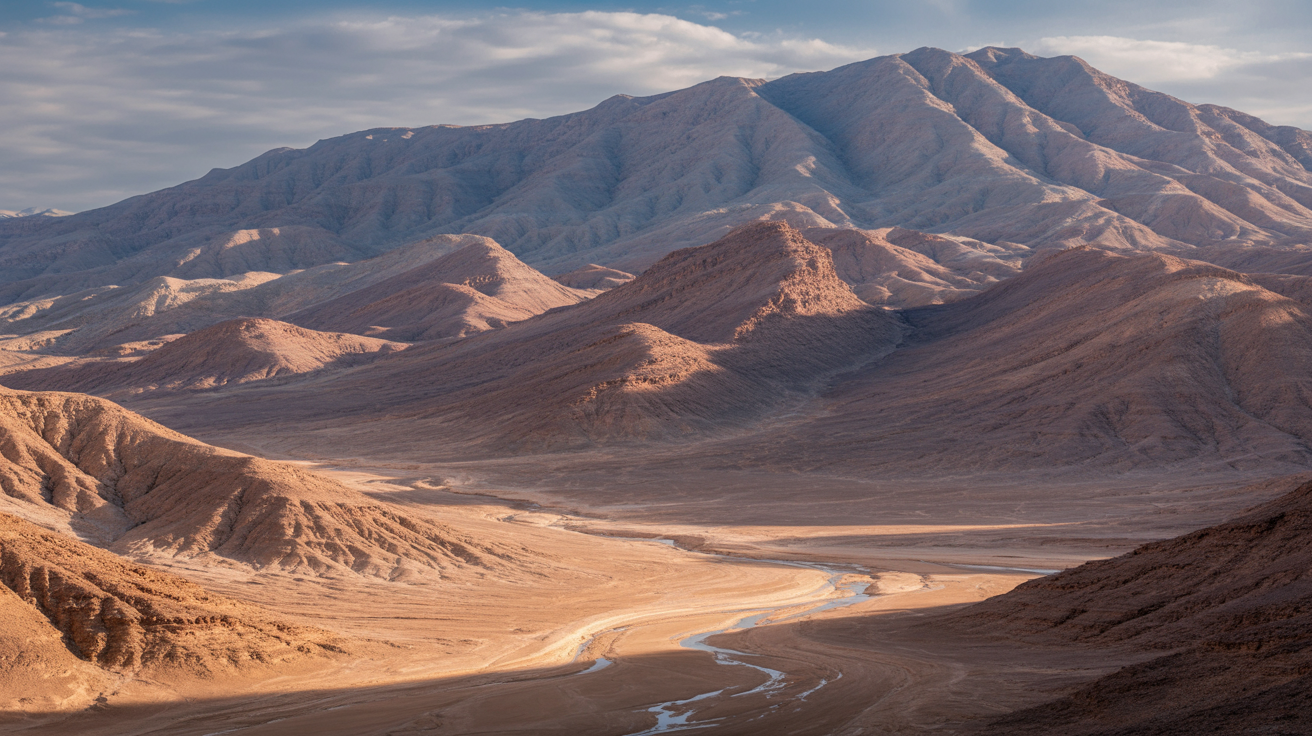
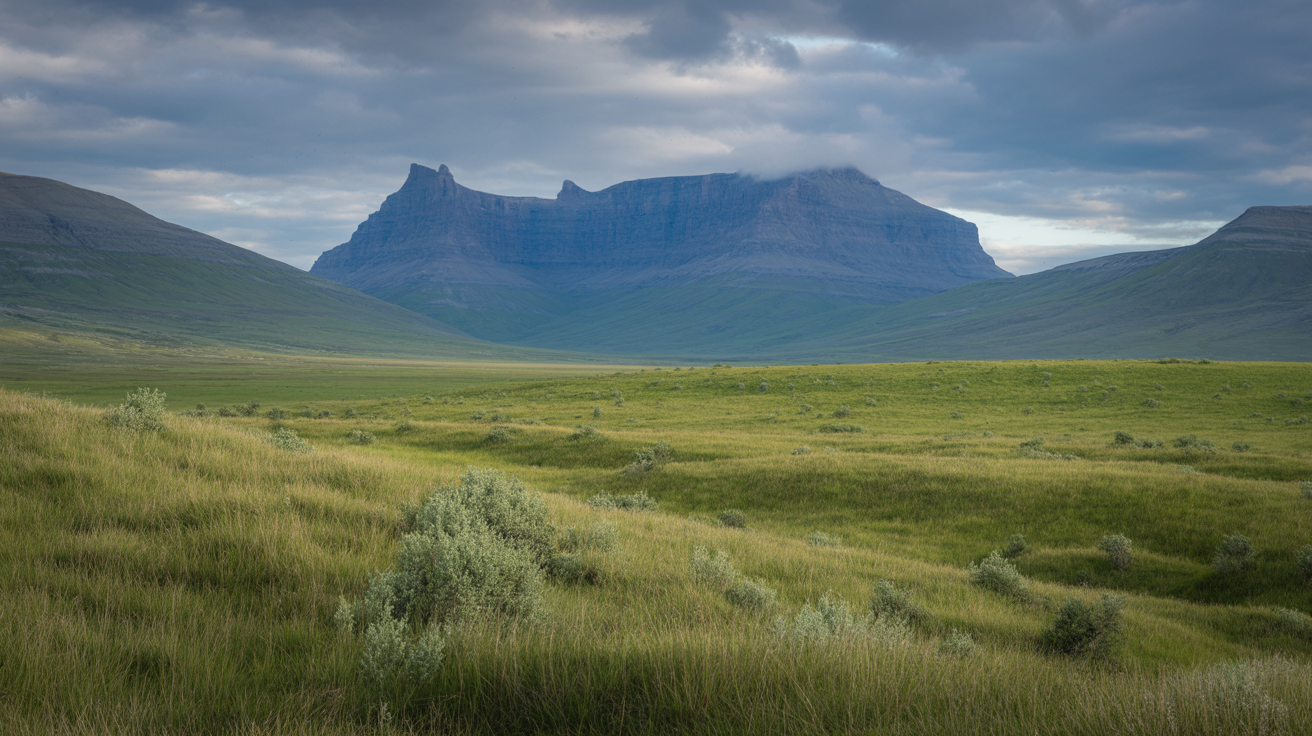
Habitat
Desert
Conservation
The Desert Tortoise is currently classified as Vulnerable on the IUCN Red List.
Threats & challenges
Major threats to the desert tortoise include habitat loss and fragmentation due to urban development, agriculture, and infrastructure projects. Off-road vehicle use damages burrows and vegetation, while illegal collection for the pet trade and predation by invasive species (notably ravens and feral dogs) further reduce populations. Disease, particularly upper respiratory tract disease (URTD) caused by Mycoplasma spp., has led to significant declines in some areas. Climate change poses additional risks by altering precipitation patterns and increasing drought frequency. Population trends are generally negative, with some local extirpations reported. The species is listed as Vulnerable by the IUCN and is protected under CITES Appendix II and the U.S. Endangered Species Act in certain regions.
Taxonomy
Scientific name
Gopherus agassizii
- Kingdom
- Animalia
- Phylum
- Chordata
- Class
- Reptilia
- Order
- Testudines
- Family
- Testudinidae
- Genus
- Gopherus
- Species
- agassizii
Where to see a desert tortoise
9 zoos and aquariums in 1 country are recorded as keeping this species.
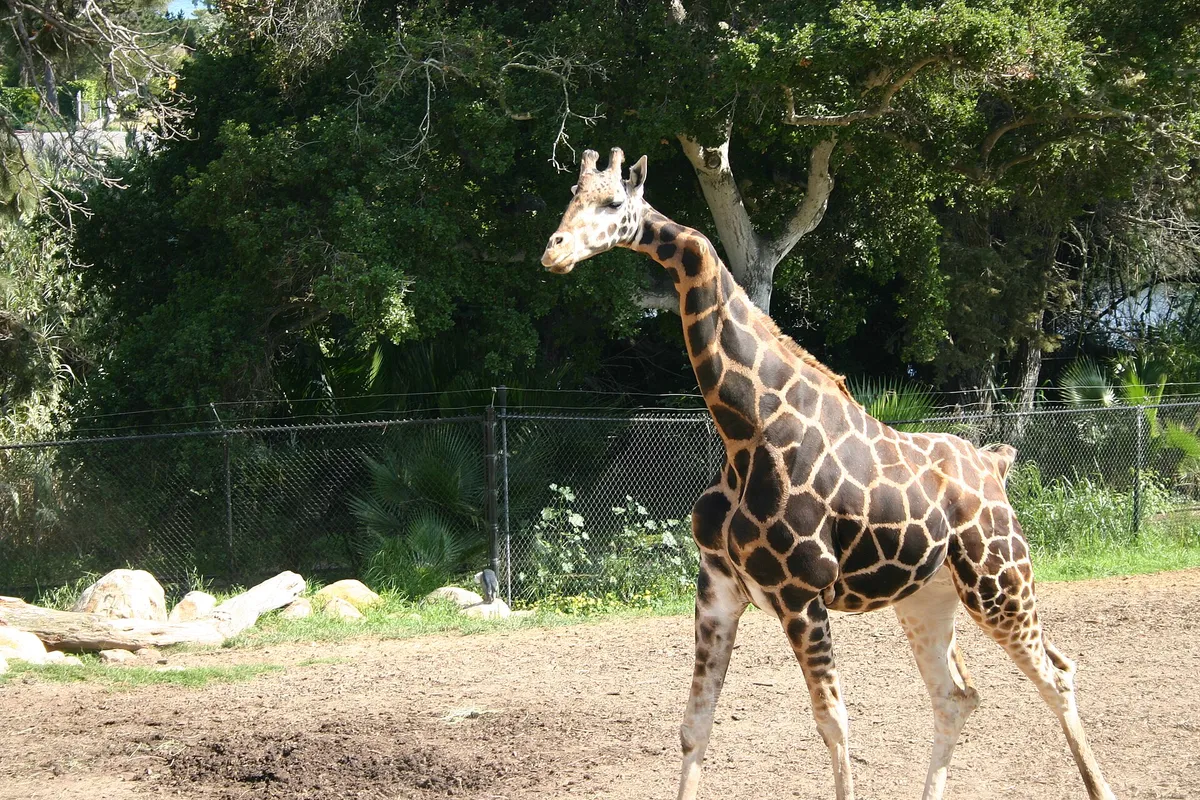 Santa Barbara Zoological Gardens🇺🇸 Santa Barbara, United States
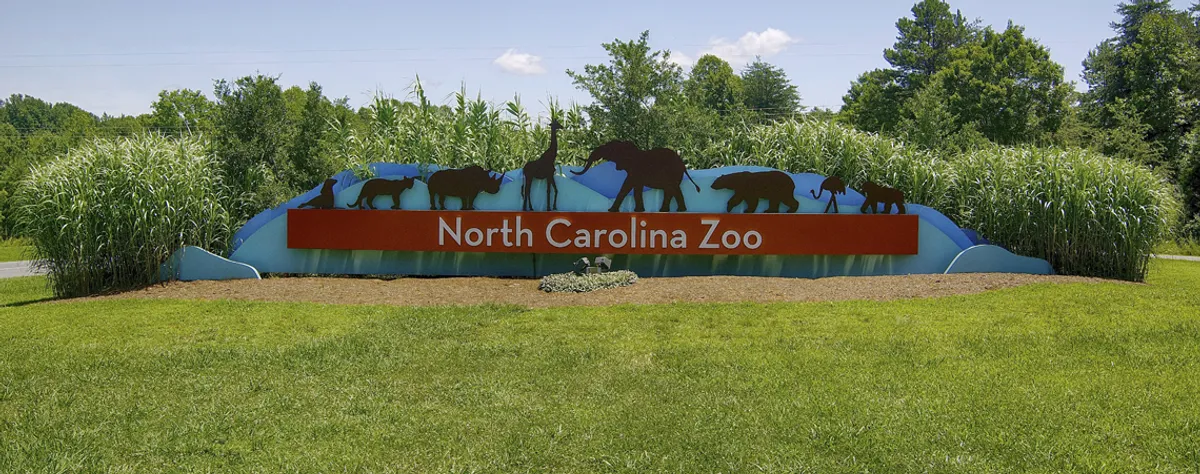 North Carolina Zoo🇺🇸 Asheboro, United States
- 🦁Charles Paddock Zoo🇺🇸 Atascadero, United States
 Indianapolis Zoo🇺🇸 Indianapolis, United States
 Oakland Zoo🇺🇸 United States
Community notes
Share your observations about the Desert Tortoise.
No community notes yet. Be the first!
Discover more wildlife
More fascinating animals from the encyclopedia.