
About the Dusky Gopher Frog
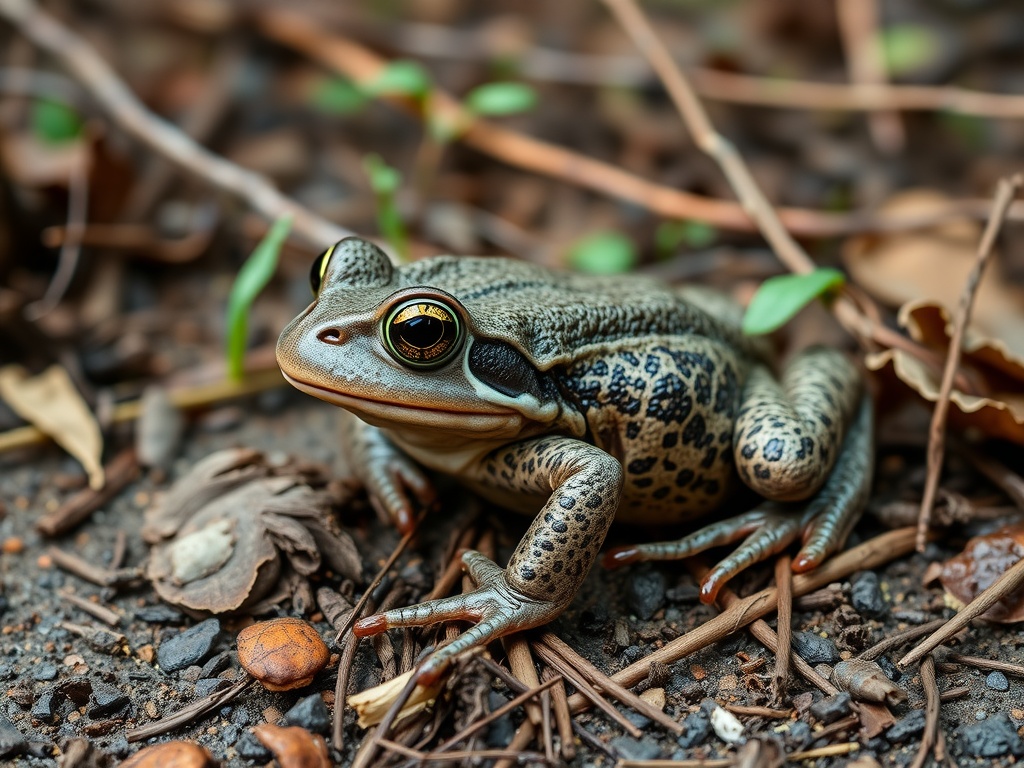
The Dusky Gopher Frog is a rare and critically endangered amphibian native to the southern United States, primarily Mississippi. It is a stout, medium-sized frog with a warty, dark-colored skin that often features irregular spots and ridges. This secretive species spends most of its life in underground burrows, emerging mainly at night or during heavy rains to breed in temporary, fishless ponds. The Dusky Gopher Frog is notable for its loud, distinctive call that resembles a snore, and its survival is closely tied to the longleaf pine ecosystem.
Fascinating facts
Secretive Burrowers
Dusky Gopher Frogs spend most of their lives underground, inhabiting abandoned burrows made by other animals to avoid predators and harsh conditions.
Unusual Call
Their mating call is a deep, guttural snore that can be heard up to a kilometer away during the breeding season.
Habitat Specialist
This frog depends on the unique longleaf pine ecosystem, which has declined drastically, contributing to its endangered status.
Detailed description
The Dusky Gopher Frog (Lithobates sevosus) is a robust, medium-sized amphibian, typically measuring 7.5–9 cm (3–3.5 in) in length. Its dorsal coloration ranges from dark brown to black, often mottled with gray or dusky spots, and is covered in prominent warts and ridges that provide camouflage against the forest floor. The ventral surface is lighter, sometimes with yellow or white mottling. Adapted for a fossorial lifestyle, this species has short, muscular limbs and a broad, flat head, with eyes positioned for both surface and subterranean vision. Dusky Gopher Frogs spend the majority of their lives in underground burrows, often those abandoned by gopher tortoises (Gopherus polyphemus) or small mammals, which offer protection from predators, fire, and desiccation. They are primarily nocturnal, emerging after heavy rains or during the breeding season to migrate to ephemeral, fishless ponds. Their skin secretes mild toxins as a defense mechanism against predators. The species is solitary outside of the breeding season and is known for its distinctive, low-pitched, snore-like call, which males use to attract females. The Dusky Gopher Frog's life history is closely tied to the longleaf pine ecosystem, relying on both upland forests for shelter and temporary wetlands for reproduction.
Did you know?
At one point, fewer than 100 adult Dusky Gopher Frogs were known to exist in the wild, making it one of the rarest amphibians in North America.
Research & sources
Wikipedia summary
The Mississippi gopher frog, also known commonly as the dark gopher frog, the dusky gopher frog, and the St. Tammany gopher frog, is a critically endangered species of frog in the family Ranidae. The species is endemic to the southern United States. Its natural habitats are temperate coastal forests and intermittent freshwater marshes. This secretive frog is on average 3 in (8 cm) long, with a dark brown or black dorsal surface covered in warts. It is a federally listed endangered species of the United States.
Behaviour & social structure
Dusky Gopher Frogs are secretive and primarily nocturnal, spending daylight hours deep within burrows to avoid desiccation and predation. They are ambush predators, feeding opportunistically on a variety of invertebrates such as beetles, ants, spiders, and earthworms, which they capture with quick lunges and a sticky tongue. Foraging typically occurs near the entrance of their burrows or along the forest floor during humid nights. Social interactions are minimal outside of the breeding season, with individuals maintaining solitary territories. During the breeding season, males congregate at temporary ponds and engage in vocal displays to attract females, sometimes resulting in brief physical competition. The species is highly sensitive to environmental cues, emerging en masse only after significant rainfall events. Outside of these periods, they are rarely observed, contributing to their elusive reputation.
Reproduction & life cycle
Breeding occurs from late winter to early spring (typically January to March), triggered by heavy rainfall that fills ephemeral ponds. Males arrive at breeding sites first and establish calling territories along pond margins. Their advertisement call is a deep, snore-like croak, audible over long distances. Females select mates based on call characteristics and deposit egg masses attached to submerged vegetation. Each clutch contains 2,000–4,000 eggs, which hatch within 5–7 days depending on water temperature. Tadpoles are herbivorous, feeding on algae and detritus, and undergo metamorphosis in 60–90 days, depending on pond duration and environmental conditions. There is no parental care; adults return to upland burrows shortly after breeding. Successful recruitment is highly dependent on the persistence of breeding ponds and the absence of fish predators.
Adaptations & survival
The Dusky Gopher Frog exhibits several adaptations for survival in its fire-maintained, sandy upland habitat. Its warty, cryptic skin provides camouflage and secretes mild toxins to deter predators. The species is highly fossorial, with strong limbs and a preference for utilizing existing burrows, which buffer against temperature extremes, fire, and drought. Their reproductive strategy is synchronized with ephemeral pond formation, reducing predation risk for eggs and tadpoles by avoiding permanent water bodies that harbor fish. Rapid larval development is an adaptation to the unpredictable hydroperiods of temporary ponds. Behavioral plasticity, such as the ability to remain dormant underground for extended periods, allows them to survive adverse conditions.
Cultural significance
While the Dusky Gopher Frog does not have a significant role in traditional folklore or indigenous mythology, it has become a symbol of amphibian conservation in the United States. Its plight has been highlighted in environmental education and legal debates over habitat protection, most notably in the landmark U.S. Supreme Court case Weyerhaeuser Co. v. United States Fish and Wildlife Service (2018), which addressed the designation of critical habitat for endangered species. The frog's story is frequently used to illustrate the importance of ecosystem preservation and the interconnectedness of species within the longleaf pine ecosystem.
Recent research
Recent research has focused on the frog's genetics, population viability, and habitat requirements. Studies using environmental DNA (eDNA) have improved detection of cryptic populations. Conservation biologists are experimenting with head-starting programs, where eggs and tadpoles are reared in captivity and released to bolster wild populations. Habitat restoration projects are reintroducing prescribed fire and reconstructing ephemeral ponds. Ongoing studies are examining the effects of climate change on breeding phenology and pond hydroperiods. The species has also become a model for amphibian disease research, particularly regarding susceptibility to chytrid fungus (Batrachochytrium dendrobatidis).
Sources
Natural History and Conservation of the Dusky Gopher Frog (Lithobates sevosus)
Young, J.E., Crother, B.I., and R. Highton (2001)
scientificLithobates sevosus: The IUCN Red List of Threatened Species 2022
IUCN SSC Amphibian Specialist Group
conservationCaptive Rearing and Reintroduction of the Endangered Dusky Gopher Frog
Richter, S.C., Young, J.E., and G.N. Johnson (2003)
scientificVideos
Habitat
Longleaf pine forests with temporary wetlands
 Various Continental Regions
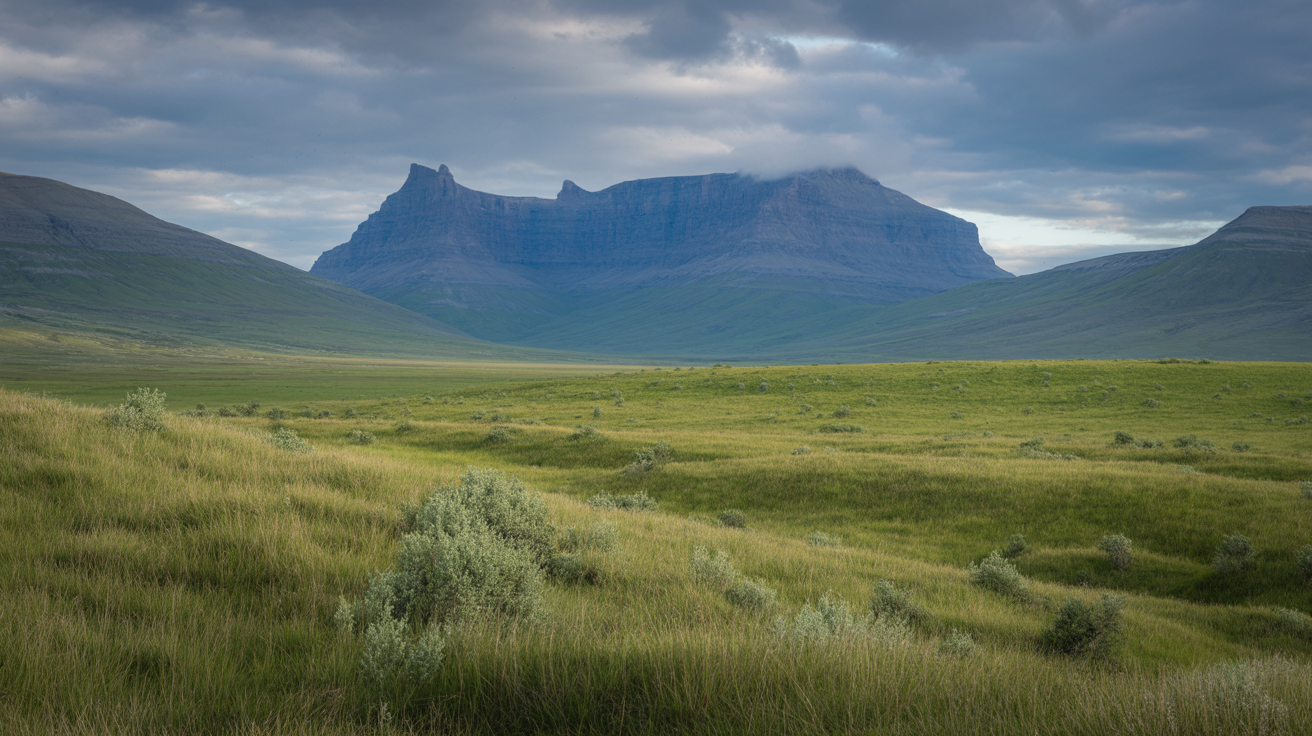
Grassland
Open areas dominated by grasses rather than trees, supporting numerous herbivores and their predators.
 Global
Forest
Wooded areas with significant tree cover and diverse plant and animal communities.
 Global
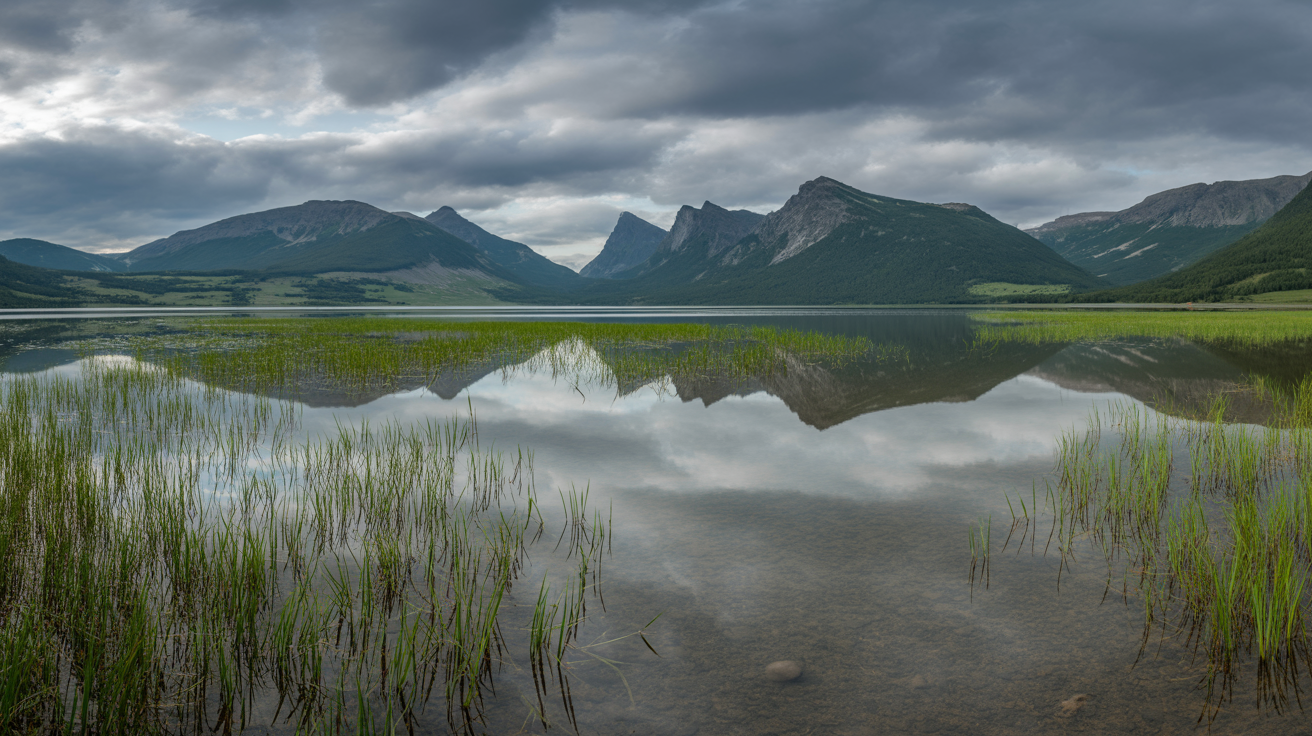
Freshwater
Lakes, rivers, and wetlands with diverse aquatic ecosystems.
Conservation
The Dusky Gopher Frog is currently classified as Critically Endangered on the IUCN Red List.
Threats & challenges
The primary threats to the Dusky Gopher Frog are habitat loss, fragmentation, and degradation, particularly the destruction of longleaf pine forests and the loss of ephemeral breeding ponds due to fire suppression, urbanization, and agriculture. The decline of gopher tortoise populations further reduces available burrows for shelter. Invasive species, such as predatory fish and bullfrogs, threaten larval survival when introduced to breeding ponds. Small, isolated populations are vulnerable to genetic bottlenecks, disease (notably chytridiomycosis), and stochastic events. Conservation challenges include restoring fire regimes, protecting and reconnecting suitable habitats, and managing breeding sites to maintain hydroperiods and exclude predators. As of 2024, fewer than 250 adult individuals are estimated to remain in the wild, with only a handful of natural breeding sites.
Taxonomy
Scientific name
Lithobates sevosus
- Kingdom
- Animalia
- Phylum
- Chordata
- Class
- Amphibia
- Order
- Anura
- Family
- Ranidae
- Genus
- Lithobates
- Species
- sevosus
Community notes
Share your observations about the Dusky Gopher Frog.
No community notes yet. Be the first!
Discover more wildlife
More fascinating animals from the encyclopedia.