
About the Eastern brown snake
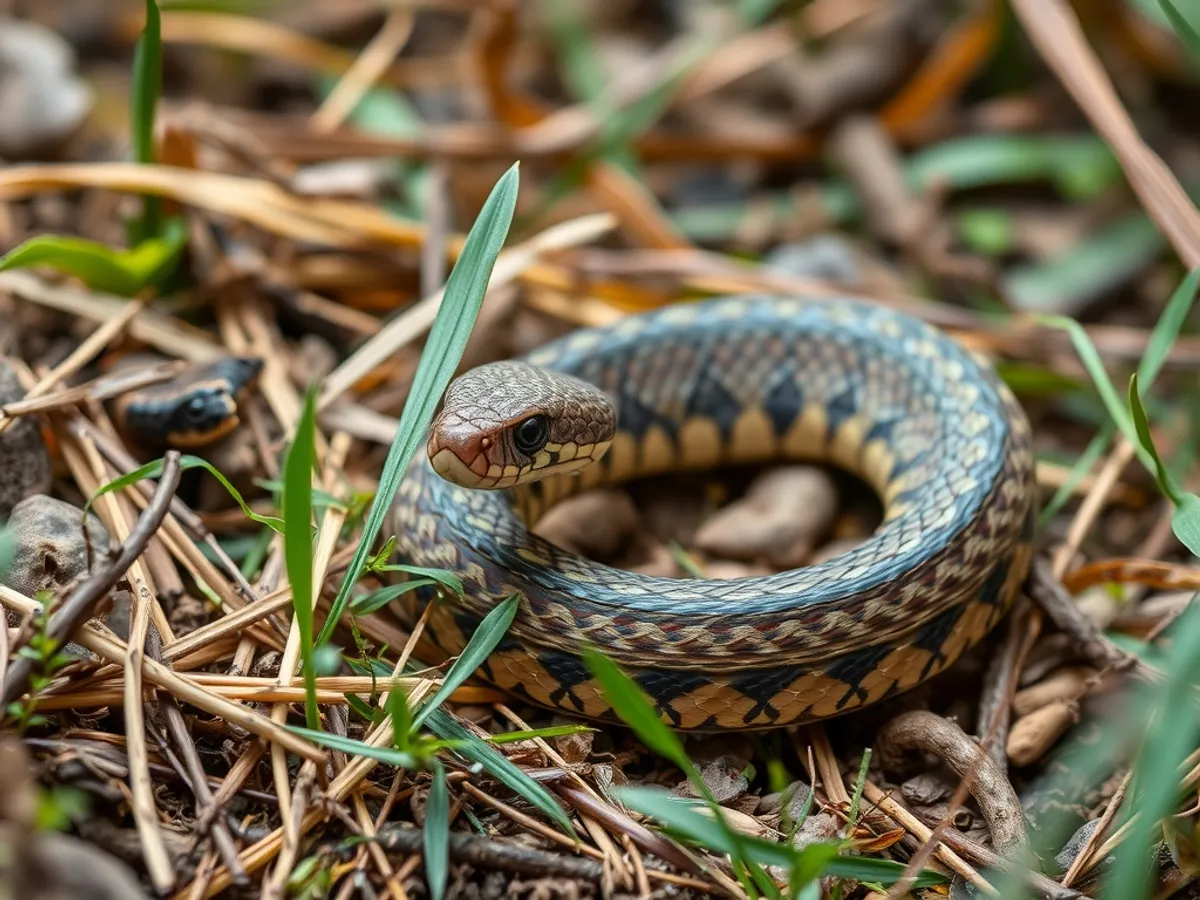
Pseudonaja textilis has the unenviable distinction of causing more snakebite deaths in Australia than every other species combined, and the reason is not that its venom is the strongest — though it ranks near the top of any drop-for-drop toxicity list — but that it is fast, nervous, active by day, and it thrives in exactly the places people are. Clearing land for wheat and grazing brought the introduced house mouse, and the brown snake followed the mice into farms, sheds and outer suburbs. Its venom is dominated by a prothrombin activator that hijacks the victim's own clotting cascade, burning through clotting factors until the blood cannot clot at all, a condition called venom-induced consumption coagulopathy; in severe cases collapse and cardiac arrest can occur within minutes, before any of the classic symptoms appear. The dose it delivers is tiny by snake standards, often only a few milligrams, and bites frequently leave almost no mark. When cornered it rears into a tall S-shaped curve with the mouth open and can strike repeatedly, but it will far rather flee. Despite the name, colour varies from pale tan through orange to almost black, and juveniles often have a dark head band, so identification by colour is unreliable.
Fascinating facts
Highly Venomous
Eastern brown snakes possess the second most toxic venom of all land snakes, and even small amounts can be fatal to humans.
Incredibly Fast
This species is known for its speed and agility, allowing it to escape predators and chase prey quickly across open terrain.
Thrives Near Humans
Eastern brown snakes are often found in agricultural and suburban areas, increasing their encounters with people.
Detailed description
The Eastern brown snake (Pseudonaja textilis) is a slender, fast-moving elapid with an average adult length typically between 1.1 and 1.8 meters, though specimens up to 2 meters have been recorded. Its coloration is highly variable, ranging from pale brown, olive, or grey to almost black dorsally, while the ventral surface is usually creamy-yellow with orange or grey blotches, especially toward the tail. The head is small and indistinct from the neck, with round pupils and smooth scales arranged in 17 rows at midbody. Juveniles often display a black head and neck band, sometimes with additional dark bands along the body, which fade with age. The species possesses long, hollow fangs located at the front of the mouth, adapted for rapid venom delivery. Eastern brown snakes are diurnal and highly alert, relying on keen vision and a sensitive forked tongue for detecting prey and threats. They are solitary outside of the breeding season and are known for their defensive displays, including raising the forebody, flattening the neck, and forming an S-shaped posture when threatened. Despite their reputation, they prefer flight over confrontation. Their venom is extremely potent, containing neurotoxins, procoagulants, and cardiotoxins, making it the second most toxic of all land snakes. The species is oviparous, laying clutches of eggs in concealed locations such as burrows or under debris. Eastern brown snakes are ecologically significant as top predators in their habitats, controlling populations of rodents and other small vertebrates.
Did you know?
Despite their dangerous reputation, Eastern brown snakes help control populations of rodents and pests in agricultural areas.
Research & sources
Wikipedia summary
The eastern brown snake, often referred to as the common brown snake, is a species of extremely venomous snake in the family Elapidae. The species is native to eastern and central Australia and southern New Guinea. It was first described by André Marie Constant Duméril, Gabriel Bibron, and Auguste Duméril in 1854. The adult eastern brown snake has a slender build and can grow to 2 m (7 ft) in length. The colour of its surface ranges from pale brown to black, while its underside is pale cream-yellow, often with orange or grey splotches. The eastern brown snake is found in most habitats except dense forests, often in farmland and on the outskirts of urban areas, as such places are populated by its main prey, the house mouse. The species is oviparous. The International Union for Conservation of Nature classifies the snake as a least-concern species, though its status in New Guinea is unclear.
Behaviour & social structure
Eastern brown snakes are primarily active during the day (diurnal), with peak activity in the warmer months from September to April. They are agile and fast-moving, often seen basking in the morning sun before hunting. Their hunting strategy is predominantly active foraging, using chemical cues to track prey such as rodents, small mammals, birds, lizards, and occasionally frogs. They deliver a rapid series of bites to subdue prey, often releasing it to avoid injury before tracking and consuming it once the venom takes effect. Social interactions are limited; individuals are territorial and may engage in ritualized combat during the breeding season, with males wrestling for access to females. Eastern brown snakes are known to enter human-modified environments, such as farms and suburban gardens, especially where rodent populations are high. They exhibit site fidelity, often returning to favored basking or shelter sites.
Reproduction & life cycle
Breeding occurs in spring (September to November), with males actively seeking out females, sometimes traveling considerable distances. Courtship involves tongue-flicking and body alignment, followed by copulation. Females are oviparous, laying between 10 and 35 elongated eggs per clutch, with clutch size influenced by female size and condition. Eggs are deposited in warm, humid microhabitats such as abandoned burrows, compost heaps, or under logs. Incubation lasts 36 to 95 days, depending on environmental temperatures. There is no parental care after oviposition; hatchlings are independent from birth and possess fully functional venom glands. Sexual maturity is reached at approximately 18 to 24 months, depending on food availability and environmental conditions.
Adaptations & survival
The Eastern brown snake has evolved several adaptations for survival in diverse and often harsh Australian environments. Its slender, streamlined body allows rapid movement through open grasslands and dense ground cover. The highly potent venom, a complex mixture of neurotoxins and procoagulants, enables efficient subjugation of fast-moving and potentially dangerous prey such as rodents. The species exhibits cryptic coloration, providing camouflage against predators and prey. Behavioral adaptations include a pronounced defensive display to deter threats and the ability to exploit human-altered landscapes by preying on introduced species like the house mouse. Its acute vision and chemosensory abilities facilitate effective hunting and predator avoidance.
Cultural significance
The Eastern brown snake holds a prominent place in Australian culture, often symbolizing danger and respect for native wildlife. It is frequently featured in public safety campaigns and educational materials about venomous snakes. In Aboriginal Australian traditions, snakes are significant in Dreamtime stories, though the Eastern brown is not as central as some other species (e.g., the Rainbow Serpent). There are no known traditional medicinal or utilitarian uses for this species, but it is sometimes referenced in rural folklore and cautionary tales. Its presence in agricultural areas has led to both fear and appreciation for its role in controlling pest populations.
Recent research
Recent research has focused on the molecular composition of Eastern brown snake venom, revealing unique prothrombin activators and neurotoxins with potential biomedical applications in anticoagulant therapy and neuroscience. Studies on its ecological role highlight its importance in regulating invasive rodent populations, especially in agricultural landscapes. Ongoing telemetry and genetic studies are investigating population structure, dispersal patterns, and adaptation to urban environments. There is also active research into the effectiveness of antivenoms and the clinical management of envenomation, as this species is responsible for the majority of snakebite fatalities in Australia. Conservation genetics work is beginning to explore potential cryptic diversity within the species, particularly in New Guinea populations.
Sources
A Review of the Biology and Ecology of the Eastern Brown Snake (Pseudonaja textilis)
Australian Biological Resources Study; Shine, R. et al. (2013)
scientificVideos
Habitat
Grasslands, woodlands, farmlands
 Africa
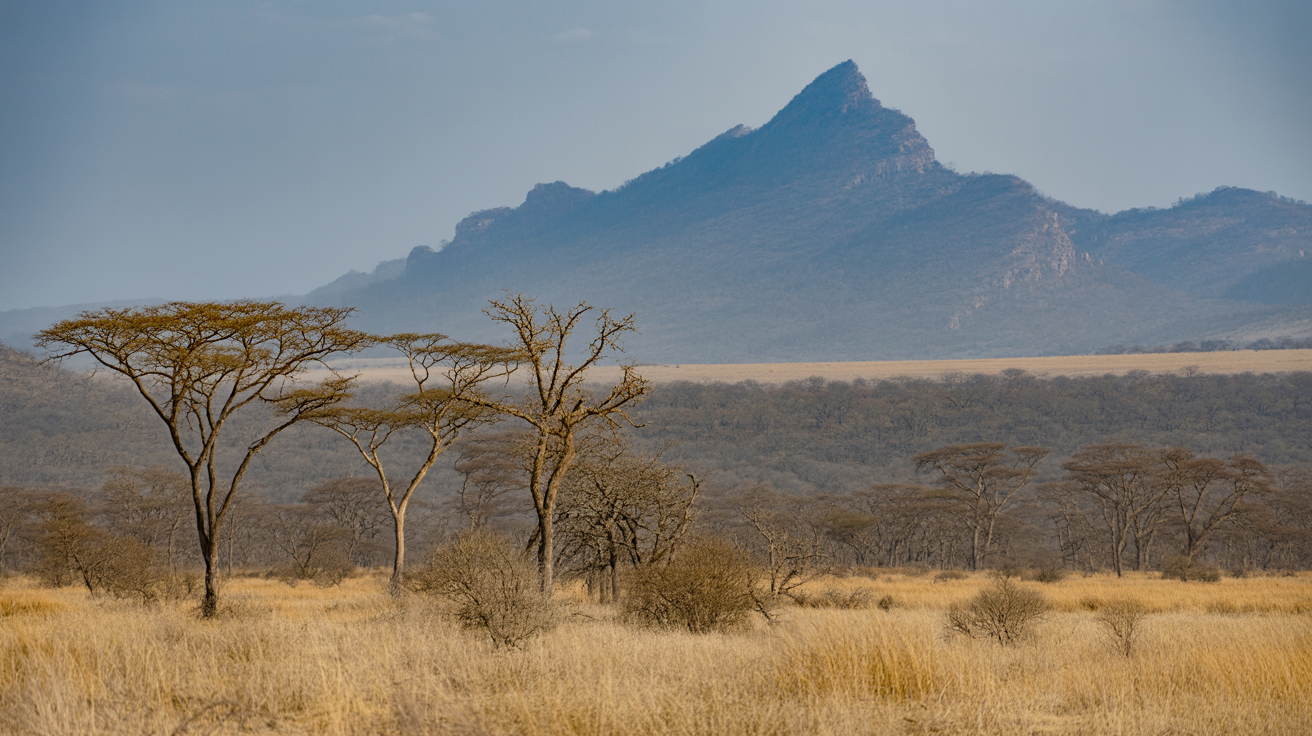
Savanna
Grasslands with scattered trees, characterized by seasonal rainfall and home to diverse grazing animals and predators.
 Various Continental Regions
Grassland
Open areas dominated by grasses rather than trees, supporting numerous herbivores and their predators.
 Global
Forest
Wooded areas with significant tree cover and diverse plant and animal communities.
Conservation
The Eastern brown snake is currently classified as Least Concern on the IUCN Red List.
Threats & challenges
While the Eastern brown snake is classified as Least Concern by the IUCN due to its wide distribution and adaptability, it faces localized threats from habitat loss, road mortality, and deliberate killing by humans due to fear of its venom. In agricultural areas, exposure to pesticides and rodenticides may pose indirect risks. The species is also susceptible to predation by birds of prey, large mammals, and introduced species such as feral cats and foxes, particularly at the juvenile stage. Climate change may alter its distribution and breeding patterns, though its ecological flexibility provides some resilience. In New Guinea, population status is less well understood and may warrant further study.
Taxonomy
Scientific name
Pseudonaja textilis
- Kingdom
- Animalia
- Phylum
- Chordata
- Class
- Reptilia
- Order
- Squamata
- Family
- Elapidae
- Genus
- Pseudonaja
- Species
- textilis
Community notes
Share your observations about the Eastern brown snake.
No community notes yet. Be the first!
Discover more wildlife
More fascinating animals from the encyclopedia.