
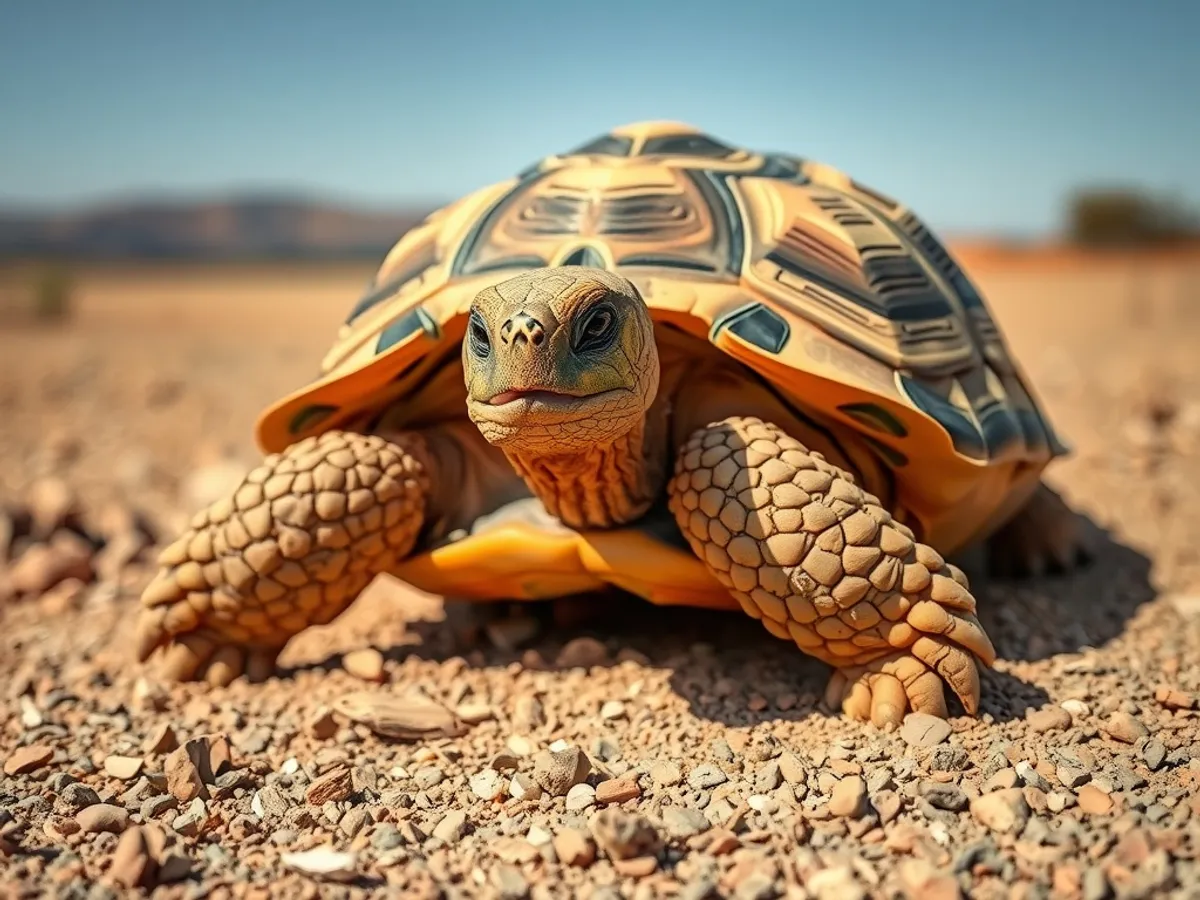
About the Egyptian tortoise
The Egyptian tortoise is one of the smallest tortoise species in the world, known for its delicate yellowish or pale carapace that camouflages well with desert sands. Native to arid regions of Egypt, Libya, and historically Israel, it inhabits sandy and stony deserts, often seeking shelter under sparse vegetation. This critically endangered reptile is adapted to extreme heat and aridity, showing remarkable water conservation abilities. Due to habitat loss and illegal pet trade, its wild populations have drastically declined, making it one of the rarest tortoises globally.
Fascinating facts
Tiny Tortoise
Adult Egyptian tortoises rarely exceed 15 centimeters (6 inches) in length, making them one of the smallest tortoises in the world.
Desert Dweller
They are well-adapted to harsh desert environments, using burrows and shade to escape the extreme midday heat.
Critical Threat
Due to illegal collection for the pet trade and severe habitat destruction, the Egyptian tortoise is listed as Critically Endangered and is protected by international law.
Detailed description
The Egyptian tortoise (Testudo kleinmanni) is a diminutive terrestrial reptile, with adults typically measuring 10–15 cm (4–6 in) in straight carapace length and weighing between 140–400 grams, making it one of the smallest tortoises globally. Its carapace is high-domed, smooth, and usually pale yellow, ivory, or light brown, providing effective camouflage against desert sands. The plastron is lighter, often with distinct dark triangular markings. The limbs are short and robust, covered in protective scales, and the head is small with a pointed snout adapted for selective grazing. Egyptian tortoises are primarily crepuscular, being most active during early morning and late afternoon to avoid the harsh midday heat. They are solitary and exhibit minimal aggression, except during the breeding season when males may compete for mates. Their diet consists mainly of fibrous desert plants, grasses, and occasional flowers, with a digestive system specialized for extracting moisture from arid vegetation. Reproduction occurs in spring and early summer, with females laying 1–5 eggs per clutch in shallow nests. Hatchlings are exceptionally small, about 3 cm long, and receive no parental care. This species is highly adapted to arid environments, with physiological mechanisms for water conservation and tolerance of extreme temperatures.
Did you know?
The Egyptian tortoise is sometimes called the 'Kleinmann's tortoise' after Eduard Kleinmann, the German zoologist who first described the species in 1875.
Research & sources
Wikipedia summary
Kleinmann's tortoise, also called commonly the Egyptian tortoise, Leith's tortoise, and the Negev tortoise, is a critically endangered species of cryptodire turtle in the family Testudinidae. The species is native to Libya and possibly extinct in Egypt. The species was once more widespread, but its numbers are now dwindling, and complete extinction in the wild is a looming threat unless more actions are taken to protect this species.
Behaviour & social structure
Egyptian tortoises are generally solitary, with limited social interaction outside of mating. They exhibit a bimodal activity pattern, emerging from shelter at dawn and dusk to forage, and retreating to burrows or under vegetation during the hottest part of the day. Their feeding behavior is selective, focusing on high-fiber, low-moisture plants such as desert grasses, sedges, and occasionally succulent leaves. They rarely drink free-standing water, instead obtaining moisture from their food and minimizing water loss through highly efficient kidneys and cloacal reabsorption. When threatened, they withdraw tightly into their shells, relying on camouflage and immobility. They are slow-moving and non-aggressive, with males occasionally displaying head-bobbing or gentle nudging during courtship. During periods of extreme heat or drought, they may enter aestivation, a state of dormancy to conserve energy and water.
Reproduction & life cycle
Breeding in Testudo kleinmanni typically occurs from March to June, coinciding with rising temperatures and increased food availability. Males court females with gentle nudges and circling behavior, sometimes accompanied by soft vocalizations. After mating, females lay 1–5 eggs per clutch, with 1–3 clutches per season depending on environmental conditions. Eggs are deposited in shallow nests dug in sandy soil, and incubation lasts 90–120 days, influenced by ambient temperature. There is no parental care post-oviposition; hatchlings emerge fully independent, relying on instinct for survival. Sexual maturity is reached at approximately 5–7 years of age in the wild, though this can vary with resource availability.
Adaptations & survival
Egyptian tortoises possess several adaptations for desert survival. Their pale, smooth carapace reflects sunlight and minimizes heat absorption, while its domed shape helps deflect predators and sand. The species has a low metabolic rate and can tolerate dehydration, with specialized kidneys that concentrate urine to conserve water. Behavioral adaptations include crepuscular activity and burrowing to avoid temperature extremes. Their digestive system is efficient at extracting nutrients and moisture from tough, fibrous plants. Evolutionarily, their small size reduces energy and water requirements, and their cryptic coloration provides effective camouflage in sandy habitats.
Cultural significance
Historically, the Egyptian tortoise has held little direct cultural or economic significance compared to other regional reptiles. However, its image has occasionally appeared in ancient Egyptian art and symbolism, representing longevity and resilience. In recent decades, the species has become a symbol for desert conservation efforts in Egypt and Libya, featured in environmental education campaigns and as a flagship species for habitat protection. There are no known traditional medicinal or culinary uses.
Recent research
Recent research has focused on the genetic diversity of remnant populations, revealing low genetic variability due to population bottlenecks and fragmentation. Ongoing studies are investigating the species’ physiological adaptations to aridity, including water balance and thermoregulation. Conservation programs, such as captive breeding and reintroduction initiatives, are being trialed in Israel and Libya, with mixed success due to habitat suitability and post-release survival challenges. Notably, a 2021 study highlighted the importance of microhabitat features, such as shrub cover and soil composition, for nest site selection and juvenile survival. Molecular phylogenetics has clarified the species’ relationship within the Testudo genus, supporting its distinct taxonomic status.
Videos
Habitat
Arid desert and semi-desert regions

Conservation
The Egyptian tortoise is currently classified as Critically Endangered on the IUCN Red List.
Threats & challenges
The primary threats to Testudo kleinmanni are habitat destruction due to agricultural expansion, urbanization, and infrastructure development, particularly in coastal and delta regions. Illegal collection for the international pet trade has decimated wild populations, with thousands removed annually in the late 20th century. Overgrazing by livestock, competition with invasive species, and climate change further exacerbate habitat degradation. The species is now considered possibly extinct in Egypt, with remnant populations surviving in Libya and, to a lesser extent, Israel. Conservation challenges include weak law enforcement, lack of public awareness, and difficulties in habitat restoration. Population trends are sharply declining, with estimates suggesting fewer than 1,000 mature individuals remaining in the wild.
Taxonomy
Scientific name
Testudo kleinmanni
- Kingdom
- Animalia
- Phylum
- Chordata
- Class
- Reptilia
- Order
- Testudines
- Family
- Testudinidae
- Genus
- Testudo
- Species
- kleinmanni
Where to see an egyptian tortoise
5 zoos and aquariums in 2 countries are recorded as keeping this species.
- 🦁The Maryland Zoo in Baltimore🇺🇸 Baltimore, United States
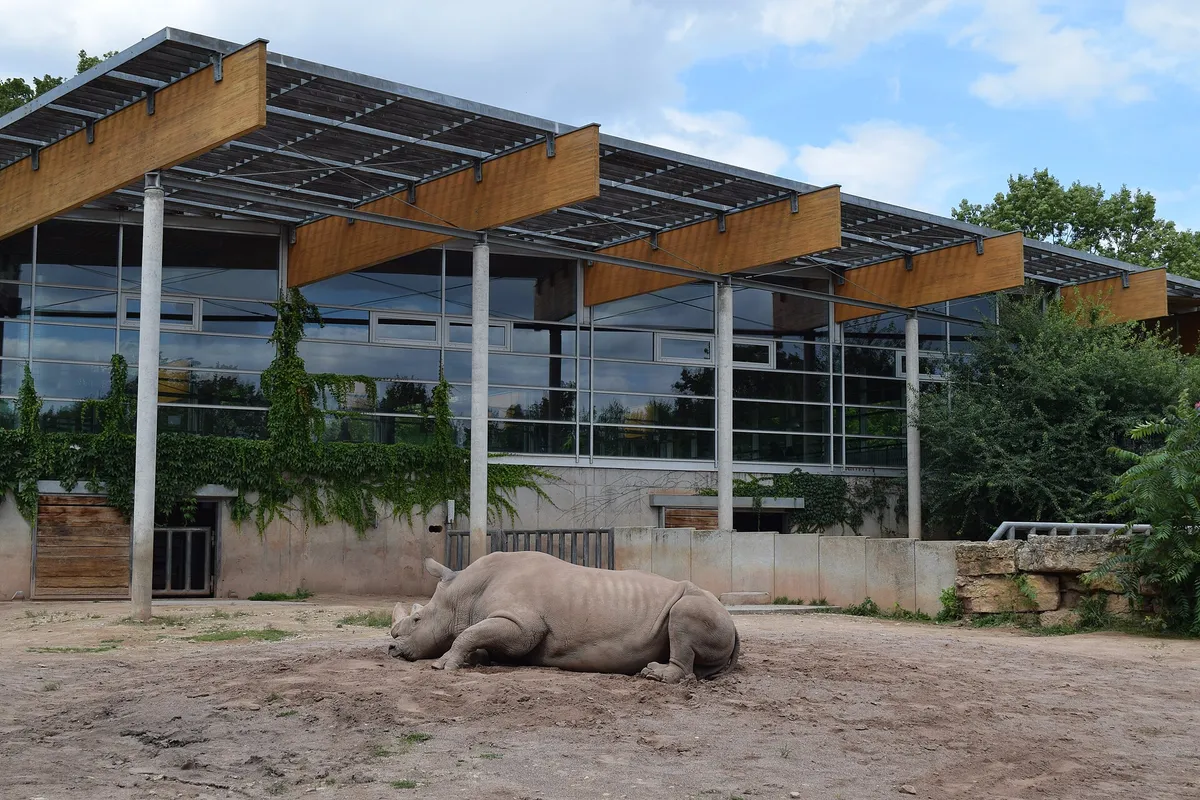 Thüringer Zoopark Erfurt🇩🇪 Erfurt, Germany
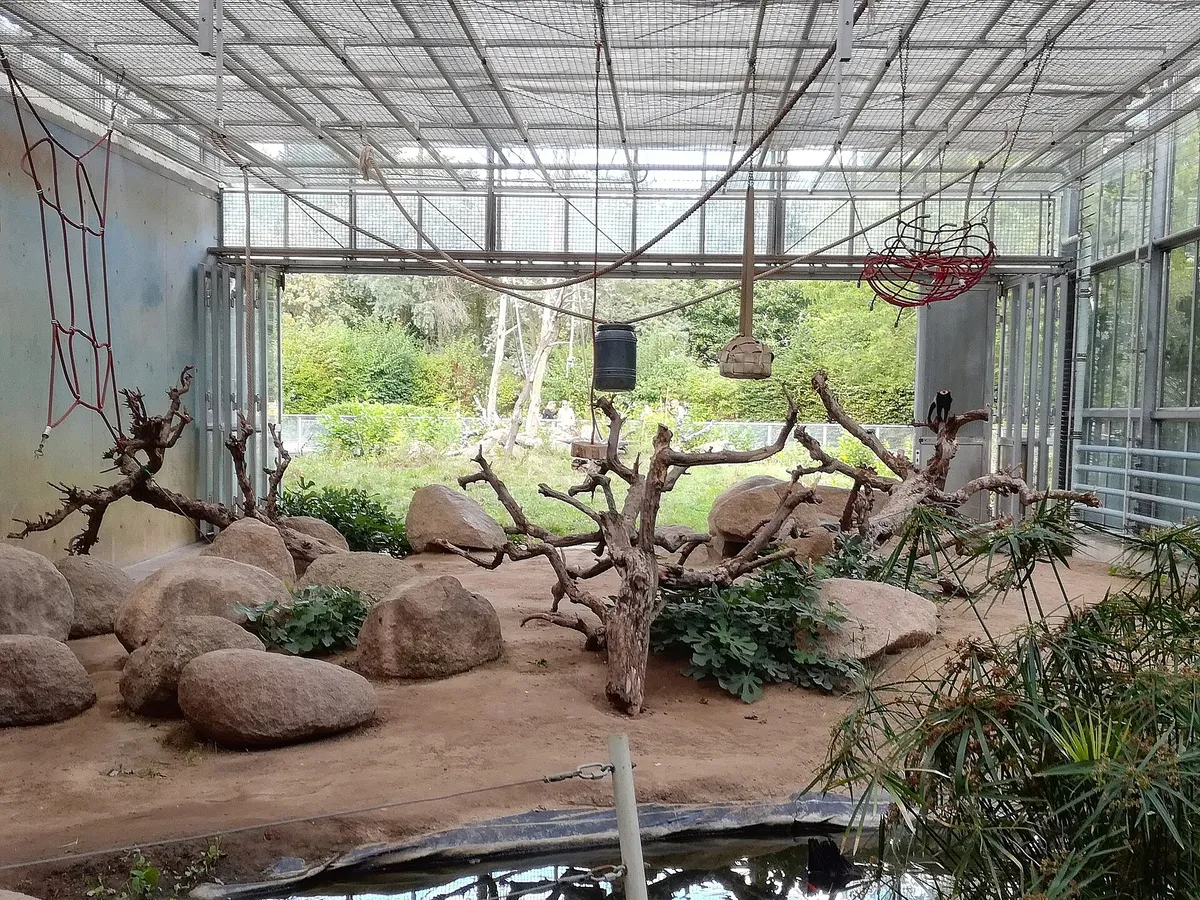 Vivarium🇩🇪 Darmstadt, Germany
 Birmingham Zoo🇺🇸 United States
- 🦁Cheyenne Mountain Zoo🇺🇸 United States
Community notes
Share your observations about the Egyptian tortoise.
No community notes yet. Be the first!
Discover more wildlife
More fascinating animals from the encyclopedia.