
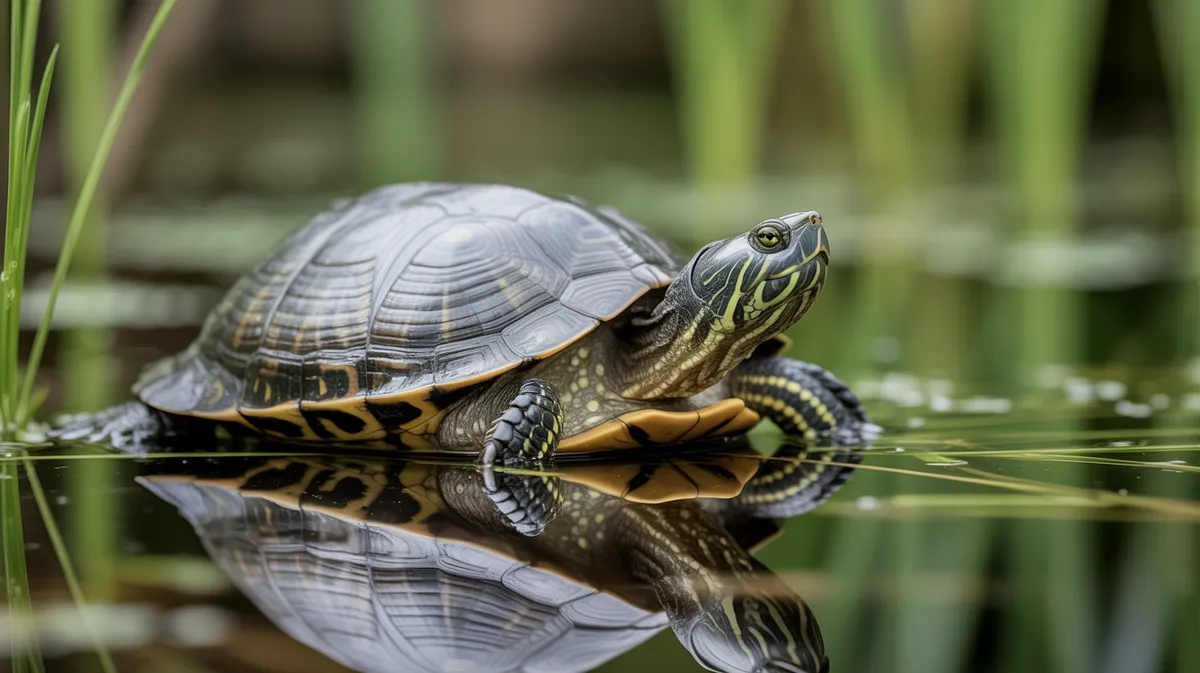
About the European Pond Turtle
The European Pond Turtle is a medium-sized freshwater turtle native to a broad range across Europe, western Asia, and parts of North Africa. It features a domed, dark olive to black carapace often adorned with yellow specks or streaks. This species is highly aquatic, preferring slow-moving waters with abundant vegetation, and is known for its shy and secretive behavior. European Pond Turtles are long-lived and play an important role in their ecosystems, both as predators and prey. Unfortunately, habitat loss and fragmentation have led to declining populations in many regions.
Fascinating facts
Long Lifespan
European Pond Turtles can live up to 60 years in the wild, making them one of Europe's longest-lived reptile species.
Diet Diversity
These turtles eat a variety of foods, including insects, small fish, amphibians, and aquatic plants, showing a truly omnivorous diet.
Wide Range
Emys orbicularis has one of the broadest distributions of any European reptile, from Portugal and Spain in the west to Russia and Iran in the east.
Detailed description
The European pond turtle (Emys orbicularis) is a medium-sized freshwater turtle, with adults typically measuring 12–20 cm in carapace length and weighing between 600–1,200 grams. Its domed carapace is smooth and dark olive, brown, or black, often adorned with fine yellow or cream speckling and radiating lines, while the plastron is yellowish with dark blotches. The head is relatively small, with a pointed snout and yellow markings on the cheeks and neck. Limbs are robust and webbed, well-adapted for swimming, and the claws are strong for digging and climbing onto basking sites. This species is highly aquatic, spending most of its life in water, but it regularly basks on logs or banks to regulate its body temperature. European pond turtles are generally shy and will quickly dive into water at the slightest disturbance. They are long-lived, with lifespans often exceeding 40–60 years in the wild, and some individuals have been recorded living over 100 years in captivity. Their activity is strongly seasonal: they are most active from late spring to early autumn, entering hibernation in mud at the bottom of water bodies during colder months. Sexual dimorphism is present, with females generally larger and possessing shorter, less concave plastrons compared to males, who have longer, thicker tails.
Did you know?
Despite their aquatic nature, European Pond Turtles can travel over a kilometer on land, especially during the nesting season.
Research & sources
Wikipedia summary
The European pond turtle, also called commonly the European pond terrapin and the European pond tortoise, is a species of long-living freshwater turtle in the family Emydidae. The species is endemic to the Western Palearctic.
Behaviour & social structure
European pond turtles are diurnal, with peak activity during the morning and late afternoon. They are solitary but may aggregate at optimal basking or feeding sites. Basking is essential for thermoregulation and parasite control, and individuals may spend several hours each day sunning themselves. Their omnivorous diet includes aquatic insects, mollusks, crustaceans, amphibians, carrion, and a variety of aquatic plants and algae. Juveniles are more carnivorous, while adults incorporate more plant material. Hunting is primarily by ambush or slow stalking, using their sharp beaks to seize prey. Turtles are generally secretive and will retreat into water or mud when threatened. During the breeding season, males may display courtship behaviors such as circling, biting, and vibrating their forelimbs in front of the female. Territoriality is minimal, but competition for basking and nesting sites can occur.
Reproduction & life cycle
Breeding occurs from late April to June, coinciding with rising temperatures. Males pursue females in shallow water, and copulation often takes place underwater. Females lay 3–16 elongated, leathery eggs per clutch, usually in sandy or loamy soil up to 150 meters from water, and may produce one or occasionally two clutches per season. Nesting occurs at dusk or night, with females excavating nests using their hind limbs. Incubation lasts 60–100 days, depending on temperature, and sex determination is temperature-dependent (TSD): higher incubation temperatures favor females, lower favor males. Hatchlings emerge in late summer or may overwinter in the nest, emerging the following spring. There is no parental care after egg-laying. Sexual maturity is reached at 6–10 years for males and 10–15 years for females, depending on environmental conditions.
Adaptations & survival
Emys orbicularis exhibits several adaptations for aquatic life, including a streamlined, hydrodynamic shell and fully webbed feet for efficient swimming. Its coloration provides camouflage among submerged vegetation and muddy substrates. The species is capable of prolonged dives, using cloacal respiration to absorb oxygen through the lining of the cloaca, allowing survival in low-oxygen environments. During droughts or cold periods, turtles can aestivate or hibernate buried in mud, reducing metabolic rate to conserve energy. The temperature-dependent sex determination system is an evolutionary adaptation to fluctuating climates. Their omnivorous diet and ability to exploit a range of habitats contribute to ecological resilience.
Cultural significance
The European pond turtle has held symbolic significance in various European cultures, often representing longevity, wisdom, and resilience. In ancient Greek and Roman mythology, turtles were associated with the gods Hermes and Aphrodite. In some regions, turtles were believed to bring good luck or were used in traditional medicine, though such practices are now rare. The species is featured in local folklore and is sometimes used as a flagship species in wetland conservation campaigns. Its presence is considered an indicator of healthy aquatic ecosystems.
Recent research
Recent research has focused on the genetic diversity and phylogeography of Emys orbicularis, revealing complex patterns of historical colonization and postglacial expansion across Europe. Conservation genetics studies have identified distinct management units, highlighting the importance of preserving local genetic lineages. Ongoing telemetry and mark-recapture studies are improving understanding of movement ecology, habitat use, and population dynamics. Research on the impacts of climate change on sex ratios and reproductive success is ongoing. There is also growing interest in the effects of invasive species and disease transmission, particularly the spread of ranavirus and herpesvirus among turtle populations.
Sources
Videos
Habitat
Freshwater wetlands, ponds, lakes, slow rivers, and marshes with dense aquatic vegetation
 Various Continental Regions
Grassland
Open areas dominated by grasses rather than trees, supporting numerous herbivores and their predators.
 Global
Forest
Wooded areas with significant tree cover and diverse plant and animal communities.
 Global
Freshwater
Lakes, rivers, and wetlands with diverse aquatic ecosystems.
Conservation
The European Pond Turtle is currently classified as Near Threatened on the IUCN Red List.
Threats & challenges
The European pond turtle faces significant threats from habitat loss and fragmentation due to wetland drainage, river regulation, and urbanization. Pollution, especially from agricultural runoff and heavy metals, degrades water quality and affects reproductive success. Road mortality during terrestrial movements, particularly nesting migrations, is a major cause of adult mortality. Invasive species, such as the red-eared slider (Trachemys scripta elegans), compete for resources and may transmit diseases. Illegal collection for the pet trade and direct persecution also impact populations. Climate change poses additional risks by altering hydrological regimes and affecting sex ratios through temperature-dependent sex determination. Many populations are declining, and the species is classified as Near Threatened by the IUCN, with some regional populations considered Endangered or Critically Endangered.
Taxonomy
Scientific name
Emys orbicularis
- Kingdom
- Animalia
- Phylum
- Chordata
- Class
- Reptilia
- Order
- Testudines
- Family
- Emydidae
- Genus
- Emys
- Species
- orbicularis
Where to see an european pond turtle
5 zoos and aquariums in 1 country are recorded as keeping this species.
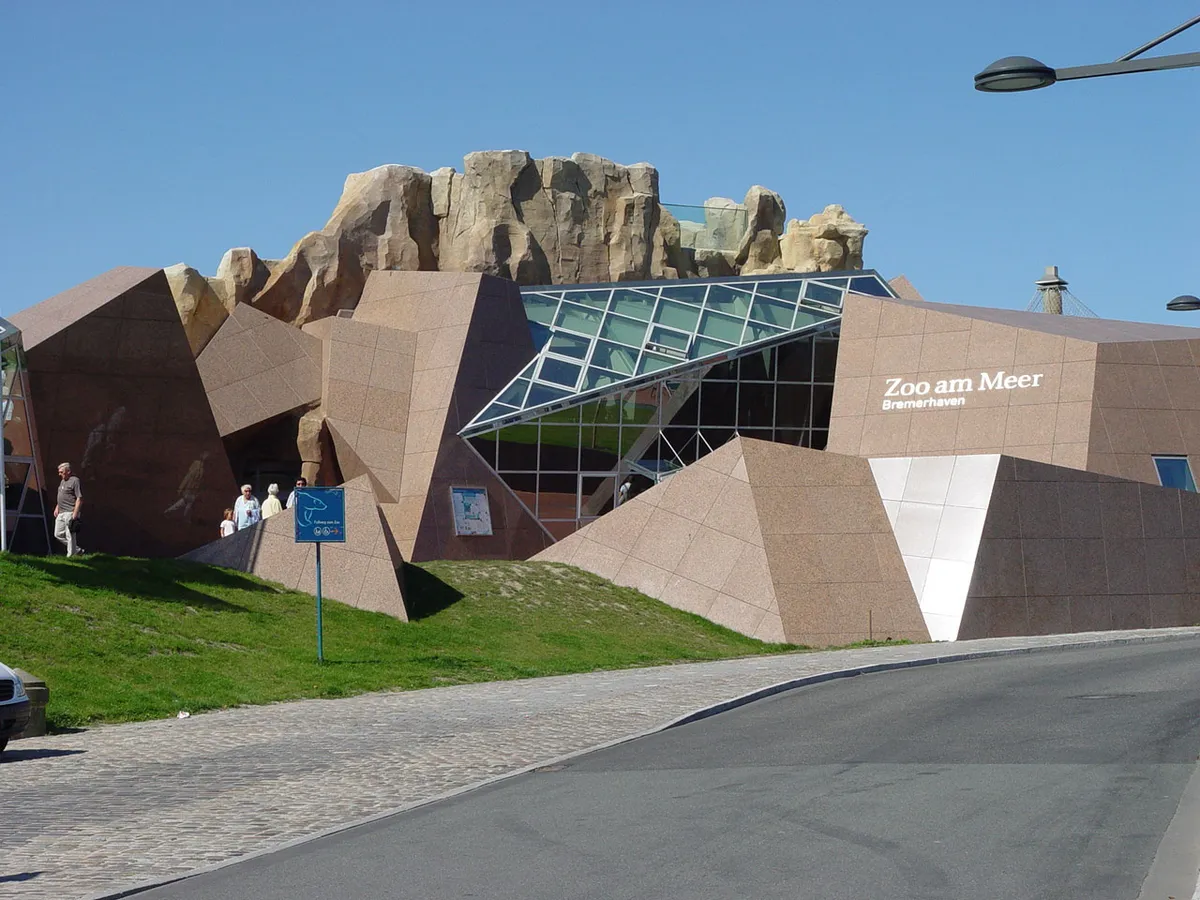 Zoo am Meer🇩🇪 Bremerhaven, Germany
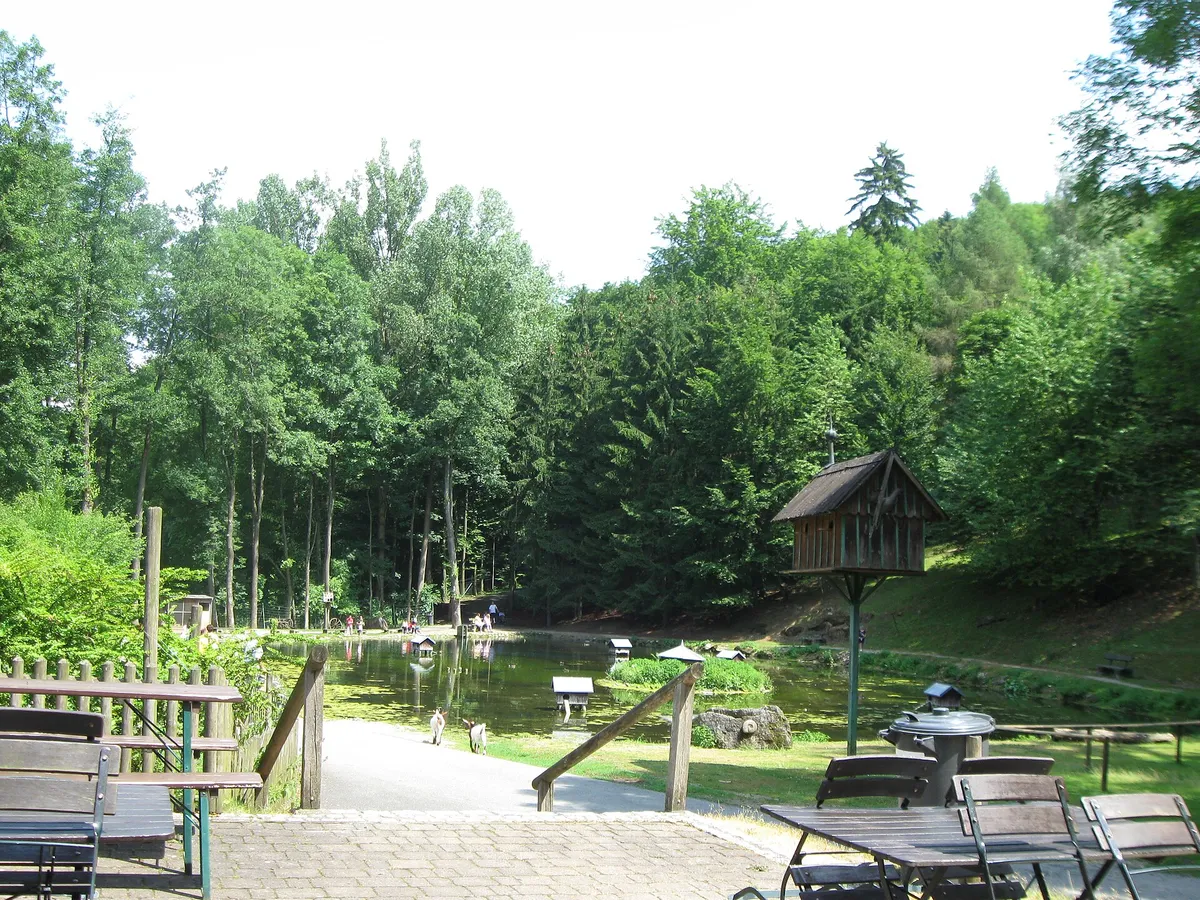 Wildpark Hundshaupten🇩🇪 Egloffstein, Germany
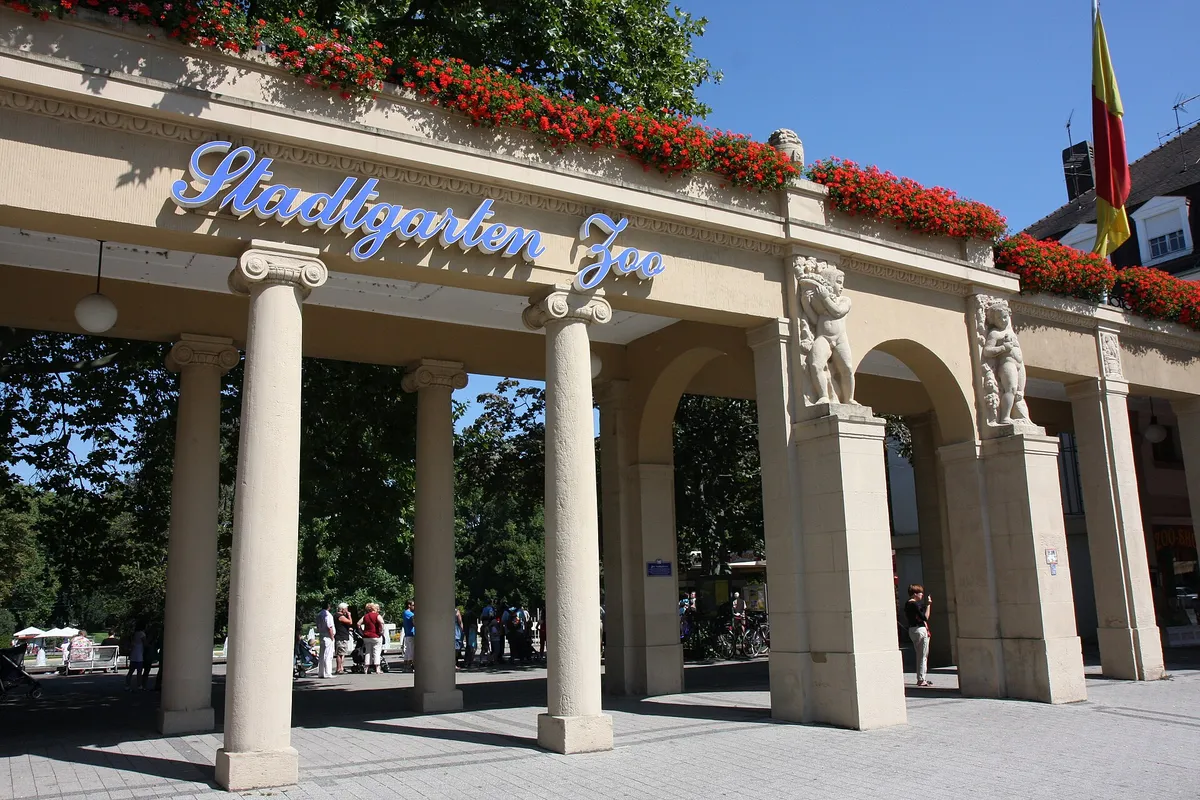 Karlsruhe Zoo🇩🇪 Germany
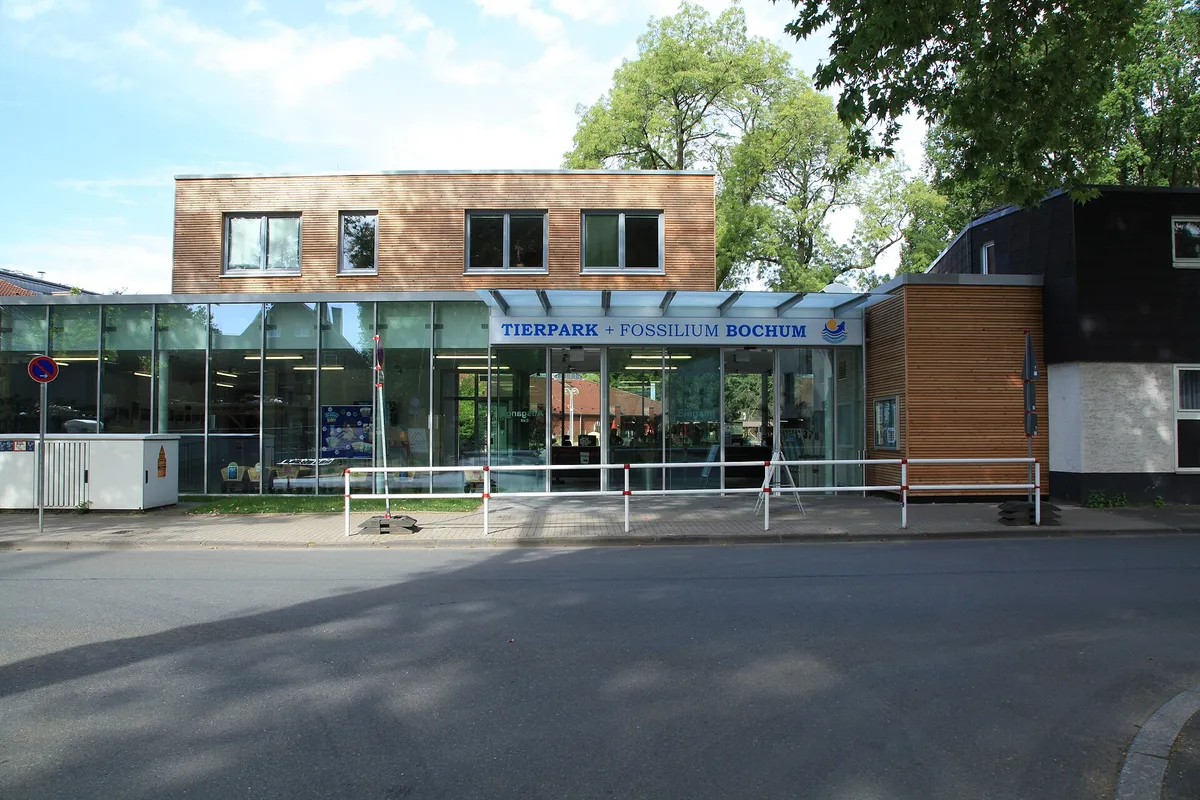 Tierpark und Fossilium Bochum🇩🇪 Bochum, Germany
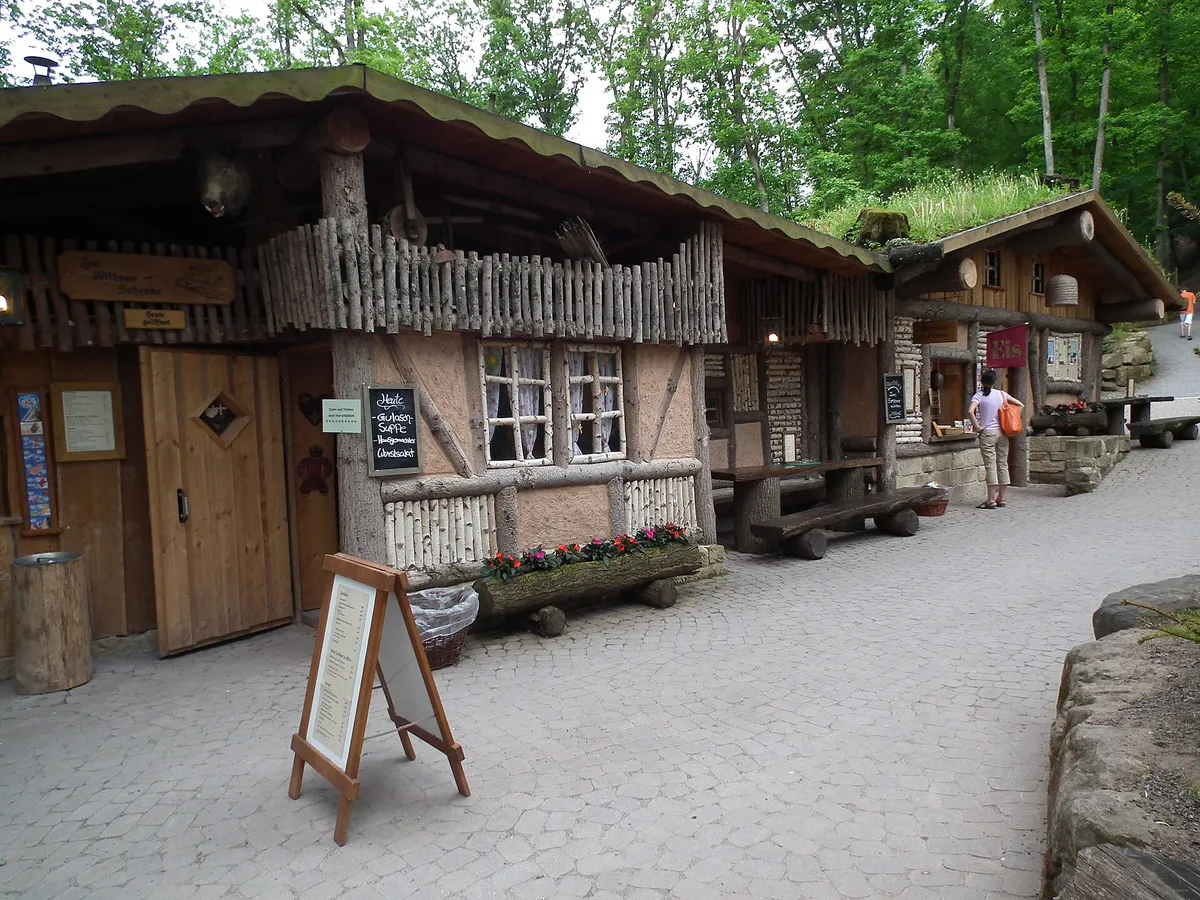 Wildparadies Tripsdrill🇩🇪 Cleebronn, Germany
Community notes
Share your observations about the European Pond Turtle.
No community notes yet. Be the first!
Discover more wildlife
More fascinating animals from the encyclopedia.