
About the Gambel's Quail
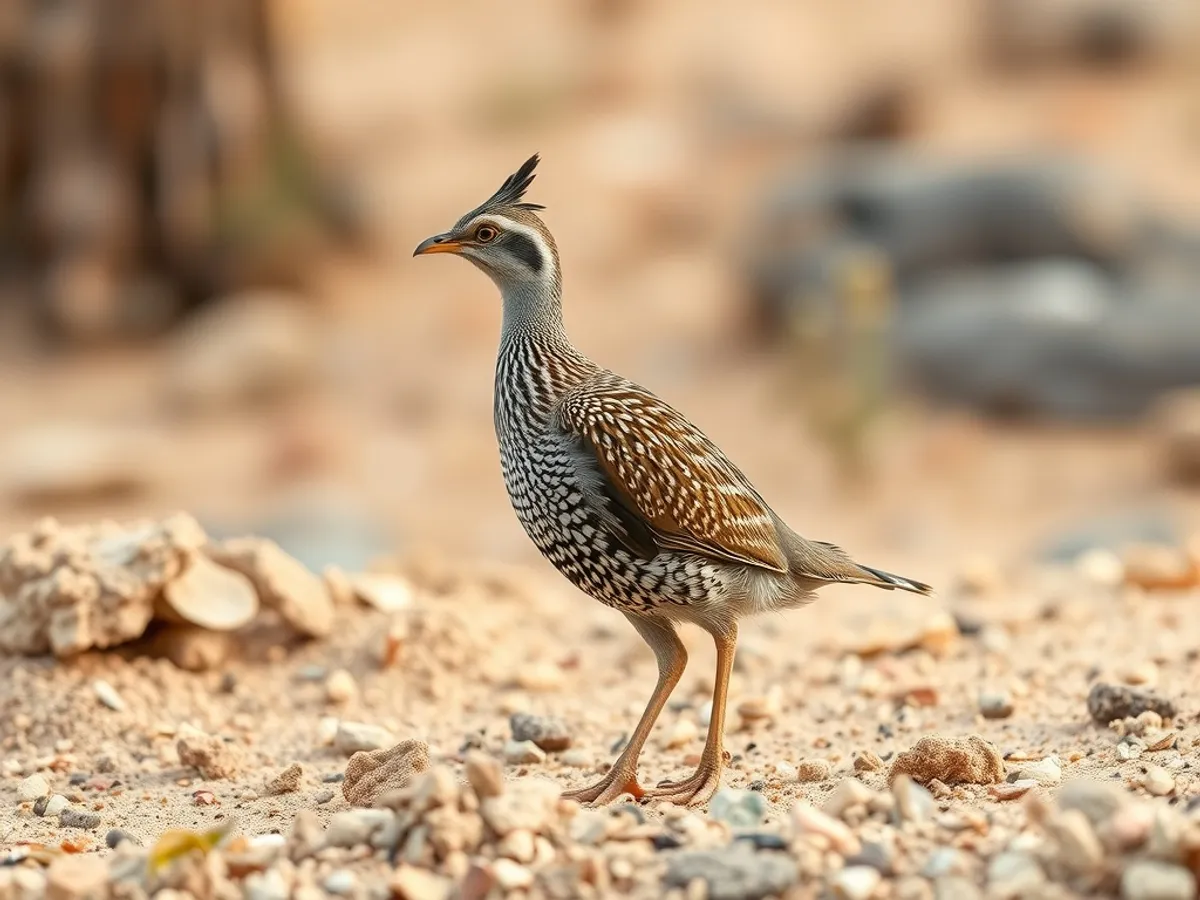
Gambel's Quail is a small, plump bird native to the arid southwestern United States and parts of northern Mexico. Recognizable by its forward-curving black topknot and scaled belly, this ground-dwelling bird is well adapted to desert life. The males are particularly striking, featuring a black face and reddish crown, while females are more subdued in coloration. Highly social, Gambel's Quail form coveys and are often seen foraging on the ground for seeds, leaves, and insects.
Fascinating facts
Signature Topknot
Both males and females sport a unique black plume on their heads, but the male's is larger and more pronounced.
Desert Adaptation
Gambel's Quail thrive in harsh, arid environments, relying on seeds and desert plants for sustenance and moisture.
Social Coveys
These quail are highly social and form groups, called coveys, that can contain up to 40 individuals outside of the breeding season.
Detailed description
Gambel's Quail (Callipepla gambelii) is a medium-sized New World quail, measuring approximately 24–27 cm (9.5–11 in) in length and weighing 160–200 grams (5.6–7 oz). It is characterized by a prominent black, comma-shaped plume (topknot) that curves forward from the forehead, more pronounced in males. Males display a striking plumage with a chestnut crown, black face, white-bordered black throat patch, and bluish-gray breast, while females are more cryptically colored with a grayish-brown body and lack the bold facial markings. Both sexes have intricately scaled patterns on the belly and flanks, providing camouflage in their arid habitats. The wings are short and rounded, adapted for rapid, explosive bursts of flight, though the species is primarily terrestrial and prefers running to flying. Gambel's Quail are highly gregarious, forming coveys of up to 20 or more individuals outside the breeding season. Their vocalizations are distinctive, including the 'ka-KAA-ka' call used for communication and covey cohesion. The species is well adapted to desert environments, relying on dense brush for cover and rarely venturing far from water sources, although they can survive extended periods on moisture obtained from food. Their diet is omnivorous, consisting mainly of seeds, leaves, fruits, and insects, with seasonal variation. The species exhibits strong site fidelity and complex social structures, with communal roosting and cooperative vigilance against predators.
Did you know?
Despite living in dry deserts, Gambel's Quail can survive long periods without direct water, obtaining moisture from the food they eat.
Research & sources
Wikipedia summary
Gambel's quail is a small ground-dwelling bird in the New World quail family. It inhabits the desert regions of Arizona, California, Colorado, New Mexico, Nevada, Utah, Texas, and Sonora; also New Mexico-border Chihuahua and the Colorado River region of Baja California. Gambel's quail is named in honor of William Gambel, a 19th-century naturalist and explorer of the Southwestern United States.
Behaviour & social structure
Gambel's Quail are diurnal and spend most of their active hours foraging on the ground, typically in the early morning and late afternoon to avoid midday heat. They use a combination of scratching and pecking to uncover seeds, tender shoots, and small invertebrates. Social interactions are highly developed, with covey members maintaining contact through soft clucking calls and coordinated movements. When threatened, they prefer to run swiftly through cover rather than take flight, only resorting to short, explosive flights as a last resort. Coveys exhibit a clear dominance hierarchy, with older or more experienced birds often leading foraging and vigilance activities. During the breeding season, pairs separate from the covey, but outside this period, group cohesion is strong. Dust bathing and sunning are common behaviors, aiding in parasite control and thermoregulation. Gambel's Quail are also known for their sentinel behavior, where one or more individuals stand guard while others feed.
Reproduction & life cycle
Breeding occurs primarily from March to July, with timing influenced by rainfall and food availability. Gambel's Quail are monogamous during the breeding season, forming pair bonds that may persist across years. Courtship involves males displaying their topknot and performing ritualized postures and calls. Nests are shallow depressions lined with grass and leaves, typically concealed under shrubs or dense vegetation. Females lay 10–12 eggs per clutch, with incubation lasting 21–23 days. The female incubates while the male guards the territory and may assist in chick defense. Upon hatching, precocial chicks leave the nest within hours and are led by both parents, who provide protection and guidance but do not feed the young directly. Multiple broods may be attempted in favorable years. Family groups may rejoin coveys as the breeding season ends.
Adaptations & survival
Gambel's Quail exhibit several adaptations to arid environments: their cryptic plumage provides camouflage against predators, and their ability to obtain water metabolically from seeds and succulent vegetation allows survival in dry habitats. The forward-curving topknot may serve as a visual signal in social and mating contexts. Their strong legs and preference for running over flying reduce energy expenditure and exposure to aerial predators. Behavioral adaptations include crepuscular activity patterns to avoid heat stress and the use of dense cover for nesting and predator avoidance. Physiologically, they can tolerate high temperatures and conserve water efficiently.
Cultural significance
Gambel's Quail hold cultural significance in the American Southwest, symbolizing the region's unique desert fauna. They appear in Native American folklore and are featured in regional art and literature. The species is popular among birdwatchers and is a game bird in several states, managed through regulated hunting. Their distinctive appearance and social behaviors make them a familiar and charismatic presence in desert communities.
Recent research
Recent research has focused on the effects of drought and habitat fragmentation on Gambel's Quail reproductive success and population dynamics. Studies using radio telemetry have provided insights into covey structure, home range size (typically 10–40 hectares), and movement patterns. Genetic analyses have clarified relationships with other Callipepla species, supporting their distinct evolutionary lineage. Ongoing research examines the role of supplemental water sources and habitat restoration in supporting quail populations amid changing climate conditions.
Sources
Videos
Habitat
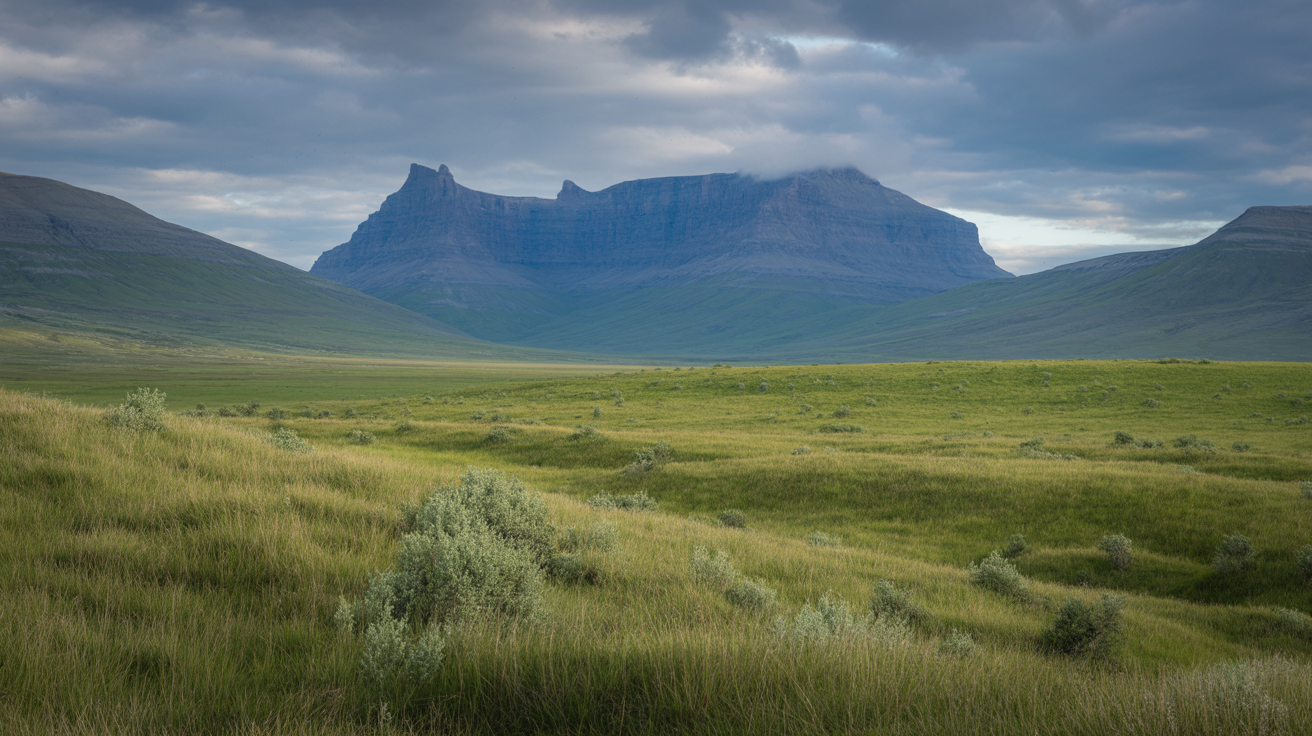
Desert scrublands and arid regions

Conservation
The Gambel's Quail is currently classified as Least Concern on the IUCN Red List.
Threats & challenges
Currently, Gambel's Quail populations are stable and classified as Least Concern by the IUCN. However, local declines have been observed due to habitat loss from urbanization, agricultural expansion, and water diversion in the southwestern United States. Prolonged droughts, exacerbated by climate change, can reduce reproductive success and chick survival. Predation by introduced species (e.g., domestic cats) and increased fire frequency also pose threats. Despite these challenges, the species' adaptability and wide range have helped maintain robust populations, though continued monitoring is warranted.
Taxonomy
Scientific name
Callipepla gambelii
- Kingdom
- Animalia
- Phylum
- Chordata
- Class
- Aves
- Order
- Galliformes
- Family
- Odontophoridae
- Genus
- Callipepla
- Species
- gambelii
Community notes
Share your observations about the Gambel's Quail.
No community notes yet. Be the first!
Discover more wildlife
More fascinating animals from the encyclopedia.