
About the Garden chafer
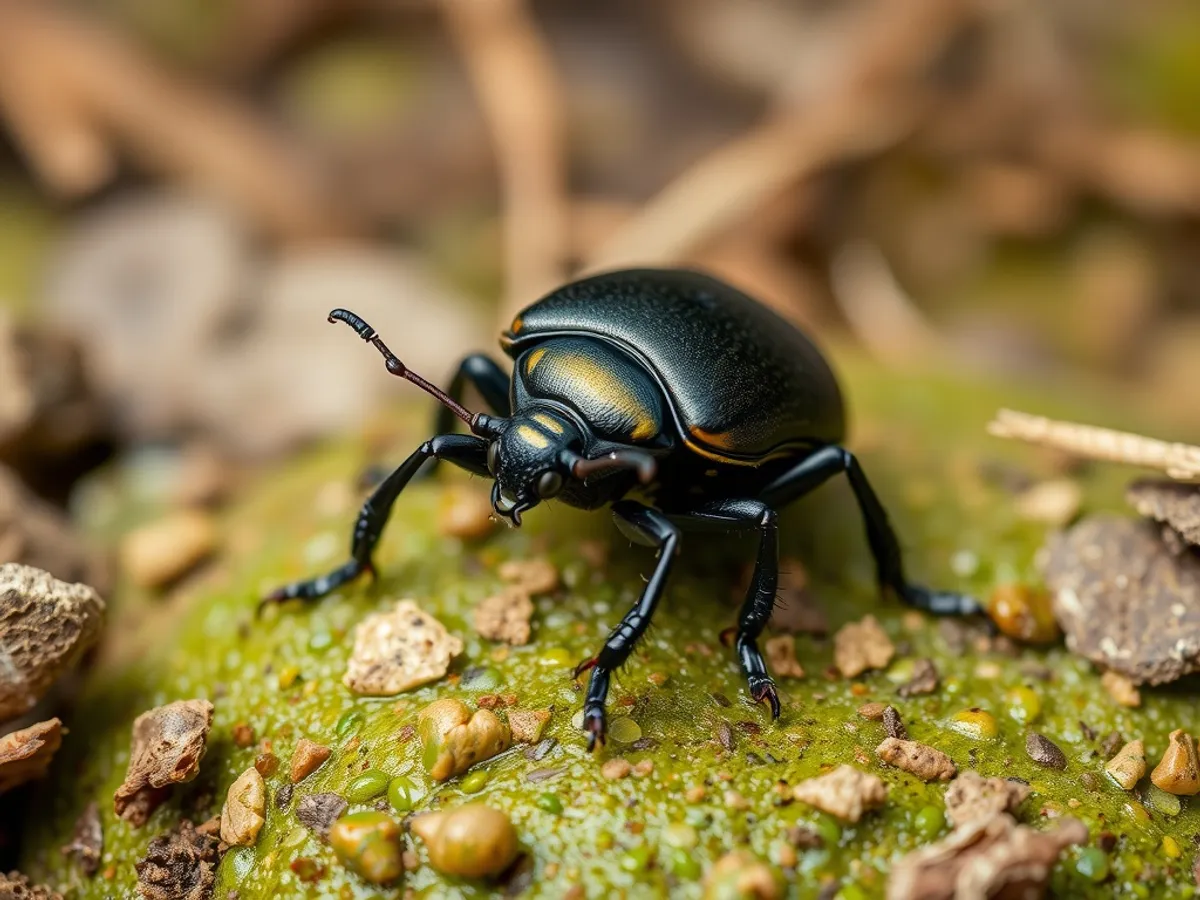
The garden chafer is a small beetle commonly found across Europe and parts of Asia. Adults are easily recognized by their metallic green head and thorax, and reddish-brown elytra (wing covers). They are most active in late spring and early summer, when they emerge in large numbers to feed and breed. The larvae, known as white grubs, live underground and feed on the roots of grasses and plants, sometimes causing damage to lawns and crops.
Fascinating facts
Distinctive Coloring
The garden chafer features a striking metallic green head and thorax with coppery-brown wing cases, making it easily distinguishable from similar beetles.
Lawn Pest
Larvae of the garden chafer feed on the roots of grasses and plants, which can lead to yellowing patches and damage in lawns and pastures.
Bird Food Source
The white grubs of the garden chafer are an important food source for many bird species, especially during the breeding season.
Detailed description
The garden chafer (Phyllopertha horticola) is a medium-sized scarab beetle, typically measuring 8–11 mm in length. Its distinctive appearance includes a metallic green or blue-green head and pronotum, contrasted by coppery-brown elytra covered in fine hairs. The antennae are short and clubbed, adapted for detecting pheromones and plant volatiles. The legs are robust, with spiny tibiae suited for digging and clinging to vegetation. Adults are diurnal and are most visible during their flight period from May to July, often swarming in large numbers. Their life cycle is holometabolous, with larvae (white grubs) developing underground for 2–3 years before pupating. Larvae are C-shaped, creamy white, and can reach up to 20 mm in length. The species is univoltine in most regions, producing one generation per year. Garden chafers play a dual ecological role: adults feed on leaves and flowers, while larvae are important soil organisms, though they can become pests in turf and agriculture.
Did you know?
Despite their small size, garden chafer larvae can cause significant damage to lawns and turf by feeding on the roots underground.
Research & sources
Behaviour & social structure
Garden chafers are primarily crepuscular to diurnal, with peak adult activity occurring on warm, sunny days. Adults are strong fliers and are often observed in swarms above grasslands and gardens, especially during mating periods. They feed on a variety of plant materials, including leaves, flowers, and sometimes fruit, using their mandibles to chew soft tissues. Feeding damage by adults is usually minor, but heavy infestations can skeletonize leaves. Larvae remain subterranean, feeding on roots of grasses and herbaceous plants, which can lead to yellowing and dieback in lawns. Social interactions are limited; adults aggregate mainly for mating and feeding, not forming true social groups. Both adults and larvae are preyed upon by birds, mammals (such as moles and hedgehogs), and parasitic insects.
Reproduction & life cycle
Mating occurs soon after adult emergence, typically in late spring to early summer. Males locate females by detecting pheromones released by receptive females. After mating, females burrow into the soil to lay eggs, depositing 20–40 eggs in small clusters at depths of 5–10 cm. The eggs hatch after 2–4 weeks, depending on soil temperature. Larvae undergo three instars over 2–3 years, feeding on plant roots and overwintering in the soil. Pupation occurs in an earthen cell during late spring, with adults emerging a few weeks later. There is no parental care; all life stages are independent after oviposition. The timing of emergence and breeding is closely linked to temperature and soil moisture.
Adaptations & survival
Phyllopertha horticola exhibits several adaptations for survival. The metallic coloration of adults provides camouflage among foliage and may deter predators via structural coloration. The robust, spiny legs and strong mandibles allow efficient digging and feeding. Larvae possess powerful jaws for root feeding and a flexible, C-shaped body for maneuvering through soil. Adults have sensitive antennae with lamellate clubs, enabling detection of pheromones and host plant volatiles. The species' extended larval development allows it to exploit root resources over multiple seasons, increasing survival odds in variable environments. Swarming behavior enhances mating success and may reduce individual predation risk.
Cultural significance
While the garden chafer lacks major mythological or symbolic significance, it has been noted in European folklore as a harbinger of summer due to its conspicuous swarming. In some regions, its larvae have been considered pests of lawns, golf courses, and pastures, leading to their mention in agricultural literature. There are no known traditional uses for the species, but its presence is sometimes used as an indicator of soil health and ecosystem function.
Recent research
Recent research has focused on the garden chafer's pheromone communication, with studies identifying specific compounds involved in mate attraction, offering potential for targeted pest management. Investigations into larval development have highlighted the species' sensitivity to soil temperature and moisture, relevant under climate change scenarios. Biological control using entomopathogenic nematodes (e.g., Heterorhabditis spp.) has been explored as an alternative to chemical pesticides for larval management. Ongoing studies are examining the beetle's role in soil ecosystems, particularly its interactions with plant communities and soil microbiota.
Videos
Habitat
Grasslands, meadows, gardens, hedgerows, and light woodland edges


Conservation
The Garden chafer is currently classified as Least Concern on the IUCN Red List.
Threats & challenges
Currently, the garden chafer is not considered threatened and is classified as Least Concern by the IUCN. However, intensive turf management, pesticide use, and habitat loss can locally reduce populations. In agricultural and horticultural settings, larvae are sometimes targeted as pests, leading to chemical control measures that may impact non-target soil fauna. Climate change may alter emergence timing and larval development rates. Natural enemies, including birds, mammals, and parasitic wasps, help regulate populations. Overall, the species remains widespread and adaptable, but localized outbreaks or declines can occur based on land use practices.
Taxonomy
Scientific name
Phyllopertha horticola
- Kingdom
- Animalia
- Phylum
- Arthropoda
- Class
- Insecta
- Order
- Coleoptera
- Family
- Scarabaeidae
- Genus
- Phyllopertha
- Species
- horticola
Where to see a garden chafer
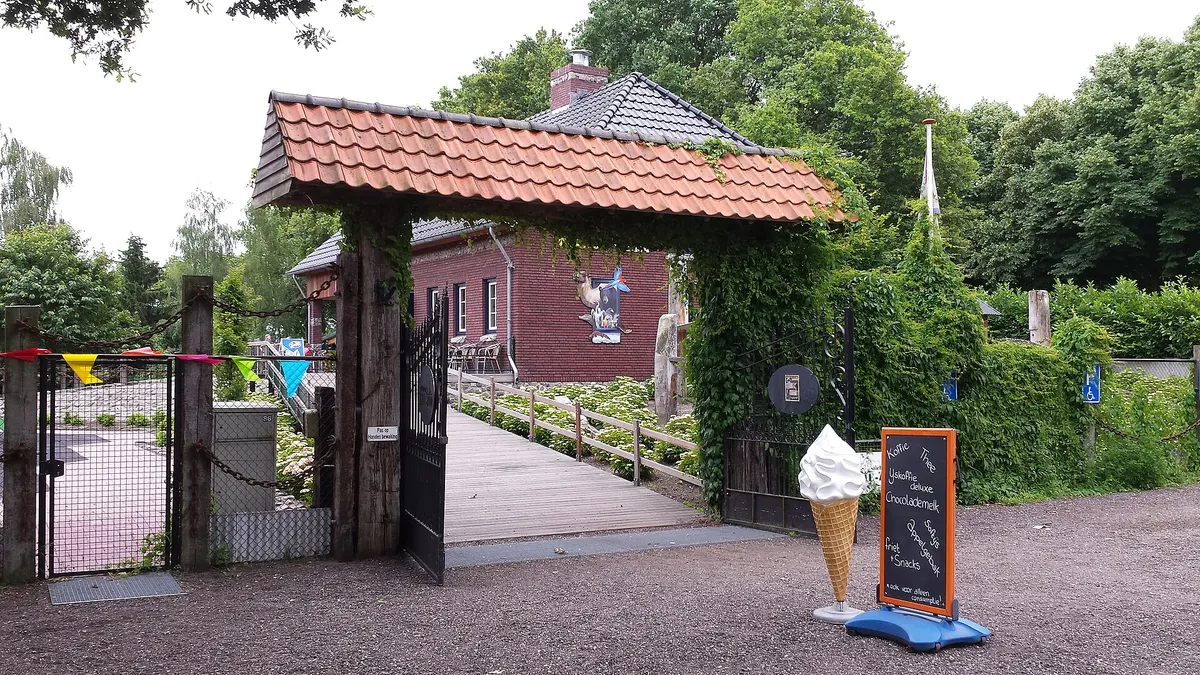
1 zoo and aquarium in 1 country are recorded as keeping this species.
Community notes
Share your observations about the Garden chafer.
No community notes yet. Be the first!
Discover more wildlife
More fascinating animals from the encyclopedia.