
About the Giant Ameiva
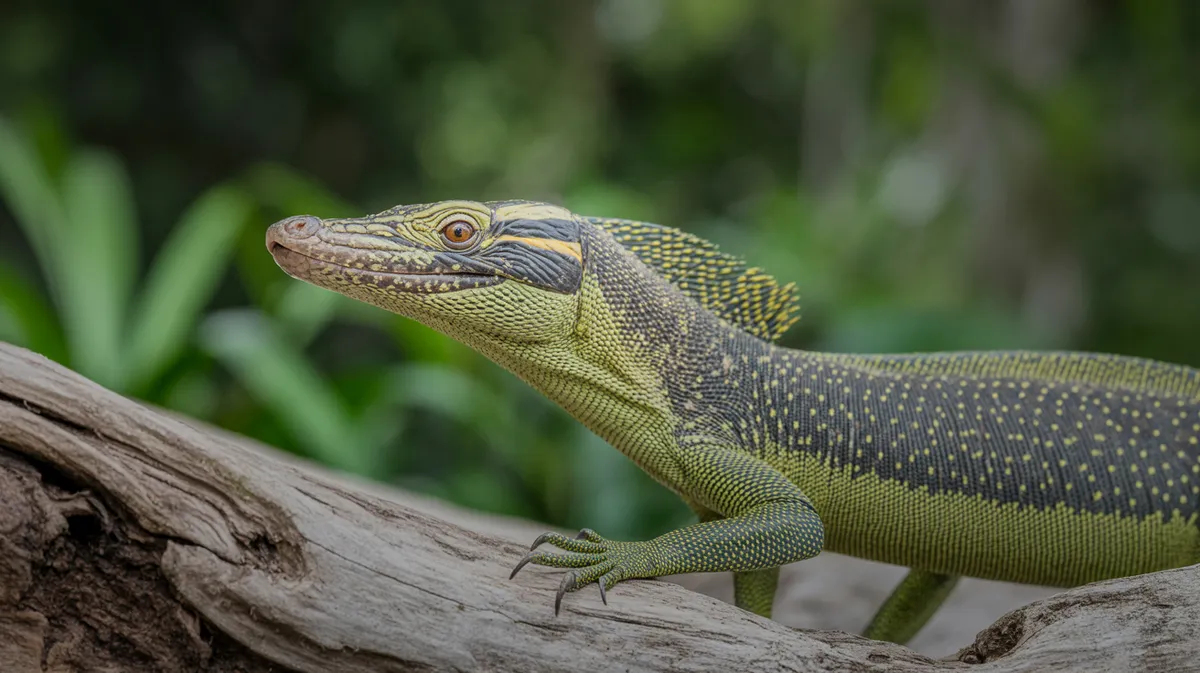
The Giant Ameiva is a large, active lizard found throughout Central and South America, recognized for its vibrant green or brown coloration and marked scales. This reptile is diurnal, spending much of its day foraging on the ground in open, sunny areas. Ameivas are known for their speed and agility, using rapid movements to escape predators and hunt their prey. They play a key ecological role in their habitats as both predator and prey, and are often seen basking on rocks or logs to regulate their body temperature.
Fascinating facts
Lightning Fast
Giant Ameivas can run at remarkable speeds to evade predators and catch prey, making them one of the fastest lizards in their range.
Omnivorous Diet
Their diet includes insects, fruits, small vertebrates, and even carrion, showcasing their adaptability in various environments.
Tail Shedding
When threatened, Ameivas can shed their tails, which continue to wriggle and distract predators while the lizard escapes.
Detailed description
The Giant Ameiva (Ameiva ameiva) is a robust, ground-dwelling lizard reaching lengths of 35–50 cm (14–20 in), with males typically larger and more vividly colored than females. Its body is elongated with well-developed limbs and a long, tapering tail that can comprise more than half its total length. The dorsal coloration varies from bright green to olive or brown, often with blue or turquoise highlights on the flanks and a series of pale, irregular spots or stripes. The ventral surface is usually lighter, ranging from white to pale blue. The scales are smooth and glossy, providing both protection and aiding in rapid movement. Ameiva ameiva is highly active and primarily terrestrial, spending most of its time foraging on the ground but occasionally climbing low vegetation. It is diurnal, relying on keen vision to detect prey and predators. This species exhibits pronounced sexual dimorphism, with males displaying larger heads and more prominent femoral pores. Its powerful limbs and claws are adapted for digging, sprinting, and maneuvering through leaf litter. The Giant Ameiva is known for its alertness and speed, making it difficult to capture in the wild.
Did you know?
Despite their striking appearance, Giant Ameivas are often overlooked due to their secretive and fast-moving nature.
Research & sources
Wikipedia summary
There are three species of lizard named giant ameiva:Ameiva ameiva Ameiva atrigularis Ameiva praesignis
Behaviour & social structure
Giant Ameivas are solitary and territorial, with individuals maintaining and actively defending home ranges, especially males during the breeding season. They are opportunistic omnivores, feeding on a wide variety of invertebrates (insects, spiders, snails), small vertebrates (frogs, other lizards, nestling birds), fruits, and occasionally carrion. Foraging is primarily visual; they use rapid, darting movements interspersed with pauses to scan for prey. When threatened, they rely on their agility and speed to escape, often seeking refuge in dense vegetation or burrows. Ameiva ameiva is known to bask in sunny patches during the morning and late afternoon to regulate body temperature, retreating to shaded or concealed areas during the hottest parts of the day. Social interactions are generally limited to aggressive displays between males, which may include head-bobbing, lateral flattening, and chasing. Juveniles are more secretive and utilize denser cover to avoid predation.
Reproduction & life cycle
The reproductive cycle of Ameiva ameiva is closely tied to seasonal rainfall, with breeding typically occurring during the wet season (spring to early summer in most regions). Courtship involves visual and chemical cues, with males pursuing and displaying to females. Females lay 4–12 leathery eggs per clutch in concealed, humid locations such as under logs, in leaf litter, or shallow burrows. Incubation lasts approximately 60–75 days, depending on temperature and humidity. There is no parental care after oviposition; hatchlings are fully independent and resemble miniature adults. In favorable climates, females may produce multiple clutches per year. Sexual maturity is reached within 1–2 years, depending on resource availability and environmental conditions.
Adaptations & survival
Ameiva ameiva exhibits several adaptations for survival in diverse habitats. Its cryptic coloration provides camouflage against predators, while the glossy, overlapping scales reduce water loss and facilitate rapid movement. The species' long, muscular tail aids in balance and can be autotomized (shed) to escape predators, regenerating over time. Strong limbs and claws enable efficient digging for prey or shelter. Behavioral thermoregulation, such as basking and seeking shade, allows the lizard to maintain optimal body temperatures for activity. Its broad, omnivorous diet is an evolutionary advantage, allowing it to exploit a wide range of food resources and adapt to changing environments.
Cultural significance
In parts of its range, the Giant Ameiva is a familiar sight and sometimes features in local folklore as a symbol of agility and alertness. It is occasionally kept as a pet due to its striking appearance and active behavior, though it requires specialized care. In some rural communities, it may be hunted for food, but this is not widespread. The species is sometimes referenced in indigenous stories as a clever or elusive animal. There are no major traditional medicinal or ritual uses documented for Ameiva ameiva.
Recent research
Recent studies have focused on the Giant Ameiva's role as a bioindicator of habitat quality and its responses to environmental disturbance. Genetic research has clarified its phylogenetic relationships within the Teiidae family, revealing significant regional variation and potential cryptic species. Ongoing research is examining its reproductive ecology, thermal biology, and dietary flexibility in fragmented landscapes. Stable isotope analysis has provided insights into its trophic position and resource use. Ameiva ameiva is also used in studies of lizard locomotion and predator-prey interactions due to its speed and behavioral repertoire.
Sources
Videos
Habitat
Tropical forest edges, savannas, and open woodlands
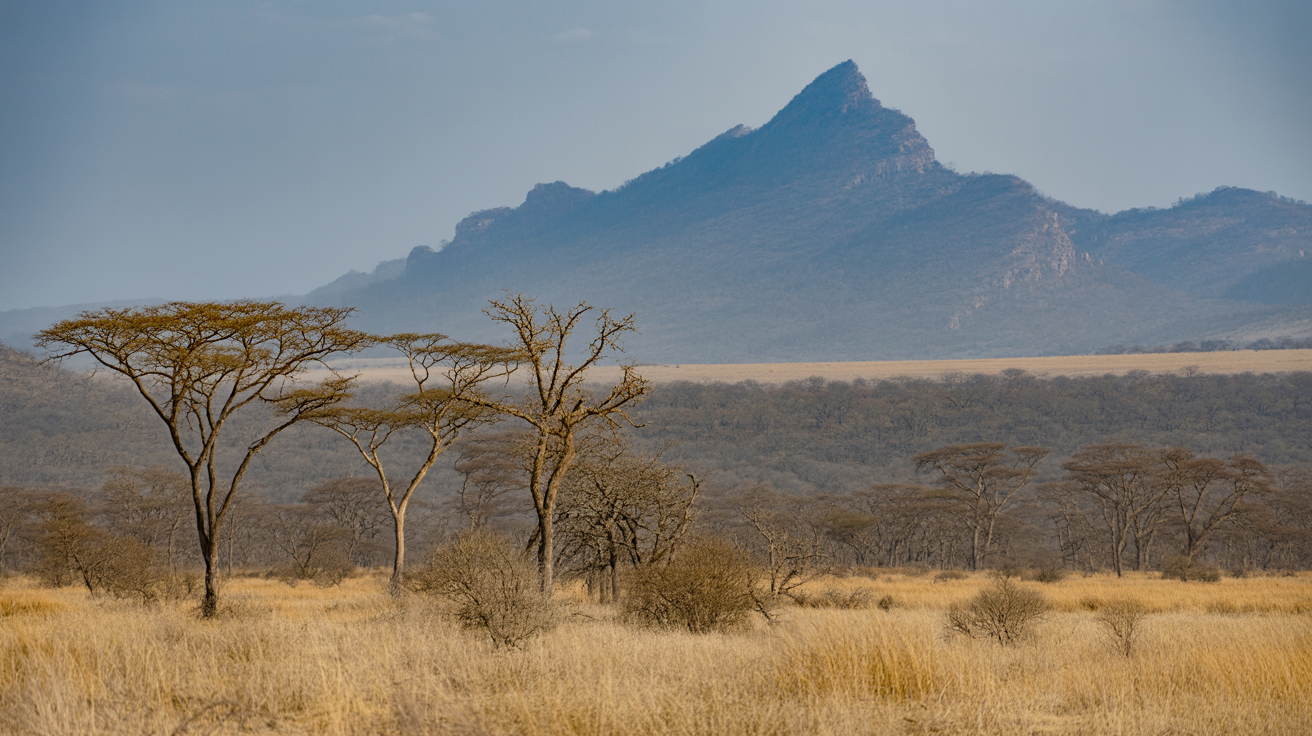 Africa
Savanna
Grasslands with scattered trees, characterized by seasonal rainfall and home to diverse grazing animals and predators.
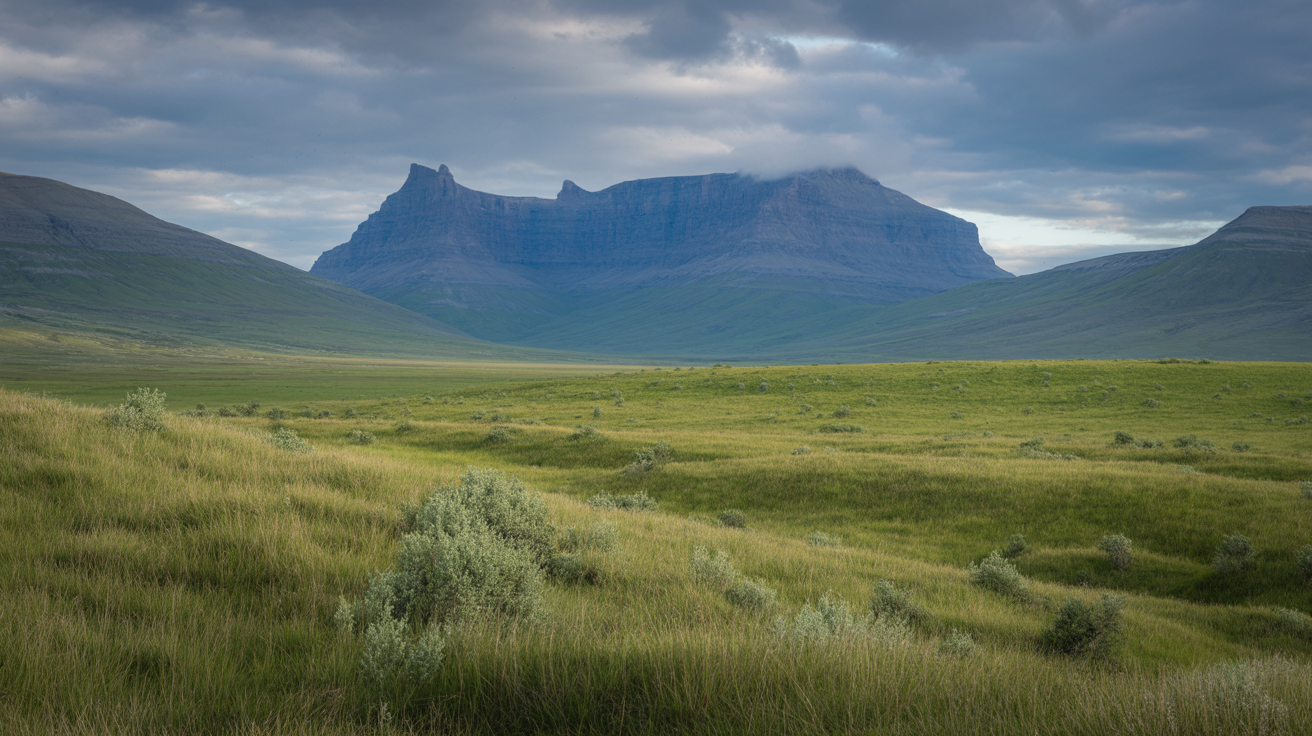 Various Continental Regions
Grassland
Open areas dominated by grasses rather than trees, supporting numerous herbivores and their predators.
 Global
Forest
Wooded areas with significant tree cover and diverse plant and animal communities.
Conservation
The Giant Ameiva is currently classified as Least Concern on the IUCN Red List.
Threats & challenges
Currently listed as Least Concern by the IUCN, Ameiva ameiva remains widespread and locally abundant throughout its range. However, populations may be threatened by habitat destruction due to deforestation, agricultural expansion, and urbanization. In some areas, collection for the pet trade and predation by introduced species (such as domestic cats and dogs) pose additional risks. Road mortality and pesticide exposure are emerging threats in agricultural landscapes. Despite these challenges, the species' adaptability and broad ecological tolerance have allowed it to persist in disturbed and fragmented habitats. Long-term monitoring is recommended to detect potential declines, especially in regions undergoing rapid land-use change.
Taxonomy
Scientific name
Ameiva ameiva
- Kingdom
- Animalia
- Phylum
- Chordata
- Class
- Reptilia
- Order
- Squamata
- Family
- Teiidae
- Genus
- Ameiva
- Species
- ameiva
Where to see a giant ameiva
1 zoo and aquarium in 1 country are recorded as keeping this species.

Community notes
Share your observations about the Giant Ameiva.
No community notes yet. Be the first!
Discover more wildlife
More fascinating animals from the encyclopedia.