
About the Greater Grison
The Greater Grison is a slender, weasel-like mammal native to Central and South America, recognized for its striking black and gray coloration and agile body. It has a long, flexible spine and short legs, adapted for both terrestrial and semi-aquatic environments. Greater Grisons are elusive and primarily solitary, with a reputation for being fierce predators despite their small size. They are highly adaptable, often found near water sources, and are known for their quick movements and inquisitive nature.
Fascinating facts
Aquatic Hunter
Greater Grisons are proficient swimmers and often hunt for fish, amphibians, and crustaceans in rivers and streams.
Musky Defense
When threatened, they release a pungent musk from their anal glands to deter predators.
Habitat Versatility
They thrive in a variety of environments, from dense forests to open grasslands, as long as water is nearby.
Detailed description
The Greater Grison (Galictis vittata) is a medium-sized mustelid, typically measuring 45–60 cm (18–24 in) in body length, with a tail of 14–20 cm (5.5–8 in), and weighing between 1.5 and 3.8 kg (3.3–8.4 lbs). It is characterized by a robust, elongated body, short but powerful limbs, and a flexible spine that enables agile movement through dense vegetation and along riverbanks. Its pelage is distinctive: the dorsal fur is coarse and grayish, sharply contrasting with the black coloration of the underparts, limbs, face, and tail. The head is broad with small, rounded ears and a short, blunt snout. The eyes are relatively small, adapted for crepuscular and nocturnal activity. Greater Grisons possess strong jaws and sharp teeth, specialized for a carnivorous diet. Their feet are partially webbed, aiding in swimming. The anal scent glands are well-developed, producing a musky secretion used for marking territory and defense. They are solitary and highly territorial, using scent-marking and vocalizations to communicate. Adapted to a variety of habitats, Greater Grisons are found from lowland rainforests and gallery forests to savannas and wetlands, always in proximity to water. Their elusive nature and cryptic coloration make them difficult to observe in the wild.
Did you know?
The Greater Grison is one of the few mustelids found as far south as northern Argentina and as far north as southern Mexico.
Research & sources
Wikipedia summary
The greater grison is a species of mustelid native to Southern Mexico, Central America, and South America.
Behaviour & social structure
Greater Grisons are primarily solitary and exhibit crepuscular to nocturnal activity patterns, though diurnal activity has also been recorded. They are agile and fast-moving, often seen darting along riverbanks or through dense undergrowth. Their hunting strategy involves stealth and sudden bursts of speed, preying on small mammals (such as rodents), birds, amphibians, reptiles, fish, and large invertebrates. They are known to raid poultry and small livestock near human settlements. Grisons use a combination of keen senses of smell and hearing to locate prey. When threatened, they display aggressive behaviors, including arching the back, fluffing the fur, and emitting loud, harsh vocalizations or hissing. They may release a strong-smelling secretion from their anal glands as a deterrent. Social interactions are limited outside the breeding season, but brief associations between individuals have been observed, possibly related to mating or resource abundance.
Reproduction & life cycle
The reproductive biology of the Greater Grison is not fully documented, but available evidence suggests a polygynous or promiscuous mating system. Breeding appears to occur seasonally, with peaks varying by region, often coinciding with the onset of the rainy season. After mating, females undergo a gestation period of approximately 39–42 days. Litters typically consist of 2–4 young, which are born altricial (blind and helpless) in well-concealed dens, often located in hollow logs, burrows, or dense vegetation near water. The mother provides all parental care, nursing the kits for about 6–8 weeks. Juveniles become independent at 3–4 months of age, dispersing to establish their own territories. Sexual maturity is reached at about one year.
Adaptations & survival
Greater Grisons exhibit several adaptations for their semi-aquatic, carnivorous lifestyle. Their streamlined bodies and partially webbed feet facilitate efficient swimming and movement through dense vegetation. The coarse, water-resistant fur provides protection from moisture and abrasion. Their strong jaws and dentition are adapted for subduing and consuming a variety of prey. The highly developed anal scent glands serve both as a defense mechanism and for territorial marking. Behavioral flexibility allows them to exploit diverse habitats and food sources, contributing to their wide distribution. Acute senses of smell and hearing aid in detecting prey and avoiding predators. Their cryptic coloration provides camouflage in the dappled light of forest understories and riverbanks.
Cultural significance
The Greater Grison is not widely featured in indigenous folklore or mythology, likely due to its elusive habits and low population densities. In some rural areas, it is known for its boldness and predatory prowess, sometimes earning a reputation as a poultry thief. There are no significant records of traditional medicinal or utilitarian use. Its occasional presence near human settlements has led to negative perceptions, but it does not play a major role in local culture compared to other carnivores.
Recent research
Recent research on Greater Grison has focused on clarifying its distribution, habitat preferences, and genetic diversity. Camera trap studies and molecular analyses have improved understanding of its range and population structure, revealing previously undocumented occurrences in fragmented habitats. There is ongoing interest in its ecological role as a mesopredator and its interactions with sympatric carnivores. Studies on its diet using scat analysis have highlighted its opportunistic feeding behavior. However, many aspects of its natural history, including detailed reproductive biology and social organization, remain poorly understood, making it a priority species for further field research.
Videos
Habitat
Tropical and subtropical forests, grasslands, and wetlands near water sources
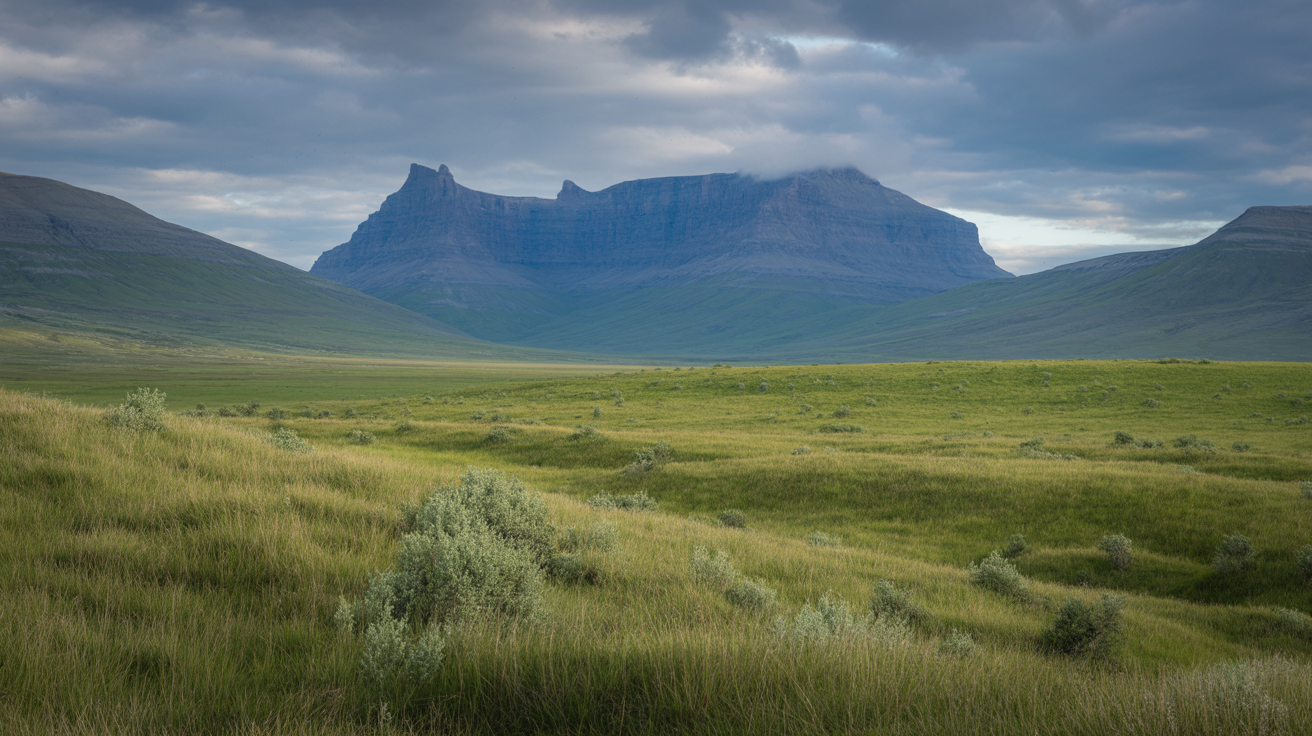 Various Continental Regions
Grassland
Open areas dominated by grasses rather than trees, supporting numerous herbivores and their predators.
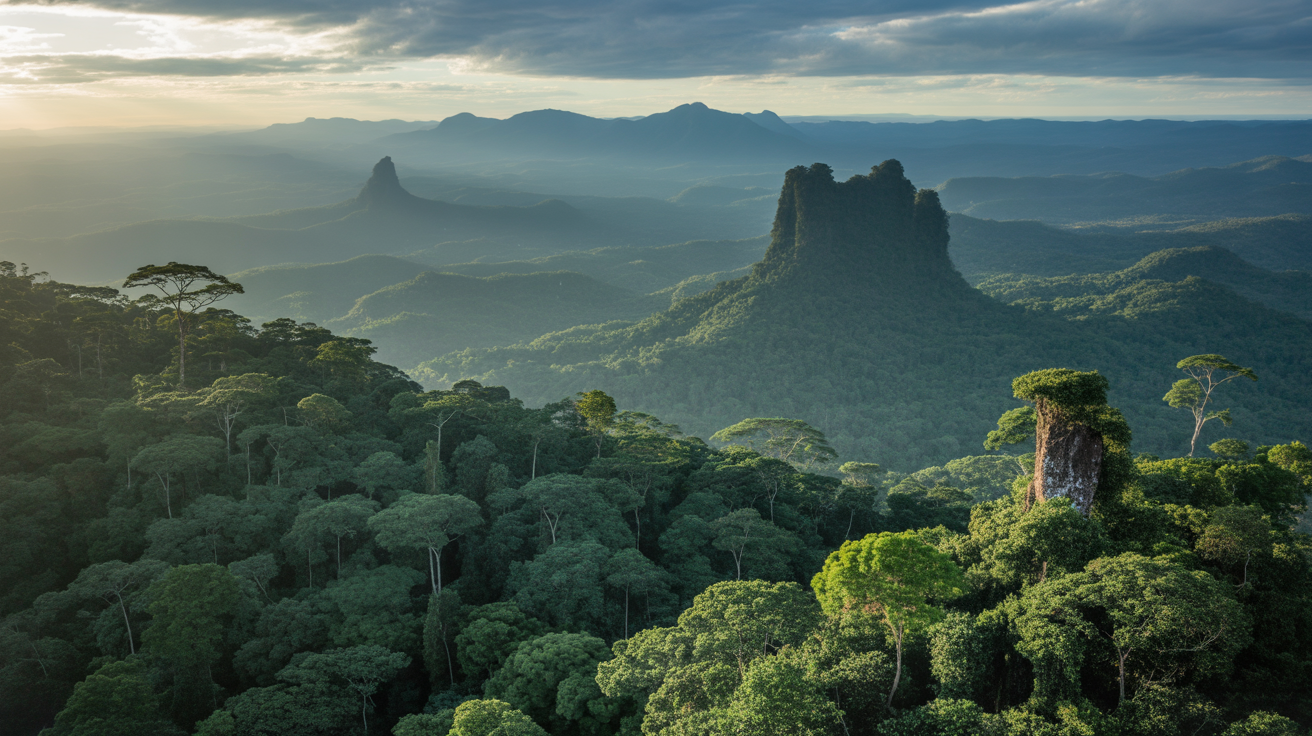 Tropical Regions
Rainforest
Dense, wet forests with the highest biodiversity on Earth, containing more than half of the world's plant and animal species.
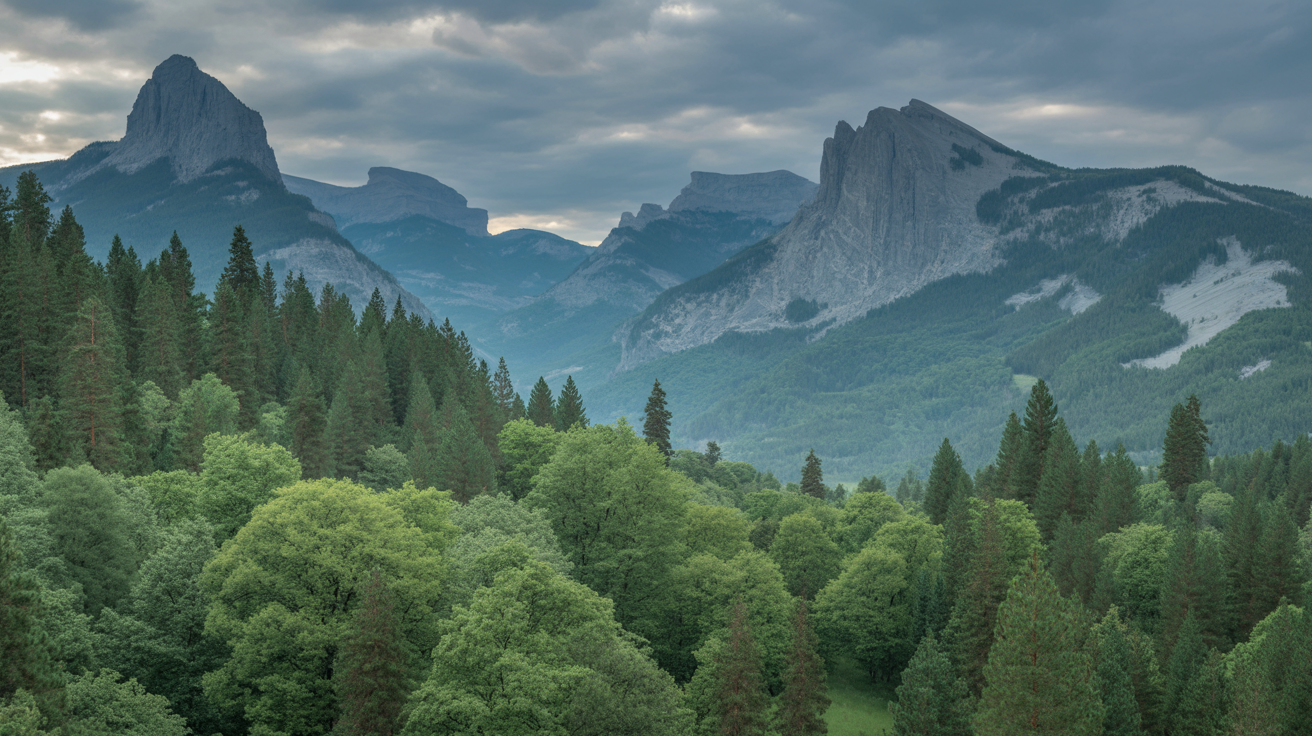 Global
Forest
Wooded areas with significant tree cover and diverse plant and animal communities.
 Global
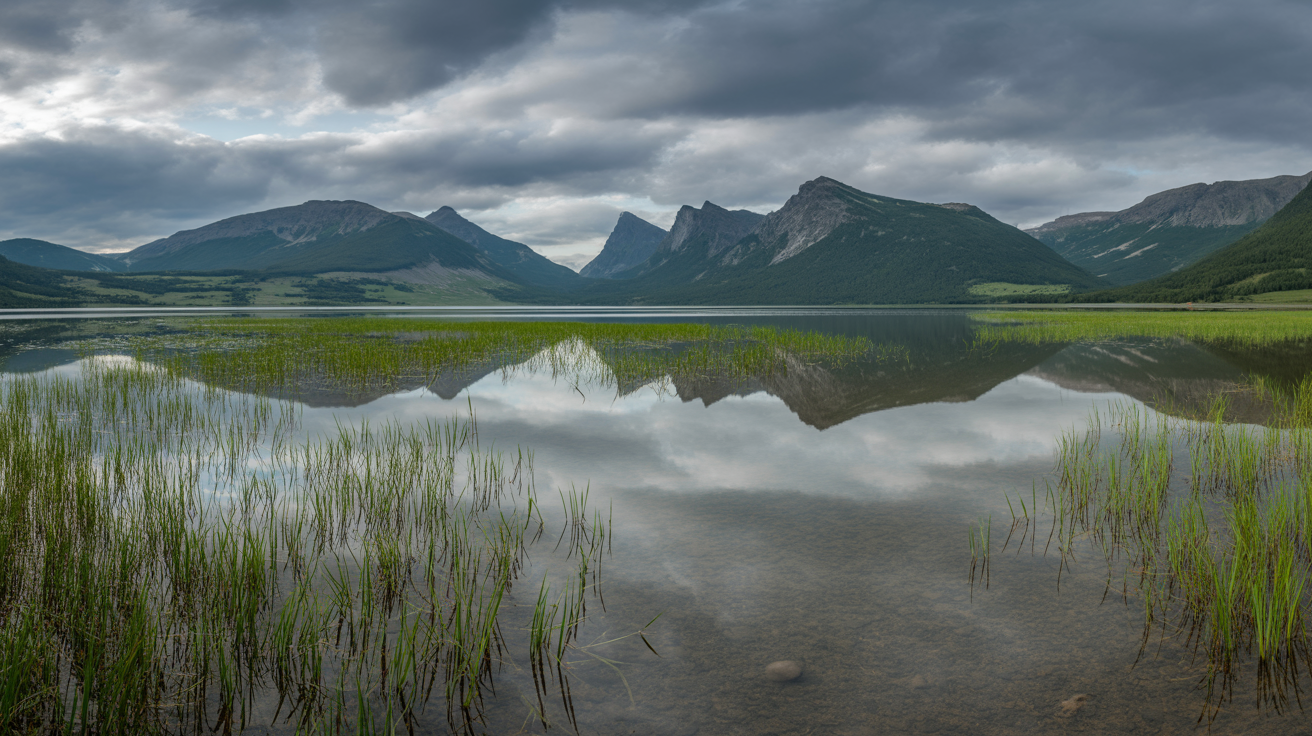
Freshwater
Lakes, rivers, and wetlands with diverse aquatic ecosystems.
Conservation
The Greater Grison is currently classified as Least Concern on the IUCN Red List.
Threats & challenges
Currently classified as Least Concern by the IUCN, the Greater Grison faces localized threats from habitat destruction, particularly deforestation, wetland drainage, and water pollution. They are sometimes persecuted by farmers due to predation on poultry and small livestock. Road mortality and incidental trapping also pose risks in some areas. Despite these challenges, the species' wide distribution, adaptability, and presence in several protected areas contribute to its relatively stable population. However, ongoing habitat fragmentation and increasing human encroachment may impact local populations, and the species' secretive nature complicates accurate population assessments.
Taxonomy
Scientific name
Galictis vittata
- Kingdom
- Animalia
- Phylum
- Chordata
- Class
- Mammalia
- Order
- Carnivora
- Family
- Mustelidae
- Genus
- Galictis
- Species
- vittata
Community notes
Share your observations about the Greater Grison.
No community notes yet. Be the first!
Discover more wildlife
More fascinating animals from the encyclopedia.