
About the Green Monkey
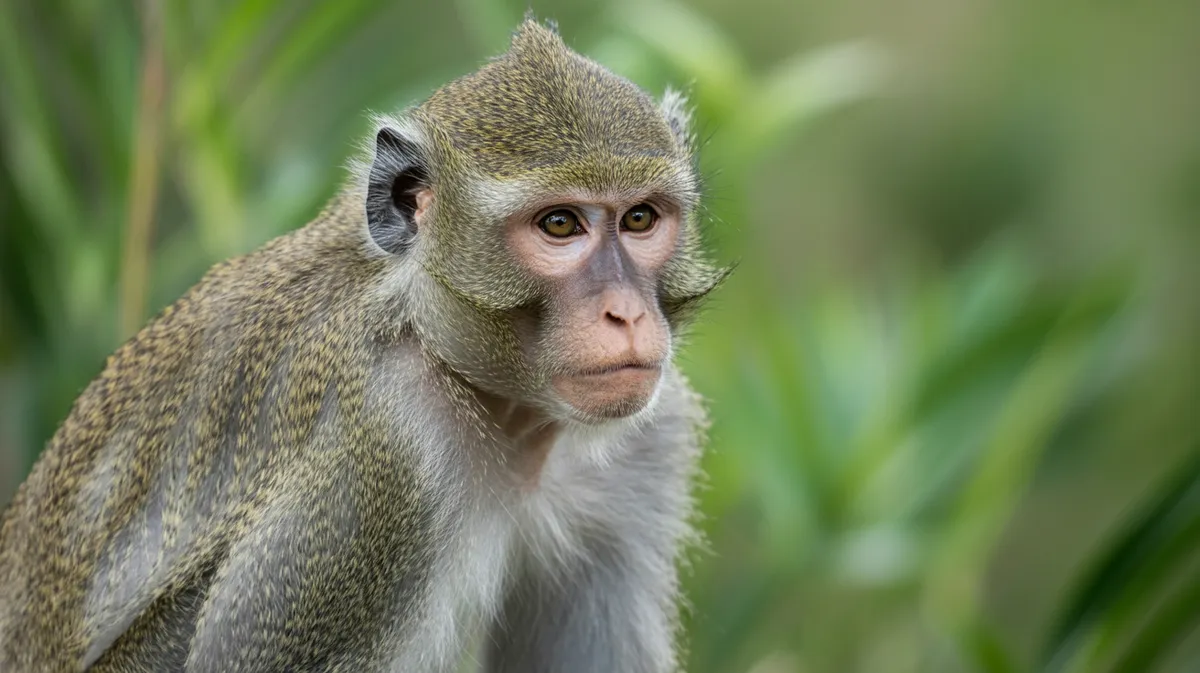
The Green Monkey, also known as the Sabaeus Monkey, is a medium-sized Old World monkey native to West Africa. It is easily recognized by its golden-green fur, pale hands and feet, and a distinctively long tail. Green Monkeys are highly social, living in groups of up to several dozen individuals, and communicate using a wide range of vocalizations and facial expressions. They are arboreal and terrestrial, spending time both in the trees and on the ground, and are known for their adaptability to various types of habitats, including savannas, forests, and riverine woodlands.
Fascinating facts
Highly Adaptable
Green Monkeys thrive in a wide range of environments, from savannas to forests, and can even live near human settlements.
Complex Communication
They use a variety of vocalizations, facial expressions, and body postures to communicate within their social groups.
Biomedical Importance
Green Monkeys have been used extensively in medical research, notably contributing to the development of important vaccines.
Detailed description
The green monkey (Chlorocebus sabaeus) is a medium-sized Old World monkey, with adults typically measuring 40–60 cm in body length and weighing between 3.5–8 kg, with males generally larger than females. Its pelage is a distinctive golden-green, with lighter underparts, pale hands and feet, and a golden-yellow tail tip, backs of thighs, and cheek whiskers. Unlike other Chlorocebus species, it lacks a pronounced brow band. Males are notable for their pale blue scrotum, a feature used in social signaling. The face is hairless and dark, with expressive eyes and mobile facial muscles that facilitate complex social communication. Green monkeys are highly adaptable, occupying a range of habitats from savanna woodlands to riverine forests, often near water sources. They are both arboreal and terrestrial, moving adeptly through trees and on the ground. Social groups, known as troops, can range from 7 to over 50 individuals, typically comprising multiple females, their offspring, and a few adult males. These monkeys are diurnal, with activity peaks in the early morning and late afternoon. Their omnivorous diet includes fruits, seeds, leaves, flowers, insects, and small vertebrates, reflecting their ecological flexibility. Vocalizations, facial expressions, and body postures are integral to their complex social interactions, including alarm calls specific to different predators.
Did you know?
Green Monkeys played a crucial role in early biomedical research, including the development of the polio vaccine.
Research & sources
Wikipedia summary
The green monkey, also known as the sabaeus monkey, is an Old World monkey with golden-green fur and pale hands and feet. The tip of the tail is golden yellow as are the backs of the thighs and cheek whiskers. It does not have a distinguishing band of fur on the brow, like other Chlorocebus species, and males have a pale blue scrotum. Some authorities consider this and all of the members of the genus Chlorocebus to be a single widespread species, C. aethiops.
Behaviour & social structure
Green monkeys display highly social behavior, living in multi-male, multi-female troops with stable female lineages and male dispersal at maturity. Social hierarchies are well-defined, with dominant females often having preferential access to resources. Grooming is a key affiliative behavior, reinforcing social bonds and reducing tension. Feeding is opportunistic; they forage on the ground and in trees, using dexterous hands to manipulate food. They have been observed washing food in water and using tools in captivity. Alarm calls are sophisticated, with distinct vocalizations for aerial and terrestrial predators, demonstrating referential communication. Play is common among juveniles, contributing to social development. Daily routines involve traveling to feeding sites, resting in shaded areas during midday heat, and sleeping in trees at night for safety.
Reproduction & life cycle
Breeding in green monkeys is typically seasonal, synchronized with the end of the rainy season when food is abundant. Females reach sexual maturity at 3–4 years, while males mature at 5–6 years. Mating is polygynandrous, with both sexes having multiple partners. Gestation lasts about 163–165 days (approximately 5.5 months), usually resulting in a single offspring, though twins are rare. Births peak between April and June. Infants are born with a pink face and are carried ventrally by the mother for the first few weeks. Maternal care is intensive, with allomaternal care (aunt or sibling assistance) observed in some groups. Weaning occurs at 4–6 months, but juveniles remain dependent on the mother for social learning. Males often leave their natal group upon reaching maturity, reducing inbreeding.
Adaptations & survival
Green monkeys exhibit several adaptations for survival in variable environments. Their prehensile hands and opposable thumbs facilitate efficient foraging and manipulation of diverse food items. The cryptic golden-green fur provides camouflage in dappled light environments. Acute vision, including color discrimination, aids in detecting ripe fruits and predators. Their vocal repertoire and facial expressiveness support complex social structures and predator-specific alarm calls. Behavioral flexibility allows them to exploit both arboreal and terrestrial resources, and they are known to adapt to human-altered landscapes, including agricultural areas. The pale blue scrotum in males is thought to play a role in sexual selection and dominance displays.
Cultural significance
Green monkeys have notable cultural significance in West Africa and the Caribbean, where they were introduced during the transatlantic slave trade. In local folklore, they are sometimes associated with trickster figures or considered omens. In biomedical research, green monkeys have been used as model organisms, particularly in virology (notably for the isolation of the simian immunodeficiency virus and the Marburg virus). In some West African communities, they are featured in traditional stories and are occasionally kept as pets or used in ritual practices.
Recent research
Recent research has focused on the green monkey's vocal communication, revealing evidence of semantic alarm calls and referential signaling, providing insights into the evolution of primate language. Genetic studies have clarified the relationships among Chlorocebus species, with ongoing debate about species boundaries due to frequent hybridization and gene flow. Studies on their adaptability to urban environments have highlighted their behavioral plasticity and potential as a model for understanding primate responses to anthropogenic change. Green monkeys have also contributed to biomedical advances, particularly in vaccine development and the study of zoonotic diseases.
Sources
Handbook of the Mammals of the World, Vol. 3: Primates
T. M. Butynski, J. Kingdon, J. Kalina (Eds.) (2013)
scientificIUCN Red List of Threatened Species: Chlorocebus sabaeus
IUCN SSC Primate Specialist Group (2020)
conservationSpecies boundaries and hybridization in the African green monkeys (Chlorocebus spp.)
Zinner, D., et al. (2011)
scientificVideos
Habitat
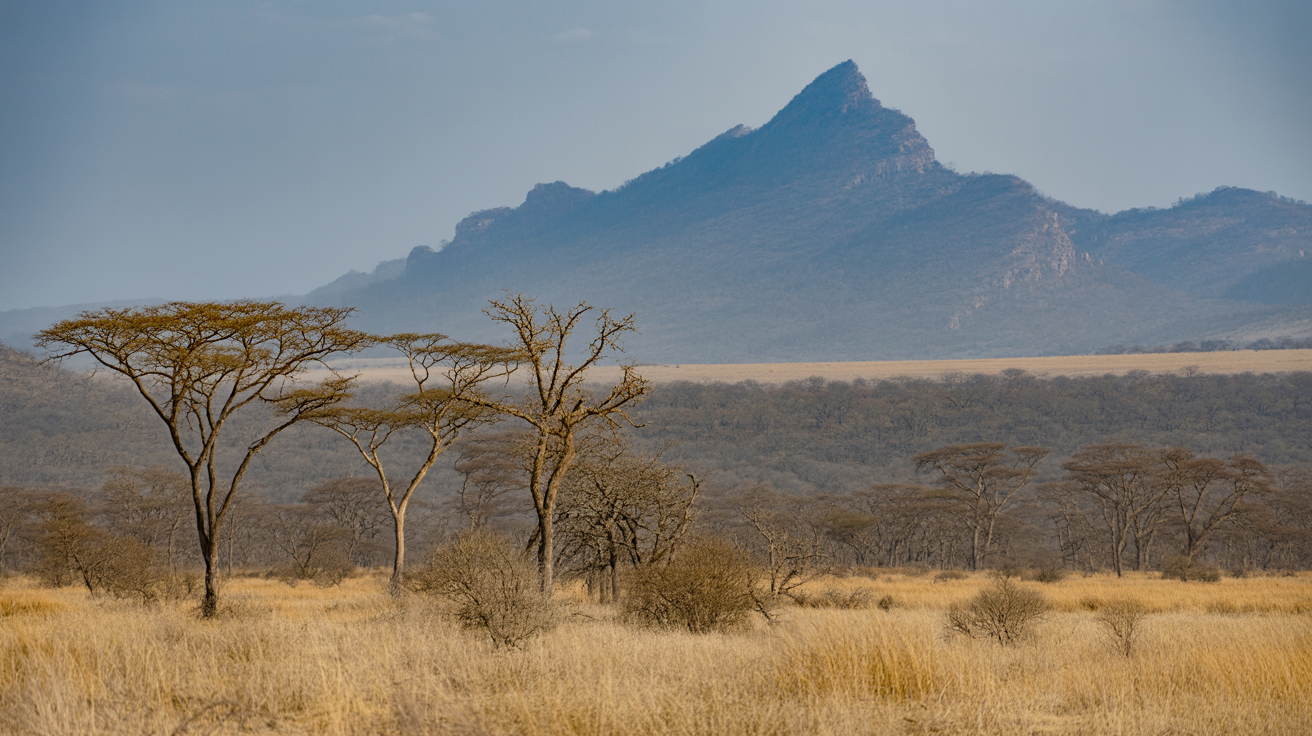
Savanna and forest edges near water sources
 Africa
Savanna
Grasslands with scattered trees, characterized by seasonal rainfall and home to diverse grazing animals and predators.
 Various Continental Regions
Grassland
Open areas dominated by grasses rather than trees, supporting numerous herbivores and their predators.
 Global
Forest
Wooded areas with significant tree cover and diverse plant and animal communities.
Conservation
The Green Monkey is currently classified as Least Concern on the IUCN Red List.
Threats & challenges
Currently classified as Least Concern by the IUCN, green monkeys face localized threats from habitat loss due to agriculture, urbanization, and deforestation. They are sometimes hunted for bushmeat or trapped as crop pests. In some regions, they are captured for the pet trade or biomedical research. Human-wildlife conflict arises where their foraging overlaps with cultivated crops. Despite these pressures, their adaptability and broad diet have allowed populations to remain stable in most areas. However, continued habitat fragmentation and increased human encroachment could pose future risks, especially in areas with high human density.
Taxonomy
Scientific name
Chlorocebus sabaeus
- Kingdom
- Animalia
- Phylum
- Chordata
- Class
- Mammalia
- Order
- Primates
- Family
- Cercopithecidae
- Genus
- Chlorocebus
- Species
- sabaeus
Community notes
Share your observations about the Green Monkey.
No community notes yet. Be the first!
Discover more wildlife
More fascinating animals from the encyclopedia.