
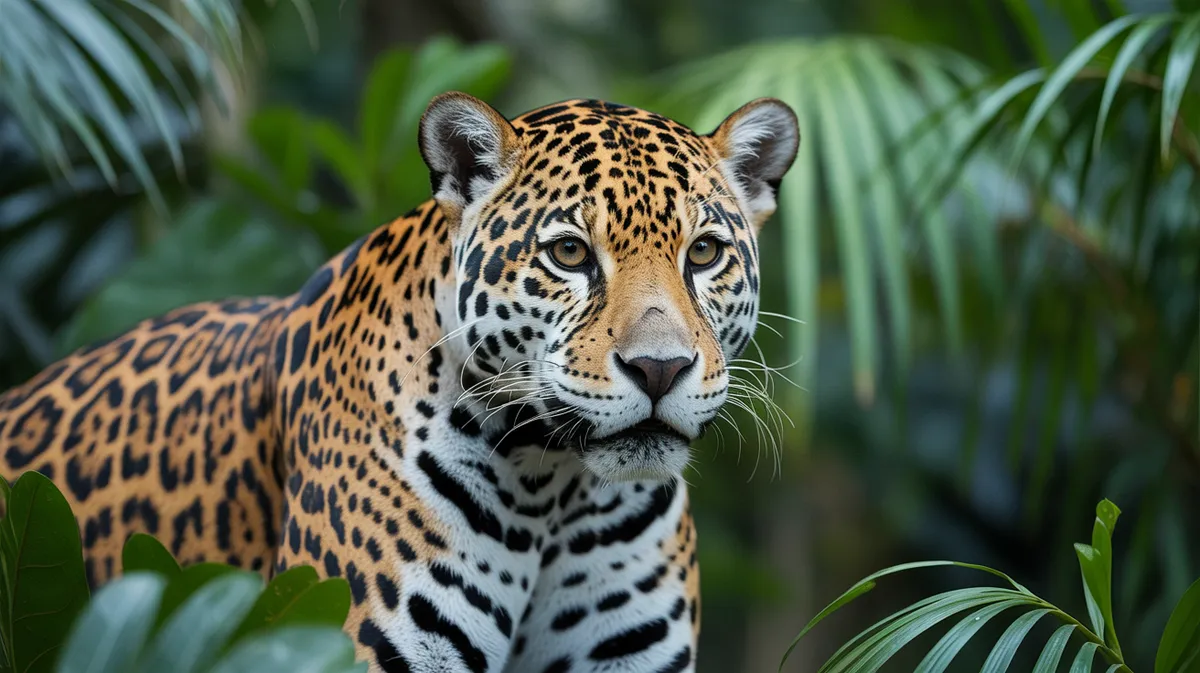
About the Jaguar
The jaguar (Panthera onca) stands as the apex predator of the Americas, uniquely belonging to the Panthera genus in this region. Its robust physique, with males reaching up to 1.85 meters in length and weighing as much as 158 kg, makes it the largest cat on the continent, surpassed globally only by the tiger and lion. The jaguar's coat is a marvel of adaptation, featuring a base color that ranges from pale yellow to tan, adorned with black rosettes that provide excellent camouflage in the dappled light of its forest habitats. Some jaguars exhibit melanism, resulting in a black coat that further aids in stealth during nocturnal hunts. Unlike other big cats, the jaguar possesses a unique killing technique, using its exceptionally strong jaw to pierce directly through the skull of its prey, a strategy that reflects its adaptation to diverse prey, including armored reptiles like turtles. This powerful bite is a testament to its evolutionary niche, allowing it to exploit food resources inaccessible to other predators.
Fascinating facts
Forest Dwellers
Jaguars prefer dense rainforests but are also found in wetlands, grasslands, and scrublands throughout their range.
Expert Swimmers
Unlike most other big cats, jaguars are strong swimmers and frequently hunt aquatic prey such as fish, turtles, and caimans.
Bone-Crushing Bite
A jaguar's bite is so powerful that it can pierce the shells of armored reptiles and crush mammal skulls with ease.
Detailed description
The jaguar (Panthera onca) is a robust, powerfully built felid, with males typically weighing between 56–96 kg (123–212 lb) and females 41–76 kg (90–167 lb), though exceptionally large males can exceed 150 kg (330 lb). Body length ranges from 112–185 cm (44–73 in), with a tail length of 45–75 cm (18–30 in). Jaguars possess a broad head, strong jaws, and a muscular body, giving them the most powerful bite relative to body size among big cats. Their fur is usually golden-yellow with black rosettes and spots, though melanistic (black) individuals are common in some populations. Jaguars are solitary and territorial, with home ranges varying from 25 to over 150 km², depending on habitat quality and prey density. They are primarily crepuscular and nocturnal, exhibiting peak activity at dawn and dusk. Jaguars are highly adaptable, occupying a range of habitats from dense tropical forests to open savannas and wetlands, but they show a preference for areas near water. Their diet is highly varied, including over 85 recorded prey species, such as capybaras, peccaries, deer, caimans, turtles, and fish. The jaguar's role as an apex predator is critical for ecosystem regulation, influencing prey populations and maintaining biodiversity. Their elusive nature and cryptic coloration make them difficult to observe in the wild, contributing to gaps in ecological knowledge.
Did you know?
Jaguars are one of the few big cats that regularly kill prey by biting directly through the skull with their powerful jaws.
Research & sources
Wikipedia summary
The jaguar is a large cat species and the only living member of the genus Panthera that is native to the Americas. With a body length of up to 1.85 m and a weight of up to 158 kg (348 lb), it is the biggest cat species in the Americas and the third largest in the world. Its distinctively marked coat features pale yellow to tan colored fur covered by spots that transition to rosettes on the sides, although a melanistic black coat appears in some individuals. The jaguar's powerful bite allows it to pierce the carapaces of turtles and tortoises, and to employ an unusual killing method: it bites directly through the skull of mammalian prey between the ears to deliver a fatal blow to the brain.
Behaviour & social structure
Jaguars are solitary except during mating or when a mother is raising cubs. They mark territories with scent, scrapes, and vocalizations such as deep roars and grunts. Hunting is typically ambush-based; jaguars use stealth to approach prey closely before launching a rapid attack. Unlike most big cats, jaguars are strong swimmers and often hunt aquatic or semi-aquatic animals, including fish and turtles. They are known for their unique killing method: delivering a powerful bite directly through the skull of mammalian prey, targeting the brain, or crushing the shells of armored reptiles. Jaguars may cache large kills and return to feed over several days. Activity patterns are flexible, with increased nocturnality in areas of high human disturbance. Social interactions are rare outside of breeding, and aggressive encounters between adults are uncommon due to well-defined territories.
Reproduction & life cycle
Jaguars do not have a fixed breeding season, though births may peak during the wet season in some regions. Females come into estrus for 6–17 days, with a gestation period of approximately 93–105 days. Litters typically consist of 1–4 cubs, with 2 being most common. Cubs are born blind and helpless, weighing 700–900 grams (1.5–2 lb), and remain in a den for the first several weeks. The mother provides all parental care, nursing cubs for up to 5–6 months and teaching them to hunt until they become independent at 18–24 months. Sexual maturity is reached at 2–3 years. Male jaguars do not participate in rearing offspring and may be a threat to unrelated cubs.
Adaptations & survival
Jaguars have several adaptations for predation and survival. Their short, stocky limbs and powerful musculature provide strength for climbing, swimming, and dragging heavy prey. The exceptionally strong jaws and large canines allow them to pierce skulls and turtle shells, a rare ability among felids. Their spotted coat provides camouflage in dappled forest light, aiding in ambush hunting. Jaguars are adept swimmers, often crossing rivers and hunting aquatic prey. Their acute night vision and hearing facilitate nocturnal hunting. Behaviorally, jaguars are highly adaptable, altering activity patterns and diet in response to environmental changes and human presence.
Cultural significance
Jaguars have profound cultural significance throughout the Americas, especially among Indigenous peoples. In Mesoamerican civilizations such as the Maya, Aztec, and Olmec, the jaguar was revered as a symbol of power, the underworld, and shamanic transformation. Jaguar motifs are prominent in art, mythology, and ritual, often associated with royalty and warriors. In modern times, the jaguar remains an emblem of wilderness and conservation in Latin America, featured in folklore, national symbols, and ecotourism. Traditional uses of jaguar parts for medicine or ornamentation persist in some regions, contributing to illegal trade.
Recent research
Recent research has focused on jaguar population genetics, revealing significant fragmentation and loss of genetic diversity in some regions, particularly Central America. Camera trap studies and GPS collaring have improved understanding of jaguar movements, habitat use, and prey preferences. Conservation initiatives such as the Jaguar Corridor Initiative aim to connect fragmented habitats across the species' range. Studies on human-jaguar conflict have led to the development of livestock management strategies to reduce retaliatory killings. Ongoing research is investigating the effects of climate change and land-use change on jaguar distribution and prey availability.
Videos
Habitat
Tropical rainforest
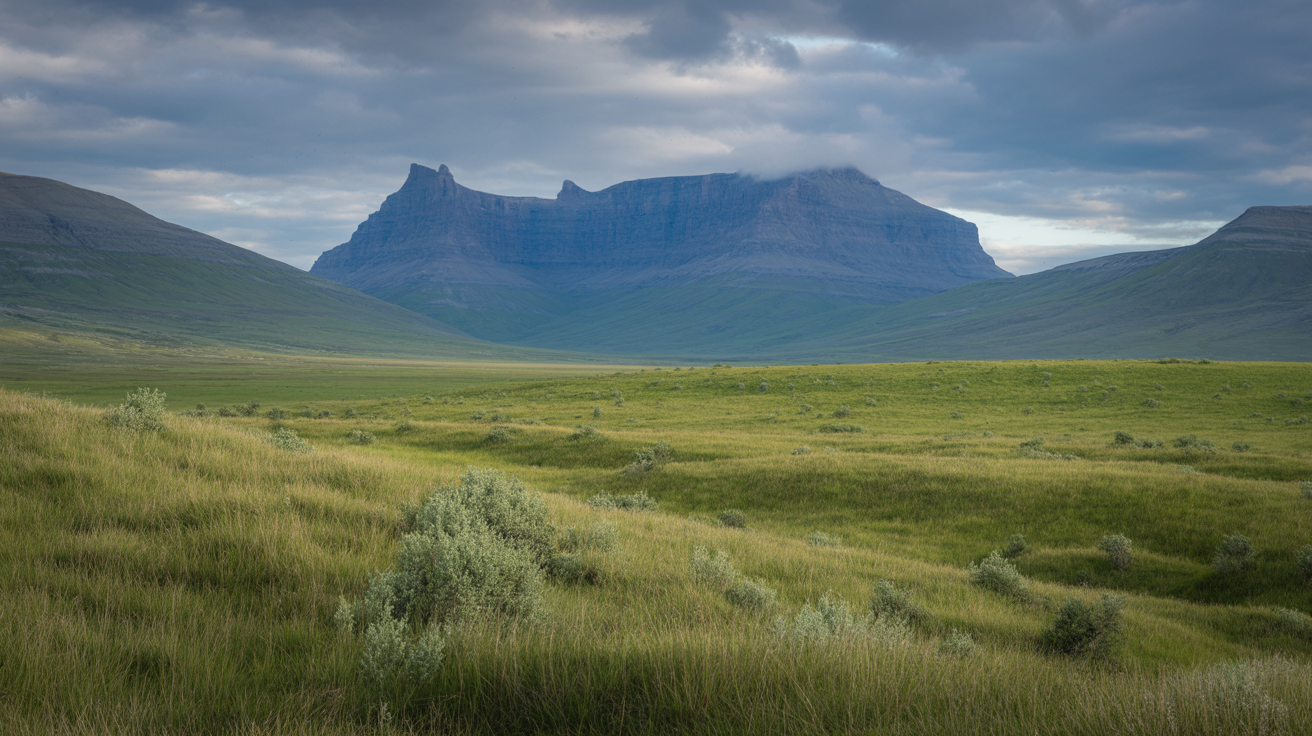 Various Continental Regions
Grassland
Open areas dominated by grasses rather than trees, supporting numerous herbivores and their predators.
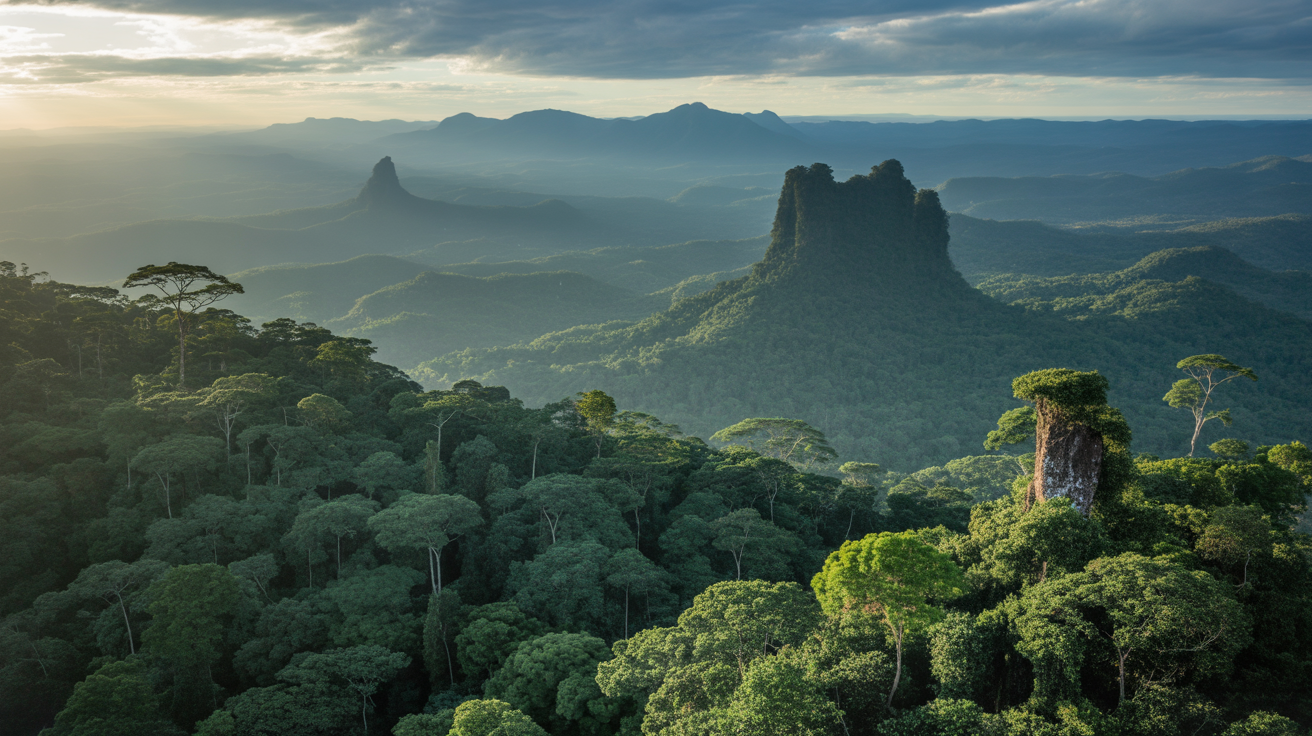 Tropical Regions
Rainforest
Dense, wet forests with the highest biodiversity on Earth, containing more than half of the world's plant and animal species.
 Global
Forest
Wooded areas with significant tree cover and diverse plant and animal communities.
Conservation
The Jaguar is currently classified as Near Threatened on the IUCN Red List.
Threats & challenges
Major threats to jaguars include habitat loss and fragmentation due to deforestation, agricultural expansion, and infrastructure development, particularly in the Amazon and Central America. Illegal hunting for pelts, retaliation killings due to livestock predation, and depletion of natural prey also pose significant risks. Jaguars are listed as Near Threatened by the IUCN, with populations declining across much of their range. Habitat corridors are increasingly fragmented, isolating populations and reducing genetic diversity. Conservation challenges include enforcement of anti-poaching laws, habitat restoration, and mitigating human-wildlife conflict. Climate change and large-scale development projects further exacerbate these threats.
Taxonomy
Scientific name
Panthera onca
- Kingdom
- Animalia
- Phylum
- Chordata
- Class
- Mammalia
- Order
- Carnivora
- Family
- Felidae
- Genus
- Panthera
- Species
- onca
Where to see a jaguar
28 zoos and aquariums in 3 countries are recorded as keeping this species.
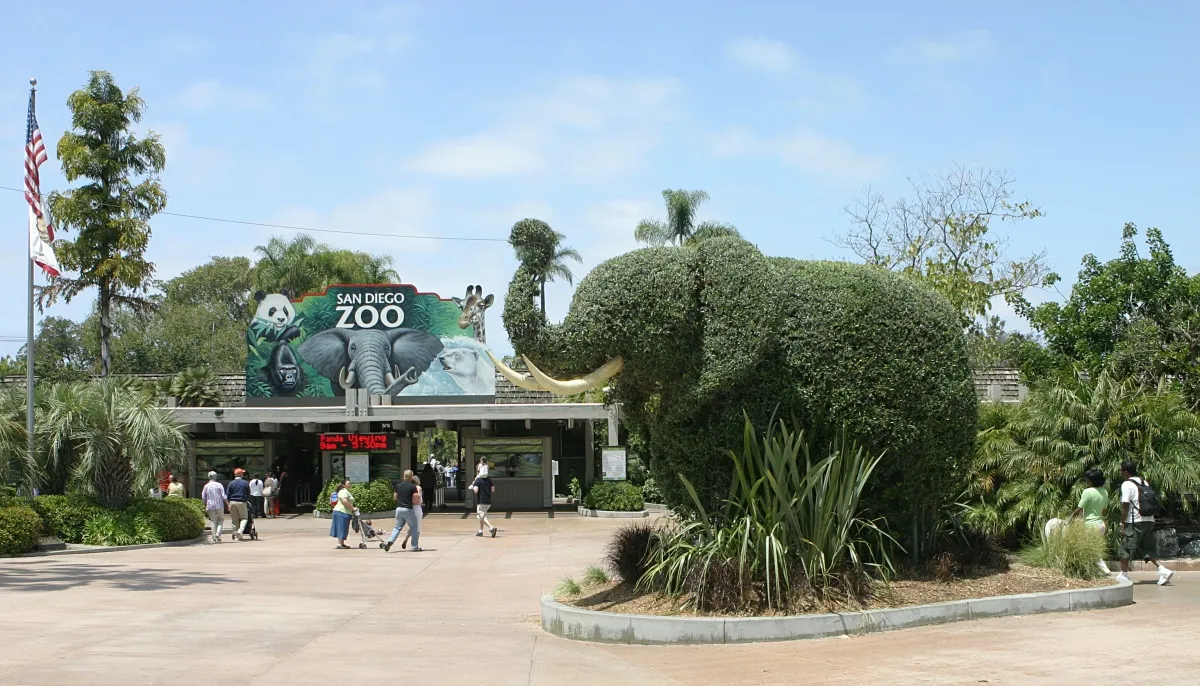 San Diego Zoo🇺🇸 San Diego, United States
 Chester Zoo🇬🇧 Chester, United Kingdom
 Henry Doorly Zoo and Aquarium🇺🇸 Omaha, United States
 Houston Zoo🇺🇸 Houston, United States
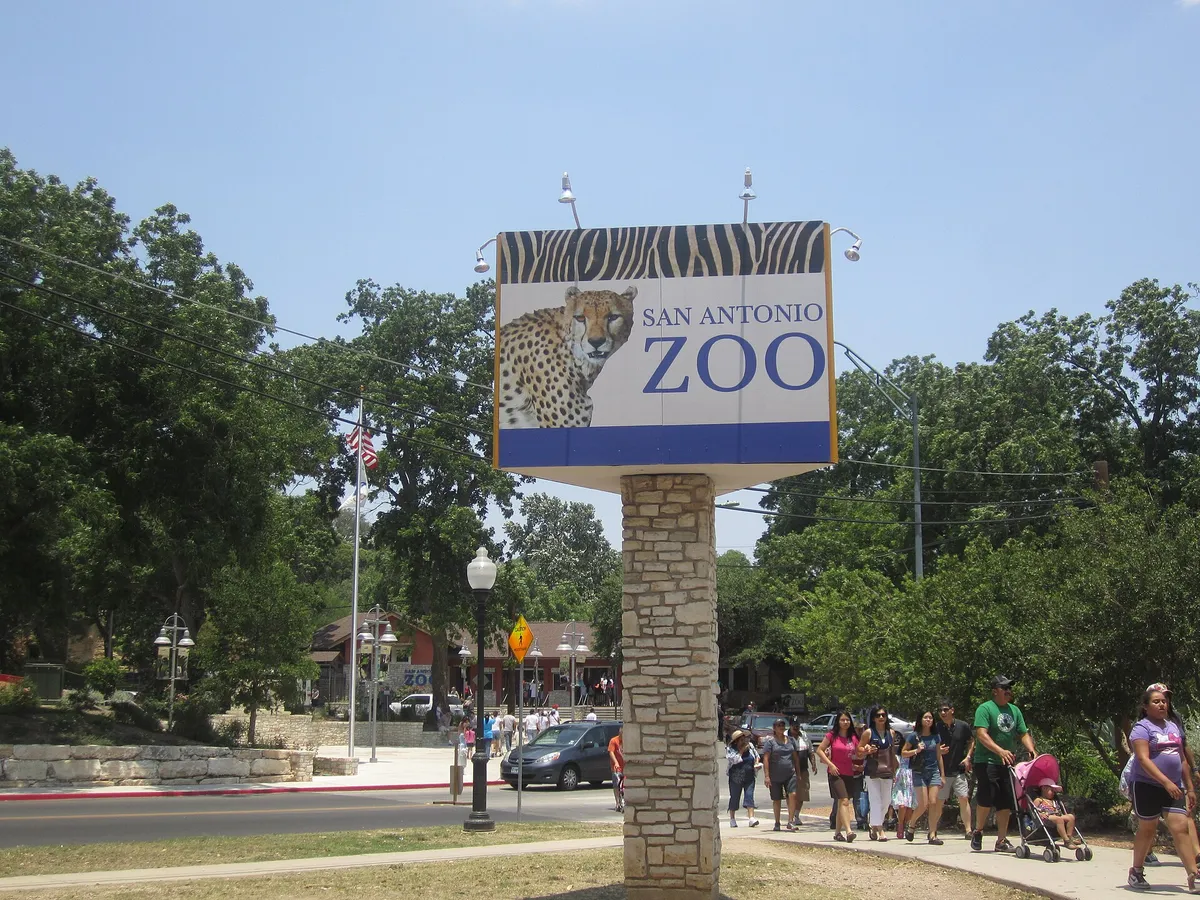 San Antonio Zoo🇺🇸 San Antonio, United States
Community notes
Share your observations about the Jaguar.
No community notes yet. Be the first!
Discover more wildlife
More fascinating animals from the encyclopedia.