
About the Japanese Giant Salamander
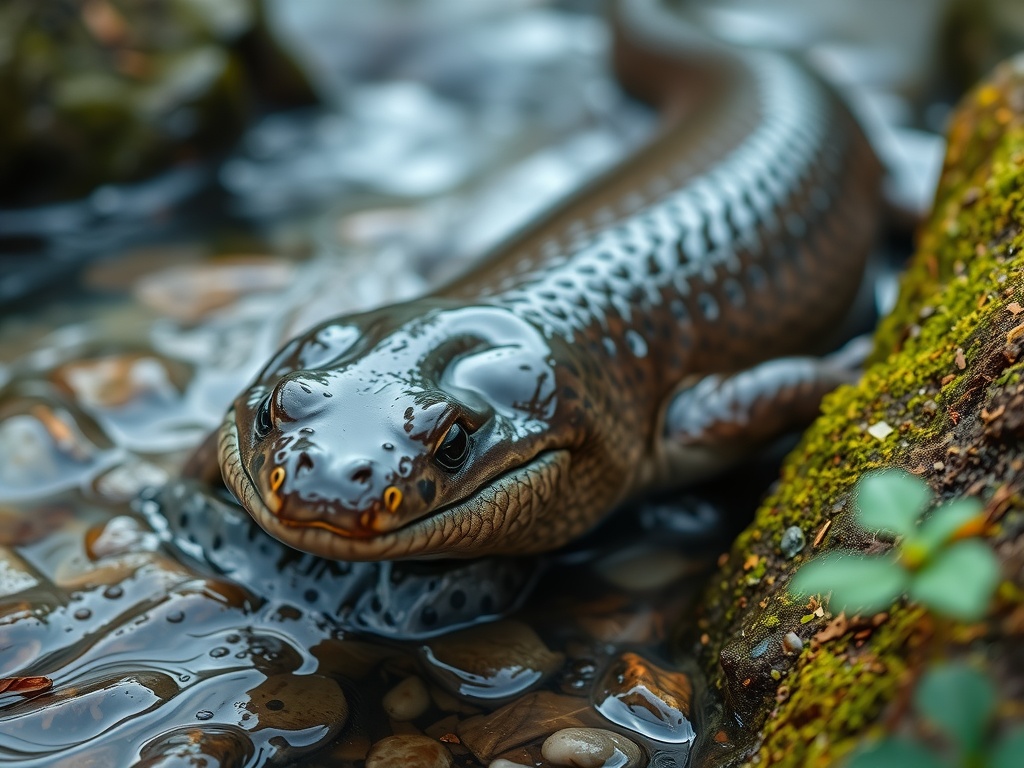
Andrias japonicus reaches 1.5 m and 25 kg, making it the second-largest amphibian on Earth, and it lives in cold, fast, rocky streams in western Japan, where it is called hanzaki - a name usually explained by the belief that it could be cut in half and survive. Almost entirely aquatic, it has tiny eyes, no gills as an adult, and no lungs worth speaking of; it breathes through wrinkled, folded skin, and it must have cold, oxygen-rich water. It hunts by sitting still and detecting pressure waves with sensory nodes across its head and body, then striking sideways in a fast lateral snap of the head to engulf fish and crustaceans. The breeding system is unusual: a large male, the "den master", occupies and defends a burrow in the riverbank, admits multiple females to lay inside, fertilises the eggs, and then guards them for months, fanning them and even eating unhealthy or fungused eggs. Fights between den masters are violent and often fatal. Introduced Chinese giant salamanders, brought to Japan for food, have hybridised with the natives in the Kamo River in Kyoto, and hybrid animals now dominate parts of the population - a genuine crisis for the species' genetic integrity.
Fascinating facts
Second Largest Amphibian
The Japanese Giant Salamander is the world's second largest amphibian, surpassed only by the Chinese Giant Salamander.
Aquatic Life
It spends its entire life in water, rarely venturing onto land, and is highly adapted to life in cold, oxygen-rich rivers.
Long-lived Species
Japanese Giant Salamanders can live for more than 50 years, with some individuals reported to reach up to 70 years of age.
Detailed description
The Japanese Giant Salamander (Andrias japonicus) is a robust, fully aquatic amphibian distinguished by its massive size, with adults typically ranging from 1.0 to 1.5 meters in length and weighing up to 25 kilograms. Its body is dorsoventrally flattened, aiding in movement along riverbeds, and is covered in loose, wrinkled skin that increases surface area for cutaneous respiration—a crucial adaptation, as its lungs are small and it relies heavily on absorbing oxygen through the skin. The salamander's head is broad and flat, with a wide mouth lined with small, conical teeth suited for gripping prey. Its eyes are small, lidless, and positioned dorsally, providing limited vision but reducing vulnerability to debris in fast-flowing streams. The coloration is typically mottled brown and black, offering effective camouflage among rocks and leaf litter. Limbs are short and sturdy, with four toes on the forelimbs and five on the hind limbs, facilitating crawling and anchoring in strong currents. The species lacks external gills as adults, unlike many other salamanders, but retains a lateral line system for detecting vibrations in water. Japanese Giant Salamanders are known for their longevity, with individuals living over 50 years in captivity and likely similar spans in the wild. Their slow metabolism and nocturnal habits further contribute to their ability to thrive in cold, oxygen-rich mountain streams.
Did you know?
The Japanese Giant Salamander is considered a living fossil, having changed little since the time of the dinosaurs.
Research & sources
Wikipedia summary
The Japanese giant salamander is a species of fully aquatic giant salamander endemic to Japan, occurring across the western portion of the main island of Honshu, with smaller populations present on Shikoku and in northern Kyushu. With a length of up to 5 feet (1.5 m), it is the third-largest salamander in the world, being surpassed only by the very similar and closely related Chinese giant salamander and the South China giant salamander.
Behaviour & social structure
Japanese Giant Salamanders are primarily nocturnal and solitary, emerging from their refuges beneath rocks or within submerged crevices at night to hunt. They are ambush predators, remaining motionless and waiting for prey to approach before striking with a rapid sideways motion of the head. Their diet consists mainly of fish, crustaceans, insects, frogs, and occasionally small mammals or other amphibians. They exhibit a 'sit-and-wait' strategy, relying on their sensitive lateral line system to detect water movements produced by prey. Social interactions are generally limited to the breeding season, during which males may become territorial and aggressive, defending nesting sites from rivals. Outside of this period, individuals maintain overlapping home ranges but avoid direct contact. Daily routines are dictated by water temperature and flow, with activity peaking during cooler, wetter months when prey is abundant.
Reproduction & life cycle
Breeding occurs annually from late August to early September, coinciding with cooler water temperatures and increased stream flow. Males establish and defend underwater nesting burrows, often in natural cavities or beneath large rocks. Females are attracted to these sites and deposit between 400 and 500 eggs in gelatinous strings, which the male then fertilizes externally. Remarkably, the male remains to guard the eggs for up to two months, fanning them with his tail to ensure adequate oxygenation and protect them from predators and fungal infections. The eggs hatch after 40–60 days, depending on water temperature, and the larvae are fully aquatic, possessing external gills and feeding on small invertebrates. Metamorphosis is gradual, with juveniles retaining some larval features for several years before reaching sexual maturity at around 5–7 years of age.
Adaptations & survival
The Japanese Giant Salamander exhibits several unique adaptations for its aquatic lifestyle. Its extensive skin folds maximize surface area for cutaneous respiration, compensating for the low oxygen content in cold, fast-flowing streams. The lateral line system, a sensory adaptation shared with fish, enables detection of minute vibrations and movements in the water, critical for locating prey in turbid conditions. The salamander's cryptic coloration and flattened body provide camouflage and stability against strong currents. Its slow metabolism allows survival in nutrient-poor environments and contributes to its exceptional longevity. The species also exhibits remarkable regenerative abilities, capable of healing wounds and regenerating lost limbs, a trait common among salamanders.
Cultural significance
The Japanese Giant Salamander holds a prominent place in Japanese folklore and culture, often referred to as 'Ōsanshōuo' (大山椒魚, 'giant pepper fish'). It is sometimes associated with the mythical 'kappa,' a water-dwelling creature in Japanese legend. Historically, the salamander was occasionally used as food or in traditional medicine, though such practices are now rare and generally prohibited. The species is a symbol of pristine mountain rivers and has become an ambassador for freshwater conservation in Japan, featuring in educational programs and local festivals. Its unique appearance and ancient lineage have inspired art, literature, and even modern mascots.
Recent research
Recent research has focused on the genetic diversity and population structure of Andrias japonicus, with molecular studies revealing significant regional variation and highlighting the risks of hybridization with non-native Andrias species. Conservation genetics is a growing field, aiming to inform captive breeding and reintroduction programs. Ecological studies have examined the species' role as an apex predator in stream ecosystems, influencing community structure and nutrient cycling. Advances in non-invasive monitoring, such as environmental DNA (eDNA) sampling, have improved detection and population assessments. Ongoing research also explores the salamander's remarkable regenerative abilities, with potential biomedical applications.
Sources
Natural History and Conservation of Japanese Giant Salamander (Andrias japonicus)
Masafumi Matsui, Hirofumi Nishikawa, et al. (2019)
scientificJapanese Giant Salamander: IUCN Red List of Threatened Species
IUCN SSC Amphibian Specialist Group (2022)
conservationVideos
Habitat
Cold, fast-flowing streams and rivers
 Elevated Terrain
Mountain
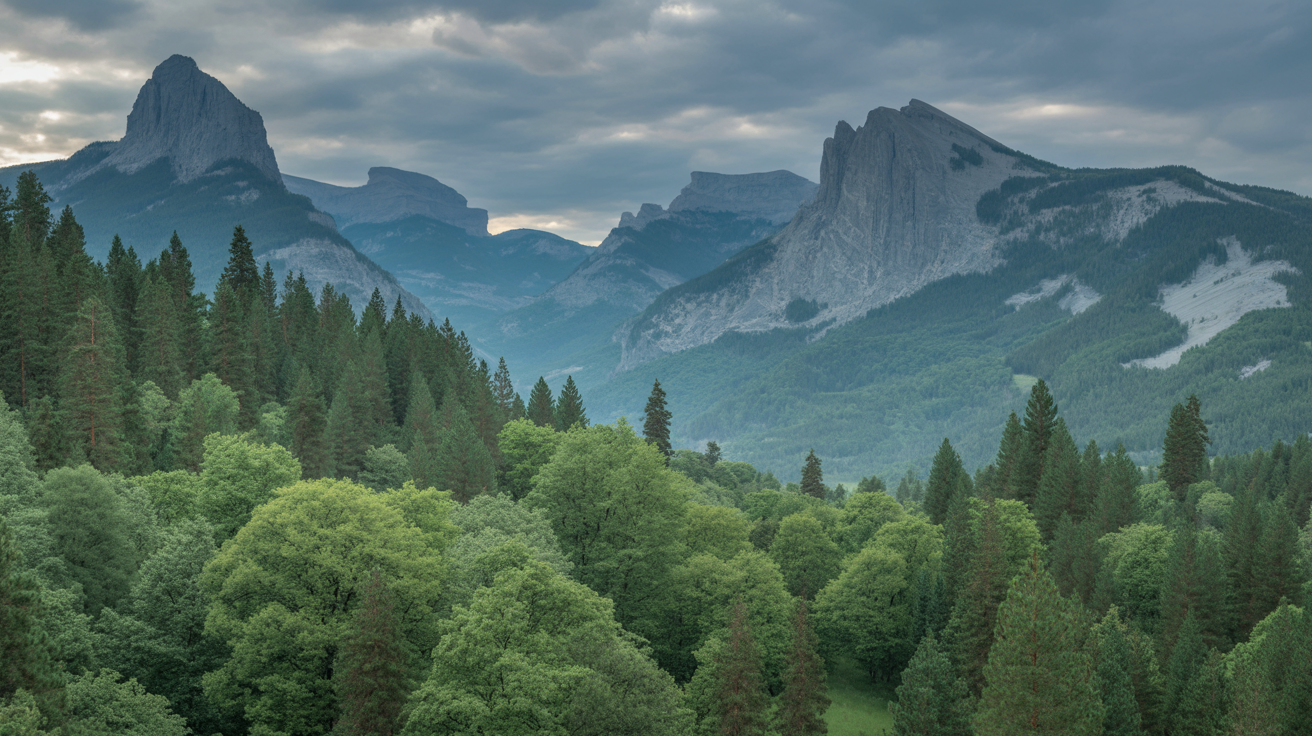
High-altitude environments with varying climates and specialized wildlife adapted to rugged terrain and thin air.
 Global
Forest
Wooded areas with significant tree cover and diverse plant and animal communities.
 Global
Freshwater
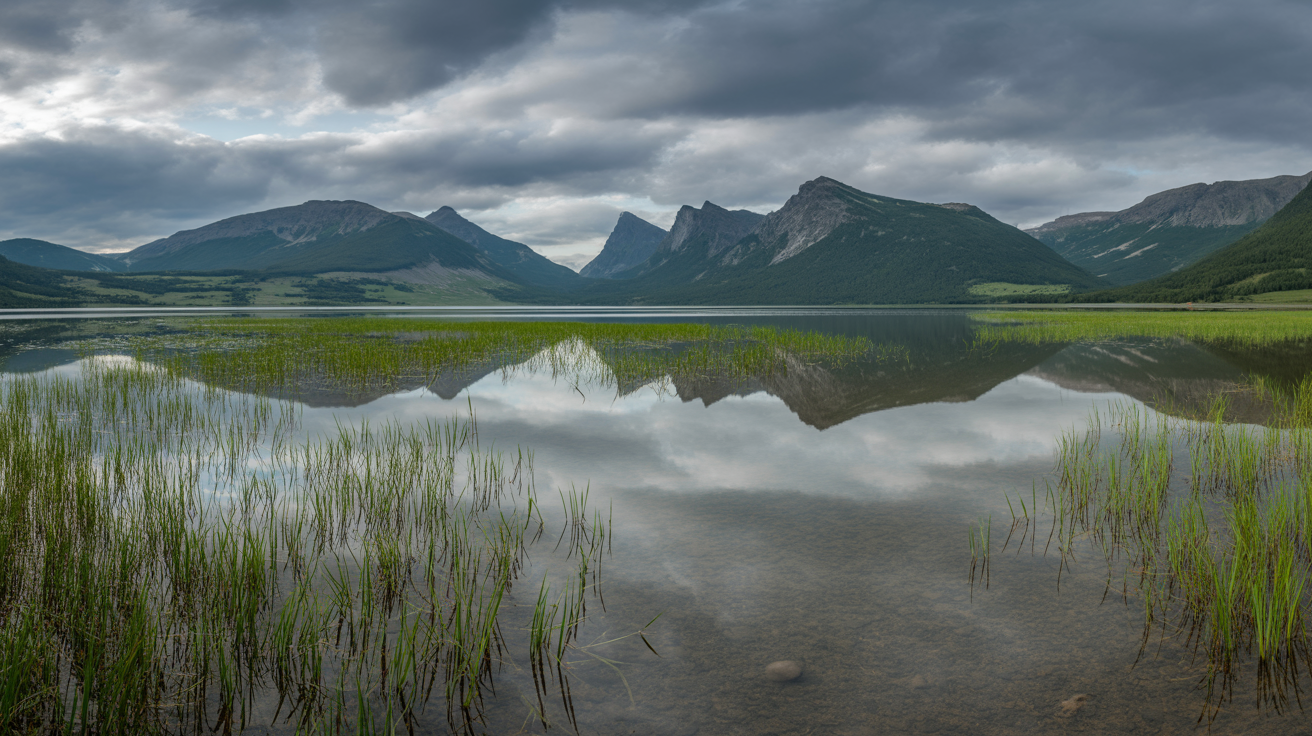
Lakes, rivers, and wetlands with diverse aquatic ecosystems.
Conservation
The Japanese Giant Salamander is currently classified as Near Threatened on the IUCN Red List.
Threats & challenges
Major threats to the Japanese Giant Salamander include habitat loss and fragmentation due to river damming, channelization, and pollution from agricultural and urban runoff. Siltation and reduced water quality negatively impact egg and larval survival. Over-collection for the pet trade and scientific research, though now regulated, has historically contributed to population declines. Hybridization with introduced Chinese Giant Salamanders (Andrias davidianus) poses a significant genetic threat, potentially undermining the species' genetic integrity. Climate change, by altering precipitation patterns and water temperatures, may further disrupt breeding and reduce suitable habitat. Despite legal protections and conservation efforts, populations are believed to be declining, leading to its classification as Near Threatened by the IUCN.
Taxonomy
Scientific name
Andrias japonicus
- Kingdom
- Animalia
- Phylum
- Chordata
- Class
- Amphibia
- Order
- Caudata
- Family
- Cryptobranchidae
- Genus
- Andrias
- Species
- japonicus
Where to see a japanese giant salamander
3 zoos and aquariums in 1 country are recorded as keeping this species.
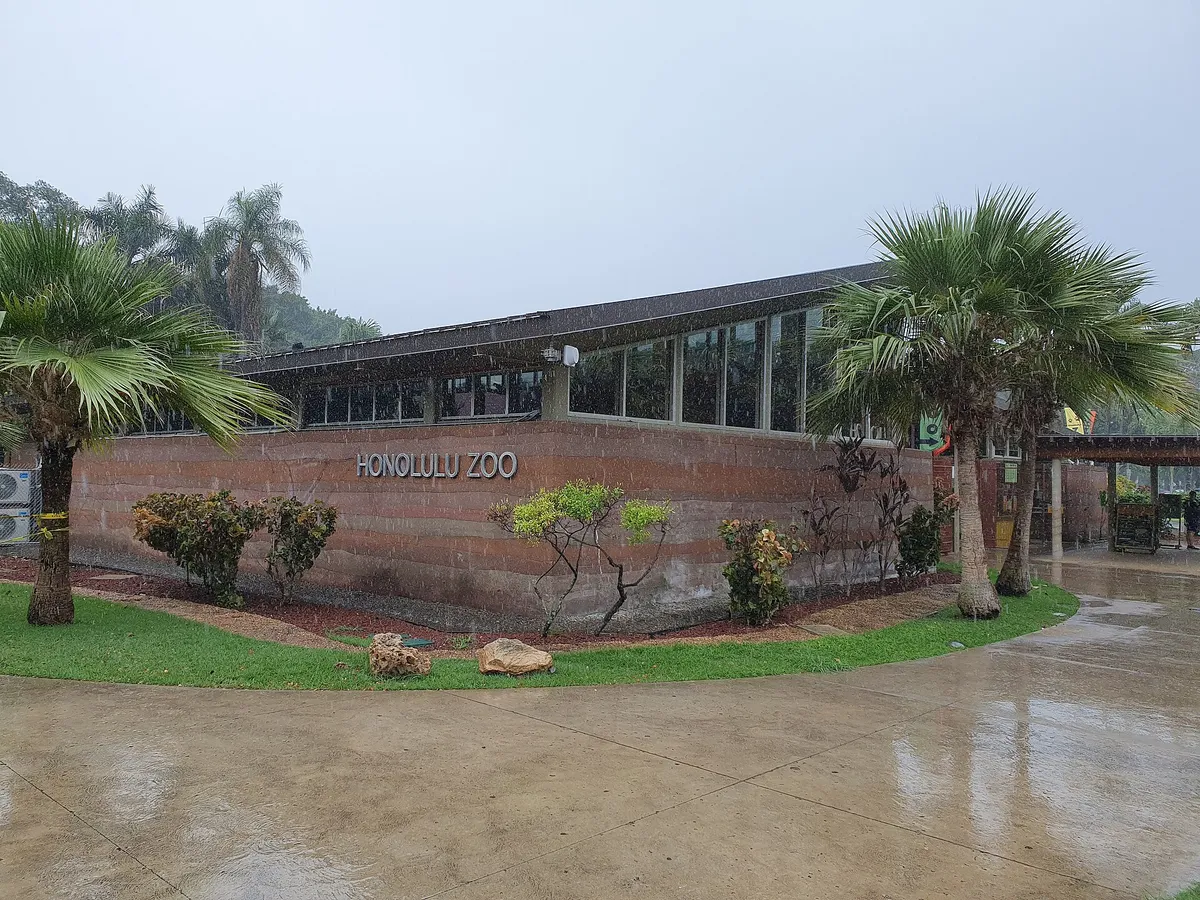 Honolulu Zoo🇺🇸 Honolulu, United States
 National Zoological Park🇺🇸 Washington, United States
 Toledo Zoo🇺🇸 Toledo, United States
Community notes
Share your observations about the Japanese Giant Salamander.
No community notes yet. Be the first!
Discover more wildlife
More fascinating animals from the encyclopedia.