
About the Kenyan Sand Boa
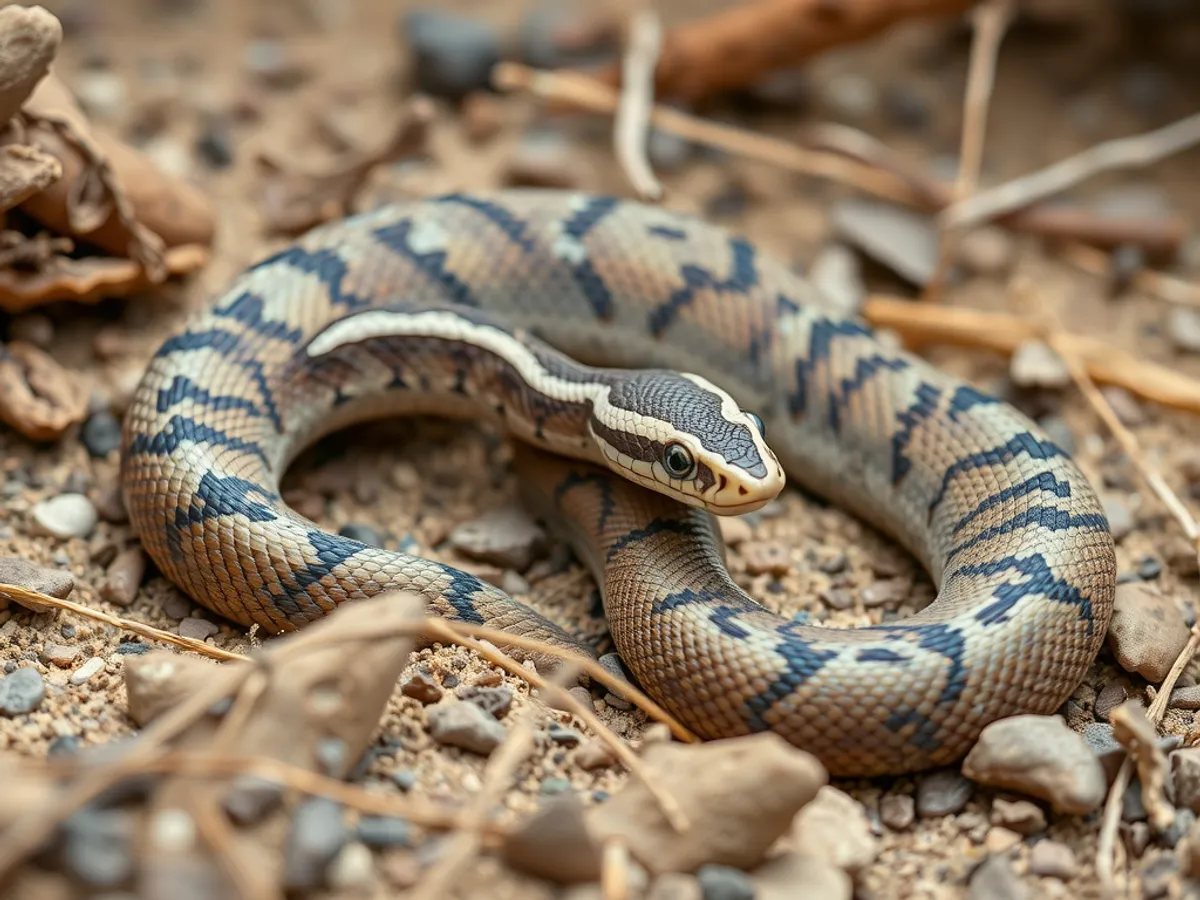
The Kenyan Sand Boa is a small, burrowing snake native to northeastern Africa, particularly Kenya, Egypt, and surrounding regions. Characterized by its stout body, blunt head, and distinctive orange and brown or yellow and brown coloration, this species is well adapted for life beneath loose, sandy soils. Its secretive nature and calm temperament have made it a popular pet snake, especially for beginners. In the wild, Kenyan Sand Boas spend much of their time hidden underground, ambushing prey that passes by.
Fascinating facts
Expert Burrower
Kenyan Sand Boas are specialized for a burrowing lifestyle, often spending most of their lives just beneath the surface of sandy soils to avoid predators and extreme temperatures.
Ambush Predator
Instead of actively hunting, this snake waits buried beneath the sand to ambush small mammals, lizards, and birds that wander close.
Female Dominance
Females can grow up to twice the size of males, with some reaching lengths of nearly 90 cm, while males typically remain much smaller.
Detailed description
The Kenyan Sand Boa (Eryx colubrinus) is a small, robust snake, typically reaching adult lengths of 30–60 cm (12–24 inches), with females generally larger and more massive than males. Its cylindrical body is covered in smooth, glossy scales, and it possesses a short, blunt head with small, recessed eyes positioned dorsally, an adaptation for burrowing. The coloration is highly variable but usually consists of bright orange, yellow, or tan backgrounds overlaid with irregular dark brown or chocolate blotches, providing excellent camouflage in sandy environments. The ventral surface is pale, often white or cream. This species is fossorial, spending much of its life beneath the surface of loose, sandy soils, where it uses its wedge-shaped head and powerful body to 'swim' through the substrate. Kenyan Sand Boas are solitary and secretive, emerging primarily at dusk or during cooler periods to hunt or bask briefly. Their muscular tails are short and blunt, sometimes used to anchor themselves while subduing prey. Eryx colubrinus is ovoviviparous, giving birth to live young rather than laying eggs. Its slow metabolism and low activity levels are well-suited to the arid environments it inhabits, allowing it to survive long periods without food.
Did you know?
Kenyan Sand Boas can survive for months without food, thanks to their slow metabolism and energy-conserving burrowing lifestyle.
Research & sources
Behaviour & social structure
Kenyan Sand Boas are primarily crepuscular and nocturnal, remaining hidden beneath the substrate during the heat of the day to avoid desiccation and predation. They are ambush predators, lying in wait just below the surface with only their eyes and snout exposed, ready to strike at passing prey. Their diet in the wild consists mainly of small mammals such as gerbils, mice, and occasionally lizards and birds. Feeding is infrequent, with adults sometimes going weeks or months between meals. When threatened, they may exhibit defensive behaviors such as rapid burrowing, tail thrashing, or curling into a tight ball with the head protected in the center. Social interactions are minimal outside of the breeding season, as individuals are highly territorial and avoid one another. Activity patterns are influenced by temperature and humidity, with increased surface activity following rainfall or during cooler nights.
Reproduction & life cycle
Eryx colubrinus is ovoviviparous, with females giving birth to live young rather than laying eggs. Breeding typically occurs during the rainy season (March to May in East Africa), when environmental conditions are optimal. Males locate receptive females by following pheromone trails. Courtship involves tactile stimulation and body alignment, with copulation lasting several hours. After successful mating, females undergo a gestation period of approximately 4–5 months. Litters usually consist of 5–20 neonates, each measuring about 15–20 cm (6–8 inches) at birth. There is no parental care; the young are independent from birth and immediately capable of hunting small prey. Sexual maturity is reached at 2–3 years of age, with females maturing slightly later than males.
Adaptations & survival
Kenyan Sand Boas possess several specialized adaptations for a fossorial lifestyle. Their wedge-shaped head and countersunk lower jaw enable efficient burrowing, while smooth, glossy scales reduce friction as they move through sand. The eyes and nostrils are positioned dorsally, allowing the snake to remain mostly buried while observing its surroundings. Their cryptic coloration provides camouflage against predators and prey. They exhibit a low metabolic rate, an adaptation to the unpredictable availability of food in arid habitats. The tail is short and blunt, sometimes used as a decoy to distract predators. Kenyan Sand Boas can survive extended periods without water by minimizing evaporative loss and obtaining moisture from prey.
Cultural significance
In their native range, Kenyan Sand Boas are not widely featured in folklore or mythology, but they are sometimes regarded with superstition due to their secretive habits. In recent decades, they have gained popularity in the global pet trade due to their manageable size, docile temperament, and striking appearance. There are no known traditional medicinal or ritual uses, but their presence in local ecosystems is valued for natural rodent control.
Recent research
Recent research on Eryx colubrinus has focused on its reproductive biology, thermoregulation, and genetic diversity across its range. Studies have documented significant color and pattern polymorphism, suggesting local adaptation to different substrates. Ongoing research is investigating the impact of habitat fragmentation and the genetic consequences of the pet trade. Advances in captive breeding have improved understanding of husbandry requirements and disease management. There is also interest in the species' role in controlling rodent populations in agricultural regions.
Sources
Eryx colubrinus (Kenyan Sand Boa): Natural History and Ecology
Spawls, S., Howell, K., Hinkel, H., & Menegon, M. (2018)
scientificEryx colubrinus: The IUCN Red List of Threatened Species 2021
IUCN SSC Amphibian and Reptile Specialist Group
conservationEryx colubrinus (Kenyan Sand Boa): Natural History and Conservation
Spawls, S., Howell, K., Hinkel, H., & Menegon, M. (2018)
scientificEryx colubrinus: The IUCN Red List of Threatened Species 2021
IUCN SSC Amphibian and Reptile Specialist Group
conservationVideos
Habitat
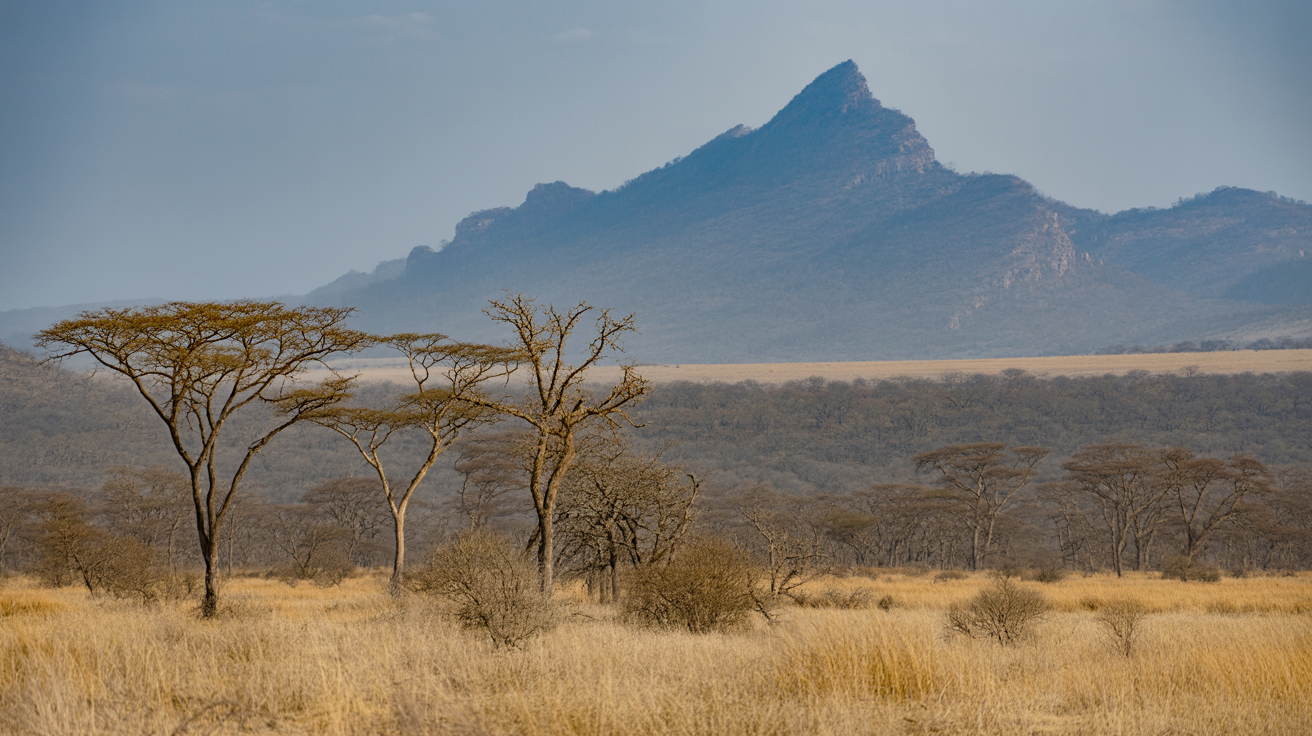
Dry savannas, semi-desert, and scrubland with loose, sandy soils
 Arid Regions
Desert
Arid lands with minimal rainfall, extreme temperatures, and specialized wildlife adapted to harsh conditions.
 Africa
Savanna
Grasslands with scattered trees, characterized by seasonal rainfall and home to diverse grazing animals and predators.
 Various Continental Regions
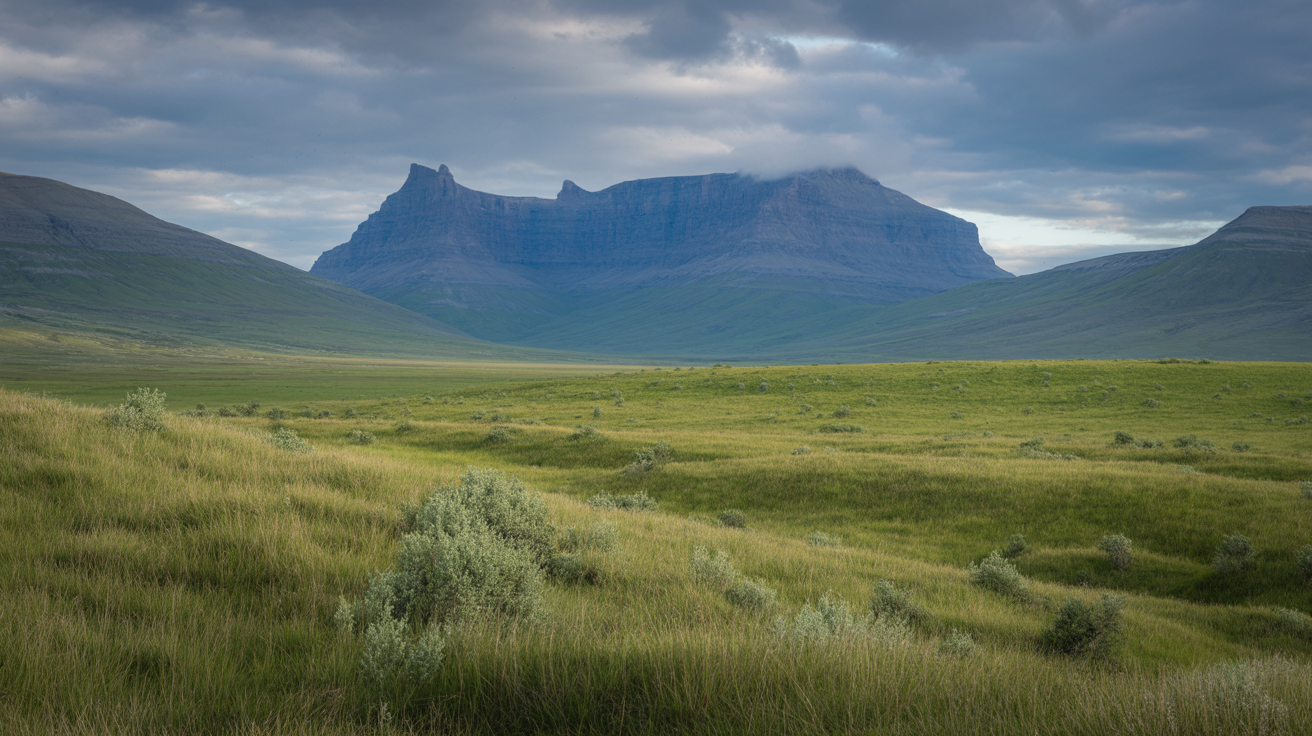
Grassland
Open areas dominated by grasses rather than trees, supporting numerous herbivores and their predators.
Conservation
The Kenyan Sand Boa is currently classified as Least Concern on the IUCN Red List.
Threats & challenges
Currently assessed as Least Concern by the IUCN, Kenyan Sand Boas face localized threats from habitat degradation due to agricultural expansion, overgrazing, and urbanization. Collection for the international pet trade has historically impacted some populations, but captive breeding has reduced pressure on wild stocks. Predation by birds of prey, mammals, and larger snakes is a natural threat. Climate change and desertification may pose future risks by altering habitat suitability. Population trends are considered stable, but localized declines have been reported in areas of intense human activity.
Taxonomy
Scientific name
Eryx colubrinus
- Kingdom
- Animalia
- Phylum
- Chordata
- Class
- Reptilia
- Order
- Squamata
- Family
- Boidae
- Genus
- Eryx
- Species
- colubrinus
Where to see a kenyan sand boa
1 zoo and aquarium in 1 country are recorded as keeping this species.
Community notes
Share your observations about the Kenyan Sand Boa.
No community notes yet. Be the first!
Discover more wildlife
More fascinating animals from the encyclopedia.