
About the King Vulture
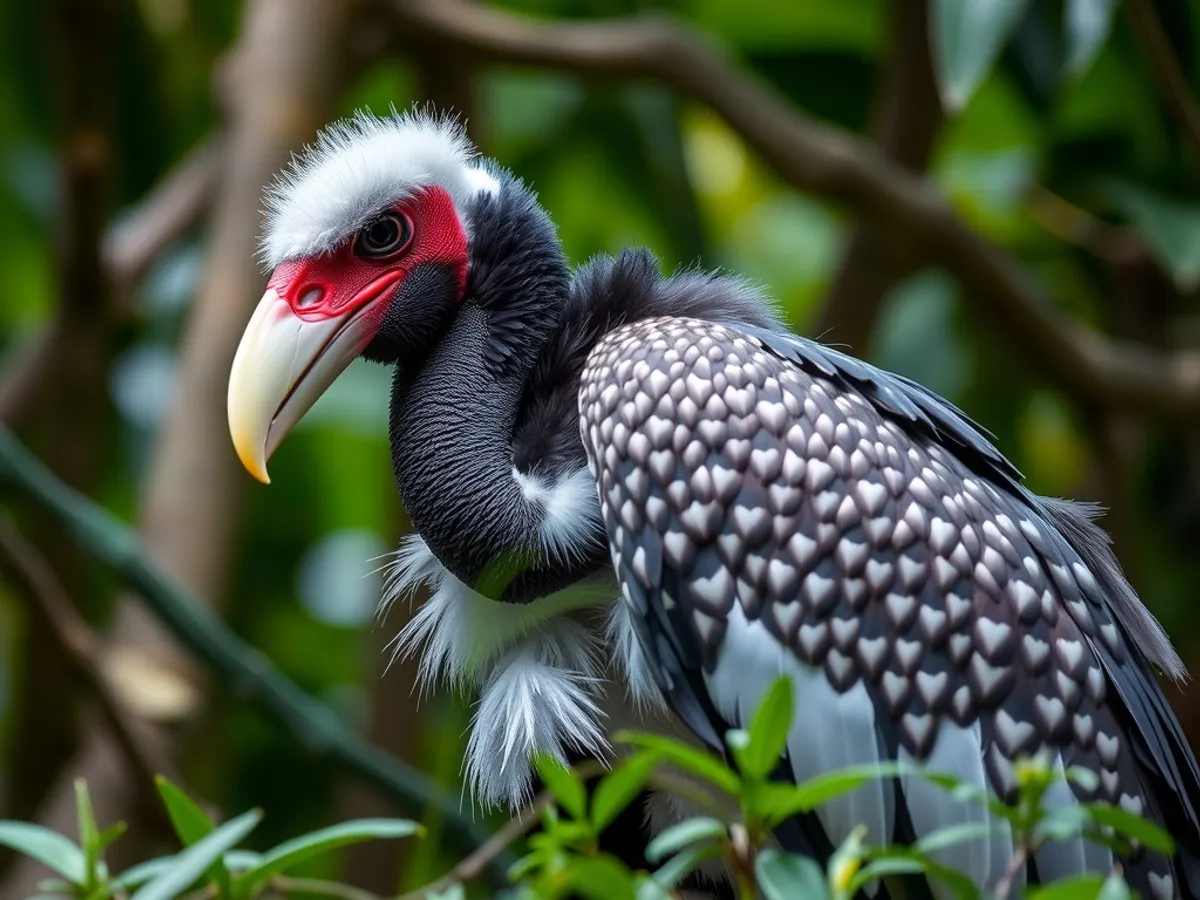
Sarcoramphus papa is the most flamboyant of the New World vultures - a white body, black flight feathers, and a bare head of orange, purple, yellow and red topped by a fleshy orange caruncle over the bill - and its ecological position depends on a division of labour. The king vulture has a poor sense of smell. The smaller turkey and yellow-headed vultures have an exceptional one, capable of detecting ethyl mercaptan from a carcass through dense canopy, and it is they who find the body. The king vulture watches them, follows them down, and then does what they cannot: its bill is strong enough to tear open the hide of a large carcass, which the smaller species cannot penetrate. Once the king has opened the animal, everyone eats - including the vultures that found it in the first place. It dominates at a carcass, displacing all other vultures except the condors, hence the name. It is a soaring specialist with broad wings and rarely flaps, and its bare, colourful head is not just ornament; a featherless head is easier to keep clean when it is inside a carcass. The Maya depicted the king vulture repeatedly in their codices, sometimes as a glyph combining a vulture head with a human body.
Fascinating facts
Colorful Head
The King Vulture's head and neck are bare and display a stunning palette of orange, yellow, purple, and red, making it one of the most colorful vultures in the world.
Royal Name
Its name comes from local legends and its dominant presence at carcasses, where other vultures often yield to it.
Nature's Cleanup Crew
King Vultures are vital scavengers, helping to clean up carcasses and reduce the spread of diseases in their ecosystems.
Detailed description
The King Vulture (Sarcoramphus papa) is a large and visually striking scavenger, measuring 67–81 cm (26–32 in) in length with a wingspan of 1.2–2.0 m (4–6.6 ft), and weighing between 2.7–4.5 kg (6–10 lbs). Its plumage is predominantly white with contrasting black flight feathers and tail, while the bare head and neck display vivid hues of orange, yellow, and red, accentuated by a prominent fleshy caruncle on the beak. The eyes are pale, often appearing white or silver, and are surrounded by a ring of bare skin. The King Vulture's beak is robust and hooked, adapted for tearing through tough hides, and its strong legs and blunt talons are specialized for holding carrion rather than grasping live prey. This species is generally silent, lacking a syrinx, but may produce low hisses or grunts. King Vultures are primarily solitary or found in small groups, often dominating carcasses over other vulture species due to their size and strength. They are diurnal, using soaring flight to locate food over vast tracts of dense forest. Reproduction involves monogamous pairs nesting in tree hollows or on the ground, with both parents sharing incubation and chick-rearing duties. Their lifespan in the wild is estimated at 20–25 years, with some individuals in captivity living over 30 years. The King Vulture's ecological role is vital, as it accelerates decomposition and nutrient cycling by efficiently consuming carrion, including remains that other scavengers may not access.
Did you know?
Despite their size and powerful appearance, King Vultures are completely silent, lacking a syrinx and only able to make low croaking or hissing sounds.
Research & sources
Wikipedia summary
The king vulture is a large bird found in Central and South America. It is a member of the New World vulture family Cathartidae. This vulture lives predominantly in tropical lowland forests stretching from southern Mexico to northern Argentina. It is the only surviving member of the genus Sarcoramphus, although fossil members are known.
Behaviour & social structure
King Vultures are primarily scavengers, relying on their keen eyesight to locate carrion from the air, as their sense of smell is less developed than that of some other New World vultures (e.g., Turkey Vulture). They often arrive at carcasses after smaller vulture species, using their powerful beaks to open tough hides, which then allows access for other scavengers. Socially, they are usually solitary or found in pairs, but may congregate in small numbers at abundant food sources. Hierarchies are established at feeding sites, with King Vultures typically dominating due to their size and assertiveness. They are generally non-aggressive outside of feeding contexts and spend much of the day soaring on thermals or resting in the forest canopy. Roosting occurs in large trees, often communally with other vulture species. Unlike some vultures, they rarely venture into open savannas, preferring dense or semi-open forests.
Reproduction & life cycle
Breeding occurs throughout the year in tropical regions, with some evidence of seasonal peaks depending on local climate. King Vultures are monogamous, forming long-term pair bonds. Nests are typically constructed in natural cavities of large trees, on stumps, or occasionally on the ground in secluded areas. The female usually lays a single white egg, which is incubated by both parents for approximately 52–58 days. After hatching, the chick is altricial and covered in white down; both parents feed the chick by regurgitation. Fledging occurs at about 3 months, but juveniles may remain dependent on the parents for several additional months. Sexual maturity is reached at 4–5 years of age.
Adaptations & survival
The King Vulture exhibits several unique adaptations. Its bare, brightly colored head and neck are thought to aid in thermoregulation and hygiene, as feathers would trap bacteria from carrion. The strong, hooked bill is specialized for tearing through tough animal hides, allowing access to food sources unavailable to less powerful scavengers. Its large wings and broad tail facilitate efficient soaring over dense forests, minimizing energy expenditure during long-distance searches for food. The caruncle atop the beak is unique among New World vultures and may play a role in species recognition or sexual selection. Their vision is highly acute, enabling them to spot carcasses from great heights. Unlike some relatives, their sense of smell is relatively poor, so they often rely on observing the behavior of other scavengers to locate food.
Cultural significance
The King Vulture holds a prominent place in the mythology and iconography of several indigenous cultures in Central and South America. In ancient Maya civilization, it was considered a messenger between the living and the gods, often depicted in codices and temple carvings. Its striking appearance has led to its inclusion in folklore as a symbol of power, renewal, and the cycle of life and death. In some regions, its feathers and body parts have been used in traditional ceremonies, though such practices are less common today. The bird's regal bearing and distinctive coloration have also made it a subject of interest in ecotourism and wildlife art.
Recent research
Recent research has focused on the King Vulture's role in ecosystem health, particularly its efficiency in carcass removal and its interactions with other scavenger species. Genetic studies have confirmed its unique evolutionary lineage within the Cathartidae family, with fossil evidence suggesting the genus Sarcoramphus once included several now-extinct species. Satellite telemetry and GPS tracking have provided new insights into their home range, movement patterns, and habitat use, revealing a preference for undisturbed primary forests. Ongoing studies are examining the impacts of environmental contaminants and habitat fragmentation on reproductive success and population viability. Conservationists are also investigating the effects of climate change on their distribution and food availability.
Videos
Habitat
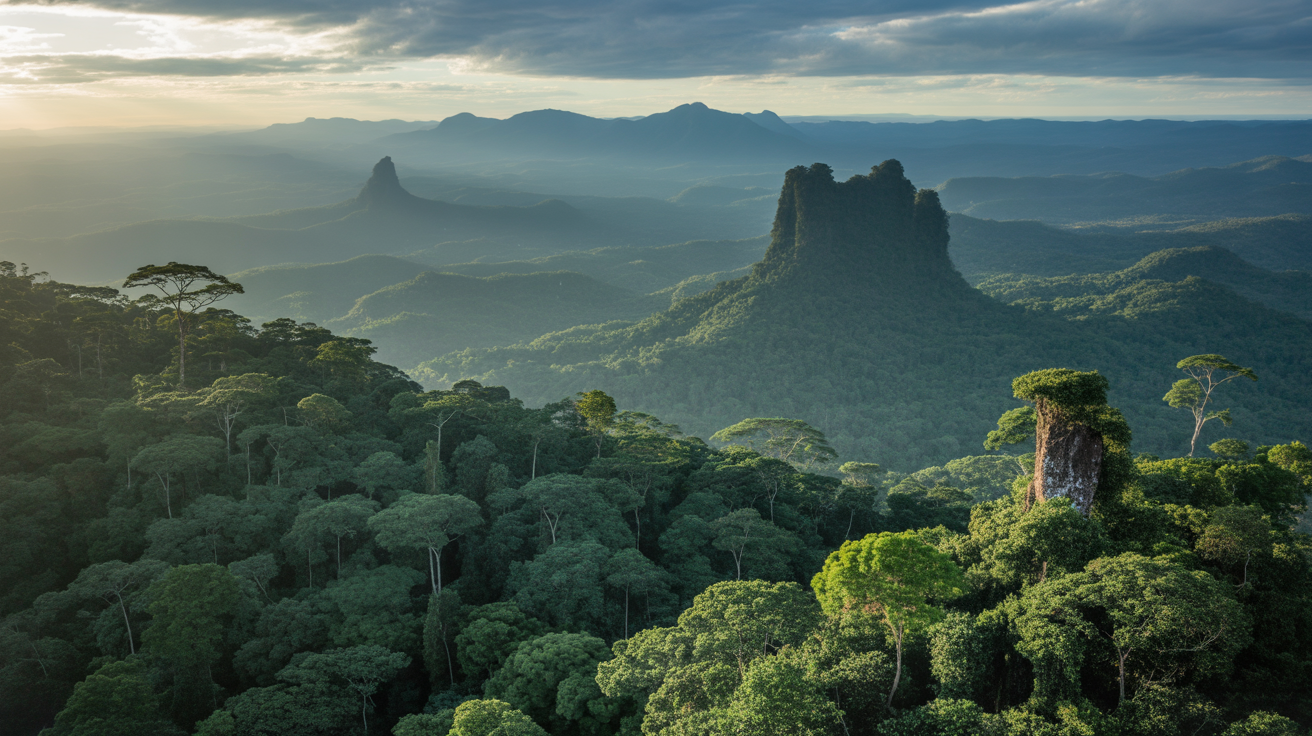
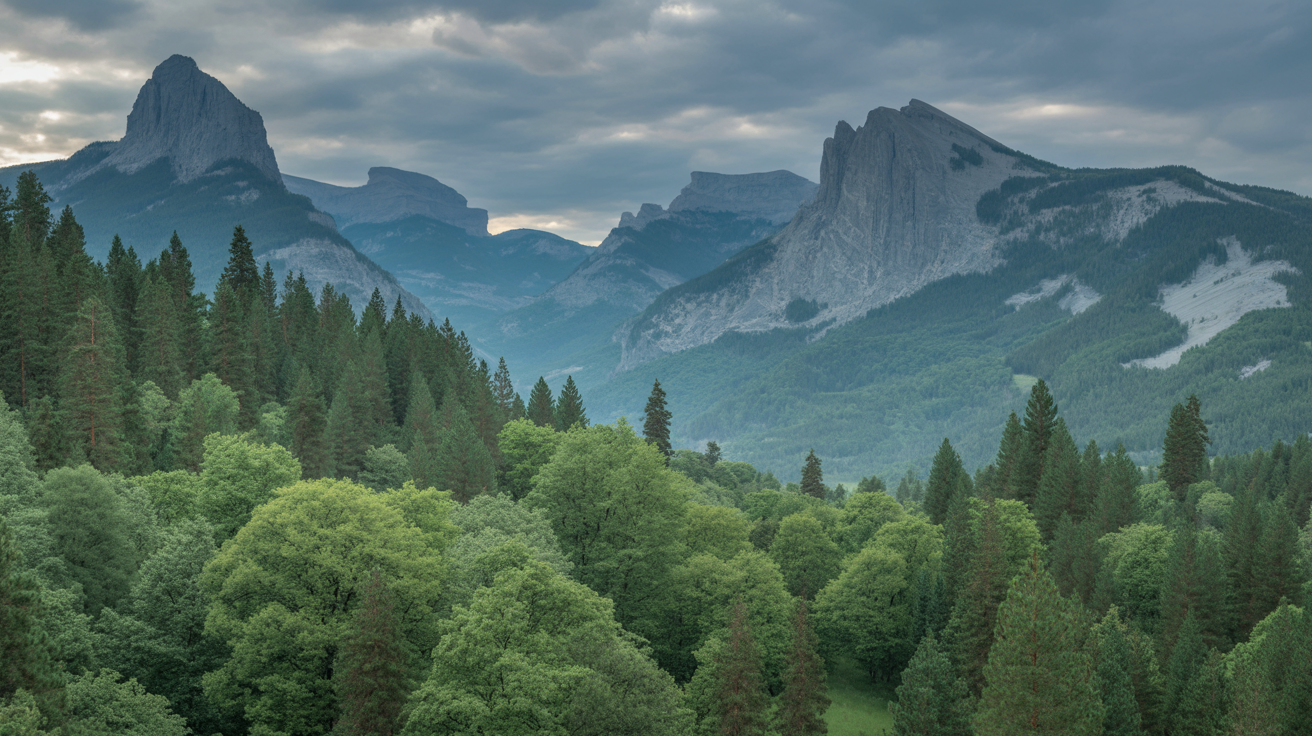
Tropical lowland forests
Conservation
The King Vulture is currently classified as Least Concern on the IUCN Red List.
Threats & challenges
Although currently classified as Least Concern by the IUCN, King Vultures face several localized threats. Habitat loss due to deforestation, particularly in the Amazon and Central American forests, poses the most significant long-term risk. Secondary poisoning from ingesting carcasses tainted with pesticides, lead, or veterinary drugs (such as diclofenac) is an emerging concern. They are occasionally hunted for their feathers or for use in traditional medicine and rituals. Disturbance at nesting sites and reduced availability of large wild mammals (their primary food source) due to overhunting or habitat fragmentation may also impact populations. Despite these threats, the species remains widespread and relatively stable, but ongoing habitat destruction could alter this status in the future.
Taxonomy
Scientific name
Sarcoramphus papa
- Kingdom
- Animalia
- Phylum
- Chordata
- Class
- Aves
- Order
- Cathartiformes
- Family
- Cathartidae
- Genus
- Sarcoramphus
- Species
- papa
Where to see a king vulture
11 zoos and aquariums in 3 countries are recorded as keeping this species.
 Honolulu Zoo🇺🇸 Honolulu, United States
 Houston Zoo🇺🇸 Houston, United States
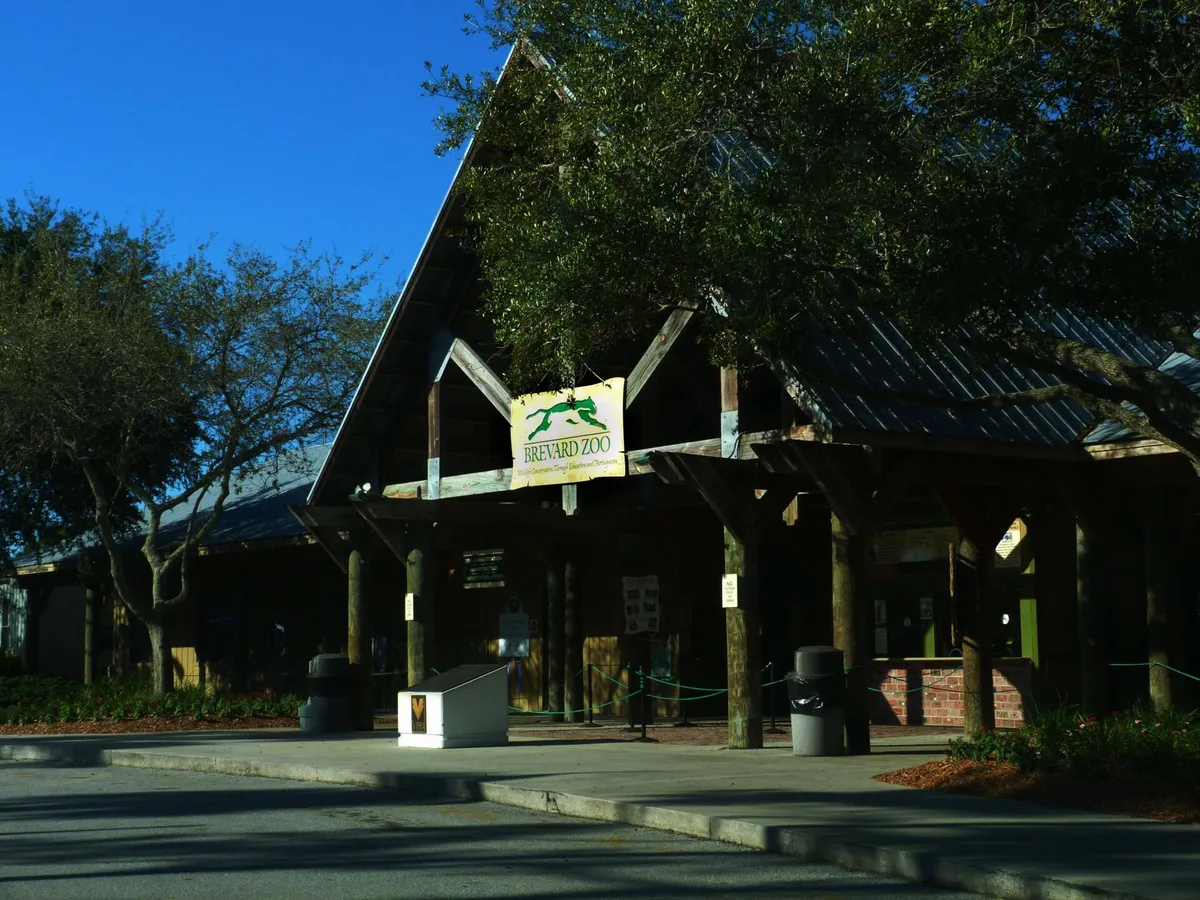 Brevard Zoo🇺🇸 Melbourne, United States
 Caldwell Zoo🇺🇸 Tyler, United States
- 🦁Charles Paddock Zoo🇺🇸 Atascadero, United States
Community notes
Share your observations about the King Vulture.
No community notes yet. Be the first!
Discover more wildlife
More fascinating animals from the encyclopedia.