
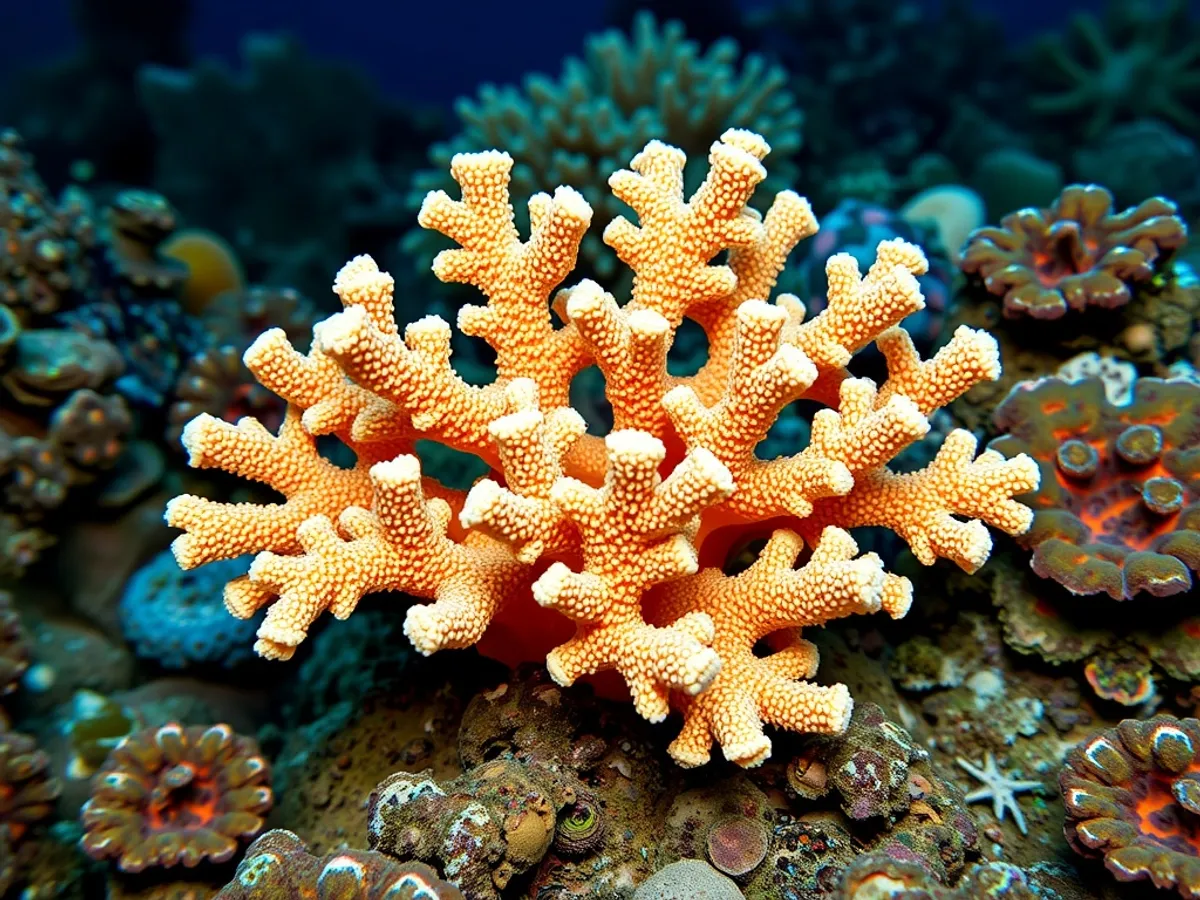
About the Lace Coral
Lace coral, scientifically known as Pocillopora damicornis, is a species of stony coral noted for its delicate, lace-like branching structure. Found primarily in shallow tropical and subtropical reef environments, it plays a crucial role in providing habitat for a variety of marine organisms. The coral is highly variable in appearance, with colony shapes and colors influenced by water conditions and depth. Lace coral is a vital reef builder, contributing to the complexity and resilience of coral reef ecosystems.
Fascinating facts
Wave Adaptation
Lace coral adjusts its growth patterns depending on water movement, forming denser branches in turbulent areas and more open structures in calmer waters.
Symbiotic Algae
It relies heavily on symbiotic zooxanthellae algae living within its tissues to produce energy through photosynthesis.
Marine Habitat Provider
The intricate lattice of lace coral colonies creates essential habitats for juvenile fish, crabs, and many other reef dwellers.
Detailed description
Pocillopora damicornis, commonly known as lace coral or cauliflower coral, is a colonial stony coral characterized by its highly variable, intricately branched morphology. Colonies can range from compact, bushy clumps to open, lace-like structures, typically measuring 10–30 cm across, though larger colonies are not uncommon. The corallites (skeletal cups housing individual polyps) are small, about 1 mm in diameter, and are distributed irregularly along the branches. The polyps are translucent and extend primarily at night to feed, retracting during the day for protection. Coloration varies widely, from pale pinks and browns to greenish hues, largely due to the density and type of symbiotic zooxanthellae (photosynthetic dinoflagellates) within their tissues. Lace coral is a fast-growing species, capable of both sexual and asexual reproduction, which aids its role as a primary reef builder. Its skeleton is composed of aragonite (a crystalline form of calcium carbonate), contributing significantly to reef structure and complexity. The species exhibits phenotypic plasticity, with colony form and polyp size influenced by environmental factors such as water movement, light availability, and depth, typically found from the intertidal zone down to 40 meters. Pocillopora damicornis provides critical habitat for a diverse array of reef organisms, including crustaceans, fish, and other invertebrates, enhancing local biodiversity.
Did you know?
Lace coral can rapidly change its shape and growth form in response to varying wave energy, making it highly adaptable within its reef environment.
Research & sources
Wikipedia summary
Pocillopora damicornis, commonly known as the cauliflower coral or lace coral, is a species of stony coral in the family Pocilloporidae. It is native to tropical and subtropical parts of the Indian and Pacific Oceans.
Behaviour & social structure
Lace coral is primarily sessile, but exhibits dynamic polyp behavior. Polyps extend their tentacles at night to capture planktonic prey, utilizing specialized stinging cells (nematocysts) to immobilize zooplankton and small organic particles. During daylight, polyps retract to minimize predation and desiccation, relying on their symbiotic zooxanthellae for photosynthetic energy. Colonies may compete with neighboring corals for space using sweeper tentacles or allelopathic chemicals. Socially, the colony functions as a superorganism, with interconnected polyps sharing nutrients and signaling stress responses. The coral can rapidly recover from minor injuries through tissue regeneration and asexual budding. Some associated species, such as the coral crab Trapezia, live within the branches and defend the coral from predators like the crown-of-thorns starfish. Daily routines are closely tied to light cycles, with feeding and metabolic activity peaking at night.
Reproduction & life cycle
Pocillopora damicornis exhibits both sexual and asexual reproductive strategies. Sexual reproduction occurs via broadcast spawning or brooding, depending on the population and region. In brooding populations, internal fertilization leads to the development of planula larvae, which are released into the water column and settle within hours to days. Spawning events are often synchronized with lunar cycles and seasonal temperature changes, typically occurring in spring or summer. Asexual reproduction is common through fragmentation, where broken branches can reattach and form new colonies, enhancing resilience and dispersal. The species is hermaphroditic, with individual polyps capable of producing both eggs and sperm. Parental care is minimal post-larval release, but brooding provides initial protection and higher larval survival rates. Rapid growth rates allow recolonization of disturbed areas, contributing to the coral’s ecological success.
Adaptations & survival
Lace coral displays several key adaptations for reef survival. Its symbiotic relationship with zooxanthellae enables efficient energy acquisition via photosynthesis, particularly in nutrient-poor tropical waters. The branching morphology maximizes surface area for light capture and gas exchange. Phenotypic plasticity allows the coral to alter its growth form in response to hydrodynamic conditions, reducing breakage in high-energy environments and optimizing light exposure in deeper or turbid waters. The ability to reproduce both sexually and asexually increases genetic diversity and colony resilience. Mucus secretion protects against sedimentation and pathogens, while rapid tissue regeneration helps recover from predation or physical damage. The presence of defensive mutualists, such as Trapezia crabs, provides additional protection from coral predators.
Cultural significance
While Pocillopora damicornis does not have a prominent role in traditional mythology or direct human use, it is ecologically and economically important as a foundational reef builder. Healthy lace coral populations support fisheries, tourism, and coastal protection, indirectly benefiting local communities. In some regions, fragments are collected for the marine aquarium trade, though this practice is regulated to prevent overharvesting. The species is also used in scientific research as a model organism for studying coral physiology, symbiosis, and climate change impacts.
Recent research
Recent research on Pocillopora damicornis has focused on its remarkable phenotypic plasticity, genetic diversity, and resilience to environmental stressors. Genomic studies have revealed significant population structure and cryptic speciation across its range, suggesting that what is currently recognized as a single species may comprise multiple lineages. Experimental work has demonstrated variable bleaching tolerance among populations, linked to differences in symbiont communities and local adaptation. The species is also a model for investigating coral-algal symbiosis, larval dispersal, and the impacts of ocean acidification on calcification. Ongoing studies are exploring assisted evolution and restoration techniques, such as selective breeding and transplantation, to enhance reef resilience.
Sources
Pocillopora damicornis (Linnaeus, 1758): Taxonomy, Biology, and Ecology
Veron, J.E.N. & Stafford-Smith, M.G. (2000)
scientificPocillopora damicornis: The IUCN Red List of Threatened Species 2014
Hoeksema, B.W., Rogers, A., & Quibilan, M.C.
conservationPhenotypic plasticity and population genetics of Pocillopora damicornis
Schmidt-Roach, S. et al. (2014)
scientificVideos
Habitat
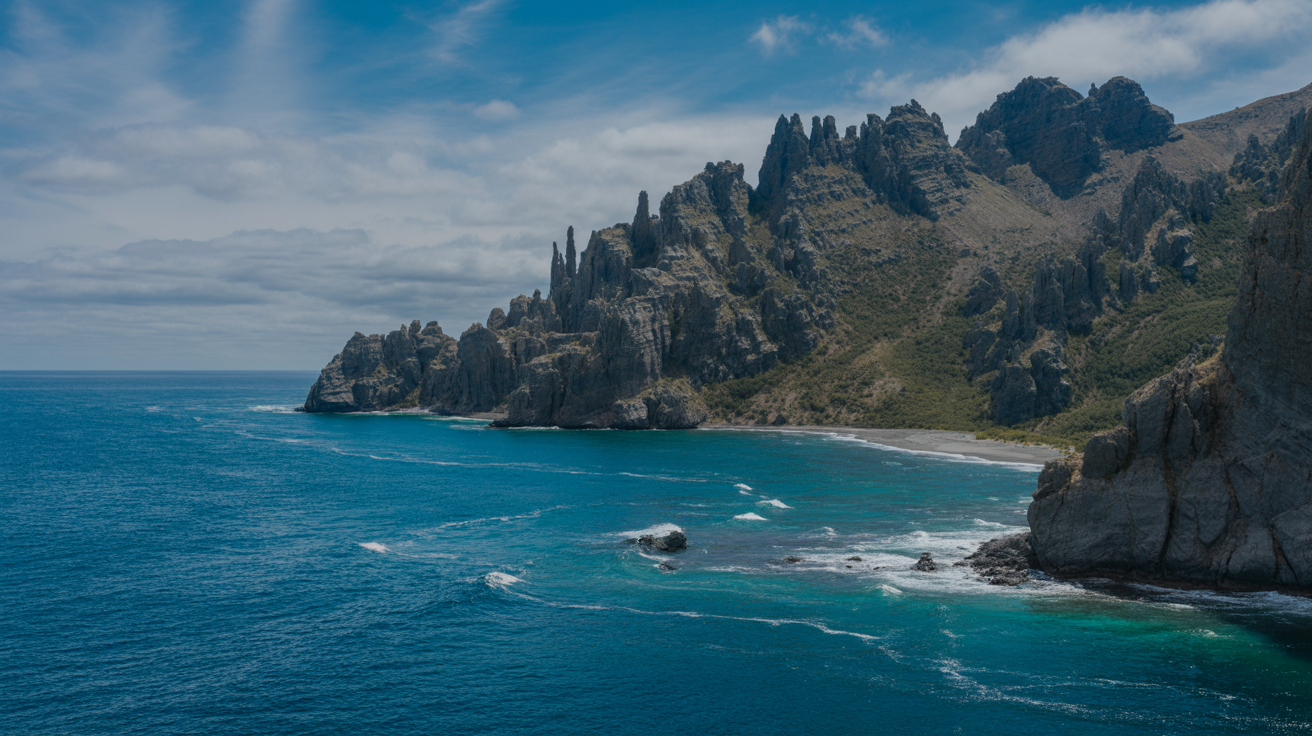
Coral reef
Conservation
The Lace Coral is currently classified as Vulnerable on the IUCN Red List.
Threats & challenges
Major threats to Pocillopora damicornis include coral bleaching (caused by elevated sea temperatures and loss of symbiotic algae), ocean acidification (which impairs skeletal formation), predation by crown-of-thorns starfish (Acanthaster planci), and physical destruction from storms, anchor damage, or destructive fishing practices. Disease outbreaks, such as white band disease, have also impacted populations. While the species is currently listed as Least Concern by the IUCN due to its broad distribution and high reproductive capacity, localized declines have been observed, particularly in areas with high human impact or poor water quality. Climate change poses a significant long-term threat, with increased frequency of bleaching events and reduced calcification rates. Conservation challenges include habitat degradation, overfishing of mutualistic species, and limited recovery time between disturbance events.
Taxonomy
Scientific name
Pocillopora damicornis
- Kingdom
- Animalia
- Phylum
- Cnidaria
- Class
- Anthozoa
- Order
- Scleractinia
- Family
- Pocilloporidae
- Genus
- Pocillopora
- Species
- damicornis
Community notes
Share your observations about the Lace Coral.
No community notes yet. Be the first!
Discover more wildlife
More fascinating animals from the encyclopedia.