
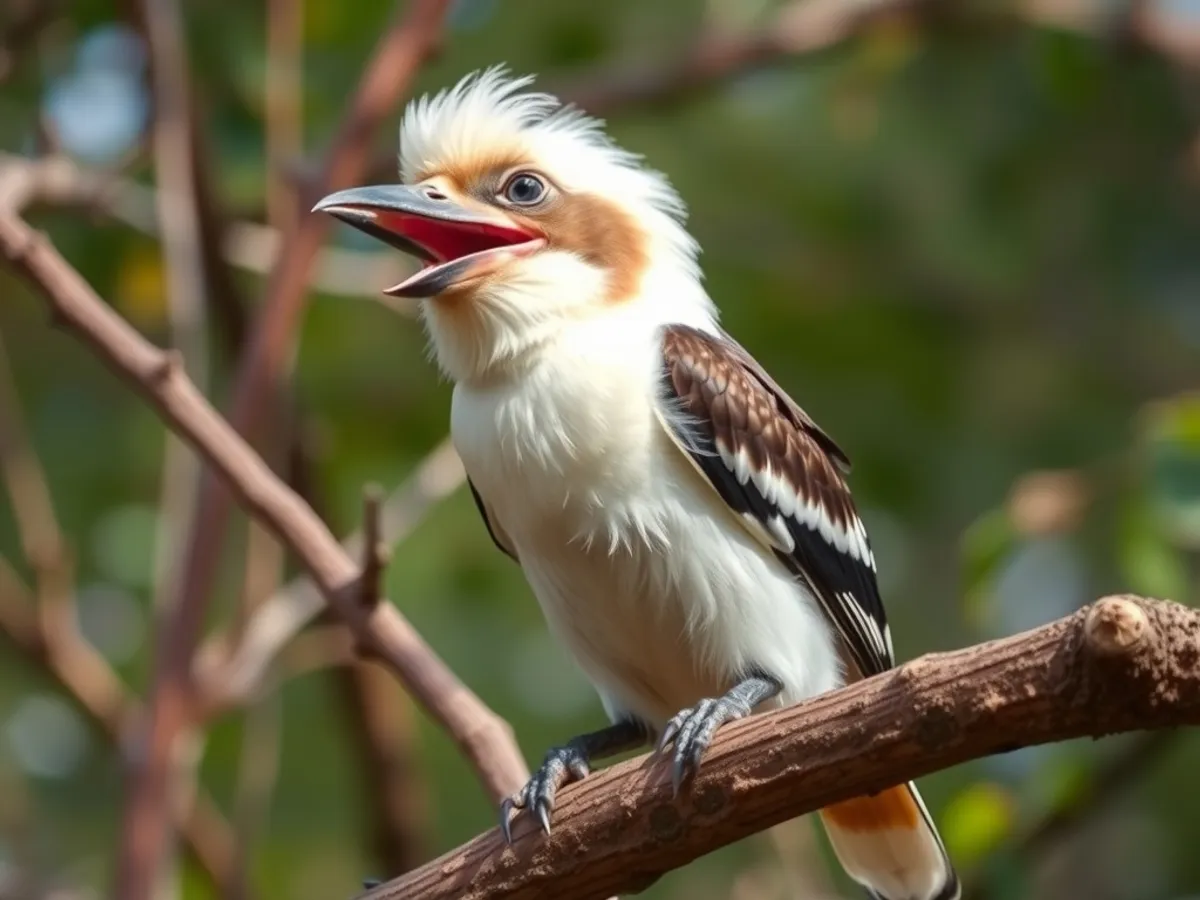
About the Laughing Kookaburra
Dacelo novaeguineae is the largest kingfisher in the world, and it does not fish. It is a dry-country, terrestrial hunter, watching from a low branch and dropping onto lizards, large insects, mice and snakes, which it kills by seizing them and battering them repeatedly against the branch - a technique that lets it take snakes considerably longer than itself. Its famous call is not laughter but a territorial chorus: a family group sings together, typically at dawn and dusk, with a rolling series of chuckles that builds into a raucous cackle and is answered by neighbouring groups, mapping out territory boundaries by sound across the bush. Kookaburras are cooperative breeders. Young from previous years stay with their parents for several years as helpers, defending the territory and feeding the chicks, and a family may hold the same patch for decades. Inside the nest, though, the arrangement is brutal: chicks hatch with a temporary sharp hook on the bill, and the older ones use it to attack their siblings, so the youngest is frequently killed in the first week. They nest in tree hollows or, remarkably, by burrowing into arboreal termite nests. The hook is shed once the fighting period passes.
Fascinating facts
Famous Laugh
Their loud, cackling call sounds like human laughter and is a defining feature of the Australian bush.
Snake Predators
Laughing Kookaburras are skilled hunters and are known to eat venomous snakes much longer than their own bodies.
Urban Dwellers
They readily adapt to suburban environments and are commonly seen in backyards and city parks, especially where there are tall trees.
Detailed description
The Laughing Kookaburra (Dacelo novaeguineae) is the largest member of the kingfisher family, with adults typically measuring 39–42 cm in length and weighing 310–480 grams. It has a robust body, a large head with a prominent, heavy bill (4–5 cm long), and short legs adapted for perching. The plumage is predominantly off-white on the head and underparts, with a dark brown eye-stripe running from the beak through the eye, and rich brown upperparts. The wings display pale blue mottling, while the tail is rufous with black bars. Both sexes are similar in appearance, though males may have slightly bluer rumps. The species is renowned for its loud, cackling 'laugh'—a complex territorial call that often involves family groups in a chorus, serving both social and territorial functions. Laughing Kookaburras are sedentary and highly territorial, forming stable family groups that defend territories year-round. Their strong, straight bills are adapted to seize and subdue a wide range of prey, including insects, small mammals, reptiles, and even other birds. They are primarily perch-and-pounce hunters, using elevated vantage points to spot and ambush prey. The species is highly adaptable, thriving in open forests, woodlands, farmlands, and increasingly in urban and suburban environments. Their social structure is cooperative, with offspring from previous years often assisting parents in raising new broods. This cooperative breeding strategy is a key adaptation to their environment, enhancing reproductive success and territory defense.
Did you know?
Laughing Kookaburras often form family groups where older siblings help raise new chicks, a behavior known as cooperative breeding.
Research & sources
Wikipedia summary
The laughing kookaburra is a bird in the kingfisher subfamily Halcyoninae. It is a large robust kingfisher with a whitish head and a brown eye-stripe. The upperparts are mostly dark brown but there is a mottled light-blue patch on the wing coverts. The underparts are cream-white and the tail is barred with rufous and black. The plumage of the male and female birds is similar. The territorial call is a distinctive laugh that is often delivered by several birds at the same time, and is widely used as a stock sound effect in situations that involve a jungle setting.
Behaviour & social structure
Laughing Kookaburras are diurnal, most active at dawn and dusk when their vocalizations are most frequently heard. They maintain and defend territories through frequent calling and physical displays. Their hunting strategy involves perching quietly on a branch or wire, scanning the ground for movement, then swooping down to seize prey with their powerful beaks. Prey is typically killed by bashing it against a hard surface. Their diet is diverse, including insects, earthworms, small reptiles (notably snakes and lizards), amphibians, small mammals, and occasionally nestling birds. Kookaburras are known for their social structure; family groups of up to 6–8 individuals may include breeding pairs and their offspring from previous years, which act as helpers. These helpers assist with feeding chicks, defending the nest, and maintaining the territory. Daily routines include periods of rest, preening, and social interaction, interspersed with hunting bouts. They are known to be bold around humans, sometimes accepting food or scavenging in picnic areas.
Reproduction & life cycle
Laughing Kookaburras are monogamous and form long-term pair bonds. Breeding occurs primarily from September to January (spring and early summer in Australia), though timing can vary with latitude and environmental conditions. Nests are typically placed in tree hollows, 2–20 meters above ground, but they may also use arboreal termite mounds. The female lays 2–4 white, spherical eggs, which are incubated for about 24–26 days by both parents and sometimes by helpers. Chicks are altricial, hatching blind and helpless, and are fed by all group members. Sibling rivalry can be intense, with stronger chicks sometimes outcompeting or even killing weaker siblings, especially in times of food scarcity. Fledging occurs at 32–40 days, but juveniles remain dependent on the family group for several months, often staying to help with subsequent broods.
Adaptations & survival
The Laughing Kookaburra exhibits several key adaptations for its ecological niche. Its large, robust bill is specialized for seizing and subduing a wide range of prey, including vertebrates larger than those typically taken by other kingfishers. The species' cryptic plumage provides camouflage among tree branches and dappled light. Their loud, complex vocalizations serve both to reinforce social bonds within family groups and to advertise territory ownership to rivals. Cooperative breeding is a significant behavioral adaptation, increasing reproductive success and survival rates in variable environments. Physiologically, they are tolerant of a wide range of temperatures and habitats, allowing them to expand into urban areas. Their ability to exploit anthropogenic food sources further enhances their adaptability.
Cultural significance
The Laughing Kookaburra holds a prominent place in Australian culture and folklore. Its distinctive call is often described as the 'sound of the Australian bush' and is widely used in media to evoke jungle or wilderness settings, even outside its native range. The bird features in Aboriginal mythology, where its dawn chorus is said to signal the sky spirits to light the sun. It is a popular subject in children's literature, songs (such as 'Kookaburra Sits in the Old Gum Tree'), and as a mascot for sporting teams and events. The kookaburra's image is frequently used in tourism and national branding, symbolizing the unique wildlife of Australia.
Recent research
Recent research on Laughing Kookaburras has focused on their cooperative breeding system, vocal communication, and adaptability to urban environments. Studies using genetic analysis have clarified the relatedness within family groups and the evolutionary benefits of helper behavior. Acoustic research has revealed that their laughter-like calls are individually distinctive and can convey information about group identity and territorial boundaries. Ongoing research is examining the impact of urbanization on diet, health, and breeding success, as well as the species' interactions with invasive species and changing climate conditions. There is also interest in the role of kookaburras as bioindicators for ecosystem health, given their position as top terrestrial predators in many habitats.
Videos
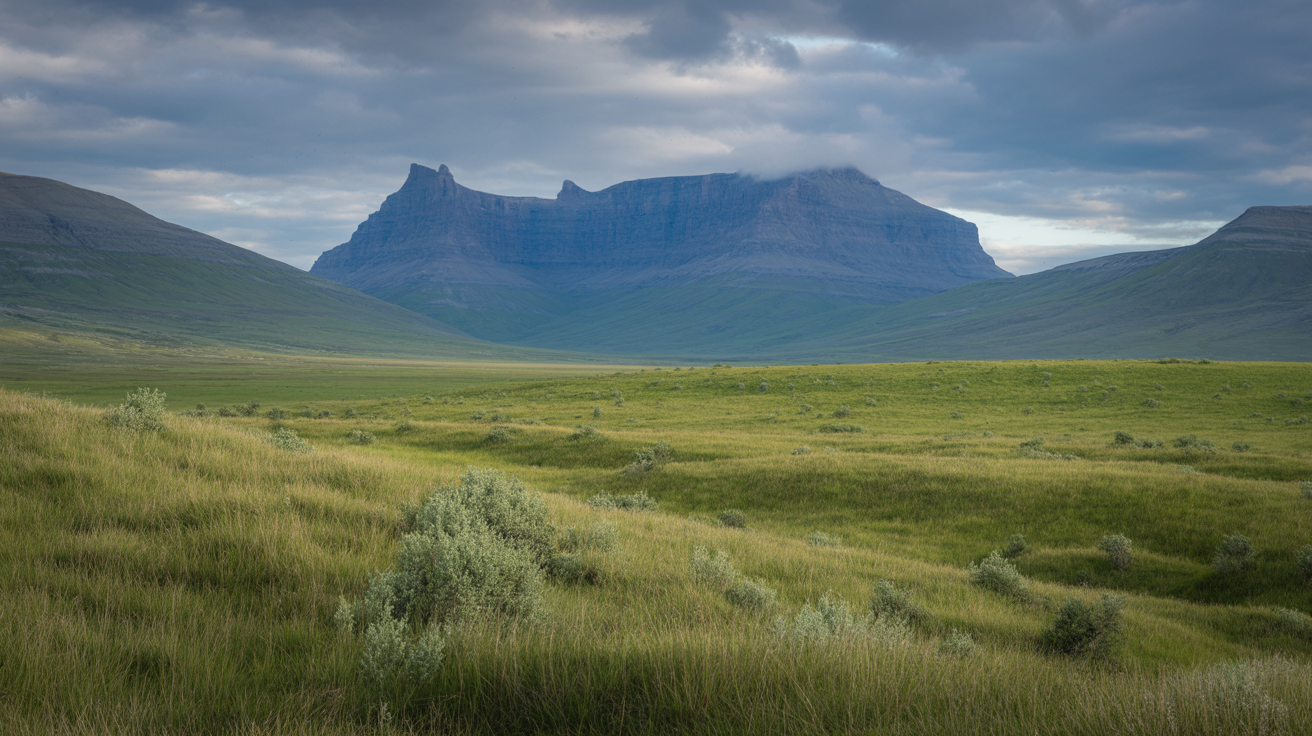
Habitat
Open forests, woodlands, and suburban areas

Conservation
The Laughing Kookaburra is currently classified as Least Concern on the IUCN Red List.
Threats & challenges
Currently assessed as Least Concern by the IUCN, the Laughing Kookaburra has a stable and widespread population. However, local challenges include habitat loss due to land clearing, competition for nesting sites with other cavity-nesting species, and secondary poisoning from rodenticides and pesticides. In some areas, introduced populations (e.g., in Tasmania and southwestern Australia) may impact native fauna through predation. Urbanization has generally benefited the species, but increased vehicle collisions and entanglement in human refuse pose localized risks. Climate change may alter prey availability and nesting habitat in the future, but the species' adaptability is likely to buffer against major declines.
Taxonomy
Scientific name
Dacelo novaeguineae
- Kingdom
- Animalia
- Phylum
- Chordata
- Class
- Aves
- Order
- Coraciiformes
- Family
- Alcedinidae
- Genus
- Dacelo
- Species
- novaeguineae
Where to see a laughing kookaburra
24 zoos and aquariums in 6 countries are recorded as keeping this species.
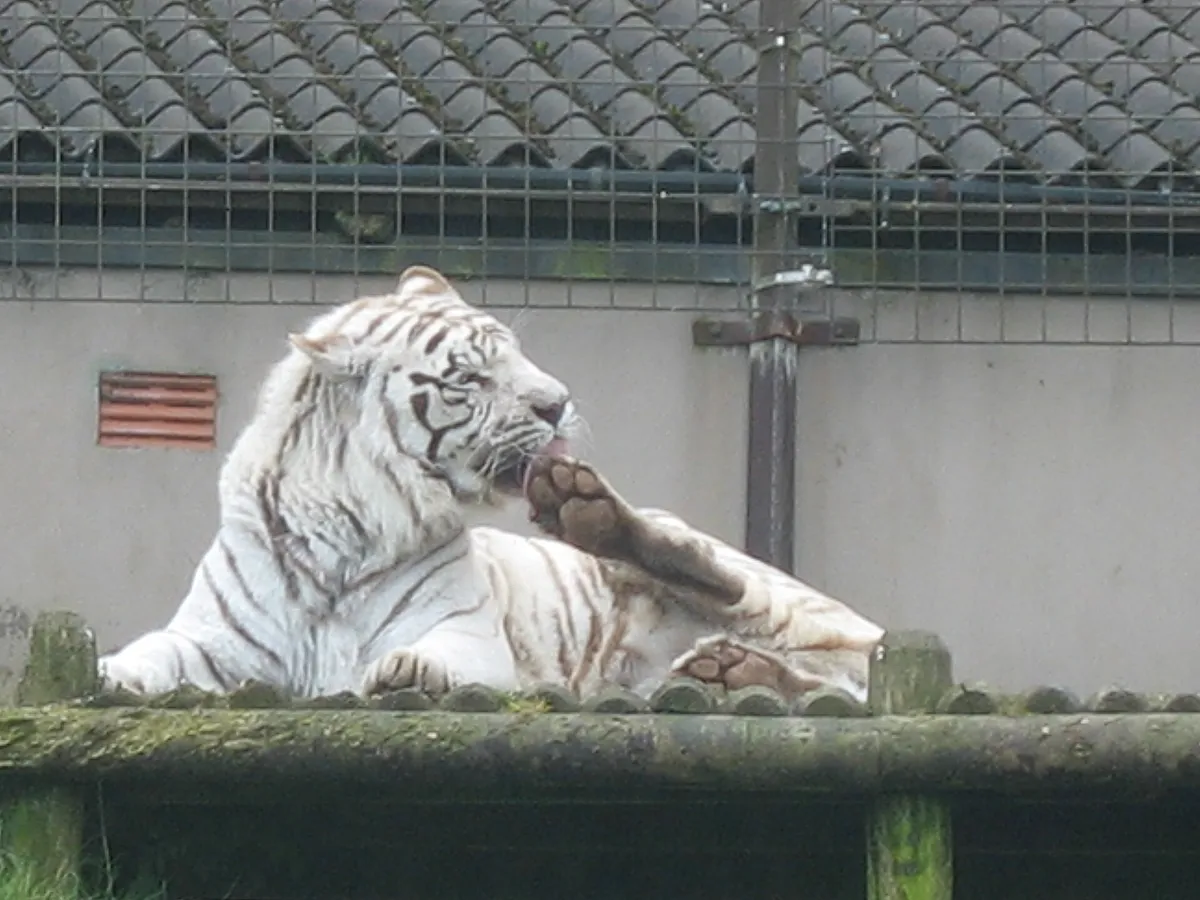 Belfast Zoo🇬🇧 Belfast, United Kingdom
 Dudley Zoo & Castle🇬🇧 Dudley, United Kingdom
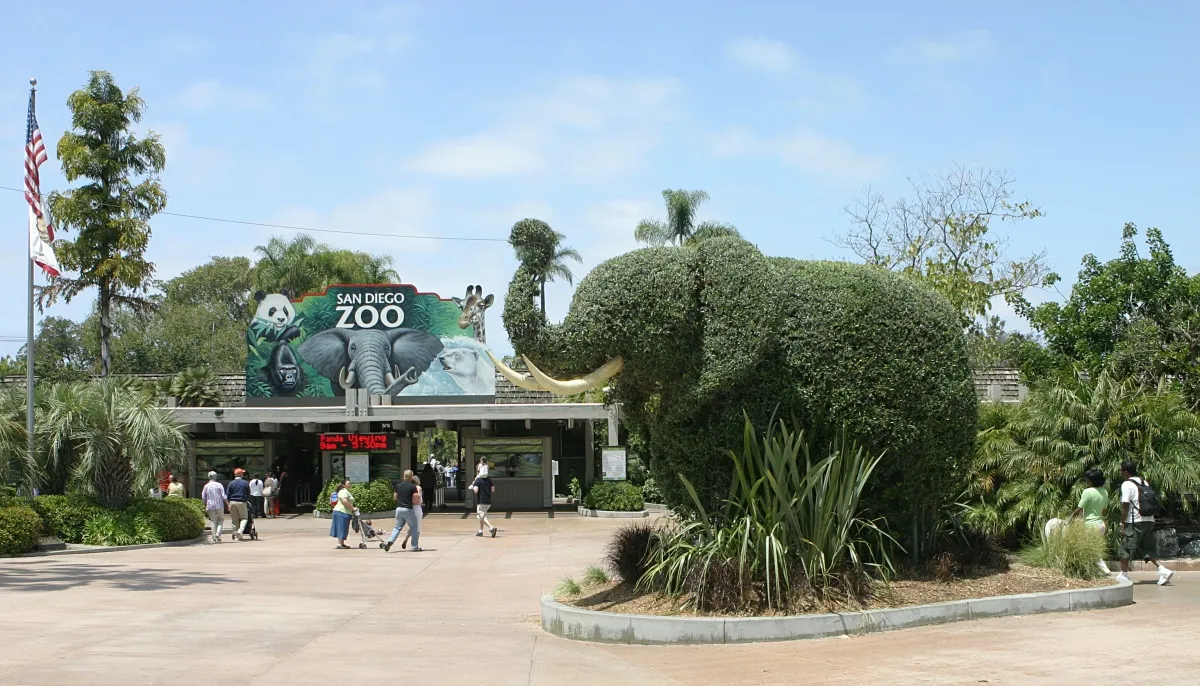 San Diego Zoo🇺🇸 San Diego, United States
 Santa Barbara Zoological Gardens🇺🇸 Santa Barbara, United States
 Alabama Gulf Coast Zoo🇺🇸 Gulf Shores, United States
Community notes
Share your observations about the Laughing Kookaburra.
No community notes yet. Be the first!
Discover more wildlife
More fascinating animals from the encyclopedia.