
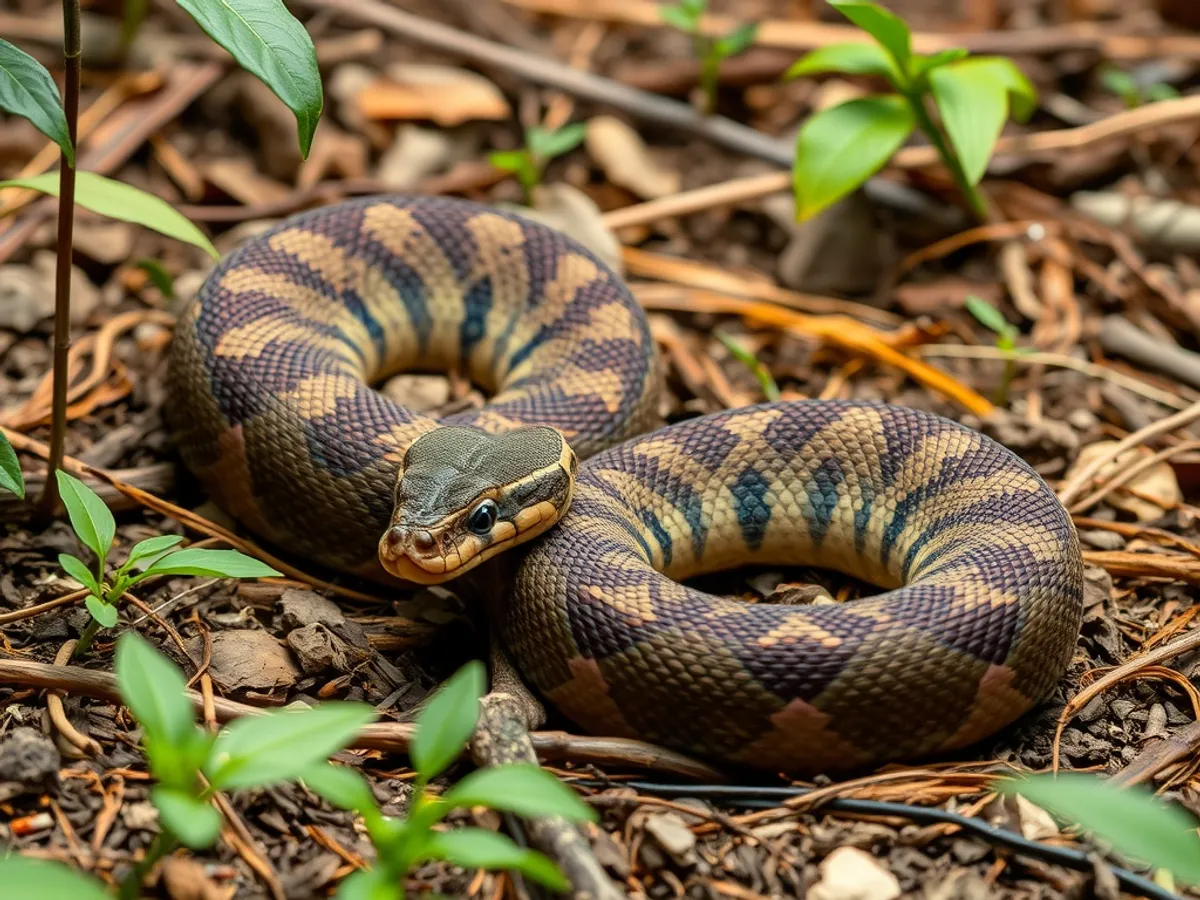
About the Madagascar Ground Boa
The Madagascar Ground Boa is a large, non-venomous snake endemic to Madagascar. Known for its robust body and distinctive patterns, this boa is primarily terrestrial but can occasionally be found in low vegetation or trees. It plays a critical role in controlling rodent populations within its habitat. Although not aggressive, it can display defensive behaviors if threatened. Its coloration provides excellent camouflage among leaf litter and undergrowth.
Fascinating facts
Constrictor Hunting
The Madagascar Ground Boa kills its prey by wrapping around it and squeezing until the prey suffocates.
Nocturnal Behavior
This species is primarily nocturnal, becoming most active after sunset when it hunts for small mammals and birds.
Terrestrial Yet Climbing
Although mainly ground-dwelling, it can climb low vegetation and trees, especially when searching for prey or shelter.
Detailed description
The Madagascar Ground Boa (Acrantophis madagascariensis) is one of the largest terrestrial snakes native to Madagascar, with adults typically reaching lengths of 2 to 3 meters (6.5–10 feet), though exceptional individuals may exceed this. It possesses a robust, muscular body with a broad head, distinct from the neck, and small, smooth scales that contribute to its cryptic coloration—usually a mosaic of browns, tans, and grays with irregular blotches that provide effective camouflage among leaf litter and forest debris. The ventral surface is lighter, often cream or pale yellow. This species is primarily terrestrial but is capable of limited climbing, especially when young. Its eyes are positioned laterally, providing a wide field of vision, and it has heat-sensitive pits along the upper lip, aiding in the detection of warm-blooded prey. The Madagascar Ground Boa is generally solitary, exhibiting crepuscular and nocturnal activity patterns. It is a non-venomous constrictor, subduing prey by coiling around and suffocating it. Despite its size, it is relatively slow-moving and relies on stealth and ambush to capture prey. During the dry season, individuals may reduce activity and seek shelter in burrows or under dense vegetation to avoid desiccation. Sexual dimorphism is present, with females typically larger and heavier-bodied than males, which is advantageous for egg production. This boa plays a vital ecological role as a top predator, regulating populations of small mammals, birds, and occasionally reptiles within its range.
Did you know?
Despite its intimidating size, the Madagascar Ground Boa is completely non-venomous and poses little danger to humans.
Research & sources
Wikipedia summary
Acrantophis madagascariensis is a species of boid snake in the subfamily Sanziniinae that is endemic to the island of Madagascar. Its common names include the Madagascar ground boa and Malagasy ground boa.
Behaviour & social structure
Acrantophis madagascariensis is a predominantly nocturnal and crepuscular species, becoming most active at dusk and during the night. It is an ambush predator, often lying motionless for extended periods while waiting for prey to approach. When hunting, it relies on its cryptic coloration and minimal movement to avoid detection. Prey consists mainly of small mammals such as rodents, tenrecs, and occasionally birds and their eggs. The snake uses its heat-sensing pits to locate endothermic prey in low-light conditions. Feeding frequency is low, with adults sometimes going weeks or months between meals, depending on prey availability. Social interactions are limited, as individuals are solitary outside the breeding season, and encounters between adults can result in defensive displays such as hissing, body inflation, and striking. Juveniles are more arboreal and may climb low vegetation, while adults are almost exclusively terrestrial. The species is known to bask in filtered sunlight during cooler mornings but avoids open exposure to reduce predation risk.
Reproduction & life cycle
The Madagascar Ground Boa is oviparous, with breeding typically occurring during the rainy season (November to April), when environmental conditions are optimal for egg development. Courtship involves males actively searching for receptive females, sometimes engaging in combat with rival males. Mating may last several hours, after which females lay clutches of 6 to 20 large, leathery eggs in concealed locations such as burrows, under logs, or within dense vegetation. Incubation lasts approximately 70 to 90 days, depending on ambient temperature and humidity. Females may exhibit some degree of nest attendance, coiling around the eggs to provide protection and thermoregulation, though this behavior is less pronounced than in some other boid species. Hatchlings emerge fully independent, measuring 40–60 cm (16–24 inches) in length, and display similar coloration to adults. Sexual maturity is reached at 3–5 years, with females maturing later due to their larger adult size.
Adaptations & survival
Acrantophis madagascariensis exhibits several adaptations for survival in Madagascar’s dry forests and scrublands. Its cryptic coloration and patterning provide effective camouflage against predators and prey alike. The heat-sensitive labial pits enable precise detection of warm-blooded prey in darkness or dense cover. Its muscular body and powerful constriction technique allow it to subdue relatively large prey items. The species has a low metabolic rate, allowing it to endure periods of food scarcity. Behavioral adaptations include seasonal activity shifts, with reduced movement during the dry season to conserve water and energy. Juveniles’ semi-arboreal tendencies may reduce predation risk and increase access to different prey types. The ability to utilize a variety of microhabitats, from leaf litter to burrows, enhances its ecological flexibility.
Cultural significance
In Malagasy culture, snakes are often viewed with a mixture of fear and respect. The Madagascar Ground Boa, due to its size and appearance, is sometimes associated with local taboos (fady), which can offer it some protection in certain regions. However, there are also areas where boas are persecuted or killed on sight. There are few documented uses of this species in traditional medicine or as food, and it does not feature prominently in Malagasy folklore compared to other native animals. Its ecological role in controlling rodent populations is indirectly beneficial to local agriculture.
Recent research
Recent research on Acrantophis madagascariensis has focused on its ecological role in Madagascar’s fragmented forests, genetic diversity across isolated populations, and the impact of habitat loss on its distribution. Studies using radio telemetry have provided insights into home range size, movement patterns, and habitat preferences. Genetic analyses suggest moderate population structure, indicating some barriers to gene flow, likely due to habitat fragmentation. Conservation genetics is an area of ongoing research, aiming to inform management strategies. There is also interest in the species’ role as a bioindicator for ecosystem health, given its position as a top predator. Ongoing monitoring by Malagasy and international herpetologists is essential to detect population trends and emerging threats.
Sources
Videos
Habitat
Dry forests and scrublands
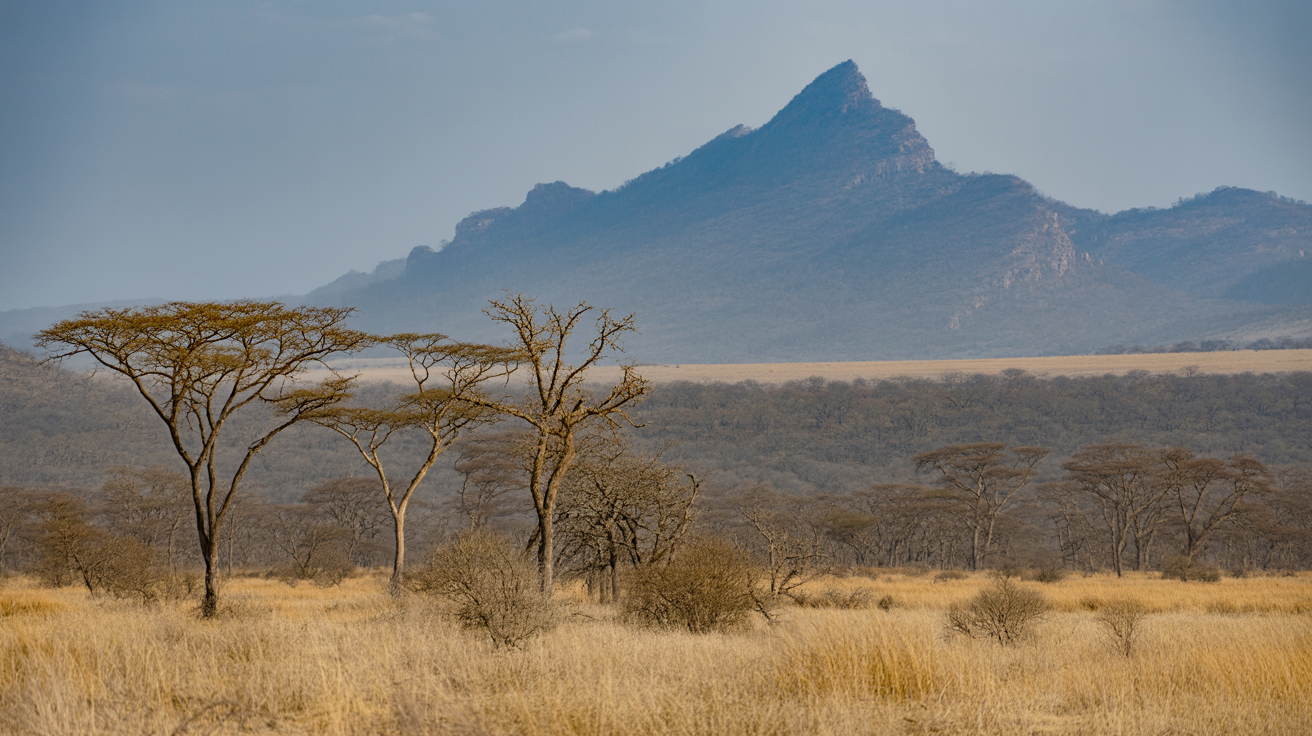 Africa
Savanna
Grasslands with scattered trees, characterized by seasonal rainfall and home to diverse grazing animals and predators.
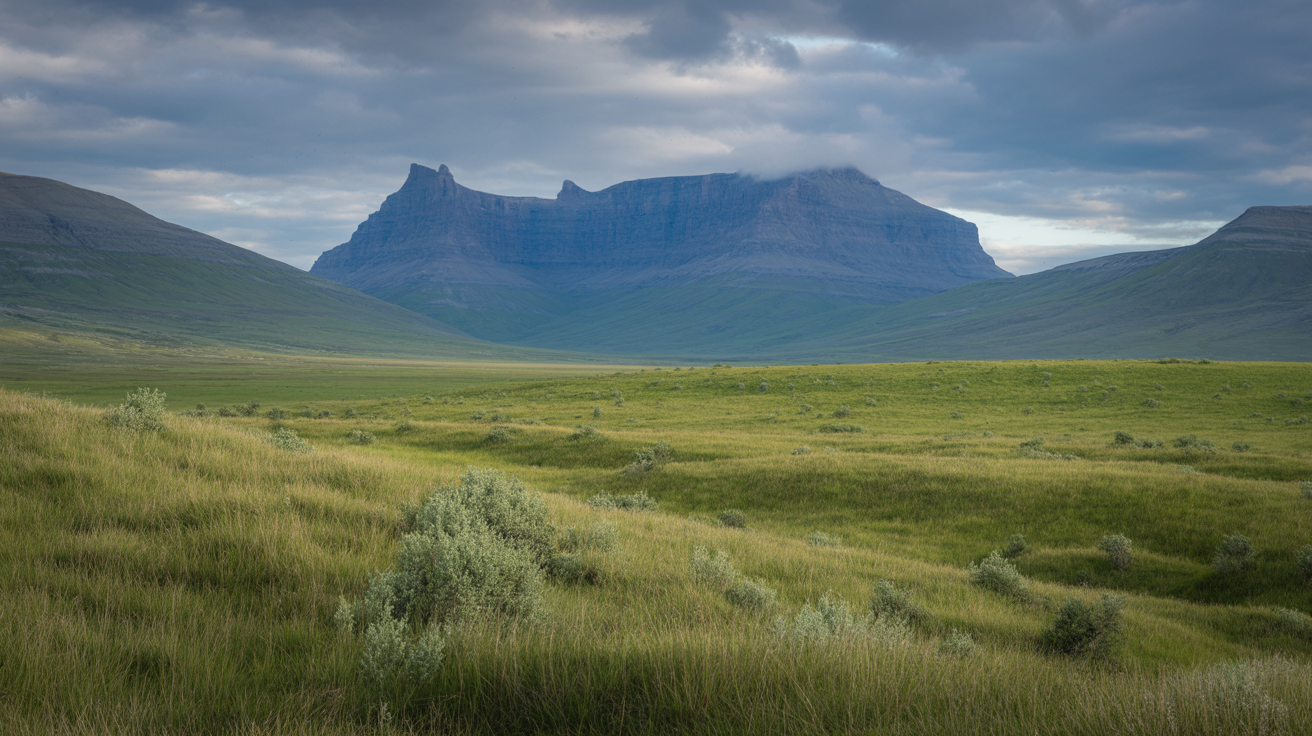 Various Continental Regions
Grassland
Open areas dominated by grasses rather than trees, supporting numerous herbivores and their predators.
 Global
Forest
Wooded areas with significant tree cover and diverse plant and animal communities.
Conservation
The Madagascar Ground Boa is currently classified as Least Concern on the IUCN Red List.
Threats & challenges
While currently listed as Least Concern by the IUCN, the Madagascar Ground Boa faces several localized threats. Habitat loss due to slash-and-burn agriculture (tavy), deforestation for charcoal production, and expanding human settlements are reducing suitable habitat. The species is sometimes killed by local people due to fear or in retaliation for perceived threats to poultry. Illegal collection for the international pet trade, though regulated under CITES Appendix I, poses an additional risk, especially to isolated populations. Road mortality and predation by introduced species (such as feral cats and dogs) also impact survival. Despite these challenges, the species remains relatively widespread and adaptable, but continued habitat degradation could lead to future declines.
Taxonomy
Scientific name
Acrantophis madagascariensis
- Kingdom
- Animalia
- Phylum
- Chordata
- Class
- Reptilia
- Order
- Squamata
- Family
- Boidae
- Genus
- Acrantophis
- Species
- madagascariensis
Where to see a madagascar ground boa
2 zoos and aquariums in 2 countries are recorded as keeping this species.


Community notes
Share your observations about the Madagascar Ground Boa.
No community notes yet. Be the first!
Discover more wildlife
More fascinating animals from the encyclopedia.