
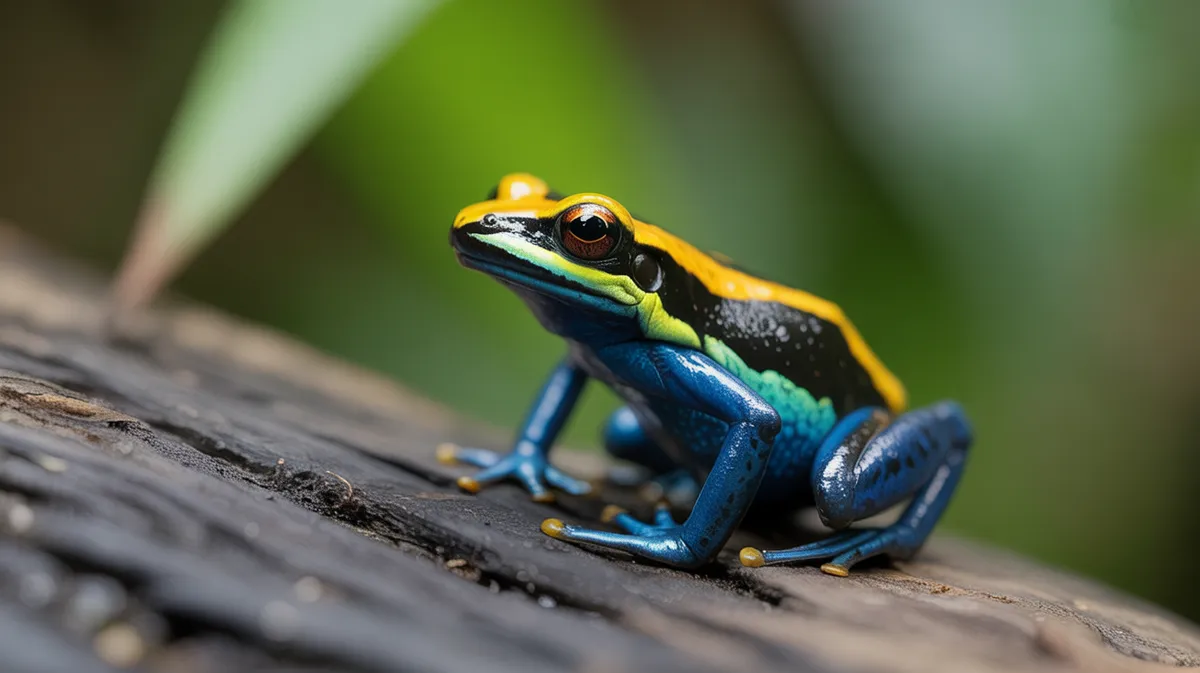
About the Mantella Frog
The Mantella frog is a small, vividly colored amphibian native exclusively to Madagascar. These frogs are known for their bright, aposematic coloration, which warns predators of their toxicity—a trait similar to that of South American poison dart frogs. Mantella frogs inhabit moist rainforests and marshy areas, where they spend much of their time on the forest floor among leaf litter. Despite their tiny size, they play a crucial role in their ecosystem as both predator and prey.
Fascinating facts
Forest Floor Dwellers
Mantella frogs spend most of their lives in the leaf litter of Madagascar’s rainforests, rarely climbing trees.
Toxic Skin
Their skin secretes potent alkaloid toxins, which they derive from eating specific ants and other invertebrates.
Aposematic Coloration
Their bright colors serve as a warning to potential predators about their toxicity.
Detailed description
Mantella frogs (genus Mantella) are a group of small, terrestrial amphibians endemic to Madagascar, comprising 16 recognized species. Adults typically range from 18 to 32 mm in length, with females generally larger than males. Their skin exhibits striking aposematic coloration, including vivid greens, oranges, yellows, blues, and blacks, which serve as a warning to potential predators about their skin toxins—alkaloid compounds sequestered from their diet. Mantellas have smooth, moist skin, slender limbs, and lack webbing between their toes, reflecting their adaptation to a terrestrial lifestyle. Unlike many frogs, Mantellas are diurnal, being most active during daylight hours. Their large, forward-facing eyes provide excellent vision for detecting prey and predators on the forest floor. The frogs communicate through a variety of vocalizations, especially during the breeding season, with males producing species-specific calls to attract females and establish territories. Mantellas inhabit a range of moist environments, from lowland rainforests and swampy marshes to montane forests, often near slow-moving streams or temporary pools. Their ecological role is significant, as they help regulate populations of small invertebrates and serve as prey for larger animals, despite their toxicity.
Did you know?
Although Mantella frogs resemble poison dart frogs of South America, they are not closely related; their similarities are a striking example of convergent evolution.
Research & sources
Behaviour & social structure
Mantella frogs are primarily diurnal, foraging actively during the day among leaf litter and low vegetation. Their diet consists mainly of small invertebrates such as ants, termites, mites, and small beetles, which also contribute to their skin toxicity. They use a sit-and-wait hunting strategy, relying on quick bursts of movement to capture prey with their sticky tongues. Social interactions are most pronounced during the breeding season, when males establish and defend small territories near water sources, using vocalizations and physical displays to ward off rivals. Outside the breeding season, Mantellas are generally solitary, though they may be found in loose aggregations in suitable microhabitats. They exhibit site fidelity, often returning to the same breeding or foraging spots. When threatened, Mantellas may adopt a defensive posture, arching their backs and displaying their bright ventral coloration to deter predators.
Reproduction & life cycle
Mantella frogs breed during the rainy season, which varies by region but typically occurs from November to March. Males call from concealed positions near water bodies to attract females. Courtship involves tactile interactions, with the male leading the female to a suitable oviposition site, often under leaf litter or moss near water. Females lay clutches of 20–60 eggs, which are fertilized externally. Unlike many amphibians, Mantellas exhibit some degree of parental care: males of certain species may guard the eggs to protect them from desiccation and predation. After 10–15 days, the eggs hatch into tadpoles, which are washed into nearby water bodies by rainfall. The larval stage lasts 6–8 weeks, during which tadpoles feed on detritus and algae before undergoing metamorphosis into juvenile frogs. Sexual maturity is typically reached within one year.
Adaptations & survival
Mantella frogs have evolved several adaptations for survival in their unique habitats. Their bright coloration is a classic example of aposematism, warning predators of their chemical defenses. The toxins in their skin, primarily alkaloids, are derived from their invertebrate prey and can deter or incapacitate potential predators. Their lack of toe webbing and robust limbs facilitate agile movement through dense leaf litter rather than swimming. Diurnality reduces competition with nocturnal amphibians and aligns with the activity patterns of their prey. Some species exhibit microhabitat specialization, such as preference for bamboo forests or montane streams, which reduces interspecific competition. Their reproductive strategy, including terrestrial egg-laying and occasional parental care, helps mitigate risks from aquatic predators and fluctuating water levels.
Cultural significance
Mantella frogs hold limited direct significance in Malagasy folklore or traditional medicine, unlike some other amphibians. However, their vivid appearance and rarity have made them highly sought after in the global pet trade, sometimes leading to illegal collection. In recent years, Mantellas have become flagship species for conservation campaigns in Madagascar, symbolizing the island's unique biodiversity and the urgent need for habitat preservation. Their striking coloration and ecological importance have also made them popular subjects in ecotourism and environmental education initiatives.
Recent research
Recent research on Mantella frogs has focused on their chemical ecology, particularly the diversity and origin of skin alkaloids, which are now known to be sequestered from specific arthropod prey. Molecular phylogenetic studies have clarified relationships among Mantella species and revealed instances of cryptic speciation. Conservation genetics has been used to assess population structure and inform management strategies. Ongoing studies are investigating the effects of habitat fragmentation on gene flow and reproductive success. There is also active research into the susceptibility of Mantella frogs to chytrid fungus and other emerging pathogens. Captive breeding and reintroduction projects are being developed to bolster wild populations of the most threatened species.
Sources
A review of the genus Mantella (Anura: Mantellidae): taxonomy, distribution and conservation
Frank Glaw, Miguel Vences (2006)
scientificMantella aurantiaca: The IUCN Red List of Threatened Species 2021
IUCN SSC Amphibian Specialist Group
conservationThe Mantella Frogs of Madagascar: A Review of Taxonomy, Ecology, and Conservation
Frank Glaw & Miguel Vences (2007)
scientificMantella aurantiaca: The IUCN Red List of Threatened Species 2021
IUCN SSC Amphibian Specialist Group
conservationA molecular phylogeny of Malagasy poison frogs (Mantella) reveals cryptic diversity and patterns of speciation
Vences, M., Glaw, F., et al. (2011)
scientificVideos
Habitat
Rainforest
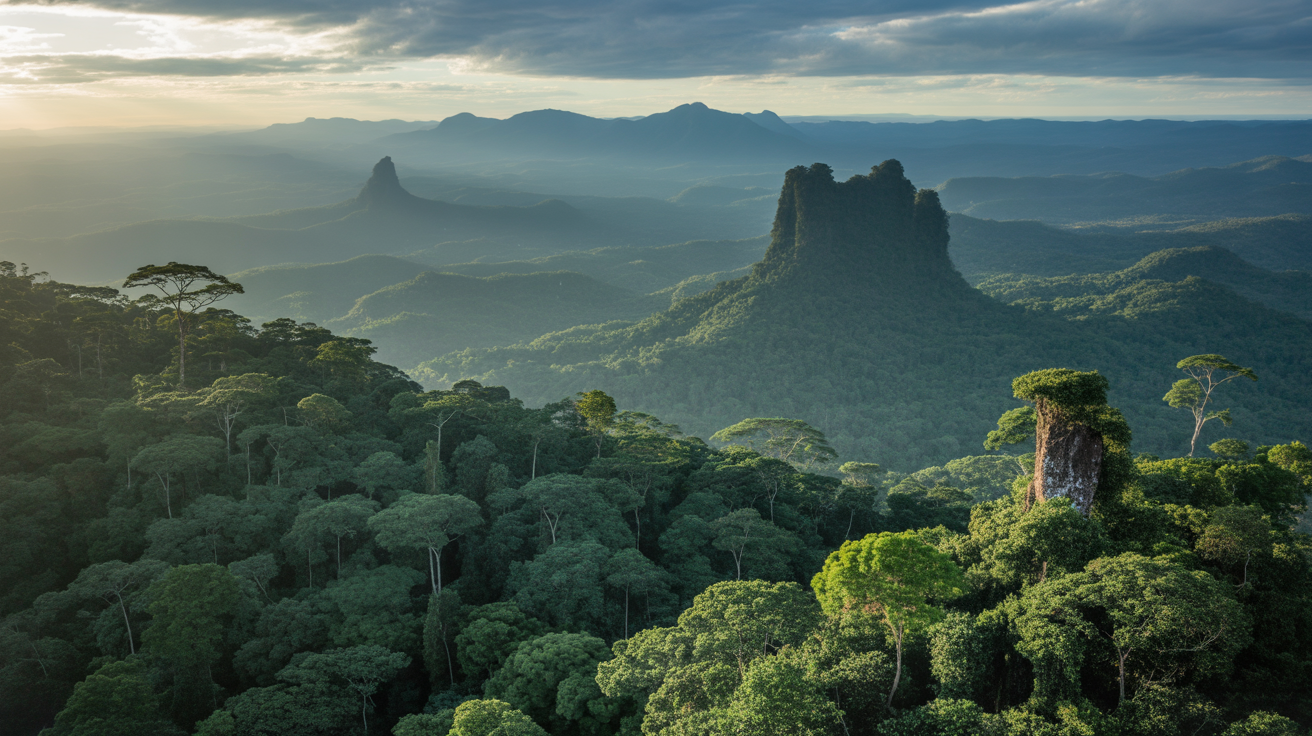 Tropical Regions
Rainforest
Dense, wet forests with the highest biodiversity on Earth, containing more than half of the world's plant and animal species.
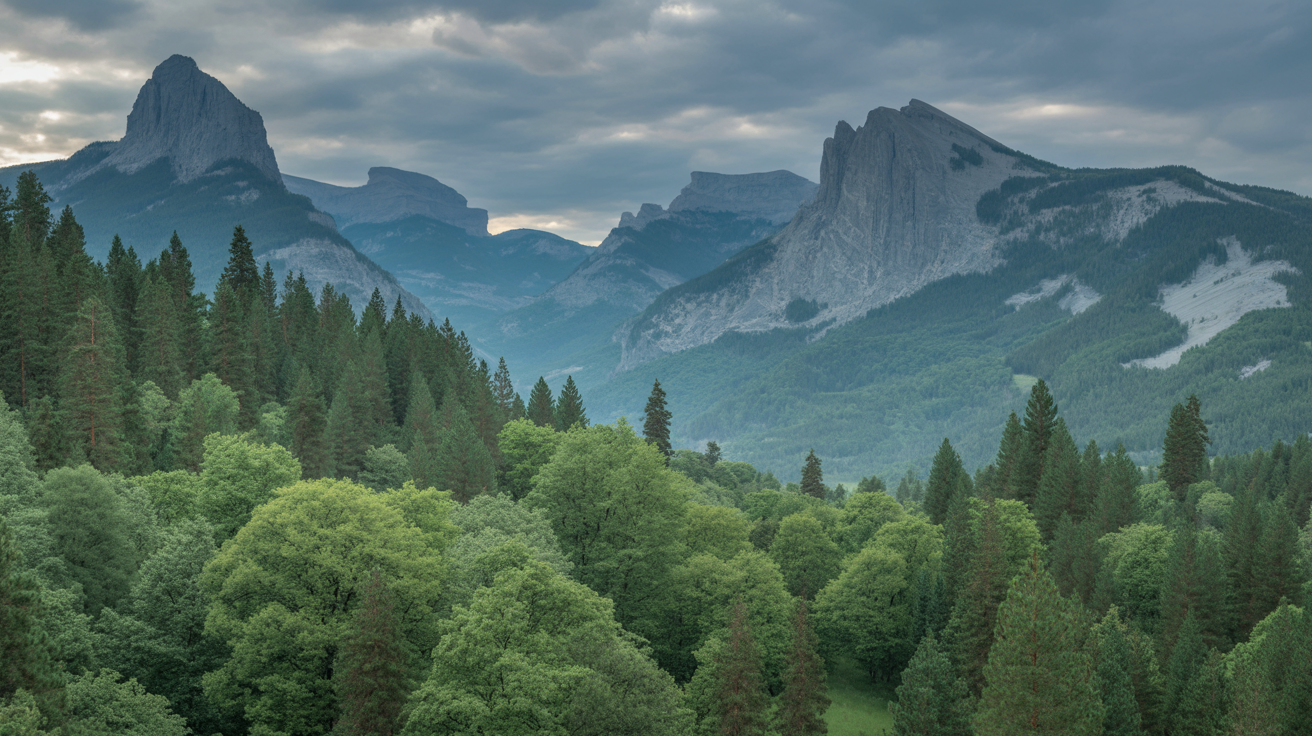 Global
Forest
Wooded areas with significant tree cover and diverse plant and animal communities.
 Global
Freshwater
Lakes, rivers, and wetlands with diverse aquatic ecosystems.
Conservation
The Mantella Frog is currently classified as Vulnerable on the IUCN Red List.
Threats & challenges
Mantella frogs face a range of threats, primarily driven by habitat loss due to deforestation, agricultural expansion, and logging in Madagascar. Many species have highly restricted ranges, making them especially vulnerable to habitat fragmentation. Over-collection for the international pet trade has also contributed to population declines, despite regulations under CITES. Pollution, climate change, and the introduction of invasive species further exacerbate their vulnerability. Disease, particularly chytridiomycosis caused by the chytrid fungus (Batrachochytrium dendrobatidis), poses an emerging threat, though its impact on Mantella populations is still under investigation. Population trends vary by species, with several classified as Vulnerable or Endangered by the IUCN Red List. Conservation efforts focus on habitat protection, sustainable trade practices, and captive breeding programs.
Taxonomy
Scientific name
Mantella
- Kingdom
- Animalia
- Phylum
- Chordata
- Class
- Amphibia
- Order
- Anura
- Family
- Mantellidae
- Genus
- Mantella
- Species
- Mantella
Community notes
Share your observations about the Mantella Frog.
No community notes yet. Be the first!
Discover more wildlife
More fascinating animals from the encyclopedia.