
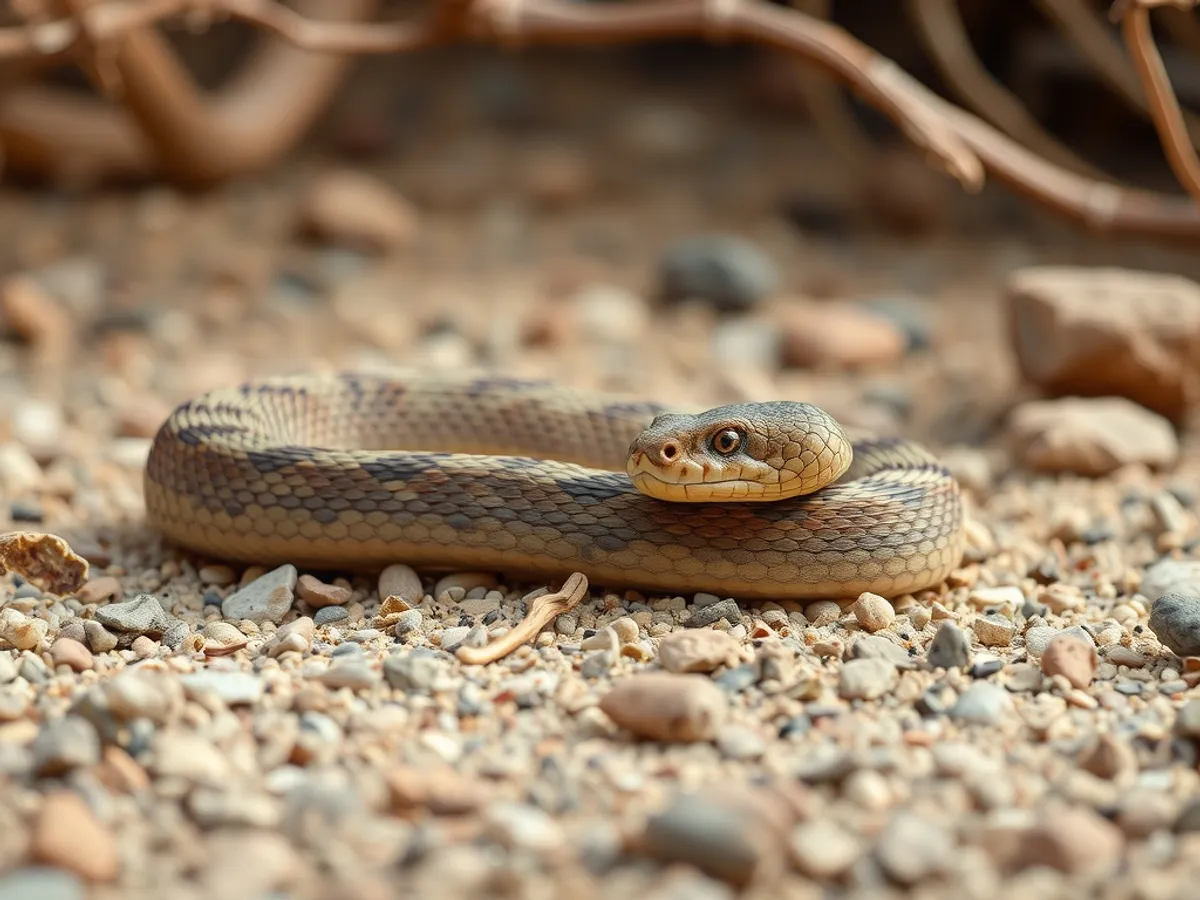
About the Mojave Rattlesnake
Crotalus scutulatus is the rattlesnake with a Jekyll-and-Hyde venom map. Across most of its range in the Mojave and Sonoran deserts and into Texas, it produces Mojave toxin, a presynaptic neurotoxin that blocks acetylcholine release and can cause respiratory paralysis hours after a bite, with relatively little local tissue damage — which is dangerous precisely because the bite may look mild at first. But a well-defined population in south-central Arizona, around Phoenix and Tucson, lacks Mojave toxin entirely and instead produces a classic haemorrhagic, tissue-destroying venom. Herpetologists call these venom A and venom B, and there is a narrow zone where snakes produce both. This is one of the clearest cases of intraspecific venom variation known, and it complicates treatment and research. The species is often confused with the western diamondback, but the Mojave has broader white tail bands than black, greener overall coloration, and enlarged scales between the eyes. It is not, contrary to a persistent desert legend, unusually aggressive; like other rattlesnakes it prefers to rattle and retreat, and defensive bites overwhelmingly follow attempts to handle or kill it. CroFab antivenom is effective against both venom types.
Fascinating facts
Highly Potent Venom
The Mojave Rattlesnake possesses a unique combination of neurotoxic and hemotoxic venom, making its bite especially dangerous.
Desert Specialist
This species thrives in arid desert environments and is particularly well-adapted to extreme heat and dryness.
Rattle Control
Mojave Rattlesnakes can choose when to rattle, sometimes staying completely silent to avoid alerting predators or prey.
Detailed description
The Mojave Rattlesnake (Crotalus scutulatus) is a medium-sized pit viper, typically measuring 60–107 cm (2–3.5 ft) in total length, though some individuals may reach up to 137 cm (4.5 ft). Its coloration varies from pale greenish or olive to brown or gray, often reflecting the substrate of its habitat, with a series of dark diamond or rhomboidal dorsal blotches bordered by lighter scales. The head is broad and triangular, with prominent heat-sensing loreal pits between the eyes and nostrils, specialized for detecting warm-blooded prey. The tail is marked by distinct black and white bands just before the rattle, which is composed of interlocking keratin segments added with each molt. The Mojave Rattlesnake possesses highly developed venom glands; its venom is notorious for containing a potent presynaptic neurotoxin (Mojave toxin) in addition to hemotoxins, though venom composition varies geographically. This species is primarily terrestrial and is most active from dusk to dawn, especially during the hot summer months. It exhibits cryptic behavior, often relying on camouflage and remaining motionless to avoid detection. The Mojave Rattlesnake is solitary outside of the breeding season, and individuals may occupy overlapping home ranges but rarely interact. It is an ambush predator, using its heat-sensing pits to locate prey, and delivers a rapid, accurate strike when hunting. During cooler months, it may enter brumation, utilizing rodent burrows or rock crevices for shelter.
Did you know?
The Mojave Rattlesnake's venom is considered one of the most potent of any North American snake, capable of causing severe neurological symptoms in humans.
Research & sources
Wikipedia summary
Crotalus scutulatus is known commonly as the Mohave Rattlesnake. Other common English names include Mojave Rattlesnake and, referring specifically to the nominate (northern) subspecies: Northern Mohave Rattlesnake and Mojave Green Rattlesnake, the latter name commonly shortened to the more colloquial “Mojave green”. Campbell and Lamar (2004) supported the English name “Mohave (Mojave) rattlesnake” with some reluctance because so little of the snake’s range lies within the Mojave Desert.
Behaviour & social structure
Mojave Rattlesnakes are primarily nocturnal during the peak of summer, shifting to crepuscular or diurnal activity in cooler periods. They are sit-and-wait predators, often lying concealed beneath vegetation or debris, relying on their cryptic coloration for camouflage. When prey such as small mammals (notably kangaroo rats, mice, and ground squirrels), birds, or lizards approach, the snake uses its heat-sensing pits to detect and accurately strike, injecting venom to immobilize the victim. Feeding occurs less frequently than in many other snakes, with adults consuming larger meals at longer intervals. Defensive behaviors include coiling, elevating the head, and producing a loud rattling sound as a warning. If threatened further, they may strike, though they generally prefer to avoid confrontation. Social interactions are minimal, except during the breeding season or when sharing communal winter dens (hibernacula). Home ranges are relatively small, and individuals exhibit strong site fidelity, often returning to the same den sites annually.
Reproduction & life cycle
Mojave Rattlesnakes are ovoviviparous, meaning females give birth to live young rather than laying eggs. Mating typically occurs in spring (March–May) and sometimes in late summer or early fall, with males engaging in ritualized combat to compete for females. After successful copulation, females undergo a gestation period of approximately 3–4 months. Parturition occurs in late summer (July–September), with litters ranging from 2 to 17 neonates, averaging 8–10. Newborns measure about 25–30 cm (10–12 in) and are fully equipped with venom and functional fangs. There is no parental care; neonates are independent from birth and disperse soon after shedding their first skin. Females typically reproduce every 2–3 years, depending on resource availability and body condition.
Adaptations & survival
Crotalus scutulatus exhibits several adaptations for desert survival. Its cryptic coloration provides camouflage against sandy and rocky substrates, reducing predation risk. The heat-sensing loreal pits allow precise detection of endothermic prey, even in complete darkness. The rattle serves as an effective aposematic signal, warning potential predators and large mammals of its presence. The Mojave toxin, a potent neurotoxin, is an evolutionary specialization that enables rapid immobilization of prey and provides a strong deterrent against predators. Behavioral thermoregulation, such as basking in the morning and seeking shade or burrows during peak heat, helps maintain optimal body temperature. Water conservation is achieved through highly efficient kidneys and minimal evaporative loss. Seasonal brumation allows survival during periods of extreme cold or drought.
Cultural significance
The Mojave Rattlesnake holds a prominent place in the folklore and culture of the southwestern United States and northern Mexico. It is often regarded with a mixture of fear and respect, symbolizing danger and survival in harsh desert environments. In some Indigenous traditions, rattlesnakes are seen as powerful spirit animals or omens. The rattle itself has been used in traditional music and ceremonial regalia. The species is also a subject of local myths and stories, often exaggerated due to its potent venom. Public education efforts increasingly emphasize the ecological value of rattlesnakes as controllers of rodent populations and as important components of desert ecosystems.
Recent research
Recent research on Crotalus scutulatus has focused on the geographic variation in venom composition, revealing significant differences between populations—some producing primarily neurotoxic venom, others hemotoxic, and some a combination. This variation is thought to be driven by local prey types and evolutionary pressures. Studies using radio telemetry have provided insights into movement patterns, habitat use, and home range sizes. Genetic analyses have clarified the species' relationship to other rattlesnakes and supported the recognition of distinct venom phenotypes. Conservation research has highlighted the importance of protecting communal den sites and understanding the impacts of land use change. Ongoing studies are examining the effects of climate change on activity patterns and reproductive timing.
Sources
Venom variation in Mojave Rattlesnakes (Crotalus scutulatus): Ecological and evolutionary implications
Glenn, J.L., Straight, R.C., et al. (1983)
scientificSnake Species of the World: A Taxonomic and Geographic Reference, vol. 1
McDiarmid, R.W., Campbell, J.A., Touré, T.A. (1999)
scientificVideos
Habitat
Desert
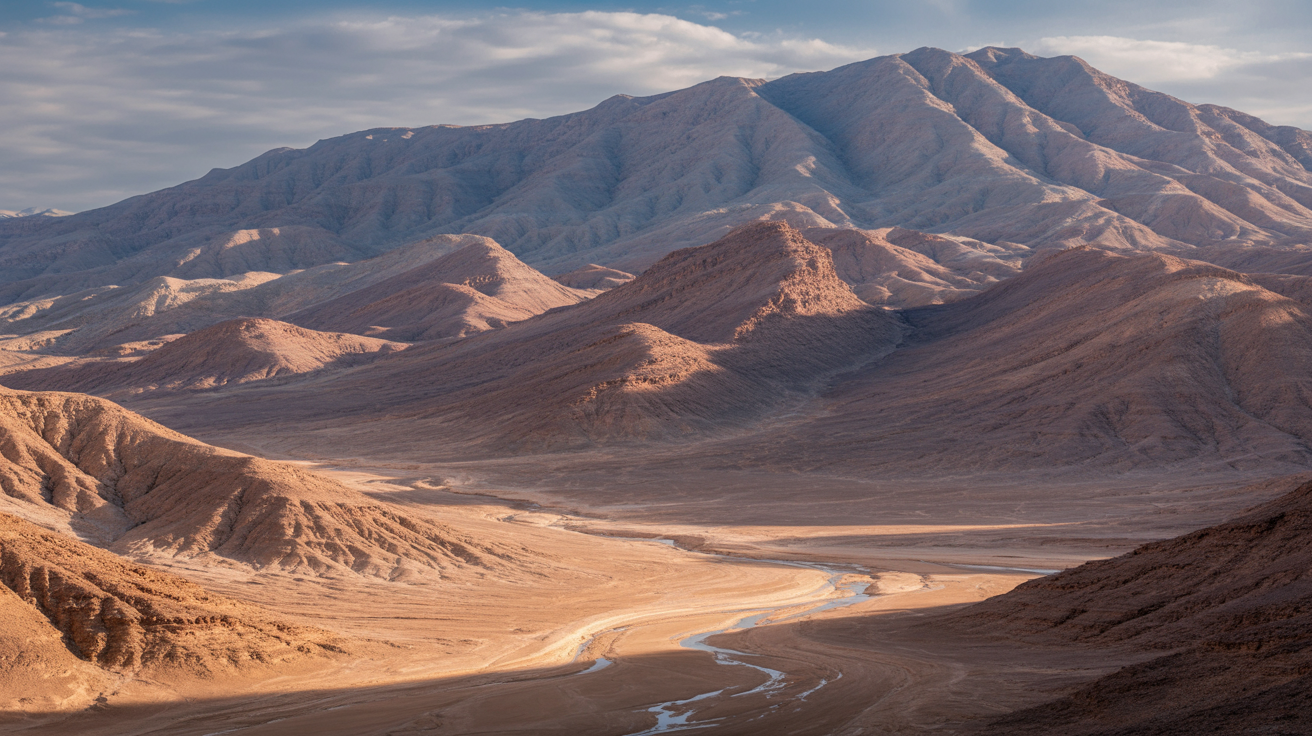 Arid Regions
Desert
Arid lands with minimal rainfall, extreme temperatures, and specialized wildlife adapted to harsh conditions.
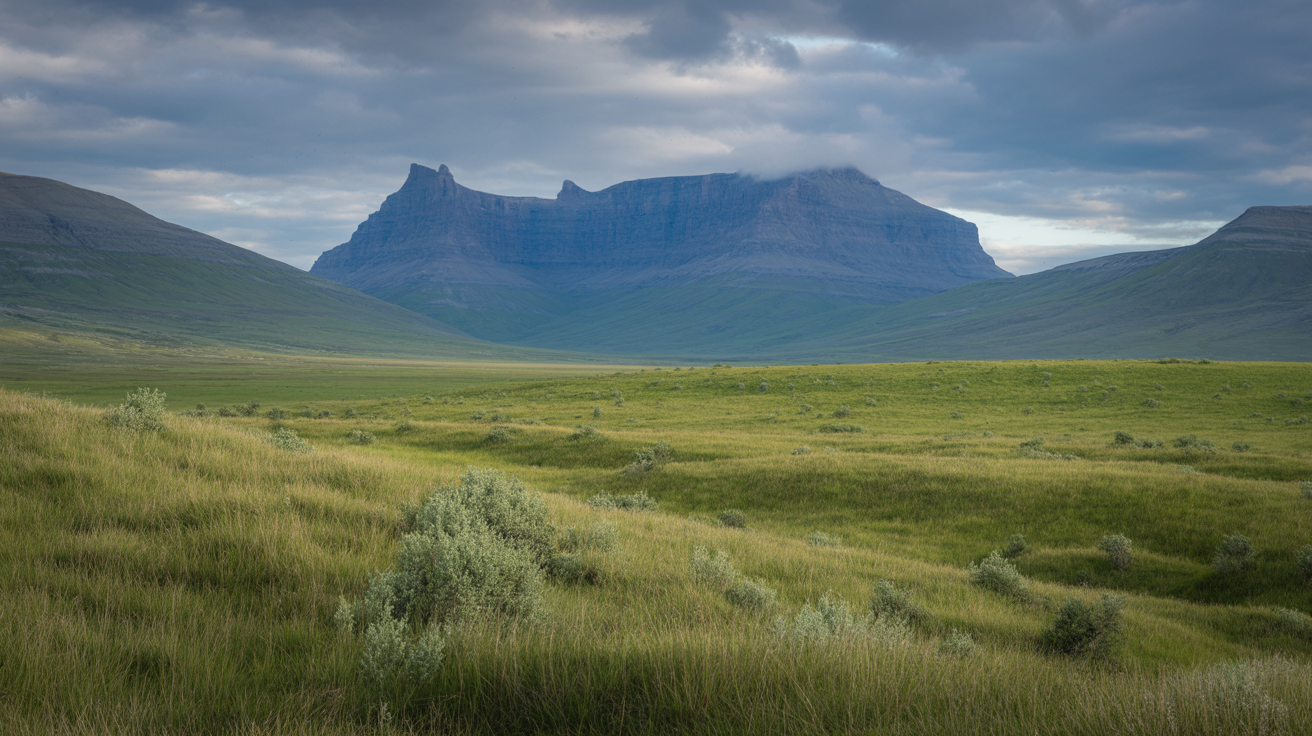 Various Continental Regions
Grassland
Open areas dominated by grasses rather than trees, supporting numerous herbivores and their predators.
 Elevated Terrain
Mountain
High-altitude environments with varying climates and specialized wildlife adapted to rugged terrain and thin air.
Conservation
The Mojave Rattlesnake is currently classified as Least Concern on the IUCN Red List.
Threats & challenges
While currently listed as Least Concern by the IUCN, Mojave Rattlesnake populations face localized threats. Habitat loss and fragmentation due to urbanization, agriculture, and road construction can reduce suitable habitat and increase mortality from vehicle strikes. Persecution by humans, often due to fear or misunderstanding, remains a significant threat, especially near populated areas. Illegal collection for the pet trade or rattlesnake roundups can impact local populations. Climate change may alter habitat suitability and prey availability, potentially affecting distribution and reproductive success. Despite these challenges, the species remains widespread and relatively adaptable, with stable populations across much of its range.
Taxonomy
Scientific name
Crotalus scutulatus
- Kingdom
- Animalia
- Phylum
- Chordata
- Class
- Reptilia
- Order
- Squamata
- Family
- Viperidae
- Genus
- Crotalus
- Species
- scutulatus
Community notes
Share your observations about the Mojave Rattlesnake.
No community notes yet. Be the first!
Discover more wildlife
More fascinating animals from the encyclopedia.