
About the Pacific Tree Frog
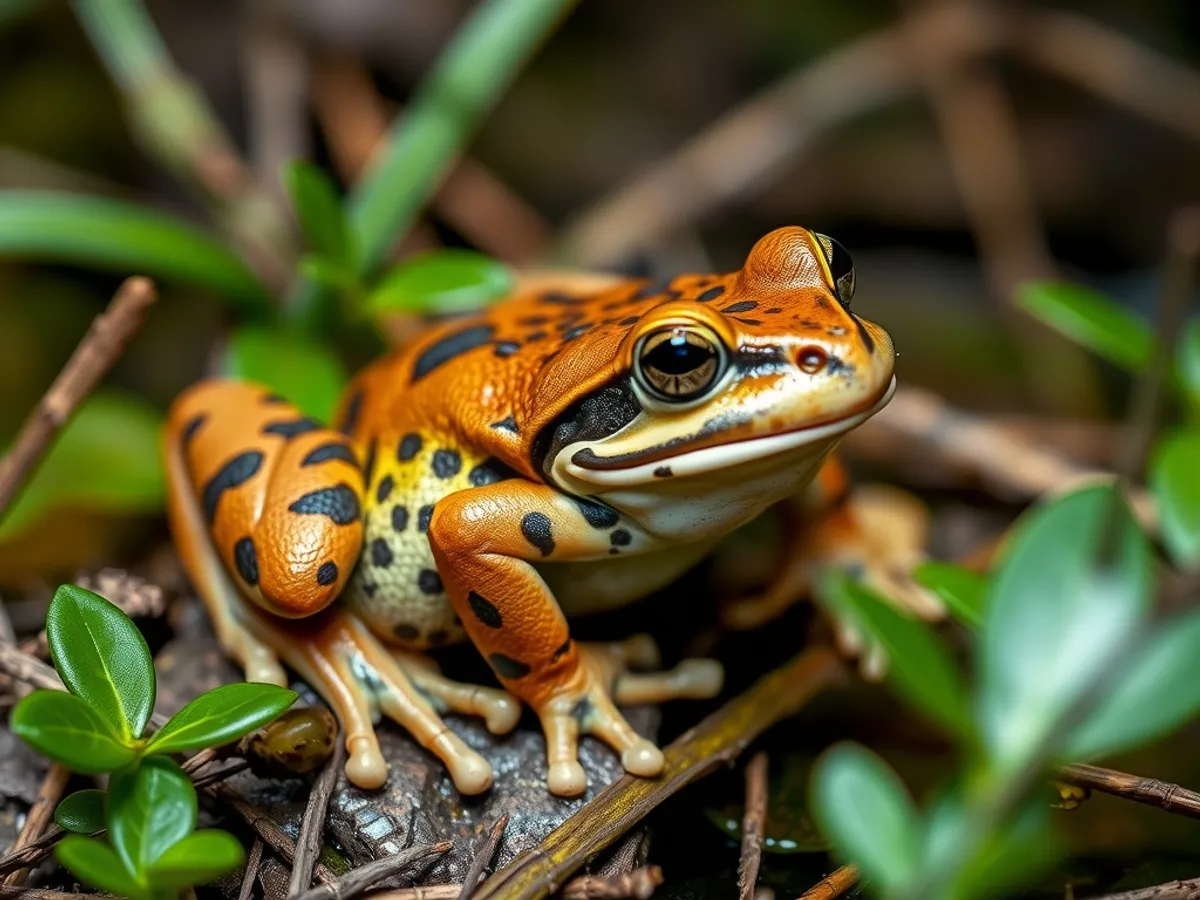
The Pacific Tree Frog is a small, agile amphibian native to the western regions of North America. Recognized for its distinctive eye stripe and variable coloration ranging from green to brown, this frog is a common sight in ponds, wetlands, and forests. It is known for its loud, distinctive 'ribbit' call, which is frequently heard during the breeding season. The Pacific Tree Frog is highly adaptable, able to thrive in a variety of habitats, and often seen climbing vegetation or hiding under debris.
Fascinating facts
Famous 'Ribbit' Call
The Pacific Tree Frog's call is the quintessential 'ribbit' sound commonly used in movies to represent frogs everywhere.
Color Changers
These frogs can alter their skin color between shades of green and brown, helping them blend into their surroundings.
Flexible Habitat
Pacific Tree Frogs thrive in a wide range of environments, from coastal forests to grasslands, and can even tolerate some urban settings.
Detailed description
The Pacific Tree Frog (Pseudacris regilla), now often referred to as the Pacific Chorus Frog, is a small amphibian typically measuring 2 to 5 cm (0.8–2 in) in length, with females generally larger than males. Its most distinguishing feature is a dark eye stripe that extends from the nostril, through the eye, and toward the shoulder. The dorsal coloration is highly variable, ranging from bright green to various shades of brown or gray, and individuals can actively change color over hours or weeks in response to environmental conditions. The skin is smooth with a slightly granular texture, and the ventral surface is usually pale or creamy white. Toes are equipped with rounded adhesive pads, enabling efficient climbing on vegetation and even vertical surfaces. The Pacific Tree Frog is renowned for its loud, two-part 'ribbit' call, which is a dominant sound in western North American wetlands during the breeding season. This species is primarily nocturnal but can be active during the day, especially in moist conditions. It exhibits a generalist approach to habitat, thriving in forests, grasslands, chaparral, and urban environments, often found near temporary or permanent water sources. Its adaptability and tolerance for disturbed habitats contribute to its widespread abundance across its range.
Did you know?
Despite their name, Pacific Tree Frogs are often found far from trees, frequently inhabiting low vegetation and even urban gardens.
Research & sources
Wikipedia summary
The Pacific tree frog, also known as the Pacific chorus frog, has a range spanning the Pacific Northwest, from Northern California, Oregon, and Washington to British Columbia in Canada and extreme southern Alaska. They live from sea level to more than 10,000 feet in many types of habitats, reproducing in aquatic settings. They occur in shades of greens or browns and can change colors over periods of hours and weeks.
Behaviour & social structure
Pacific Tree Frogs are primarily insectivorous, feeding on a wide array of small invertebrates such as flies, beetles, ants, spiders, and caterpillars. They employ a sit-and-wait hunting strategy, remaining motionless until prey comes within striking distance, then capturing it with a rapid extension of their sticky tongue. Social interactions are most prominent during the breeding season, when males congregate in large choruses and establish calling territories to attract females and deter rivals. Outside of breeding, they are generally solitary and secretive, seeking shelter under logs, rocks, or leaf litter during the day to avoid desiccation and predation. They are capable climbers, often found on low vegetation, but also spend significant time on the ground. Activity patterns are heavily influenced by temperature and humidity, with increased activity during wet or mild weather. During dry or cold periods, they may enter a state of torpor, burrowing into moist substrate to conserve water and energy.
Reproduction & life cycle
Breeding occurs from late winter to early spring (typically January to May, depending on latitude and elevation), triggered by rainfall and rising temperatures. Males arrive at breeding sites first and produce loud advertisement calls to attract females. Amplexus (the mating embrace) is axillary, with the male grasping the female behind her forelimbs. Females lay between 400 and 750 eggs per season, depositing them in small, gelatinous clusters attached to submerged vegetation or debris in shallow water. Embryonic development is rapid, with eggs hatching in 1–3 weeks depending on temperature. Tadpoles undergo metamorphosis in 2–2.5 months, emerging as miniature froglets in late spring or early summer. There is no parental care after egg deposition. Pacific Tree Frogs are capable of breeding in ephemeral pools, which helps reduce predation risk from aquatic predators.
Adaptations & survival
Key adaptations include their remarkable color-changing ability, which is mediated by specialized pigment cells (chromatophores) and allows them to blend with their surroundings for camouflage and thermoregulation. The presence of large toe pads enhances climbing ability, facilitating access to both terrestrial and arboreal microhabitats. Their skin secretes antimicrobial peptides, providing protection against pathogens such as the chytrid fungus (Batrachochytrium dendrobatidis). The species' broad ecological tolerance allows it to exploit a wide range of habitats, including disturbed and urban areas. Rapid larval development is an adaptation to breeding in temporary water bodies that may dry up before tadpoles can mature.
Cultural significance
The Pacific Tree Frog holds a prominent place in the soundscape of the Pacific Northwest, with its 'ribbit' call often used in movies and media to represent generic frog sounds, even in regions where the species does not occur. It features in local folklore and is sometimes regarded as a symbol of rain or good fortune. Indigenous peoples of the region have referenced frogs in stories and art, though specific traditional uses of Pseudacris regilla are limited. The species is also popular in educational programs and citizen science projects due to its abundance and ease of observation.
Recent research
Recent research has focused on the genetic diversity and systematics of the species, leading to taxonomic revisions that split the former Pseudacris regilla complex into multiple species (with the Pacific Tree Frog now often designated as Pseudacris hypochondriaca in California populations). Studies have investigated the species' resistance to chytridiomycosis, finding relatively high levels of antimicrobial peptides in the skin. Ongoing work examines the effects of urbanization and climate change on breeding phenology and population connectivity. Acoustic communication and the evolution of call variation among populations are also active areas of study, providing insights into sexual selection and speciation.
Videos
Habitat
Wetlands, forests, grasslands, and near freshwater bodies
 Various Continental Regions
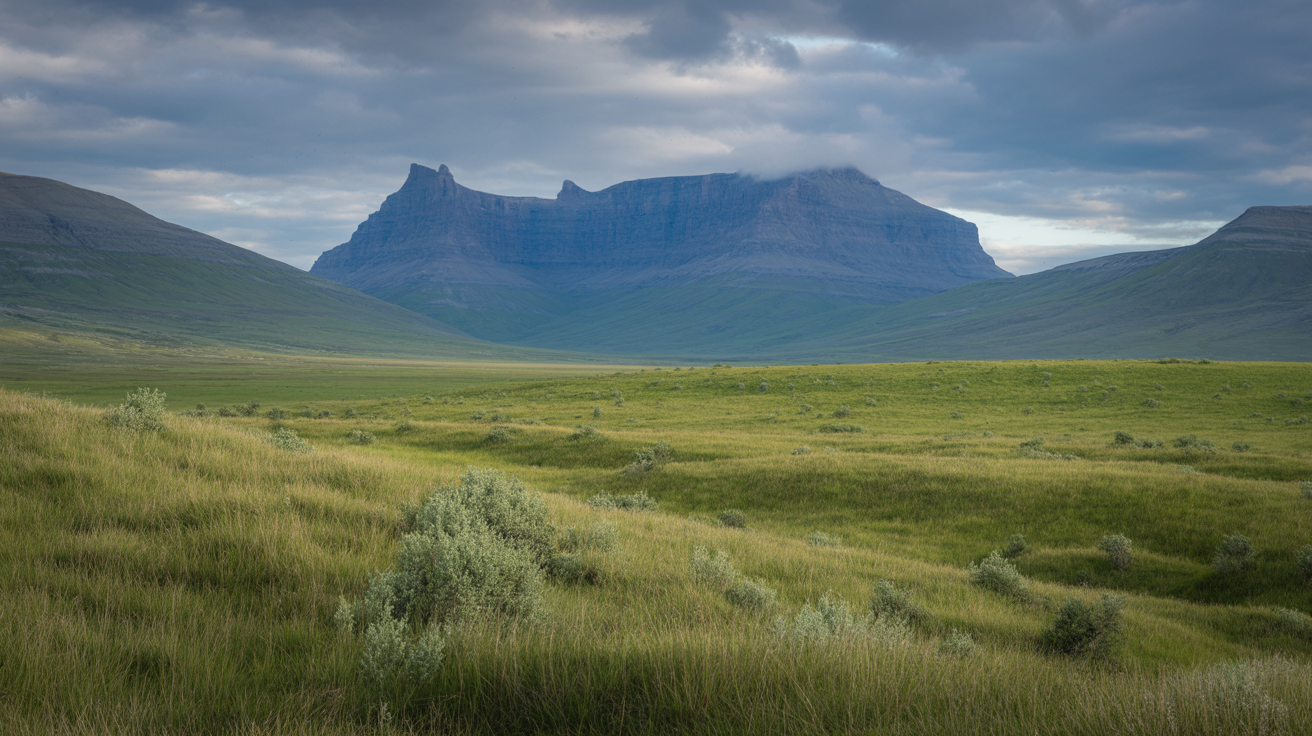
Grassland
Open areas dominated by grasses rather than trees, supporting numerous herbivores and their predators.
 Elevated Terrain
Mountain
High-altitude environments with varying climates and specialized wildlife adapted to rugged terrain and thin air.
 Global
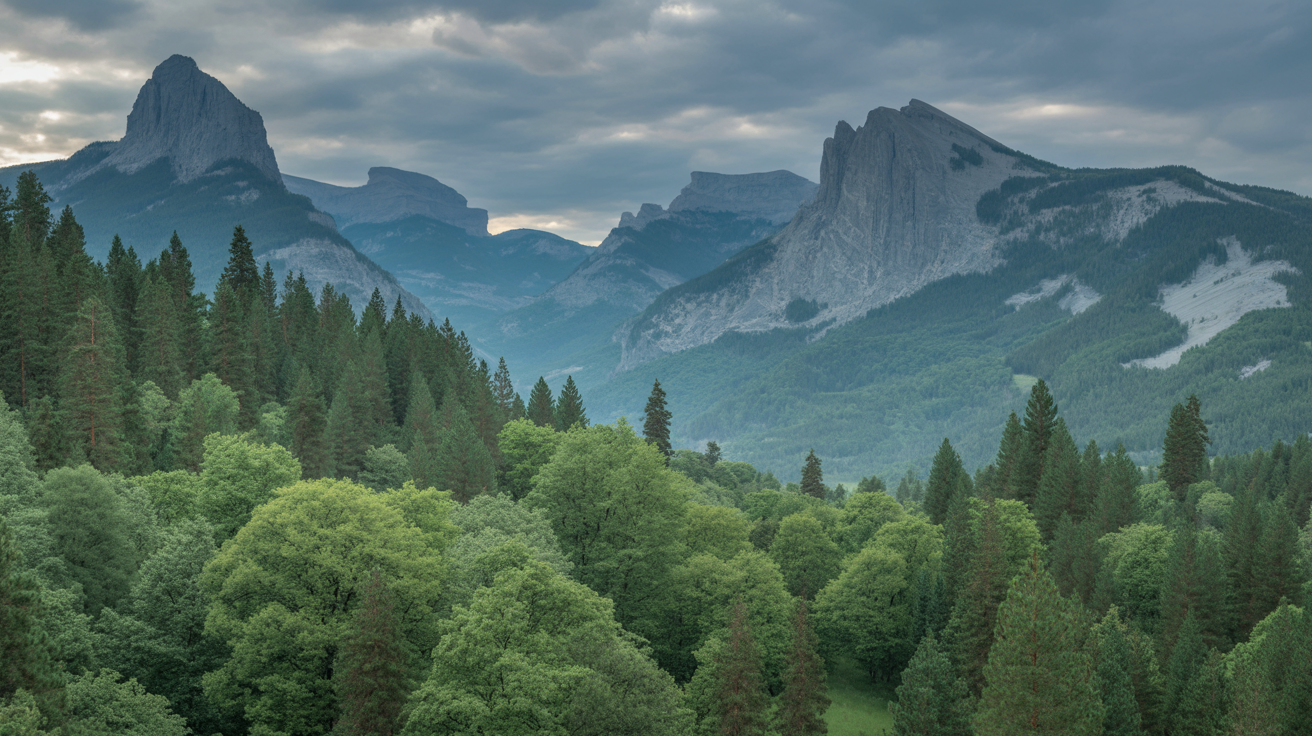
Forest
Wooded areas with significant tree cover and diverse plant and animal communities.
 Global
Freshwater
Lakes, rivers, and wetlands with diverse aquatic ecosystems.
Conservation
The Pacific Tree Frog is currently classified as Least Concern on the IUCN Red List.
Threats & challenges
Although currently listed as Least Concern, Pacific Tree Frogs face localized threats including habitat loss due to urbanization, wetland drainage, and agricultural expansion. Pollution, particularly from pesticides and fertilizers, can negatively impact larval development and adult health. The spread of the chytrid fungus poses a potential risk, though this species appears more resistant than many other amphibians. Climate change may alter breeding phenology and reduce the availability of suitable breeding sites. Road mortality during seasonal migrations and predation by introduced species (such as bullfrogs and fish) are additional concerns. Despite these challenges, populations remain robust and stable across most of their range.
Taxonomy
Scientific name
Pseudacris regilla
- Kingdom
- Animalia
- Phylum
- Chordata
- Class
- Amphibia
- Order
- Anura
- Family
- Hylidae
- Genus
- Pseudacris
- Species
- regilla
Where to see a pacific tree frog
2 zoos and aquariums in 1 country are recorded as keeping this species.
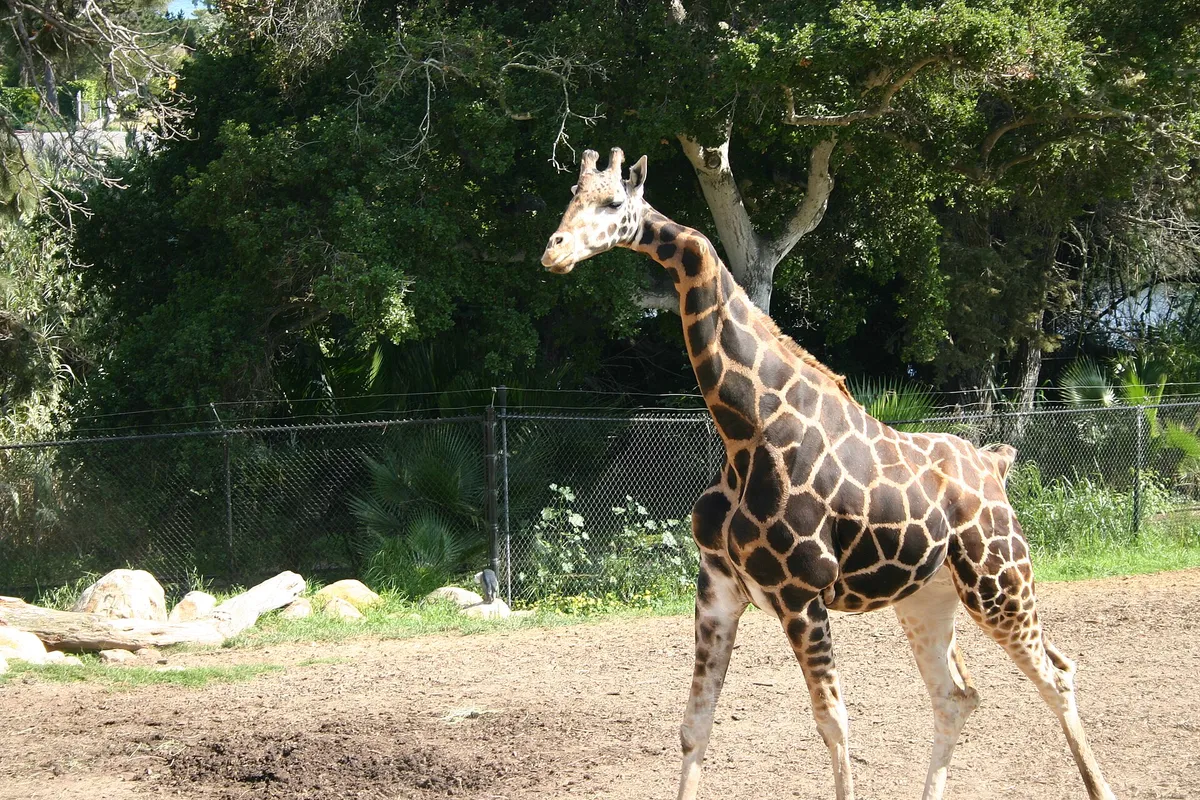 Santa Barbara Zoological Gardens🇺🇸 Santa Barbara, United States
 Honolulu Zoo🇺🇸 Honolulu, United States
Community notes
Share your observations about the Pacific Tree Frog.
No community notes yet. Be the first!
Discover more wildlife
More fascinating animals from the encyclopedia.