
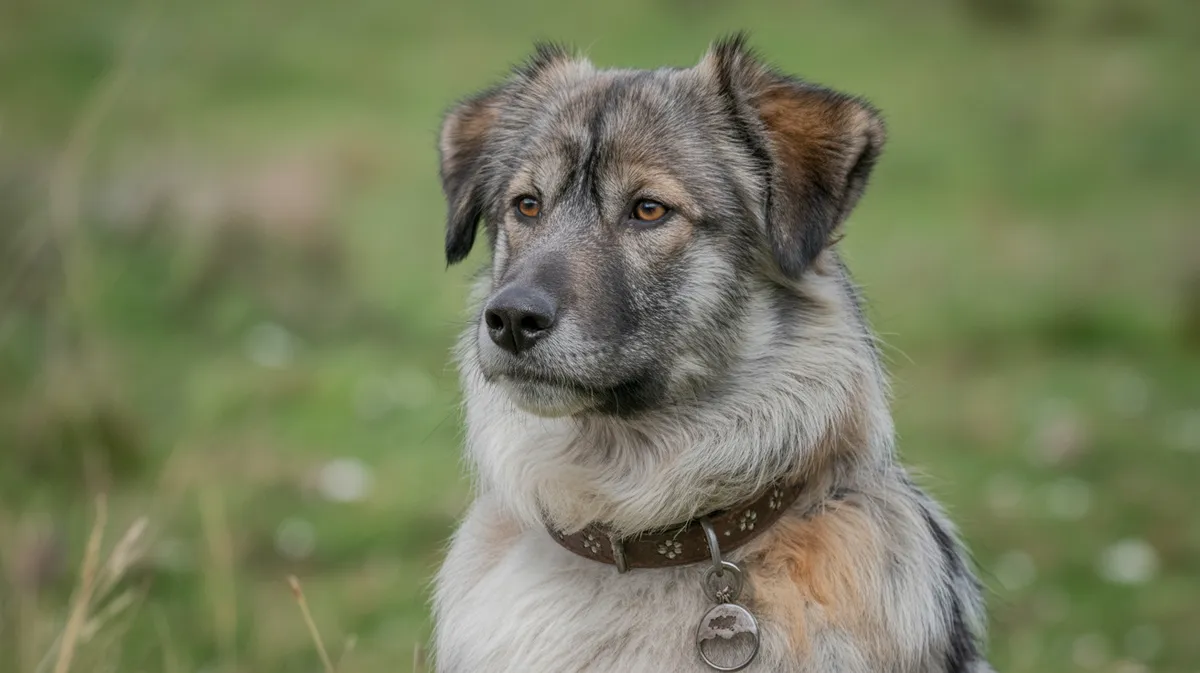
About the Pyrenean Shepherd
The Pyrenean Shepherd is an energetic and intelligent herding dog breed native to the Pyrenees mountains of southern France. Known for its agility, alertness, and strong work ethic, this breed has traditionally been used to herd sheep alongside larger livestock guardian dogs. Pyrenean Shepherds come in two coat varieties—rough-faced and smooth-faced—both of which are weather-resistant and suited to harsh mountain environments. They are highly trainable and form deep bonds with their families, excelling in canine sports and as active companions.
Fascinating facts
Ancient Heritage
The Pyrenean Shepherd has been herding sheep in the Pyrenees mountains for hundreds of years, with records of the breed dating back to at least the 19th century.
Mountain Specialist
Their small, muscular build and nimble feet allow them to thrive in the rugged, steep landscapes of the Pyrenees, where they can cover vast distances quickly.
Agility Star
Pyrenean Shepherds are highly successful in dog sports, especially agility, due to their speed, intelligence, and responsiveness.
Detailed description
The Pyrenean Shepherd (Berger des Pyrénées) is a small to medium-sized herding dog, typically standing 40–54 cm (16–21 in) at the withers for males and 38–52 cm (15–20.5 in) for females, with a weight ranging from 8 to 15 kg (18–33 lbs). It is characterized by a lean, athletic build, deep chest, and expressive almond-shaped eyes that convey intelligence and alertness. The breed exhibits two distinct coat types: the long-haired (poil long) and the smooth-faced (face rase), both of which are dense, weather-resistant, and well-adapted to the harsh, variable climates of the Pyrenees Mountains. The Pyrenean Shepherd's musculature and flexible joints contribute to its remarkable agility and endurance, allowing it to traverse steep, rocky terrain with ease. Its ears are typically semi-erect or dropped, and the tail may be naturally short or long. This breed is highly energetic, requiring substantial physical and mental stimulation, and is renowned for its intense focus and quick reflexes. Socially, Pyrenean Shepherds form strong bonds with their human handlers and are known for their loyalty and sensitivity. They are highly trainable, excelling in advanced obedience, agility, and herding trials. Their keen senses, particularly acute hearing and vision, make them exceptional at detecting and responding to livestock movement, and they often work in close partnership with larger guardian breeds such as the Pyrenean Mountain Dog.
Did you know?
The Pyrenean Shepherd was a key partner in the development of the modern Border Collie’s herding style due to its remarkable agility and intelligence.
Research & sources
Wikipedia summary
The Pyrenean Sheepdog, the Chien de Berger des Pyrénées in French, is a small to medium-sized breed of herding dog from the Pyrenees Mountains region of France. It is found herding flocks of sheep throughout the Pyrenees alongside the much larger Pyrenean Mountain Dog which is kept as a flock guardian.
Behaviour & social structure
Pyrenean Shepherds display pronounced herding instincts, utilizing a combination of eye contact, body posture, and rapid, darting movements to control and direct sheep. They are highly responsive to handler cues and are known for their ability to work independently over large distances. Their daily routines in traditional settings involve long hours of active herding, punctuated by bursts of intense activity and periods of watchful rest. The breed is typically wary of strangers but forms close-knit social bonds with family members and other familiar animals. They exhibit strong territorial behavior, often acting as sentinels for their flocks. Feeding behavior in working dogs is adapted to high energy expenditure, with diets rich in protein and fat. In domestic environments, Pyrenean Shepherds require structured activities and mental challenges to prevent boredom-related behaviors such as excessive barking or destructiveness.
Reproduction & life cycle
Pyrenean Shepherds reach sexual maturity between 10 and 14 months of age. The breed does not have a defined breeding season, as domestic dogs are polyestrous, but responsible breeders typically plan litters in spring or autumn to avoid extreme weather conditions. The estrous cycle lasts approximately 21 days, with gestation averaging 63 days. Litter sizes range from 3 to 7 puppies. Mothers exhibit attentive parental care, nursing and grooming their young, while breeders often provide early socialization to ensure stable temperaments. Puppies are weaned at 6–8 weeks and benefit from early exposure to livestock and varied environments to develop optimal herding skills.
Adaptations & survival
The Pyrenean Shepherd's compact, muscular frame and deep chest are evolutionary adaptations for stamina and agility in mountainous terrain. Its dense, weather-resistant coat protects against cold, wind, and precipitation, while the breed's relatively small size allows for nimble movement among rocks and dense vegetation. The breed's acute sensory perception, particularly in hearing and sight, enhances its ability to detect subtle changes in flock movement or potential threats. Behavioral adaptations include a strong herding drive, high trainability, and the capacity for independent decision-making, all of which are essential for managing livestock in vast, rugged environments. The breed's social intelligence enables effective communication with both humans and other working dogs.
Cultural significance
The Pyrenean Shepherd holds a prominent place in the pastoral culture of the Pyrenees, where it has been an indispensable partner to shepherds for centuries. Known locally as the 'Petit Berger' (Little Shepherd), the breed is celebrated in regional folklore and rural traditions. It is often depicted in art and literature as a symbol of loyalty, intelligence, and the rugged spirit of the mountain people. The breed's skills have been recognized in international herding competitions, and it has gained popularity in canine sports such as agility and obedience. In recent decades, the Pyrenean Shepherd has also been valued as a companion animal, admired for its affectionate nature and adaptability.
Recent research
Recent genetic studies have confirmed the Pyrenean Shepherd's close relationship to other European herding breeds, while also highlighting unique mitochondrial DNA haplotypes indicative of its geographic isolation and long-standing selection for herding ability. Ongoing research focuses on the preservation of working traits, genetic health, and the impact of modern breeding practices. Behavioral studies have examined the breed's problem-solving abilities and social cognition, revealing high levels of trainability and responsiveness to human communication. Veterinary research is monitoring the prevalence of inherited conditions such as hip dysplasia and progressive retinal atrophy, with breed clubs advocating for health screening protocols.
Videos
Habitat
Mountain grasslands and pastures
 Various Continental Regions
Grassland
Open areas dominated by grasses rather than trees, supporting numerous herbivores and their predators.
 Elevated Terrain
Mountain
High-altitude environments with varying climates and specialized wildlife adapted to rugged terrain and thin air.
 Global
Forest
Wooded areas with significant tree cover and diverse plant and animal communities.
Conservation
The Pyrenean Shepherd is currently classified as Least Concern on the IUCN Red List.
Threats & challenges
While the Pyrenean Shepherd is not currently at risk and is classified as 'Least Concern,' the breed faces challenges related to the decline of traditional pastoralism in the Pyrenees and other regions. Habitat loss, changes in agricultural practices, and reduced demand for working herding dogs have led to decreased population numbers in their native range. Genetic bottlenecks and inbreeding are concerns in some lines, prompting efforts to maintain genetic diversity through responsible breeding. Urbanization and the shift toward companion animal roles have also influenced breed characteristics, sometimes at the expense of working abilities. There are no significant natural predators threatening the breed, but accidental injuries and diseases common to active dogs (such as hip dysplasia) are monitored by breeders.
Taxonomy
Scientific name
Canis lupus familiaris
- Kingdom
- Animalia
- Phylum
- Chordata
- Class
- Mammalia
- Order
- Carnivora
- Family
- Canidae
- Genus
- Canis
- Species
- familiaris
Community notes
Share your observations about the Pyrenean Shepherd.
No community notes yet. Be the first!
Discover more wildlife
More fascinating animals from the encyclopedia.