
About the Radiated Tortoise
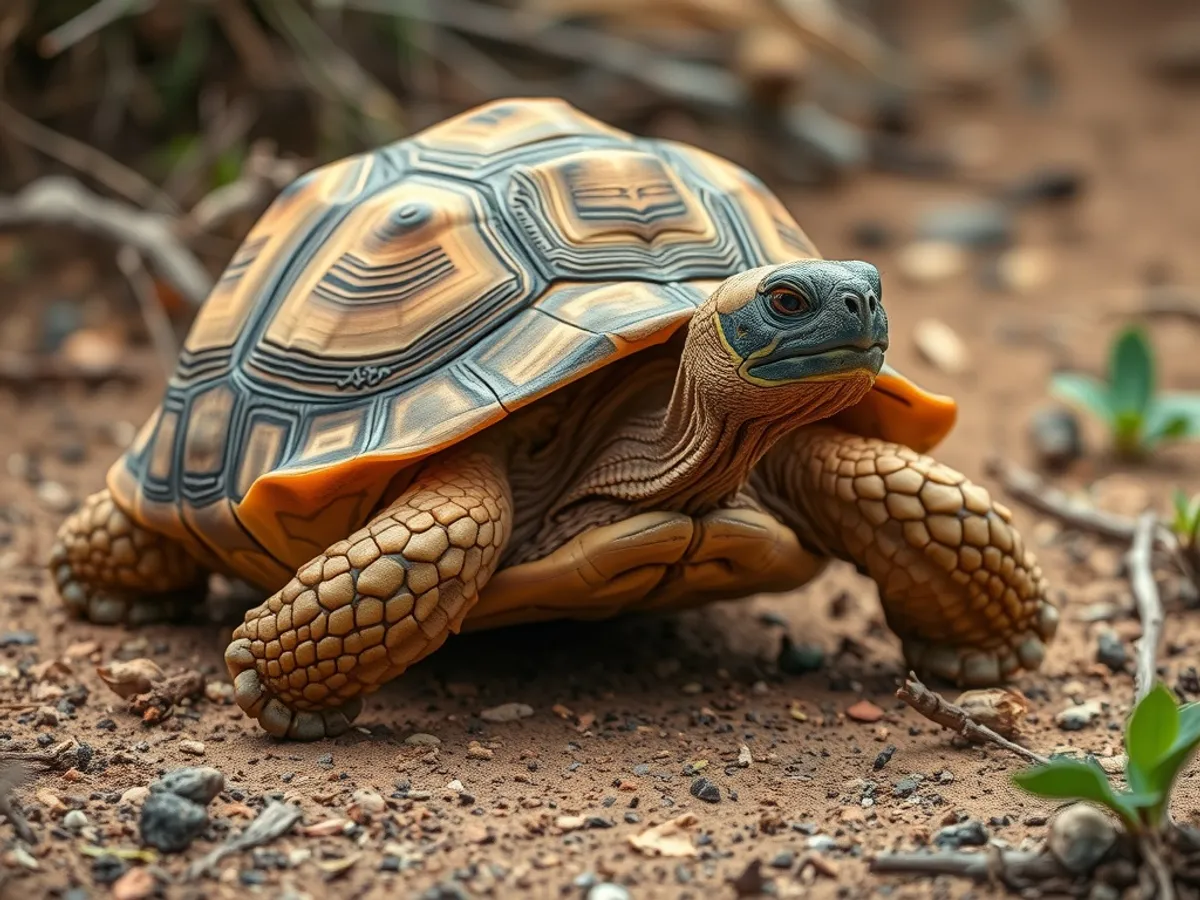
Astrochelys radiata has one of the most striking shells of any tortoise — a high black dome with sharp yellow lines radiating from a pale centre on each scute, a pattern that looks decorative but works as disruptive camouflage in the dappled, spiky spiny forest of southern Madagascar where it lives. That habitat is the key to the animal: the spiny forest is dominated by Didiereaceae and Euphorbia, and the tortoise grazes on the succulent Opuntia cactus that was introduced centuries ago and now forms a major part of its diet, along with grasses and fruit. It can live over 100 years — a radiated tortoise named Tu'i Malila, reputedly given to the Tongan royal family by Captain Cook in 1777, died in 1965 at a probable age of 188, one of the oldest verified terrestrial animals ever recorded. The species is now Critically Endangered and collapsing fast: the traditional Antandroy taboo that protected it has eroded, and hundreds of thousands have been taken for the meat trade and the international pet market. A single 2018 raid on a house in Toliara found more than 10,000 live radiated tortoises crammed inside — the largest confiscation of its kind ever made, and the rescue operation that followed overwhelmed every facility on the island.
Fascinating facts
Stunning Shell Patterns
The Radiated Tortoise gets its name from the star-like yellow radiations on its dark carapace, making it one of the most visually striking tortoises in the world.
Habitat Specialist
This tortoise is specially adapted to survive in Madagascar's spiny forests and arid scrublands, feeding mostly on grasses and succulent plants.
Longevity Champions
Radiated Tortoises can live over 100 years, with some individuals in captivity recorded to surpass this impressive milestone.
Detailed description
The Radiated Tortoise (Astrochelys radiata) is a medium-to-large terrestrial tortoise, with adults typically reaching carapace lengths of 32–41 cm (13–16 in) and weights of 12–16 kg (26–35 lbs), though exceptional individuals may exceed these sizes. Its most distinctive feature is the highly domed, smooth carapace adorned with a striking pattern of yellow, radiating lines from the center of each dark scute, giving the species its common name. The plastron is pale yellow with variable dark markings, and the limbs are robust, covered in yellowish scales. The head is relatively small, with a blunt snout and a beak adapted for grazing. Radiated Tortoises are diurnal, spending the hottest part of the day sheltering under vegetation or in burrows to avoid dehydration. They are primarily solitary but may aggregate in areas with abundant food or during the breeding season. Their slow metabolism and efficient water conservation mechanisms allow them to thrive in the arid, spiny forests and scrublands of southern Madagascar. Lifespans in the wild are estimated at 50–100 years, with some captive individuals documented to live up to 188 years. Their ecological role as grazers and seed dispersers is crucial for maintaining the structure and diversity of their native habitats.
Did you know?
Radiated Tortoises are considered sacred in some Malagasy cultures, and harming them is taboo in certain local traditions.
Research & sources
Wikipedia summary
The radiated tortoise is a tortoise species in the family Testudinidae. Although this species is native to and most abundant in southern Madagascar, it can also be found in the rest of this island, and has been introduced to the islands of Réunion and Mauritius. It is a very long-lived species, with recorded lifespans of up to 188 years. These tortoises are classified as critically endangered by the IUCN, mainly because of the destruction of their habitat and because of poaching.
Behaviour & social structure
Radiated Tortoises are predominantly herbivorous grazers, feeding on a wide variety of grasses, succulent plants, flowers, fruits, and occasionally fallen leaves. They have a preference for Opuntia cactus and other native succulents, which provide both nutrition and hydration. Foraging typically occurs during the cooler morning and late afternoon hours, while midday is spent resting in the shade to avoid overheating. These tortoises are generally solitary, but loose aggregations may form at favored feeding sites or water sources. Social interactions are limited, with occasional head bobbing or ramming displays, especially among males during the breeding season. They rely heavily on olfactory and tactile cues for communication. When threatened, they withdraw into their shells and may emit a hissing sound by expelling air. Radiated Tortoises are known for their slow, deliberate movements and strong homing instincts, often returning to the same shelter sites.
Reproduction & life cycle
Breeding in Radiated Tortoises typically coincides with the onset of the rainy season (December to March), when increased humidity and food availability stimulate reproductive activity. Males engage in courtship behaviors that include circling, head bobbing, and gentle ramming of the female's shell. Copulation is accompanied by vocalizations from the male. Females lay 3–12 spherical eggs per clutch, with up to three clutches per season. Nests are excavated in sandy or loose soil, and eggs are buried at depths of 10–15 cm (4–6 in). Incubation lasts 5–8 months, depending on temperature and humidity, with hatchlings emerging at the onset of the next rainy season. There is no parental care after egg-laying; hatchlings are independent from birth. Sexual maturity is reached at 15–20 years, and reproductive output is highly dependent on environmental conditions.
Adaptations & survival
Radiated Tortoises exhibit several adaptations for survival in arid and semi-arid environments. Their domed, star-patterned carapace provides camouflage among dappled sunlight and spiny vegetation, reducing predation risk. The thick, keratinized skin and scales minimize water loss, while the ability to reabsorb water from the bladder allows them to survive extended dry periods. Their beak is specialized for grazing tough, fibrous plants, and their digestive system efficiently extracts nutrients from low-quality forage. Behavioral adaptations include crepuscular activity patterns to avoid heat stress and the use of burrows or dense vegetation for thermoregulation. Their longevity and slow reproductive rate are evolutionary responses to unpredictable environmental conditions.
Cultural significance
Radiated Tortoises hold significant cultural value in Madagascar, where they are regarded as sacred by some Malagasy communities, particularly among the Antandroy and Mahafaly peoples. Traditional taboos (fady) often prohibit the killing or consumption of tortoises, contributing to localized protection. However, these customs are eroding under economic hardship and external demand for tortoises as pets or food. The species is also a symbol of Madagascar's unique biodiversity and is featured in conservation campaigns and ecotourism initiatives.
Recent research
Recent research has focused on the population genetics of Radiated Tortoises, revealing significant genetic structuring among fragmented populations, which has implications for conservation management and potential translocations. Studies on their role as ecosystem engineers highlight their importance in seed dispersal and maintenance of plant community diversity. Ongoing telemetry and mark-recapture studies are providing insights into movement patterns, home range sizes, and habitat use. Conservation programs, such as head-starting and community-based management, are being evaluated for their effectiveness in bolstering wild populations. The impact of climate change on nesting success and hatchling survival is an emerging area of concern.
Videos
Habitat
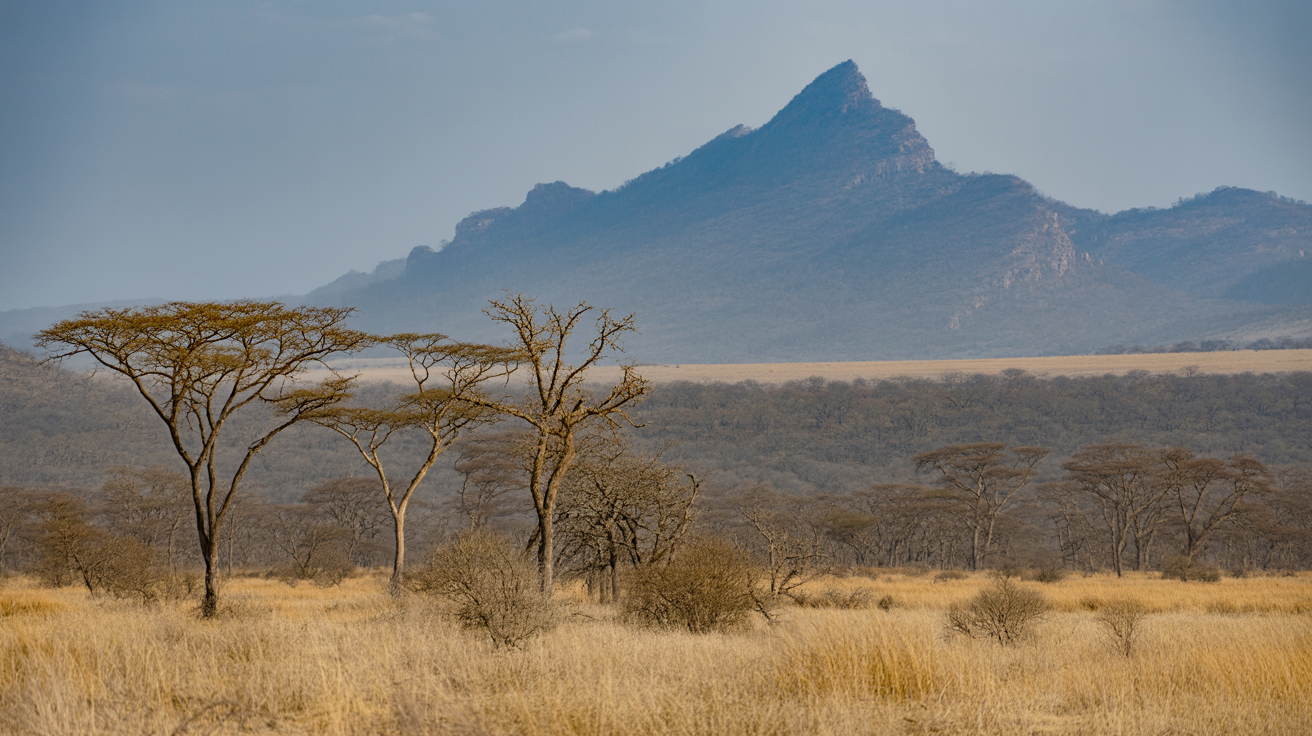
Dry forests and thorny scrublands
 Africa
Savanna
Grasslands with scattered trees, characterized by seasonal rainfall and home to diverse grazing animals and predators.
 Various Continental Regions
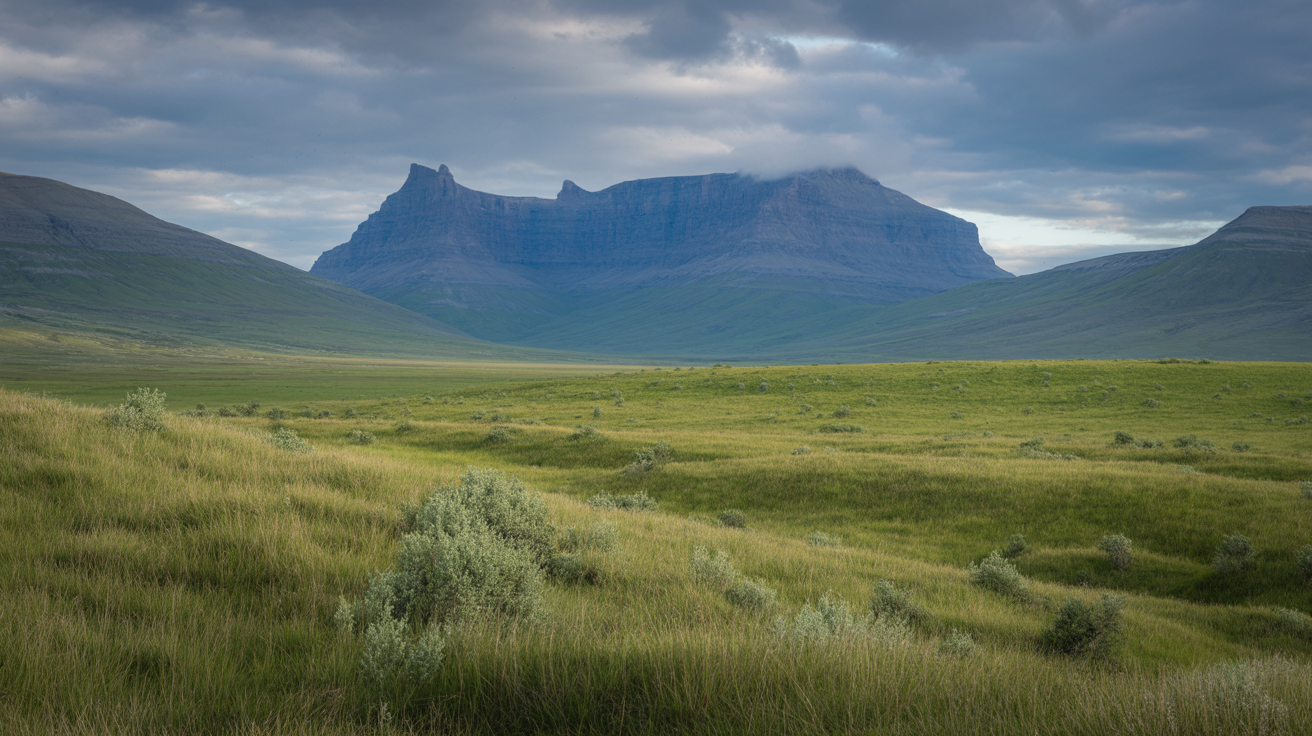
Grassland
Open areas dominated by grasses rather than trees, supporting numerous herbivores and their predators.
 Global
Forest
Wooded areas with significant tree cover and diverse plant and animal communities.
Conservation
The Radiated Tortoise is currently classified as Critically Endangered on the IUCN Red List.
Threats & challenges
The Radiated Tortoise is classified as Critically Endangered by the IUCN Red List, with population declines exceeding 80% over the past three generations. Major threats include habitat loss due to slash-and-burn agriculture, charcoal production, and expansion of human settlements. Illegal collection for the international pet trade and local consumption as bushmeat further exacerbate declines. Poaching remains rampant despite legal protections under CITES Appendix I. Fragmentation of remaining populations reduces genetic diversity and increases vulnerability to stochastic events. Conservation efforts are challenged by limited resources, weak law enforcement, and socio-economic pressures in Madagascar. Recent estimates suggest fewer than 6 million individuals remain, with ongoing declines.
Taxonomy
Scientific name
Astrochelys radiata
- Kingdom
- Animalia
- Phylum
- Chordata
- Class
- Reptilia
- Order
- Testudines
- Family
- Testudinidae
- Genus
- Astrochelys
- Species
- radiata
Where to see a radiated tortoise
11 zoos and aquariums in 3 countries are recorded as keeping this species.
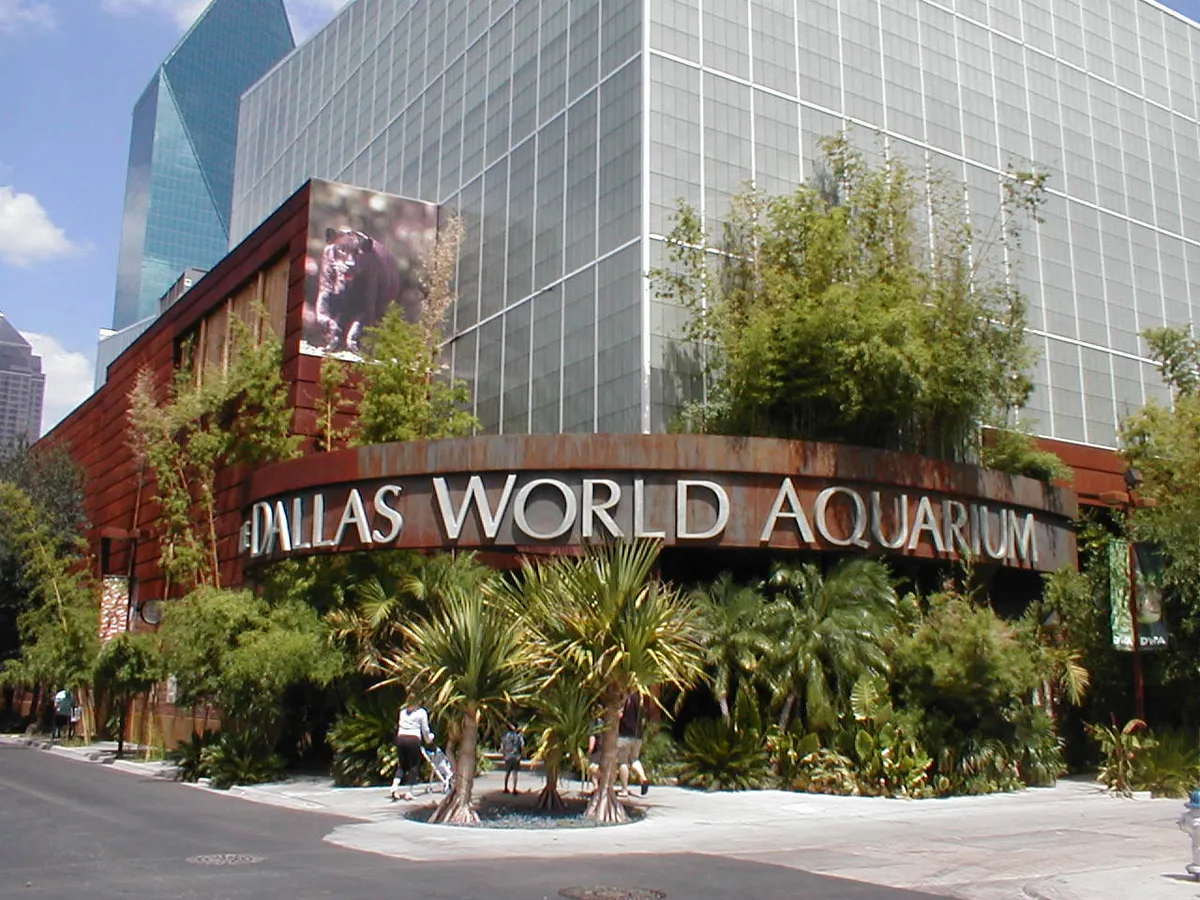 Dallas World Aquarium🇺🇸 Dallas, United States
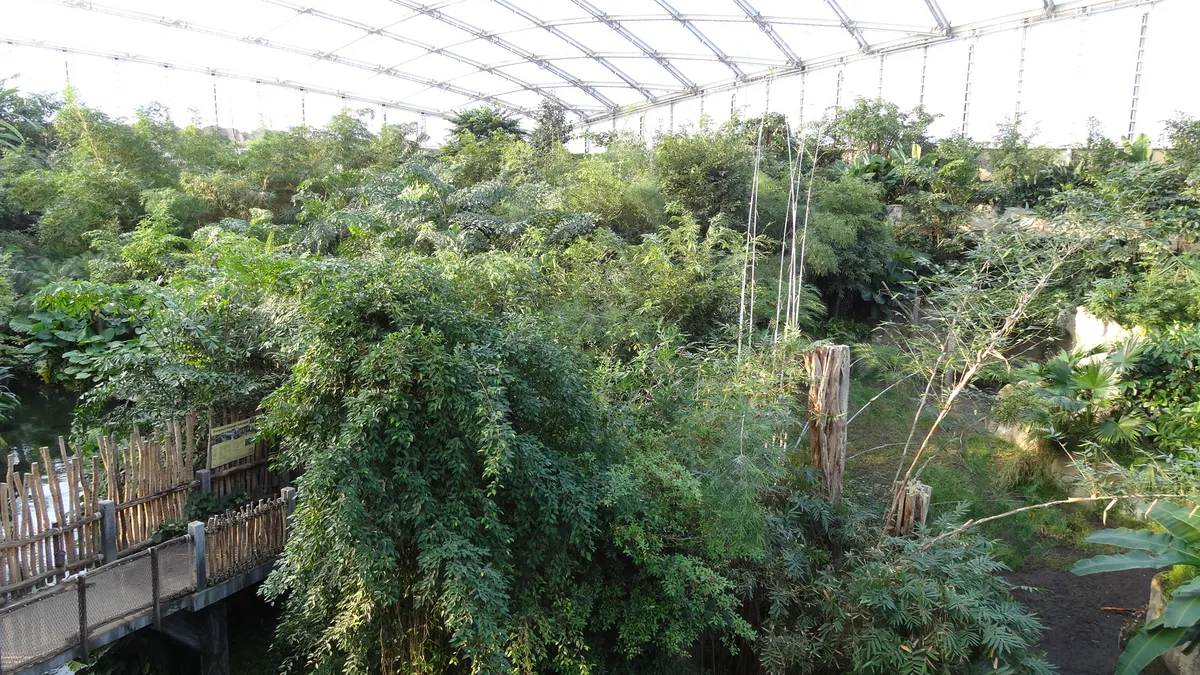 Leipzig Zoological Garden🇩🇪 Leipzig, Germany
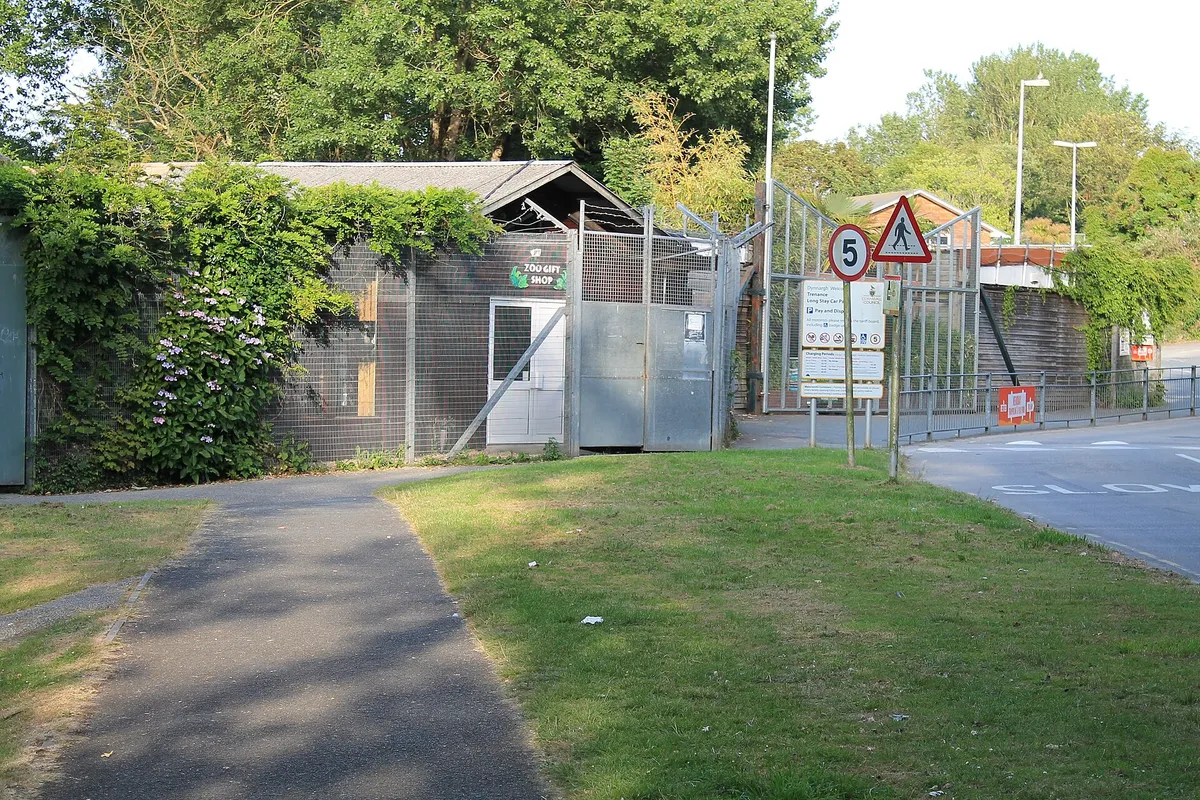 Newquay Zoo🇬🇧 Newquay, United Kingdom
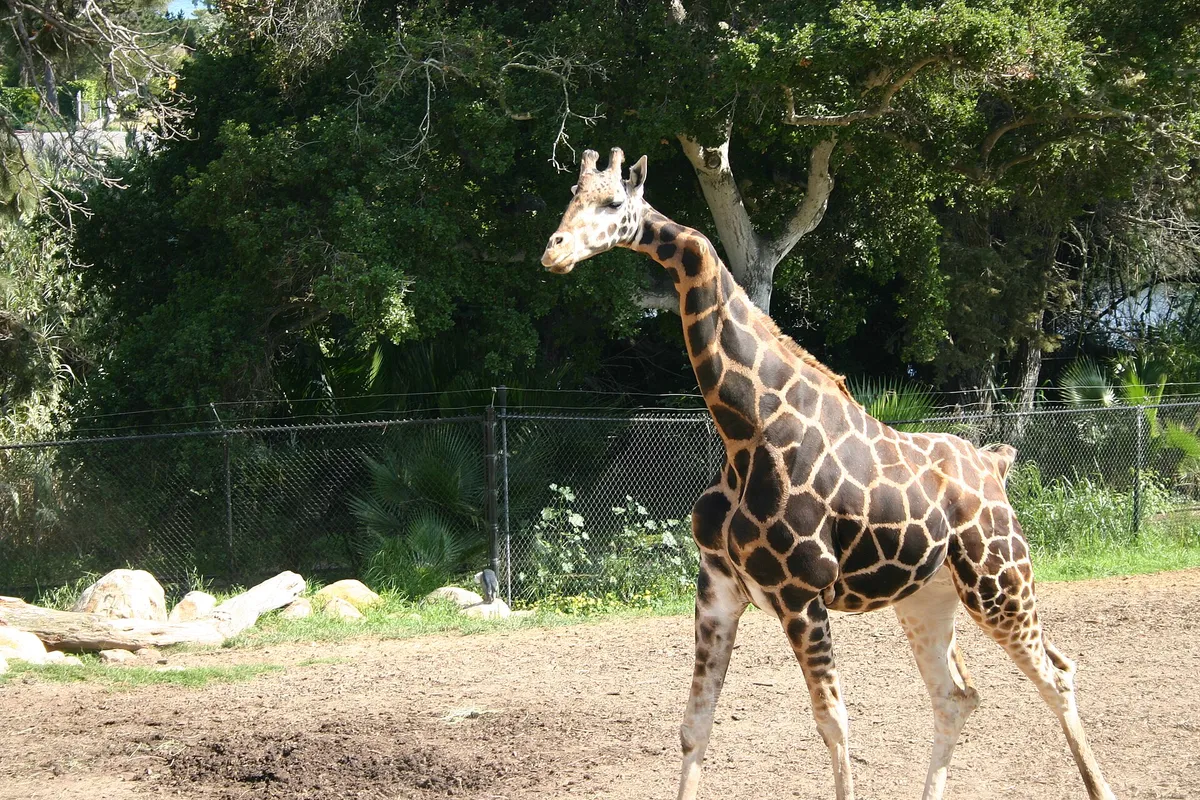 Santa Barbara Zoological Gardens🇺🇸 Santa Barbara, United States
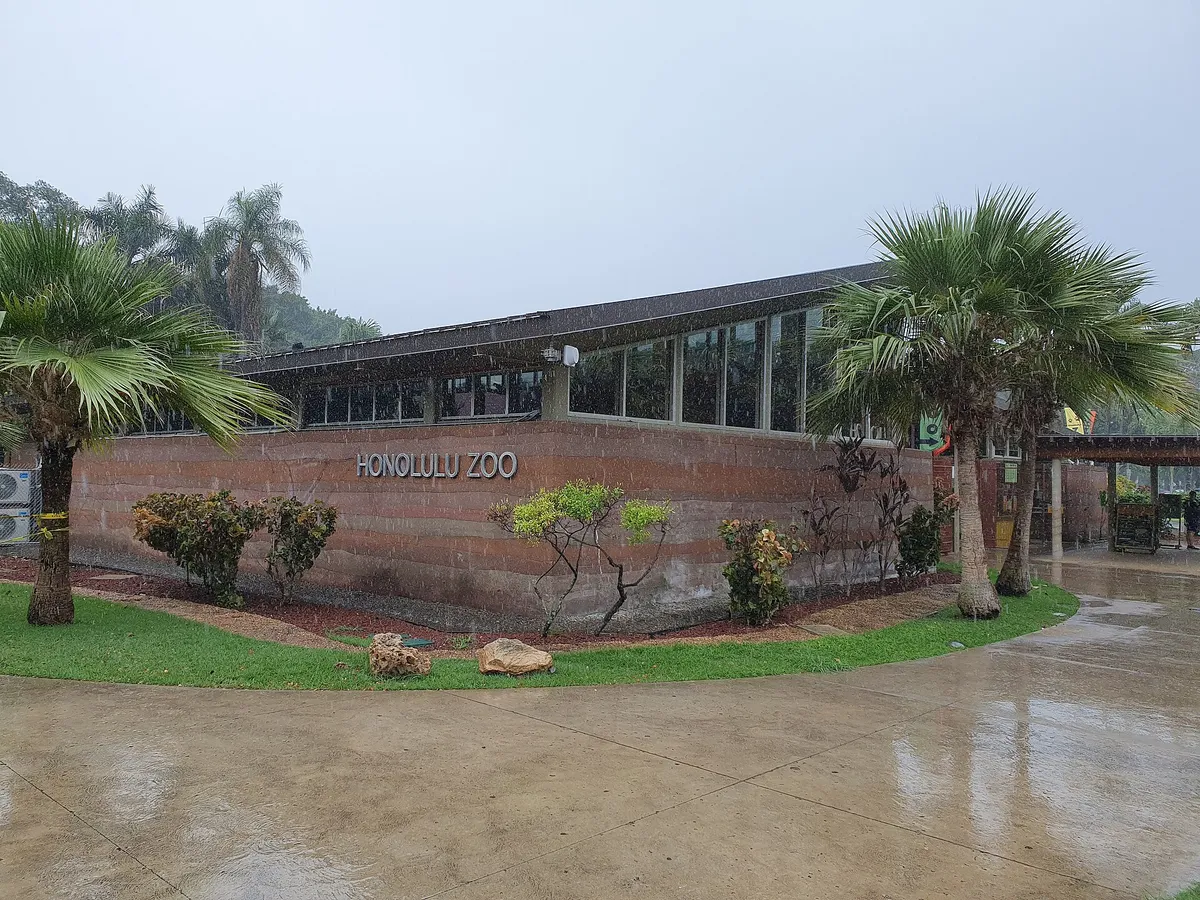 Honolulu Zoo🇺🇸 Honolulu, United States
Community notes
Share your observations about the Radiated Tortoise.
No community notes yet. Be the first!
Discover more wildlife
More fascinating animals from the encyclopedia.