
About the Rosy Boa
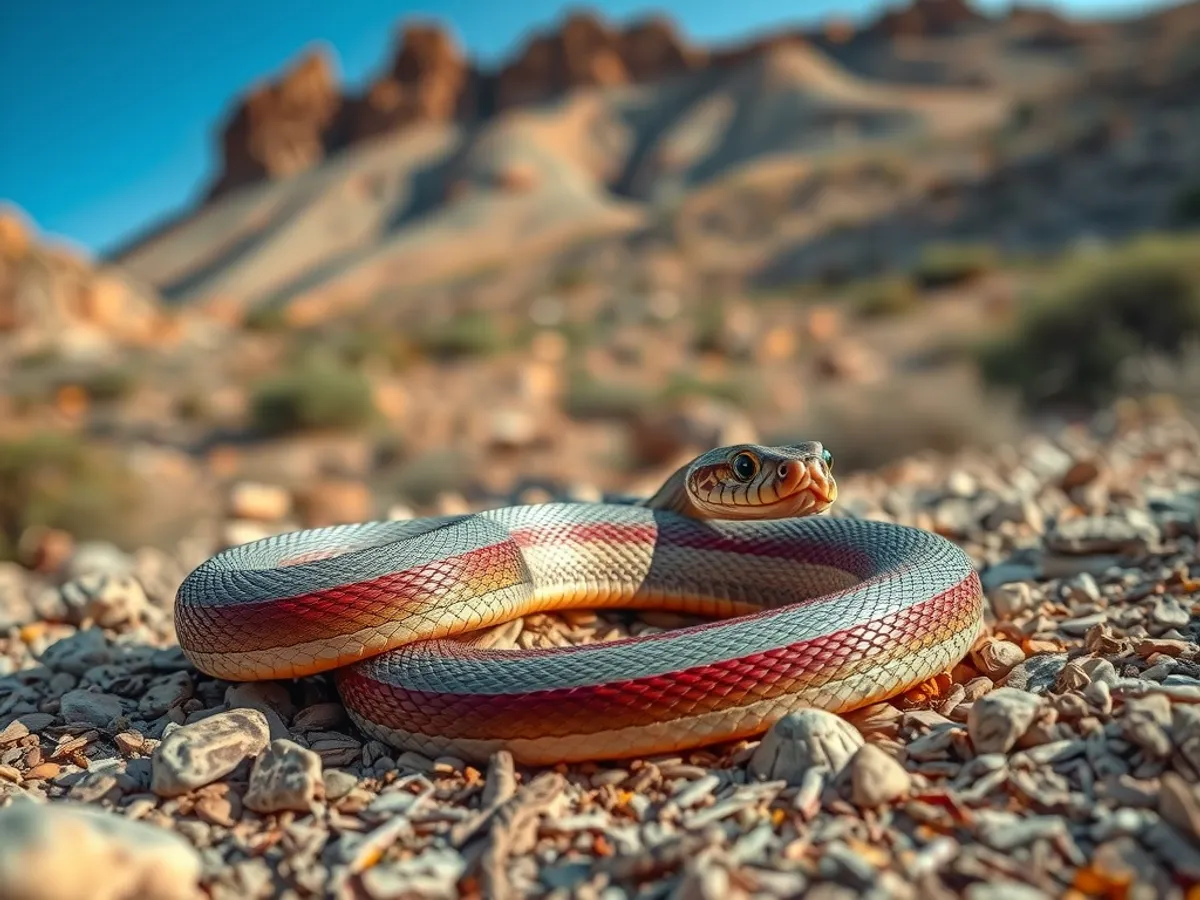
The Rosy Boa is a small to medium-sized nonvenomous snake native to the southwestern United States and northwestern Mexico. It is known for its gentle temperament and distinctive coloration, typically featuring three longitudinal stripes in hues of orange, pink, or brown on a grayish or bluish background. Rosy Boas are slow-moving, secretive, and primarily nocturnal, spending much of their time hiding under rocks or within crevices to avoid predators and extreme temperatures. They are among the few boa species native to the United States and are highly sought after in the pet trade due to their docility and manageable size.
Fascinating facts
Distinctive Stripes
Rosy Boas are easily recognized by their three lengthwise stripes, which can range in color from orange and pink to brown or maroon.
Desert Dweller
This species thrives in arid environments, including deserts and rocky slopes, where it hides under rocks and in crevices to escape the heat.
Rodent Hunter
Rosy Boas primarily feed on small mammals such as mice and occasionally on lizards and small birds, using constriction to subdue their prey.
Detailed description
The Rosy Boa (Lichanura trivirgata) is a small to medium-sized constrictor, typically reaching adult lengths of 45–86 cm (18–34 inches), though some individuals may exceed 100 cm. It possesses a robust, cylindrical body with smooth, shiny scales and a short, blunt tail. The head is only slightly wider than the neck, with small, dark eyes and vertical pupils. Its most distinctive feature is the trio of longitudinal stripes—usually orange, reddish, or brown—running from head to tail along a background that varies from bluish-gray to tan or cream, depending on locality. This coloration provides effective camouflage among rocks and desert soils. Rosy Boas are primarily nocturnal or crepuscular, emerging at dusk or after rainfall to hunt. They are solitary and secretive, spending much of their lives concealed under rocks, in burrows, or within crevices to avoid predators and extreme temperatures. Unlike many other snakes, Rosy Boas are slow-moving and rely on stealth rather than speed to capture prey. Their gentle disposition and reluctance to bite make them popular in the pet trade. In the wild, they play an important ecological role as both predator and prey within arid and semi-arid ecosystems.
Did you know?
The Rosy Boa is one of only two boa species native to the United States, the other being the Rubber Boa.
Research & sources
Wikipedia summary
Lichanura, the rosy boas, are a genus of snakes in the family Boidae. They are distributed across the southwestern United States and northwestern Mexico.
Behaviour & social structure
Rosy Boas are ambush predators, relying on their cryptic coloration and slow, deliberate movements to approach prey undetected. Their diet consists mainly of small mammals, such as rodents and shrews, but they will also consume lizards and occasionally birds or amphibians. They subdue prey by constriction, wrapping their muscular bodies around the animal until suffocation occurs. Feeding frequency varies with temperature and prey availability, but adults may eat only a few times per month in the wild. Activity is highest during the warmer months, particularly at dusk and during the night, although individuals may be active during the day in cooler weather or after rain. They are solitary outside of the breeding season and exhibit little territoriality, with overlapping home ranges. Defensive behaviors include coiling into a tight ball with the head protected in the center and emitting a musky odor from cloacal glands when threatened.
Reproduction & life cycle
Rosy Boas are ovoviviparous, meaning females give birth to live young rather than laying eggs. Breeding typically occurs in spring (March to May), with males actively seeking out females by following pheromone trails. Courtship involves tongue-flicking and body alignment, and males may engage in combat for access to receptive females. After successful mating, gestation lasts approximately 4–5 months. Females give birth to 2–14 live young, usually between July and September. Neonates measure about 20–30 cm (8–12 inches) at birth and are independent from the moment they are born, receiving no parental care. Sexual maturity is reached at 2–4 years of age, depending on growth rate and environmental conditions.
Adaptations & survival
Rosy Boas exhibit several adaptations for survival in arid environments. Their coloration and patterning provide camouflage among rocks and desert soils, reducing predation risk. The smooth, glossy scales minimize water loss and facilitate movement through tight crevices. They are capable of surviving long periods without food or water by reducing metabolic rates and seeking shelter during extreme heat. Their slow metabolism and efficient digestion allow them to subsist on infrequent, large meals. Behavioral adaptations include nocturnal and crepuscular activity patterns to avoid daytime heat, and the use of burrows or rock shelters for thermoregulation and protection.
Cultural significance
Rosy Boas have limited direct cultural significance but are notable as one of only two native boa species in the United States. They are admired for their gentle nature and striking appearance, making them popular among reptile enthusiasts and educators. In some indigenous cultures of the American Southwest, snakes in general are regarded as symbols of renewal and transformation, though there are no specific myths centered on the Rosy Boa. Their presence in the pet trade has contributed to public interest in reptile conservation and responsible captive care.
Recent research
Recent genetic studies have clarified the taxonomy of the genus Lichanura, resulting in the recognition of two species: L. trivirgata and L. orcutti. Ongoing research focuses on population genetics, local adaptation, and the effects of habitat fragmentation. Studies on thermoregulation and microhabitat use have provided insights into behavioral ecology, showing that Rosy Boas select shelters that optimize body temperature and minimize predation risk. Conservation research is monitoring the impact of urban development and climate change on distribution and genetic diversity. Citizen science platforms, such as iNaturalist, have contributed valuable occurrence data for mapping range and seasonal activity.
Videos
Habitat
Arid deserts, rocky hillsides, and scrublands

Conservation
The Rosy Boa is currently classified as Least Concern on the IUCN Red List.
Threats & challenges
While the Rosy Boa is currently listed as Least Concern by the IUCN, localized threats exist. Habitat fragmentation and destruction due to urbanization, agriculture, and mining pose significant risks, particularly in southern California and Baja California. Illegal collection for the pet trade, although regulated, can impact local populations. Road mortality is another concern, as individuals often cross roads at night. Climate change may alter habitat suitability and prey availability in the future. Despite these challenges, the species remains relatively widespread and resilient, with stable populations in many areas.
Taxonomy
Scientific name
Lichanura trivirgata
- Kingdom
- Animalia
- Phylum
- Chordata
- Class
- Reptilia
- Order
- Squamata
- Family
- Boidae
- Genus
- Lichanura
- Species
- trivirgata
Where to see a rosy boa
4 zoos and aquariums in 1 country are recorded as keeping this species.
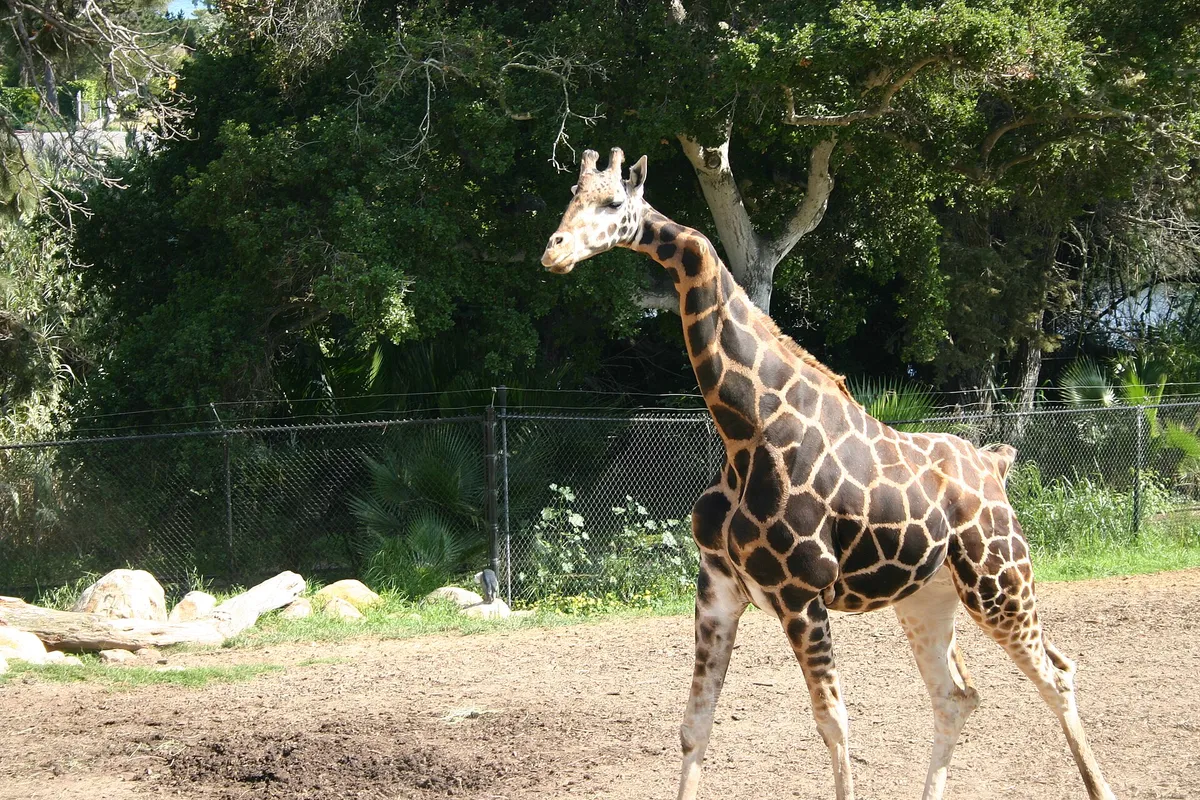 Santa Barbara Zoological Gardens🇺🇸 Santa Barbara, United States
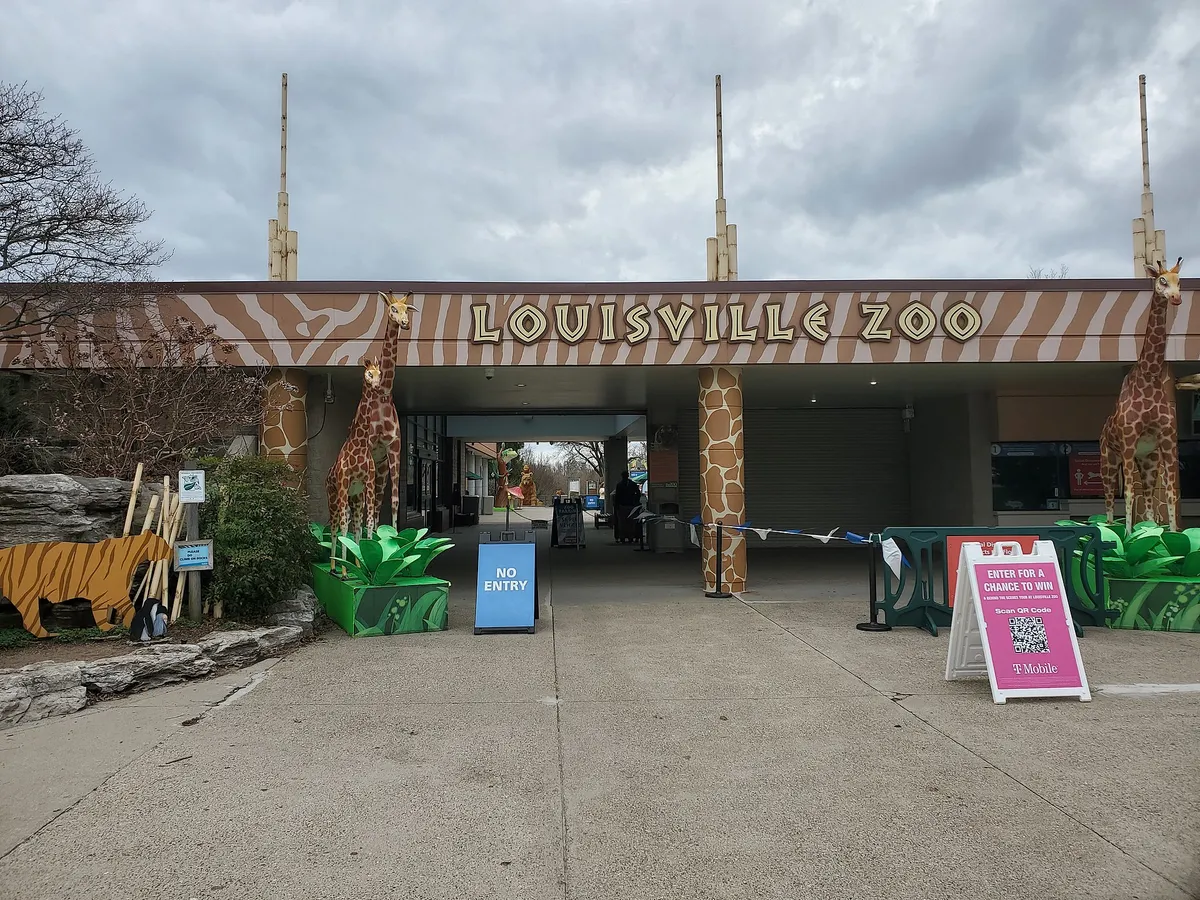 Louisville Zoo🇺🇸 United States
- 🦁Cheyenne Mountain Zoo🇺🇸 United States
 Los Angeles Zoo🇺🇸 United States
Community notes
Share your observations about the Rosy Boa.
No community notes yet. Be the first!
Discover more wildlife
More fascinating animals from the encyclopedia.