
About the Rough Knob-tailed Gecko
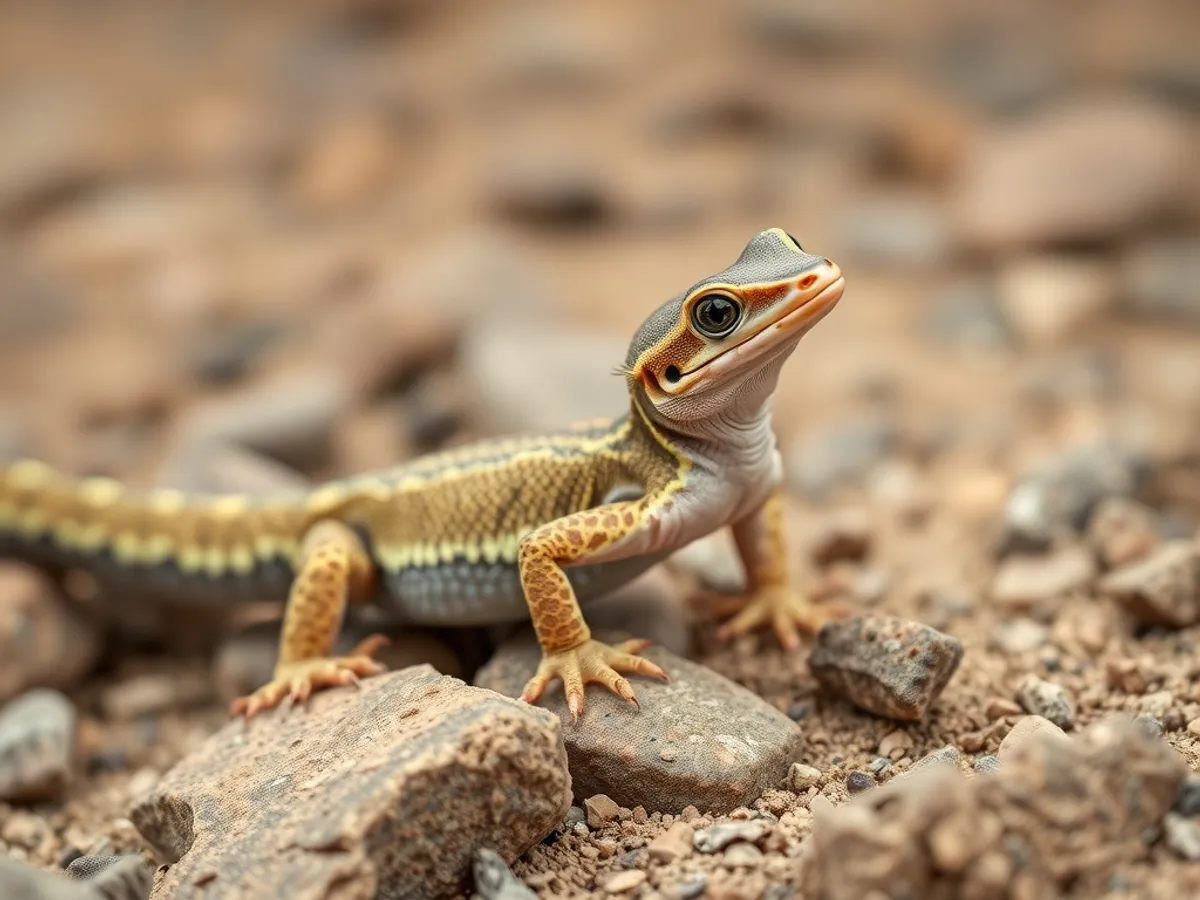
The Rough Knob-tailed Gecko is a distinctive species of gecko native to arid regions of central Australia. It is characterized by its rough, tuberculate skin and a short, bulbous tail tipped with a knob-like structure. Adapted to life in rocky deserts, this nocturnal reptile uses its camouflage and unique tail movements to avoid predators and hunt for insects. It is the largest species in the Nephrurus genus, making it a remarkable sight among Australian geckos.
Fascinating facts
Specialized Tail
The gecko's short, knob-like tail can be wiggled to distract predators, and may even be autotomized (shed) if grabbed.
Nocturnal Lifestyle
Rough Knob-tailed Geckos are strictly nocturnal, hiding under rocks and in crevices during the day to avoid the harsh desert heat.
Camouflage Expert
Their pebbly skin and earth-toned coloration allow them to blend seamlessly with rocky desert environments.
Detailed description
The Rough Knob-tailed Gecko (Nephrurus amyae) is a robust, terrestrial gecko endemic to the arid interior of northern central Australia, particularly the rocky escarpments and spinifex grasslands of the Northern Territory. Adults typically reach a snout-to-vent length (SVL) of 12–14 cm, with a total length up to 16–18 cm, making it the largest member of the Nephrurus genus. Its skin is covered with prominent, spiny tubercles that provide a rough texture and aid in camouflage among rocky substrates. The gecko's most distinctive feature is its short, thick tail, ending in a bulbous 'knob' that is used in defensive displays and may serve as a fat storage organ. The coloration ranges from reddish-brown to orange, with pale blotches and bands that break up its outline, enhancing concealment. Its large, lidless eyes are adapted for nocturnal vision, with vertical pupils and a reflective tapetum lucidum. The limbs are stout and equipped with well-developed claws, facilitating climbing and burrowing in loose soils. Unlike many geckos, N. amyae lacks adhesive toe pads, relying instead on its strong claws for traction. This species is solitary and highly territorial, exhibiting complex threat displays such as tail waving, body inflation, and vocalizations when confronted by predators or rivals. Its vocal repertoire includes hissing and barking sounds, which are rare among geckos.
Did you know?
The Rough Knob-tailed Gecko is the largest knob-tailed gecko species, with some individuals reaching over 14 centimeters in length.
Research & sources
Behaviour & social structure
Nephrurus amyae is strictly nocturnal, emerging from rock crevices or shallow burrows shortly after dusk to forage. It is an ambush predator, relying on stealth and patience to capture prey, which consists primarily of arthropods such as beetles, spiders, cockroaches, and occasionally small vertebrates. The gecko uses its cryptic coloration to remain concealed while waiting for prey, then strikes with a rapid lunge. When threatened, it employs a suite of defensive behaviors: arching its back, inflating its body, waving its knobbed tail, and producing loud vocalizations to startle predators. Social interactions are limited outside the breeding season, with individuals maintaining exclusive territories. Aggressive encounters between conspecifics involve posturing, tail displays, and sometimes biting. During the day, N. amyae remains hidden in self-dug burrows or natural rock shelters to avoid extreme temperatures and dehydration.
Reproduction & life cycle
Breeding occurs during the austral spring and early summer (September to December), triggered by rising temperatures and increased food availability. Males locate receptive females through pheromonal cues and engage in courtship that includes tactile stimulation and gentle biting. Females lay one or two leathery-shelled eggs per clutch, typically depositing them in moist, sheltered locations such as under rocks or within burrows. The incubation period ranges from 60 to 90 days, depending on ambient temperature and humidity. Hatchlings measure approximately 5–6 cm in total length and are independent from birth, receiving no parental care. Females may produce multiple clutches per season if conditions are favorable. Sexual maturity is reached at 2–3 years of age.
Adaptations & survival
N. amyae exhibits several adaptations for arid environments: its rough, tuberculate skin reduces water loss and provides camouflage among rocky substrates. The fat-storing tail enables survival during periods of food scarcity. Behavioral thermoregulation is achieved by sheltering during the day and being active at night, minimizing water loss and overheating. The absence of adhesive toe pads is compensated by strong claws, allowing effective movement on loose or rocky ground. Its vocalizations and threat displays are unusual among geckos and may have evolved to deter predators such as snakes, birds, and small mammals. The gecko’s large eyes and vertical pupils enhance night vision, crucial for nocturnal hunting.
Cultural significance
While not widely featured in Aboriginal mythology or Australian folklore, the Rough Knob-tailed Gecko is of interest to herpetologists and reptile enthusiasts due to its unique appearance and behaviors. It is occasionally kept in captivity by specialist breeders, where its striking looks and unusual defensive displays make it a popular subject for educational outreach and ecotourism. There are no known traditional uses or significant symbolic associations with this species.
Recent research
Recent research on N. amyae has focused on its phylogenetic relationships within the Nephrurus genus, revealing significant genetic divergence among populations, which may have implications for conservation management. Studies on its microhabitat preferences have highlighted the importance of rocky outcrops and spinifex grass for shelter and foraging. Ongoing investigations are examining the gecko’s physiological adaptations to extreme aridity, including water conservation mechanisms and thermal tolerance. Behavioral studies have documented the complexity of its threat displays and vocalizations, contributing to a broader understanding of communication in geckos. There is also interest in the species’ response to environmental changes, particularly fire and grazing impacts.
Sources
A review of the genus Nephrurus (Squamata: Carphodactylidae) in Australia
Paul Doughty, Mark N. Hutchinson (2008)
scientificNephrurus amyae: The IUCN Red List of Threatened Species 2017
IUCN SSC Reptile Specialist Group
conservationA review of the genus Nephrurus (Squamata: Gekkonidae) in Australia
Paul Doughty & Mark A. Hutchinson (2008)
scientificVideos
Habitat
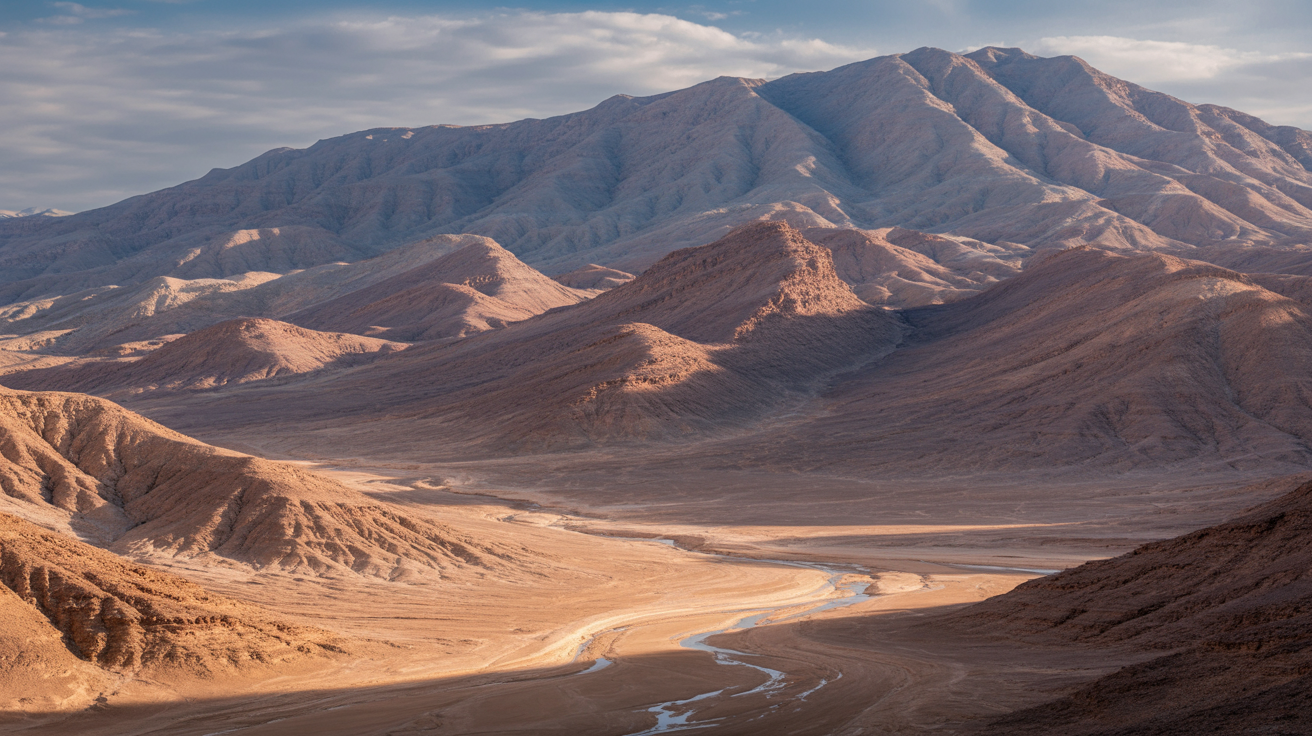
Rocky deserts and arid shrublands
Conservation
The Rough Knob-tailed Gecko is currently classified as Least Concern on the IUCN Red List.
Threats & challenges
Currently classified as Least Concern by the IUCN, N. amyae faces localized threats from habitat degradation due to mining, overgrazing by livestock, and altered fire regimes that affect vegetation structure. Predation by introduced species such as feral cats and foxes poses an additional risk, particularly to juveniles. Climate change may impact the species by altering rainfall patterns and increasing the frequency of extreme heat events, potentially reducing suitable habitat. However, its remote range and adaptability to harsh conditions have so far buffered populations from significant declines. Ongoing monitoring is recommended to detect any future changes in population trends.
Taxonomy
Scientific name
Nephrurus amyae
- Kingdom
- Animalia
- Phylum
- Chordata
- Class
- Reptilia
- Order
- Squamata
- Family
- Carphodactylidae
- Genus
- Nephrurus
- Species
- amyae
Community notes
Share your observations about the Rough Knob-tailed Gecko.
No community notes yet. Be the first!
Discover more wildlife
More fascinating animals from the encyclopedia.