
About the Sea lemon nudibranch
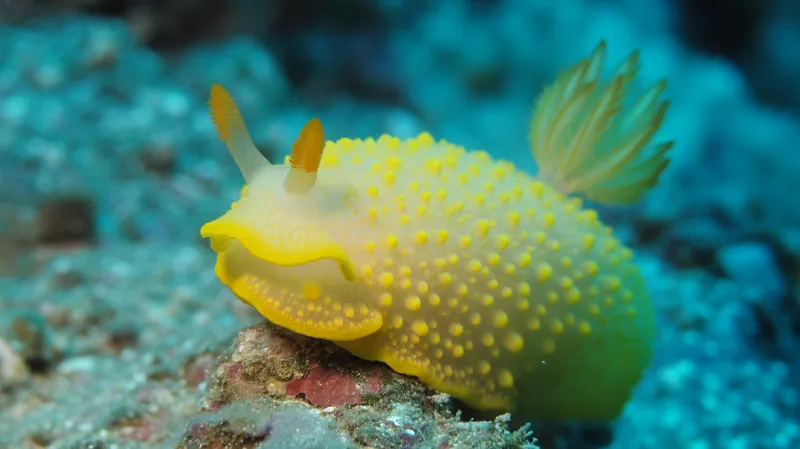
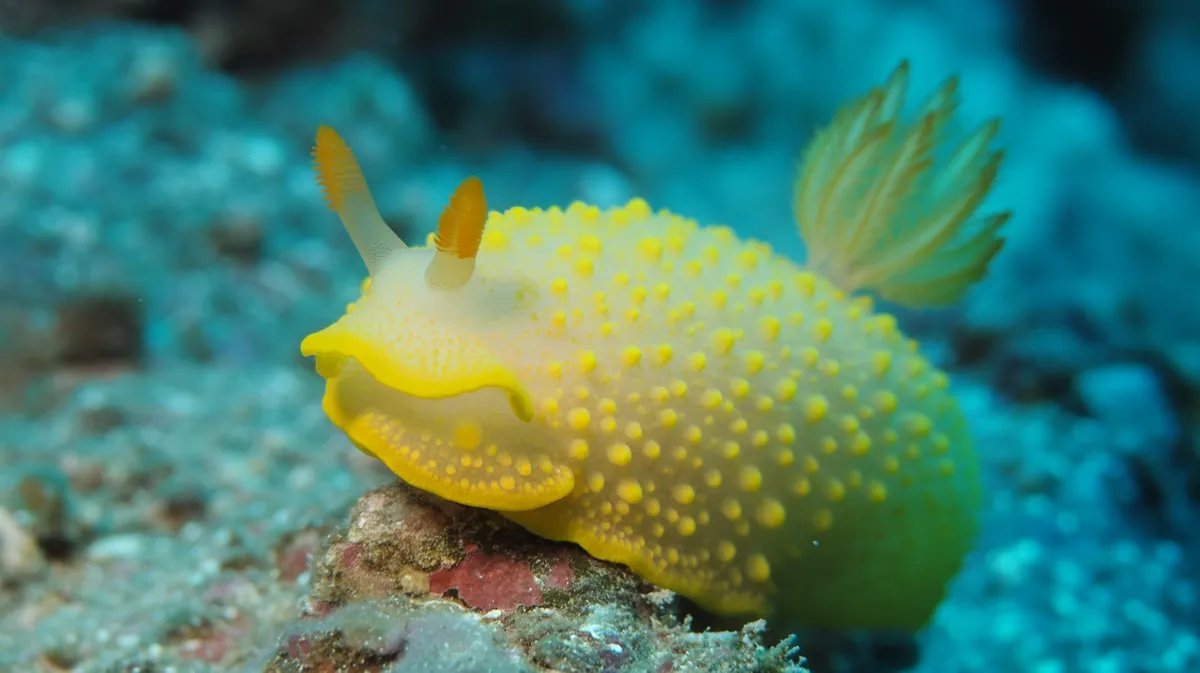
The sea lemon nudibranch is a colorful and distinctive species of sea slug found along the Pacific coast of North America. It is known for its bright yellow, sometimes spotted body, which often resembles a lemon in both color and texture. This invertebrate grows up to 20 centimeters in length and features a soft, oval-shaped body adorned with small tubercles. The sea lemon nudibranch is a slow-moving mollusk that feeds primarily on sponges, playing an important role in the marine ecosystem. Its vivid coloration serves as a warning to predators about its unpalatable nature.
Fascinating facts
Citrus Scent
The sea lemon nudibranch releases a lemon-like smell, which is unusual among marine invertebrates and helps deter predators.
Pacific Native
This nudibranch is found along the Pacific coastline from Alaska to Baja California, thriving among rocks and kelp forests.
Sponge Specialist
Sea lemon nudibranchs feed almost exclusively on certain types of sponges, from which they derive both nutrition and defensive chemicals.
Detailed description
The sea lemon nudibranch (Doris montereyensis) is a large, conspicuous dorid nudibranch, reaching lengths of 7 to 20 centimeters, with a robust, oval-shaped body. Its dorsal surface is covered in numerous rounded tubercles, giving it a textured, almost warty appearance reminiscent of a lemon’s rind. The coloration typically ranges from pale yellow to deep golden, sometimes with white or brownish spots, and can vary depending on diet and locality. The head bears a pair of prominent rhinophores—chemosensory organs used for detecting food and mates—which are lamellate and retractable for protection. At the posterior end, a circlet of feathery gills surrounds the anus, a characteristic feature of dorid nudibranchs. The ventral side is smooth and muscular, adapted for slow crawling over rocky substrates. Doris montereyensis lacks a shell, relying instead on chemical defenses derived from its sponge prey. This species is primarily nocturnal, emerging at night to forage, and is solitary but may be found in aggregations where food is abundant. Its vivid coloration is aposematic, warning potential predators of its distasteful and toxic compounds. The species exhibits remarkable regenerative abilities, capable of healing minor injuries to its soft tissues.
Did you know?
Despite their soft bodies and lack of a protective shell, sea lemon nudibranchs are rarely eaten by predators due to the toxic compounds they accumulate from their sponge diet.
Research & sources
Behaviour & social structure
Sea lemon nudibranchs are slow-moving, benthic predators that spend most of their time crawling over rocks and hard substrates in search of food. They are specialist feeders, primarily consuming demosponges such as Halichondria and Hymeniacidon species, which they locate using their sensitive rhinophores. Feeding involves everting a rasping radula to scrape sponge tissue, often leaving distinctive feeding scars. They are generally solitary, exhibiting little social interaction except during the breeding season, when multiple individuals may congregate. Activity peaks during nocturnal hours or in low-light conditions, likely as a strategy to avoid visual predators. When threatened, they may retract their rhinophores and gills, and some individuals can secrete distasteful or toxic compounds to deter predation. Sea lemons exhibit homing behavior, occasionally returning to favored feeding sites.
Reproduction & life cycle
Doris montereyensis is a simultaneous hermaphrodite, possessing both male and female reproductive organs. Mating typically occurs in late winter to early spring, though breeding can happen year-round in temperate environments. During copulation, two individuals align their right sides and exchange sperm via a protrusible copulatory organ. After fertilization, each nudibranch lays a ribbon-like, coiled egg mass attached to rocks or algae, containing thousands of small, yellowish eggs. Embryonic development is direct, with larvae hatching as planktotrophic veligers that spend several days to weeks in the plankton before settling and metamorphosing into juvenile slugs. There is no parental care after egg-laying. Fecundity and reproductive timing are influenced by water temperature and food availability.
Adaptations & survival
The sea lemon nudibranch has evolved several adaptations for survival in its rocky, wave-swept habitat. Its bright coloration and chemical defenses, derived from sequestered sponge toxins, provide effective deterrence against fish and invertebrate predators. The tough, tuberculate skin reduces desiccation and abrasion. Retractable rhinophores and gills minimize damage from predators and environmental hazards. Its radula is specialized for scraping tough sponge tissues, and its chemosensory abilities are highly developed for detecting prey. The ability to regenerate damaged tissue aids recovery from minor injuries. Its planktonic larval stage allows for wide dispersal, promoting gene flow among populations.
Cultural significance
While the sea lemon nudibranch does not have a prominent role in traditional human culture or mythology, it is a popular subject in marine education and citizen science due to its striking appearance and ecological importance. It is frequently featured in tidepool guides, public aquaria, and underwater photography. Its chemical ecology has attracted scientific interest for potential biomedical applications, as some compounds isolated from its tissues show antimicrobial properties.
Recent research
Recent research has focused on the chemical ecology of Doris montereyensis, particularly the sequestration and modification of sponge-derived secondary metabolites for defense. Molecular studies have clarified its phylogenetic relationships within the family Dorididae, revealing cryptic diversity among Pacific nudibranchs. Ongoing work investigates the effects of environmental change on nudibranch-sponge interactions and larval dispersal patterns. Citizen science initiatives, such as iNaturalist and REEF surveys, have contributed valuable data on distribution and seasonal abundance. Additionally, studies on nudibranch vision and chemosensation are shedding light on how these animals navigate complex benthic environments.
Sources
Systematics and biology of dorid nudibranchs of the genus Doris in the northeastern Pacific
Valdés, Á. & Gosliner, T.M. (2001)
scientificSystematics and phylogeny of dorid nudibranchs (Mollusca: Gastropoda: Nudibranchia) with emphasis on cryptic species
Valdés, Á. et al. (2002)
scientificChemical defense in dorid nudibranchs: sequestration of sponge-derived metabolites
Avila, C. et al. (2000)
scientificVideos
Habitat
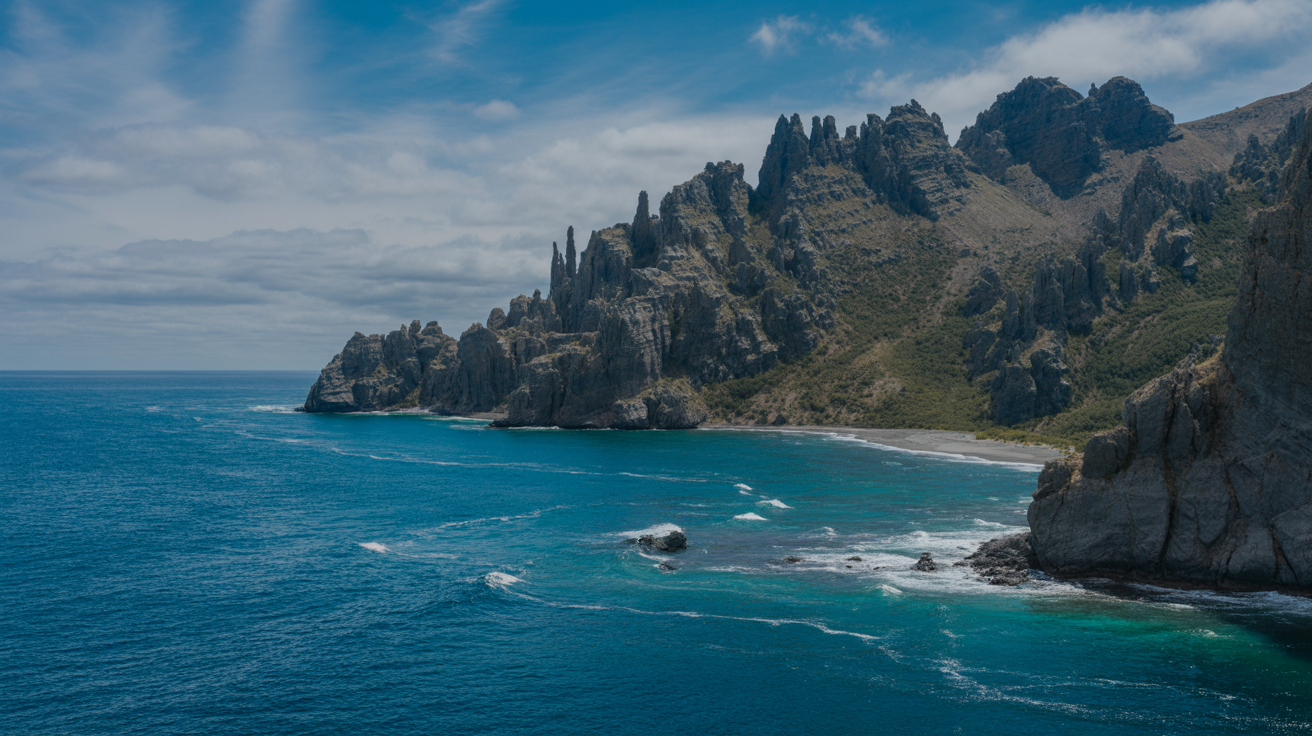
Rocky intertidal and subtidal zones of the northeastern Pacific Ocean
Conservation
The Sea lemon nudibranch is currently classified as Least Concern on the IUCN Red List.
Threats & challenges
Currently, Doris montereyensis is not considered threatened and is classified as Least Concern. However, localized threats include habitat degradation from coastal development, pollution (especially from oil spills and heavy metals), and climate change, which may alter sponge community composition and availability. Ocean acidification and warming can impact both nudibranchs and their prey. Collection for scientific study or the aquarium trade is minimal and not considered a significant threat. Population trends appear stable, but long-term monitoring is limited.
Taxonomy
Scientific name
Doris montereyensis
- Kingdom
- Animalia
- Phylum
- Mollusca
- Class
- Gastropoda
- Order
- Nudibranchia
- Family
- Dorididae
- Genus
- Doris
- Species
- montereyensis
Community notes
Share your observations about the Sea lemon nudibranch.
No community notes yet. Be the first!
Discover more wildlife
More fascinating animals from the encyclopedia.