
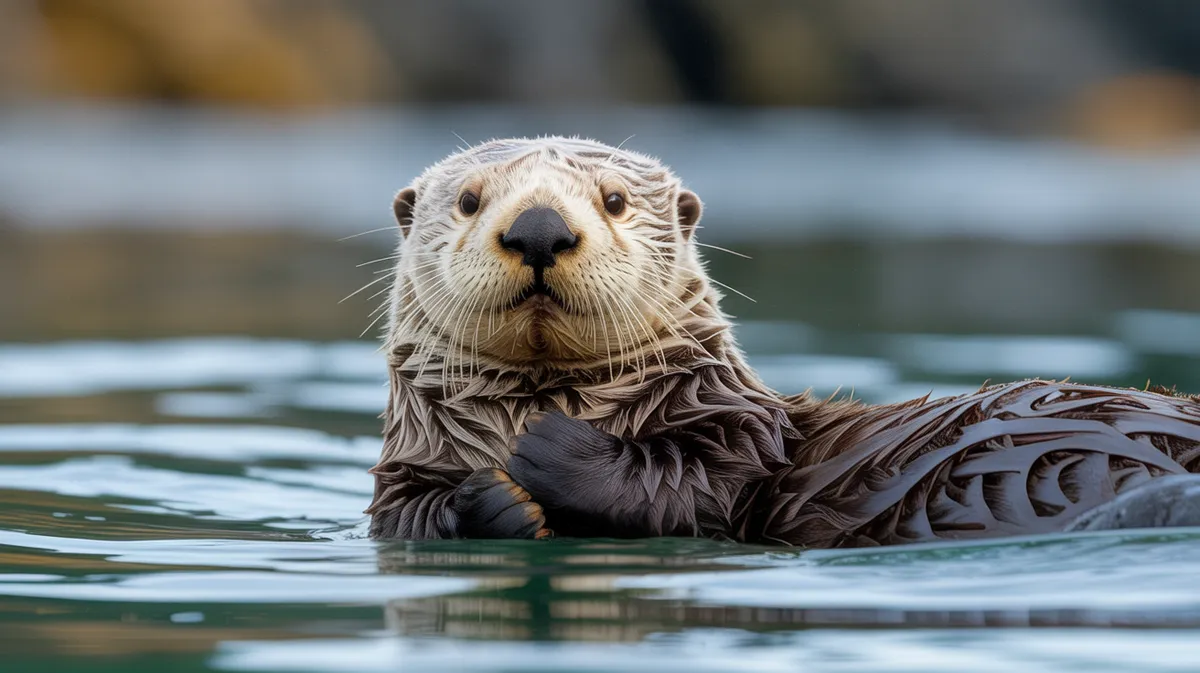
About the Sea Otter
The sea otter (Enhydra lutris) is a marine mammal native to the coastal regions of the northern and eastern North Pacific Ocean. Notably, it is one of the few marine mammals capable of using tools, employing rocks to break open shellfish, which forms a significant part of its diet. Weighing between 14 and 45 kilograms, sea otters are the heaviest members of the weasel family, yet they are the smallest marine mammals. Their dense fur, with up to a million hair follicles per square inch, provides insulation in cold waters, a necessity given their lack of blubber. Unlike most marine mammals, sea otters rely on their exceptional fur for warmth, which requires constant grooming to maintain its insulating properties. They often wrap themselves in kelp to anchor themselves against currents while resting. The species is divided into three subspecies, with the southern sea otter (E. l. nereis) found along the central California coast, demonstrating the greatest vulnerability due to its limited range.
Fascinating facts
Dense Fur
Sea otters have the densest fur of any animal, with up to a million hairs per square inch, which keeps them warm in cold ocean waters.
Tool Use
They are one of the few non-primate mammals known to use tools, often using rocks to crack open shellfish and crustaceans.
Keystone Species
Sea otters are considered a keystone species because they help maintain the balance of kelp forest ecosystems by preying on sea urchins.
Detailed description
The sea otter (Enhydra lutris) is a highly specialized marine mammal distinguished by its robust, streamlined body, short tail, and webbed hind feet that function as powerful flippers. Adult males typically weigh between 22 and 45 kg (49–99 lbs), while females range from 14 to 33 kg (31–73 lbs), with body lengths from 1.2 to 1.5 meters (4–5 ft). Their fur, the densest of any mammal, contains up to 150,000 hairs per square centimeter, providing critical insulation in cold Pacific waters. Sea otters possess dexterous forepaws with retractable claws and sensitive pads, enabling them to manipulate prey and tools with remarkable precision. They are primarily diurnal, spending much of their time foraging, grooming, and resting in coastal kelp forests or rocky reefs. Social structure varies by sex and age: females and pups often form loose groups called 'rafts,' while adult males may be solitary or form bachelor groups. Sea otters are known for their intelligence and use of tools, commonly employing rocks or other hard objects to break open shellfish. Reproduction is characterized by a prolonged maternal investment, with pups born highly dependent and carried on their mother's chest for several months. Their ecological role as keystone predators is vital for maintaining kelp forest health by regulating populations of herbivorous invertebrates such as sea urchins.
Did you know?
Sea otters have the densest fur of any animal, with as many as one million hairs per square inch.
Research & sources
Wikipedia summary
The sea otter is a marine mammal native to the coasts of the northern and eastern North Pacific Ocean. Adult sea otters typically weigh between 14 and 45 kg, making them the heaviest members of the weasel family, but among the smallest marine mammals. Unlike most marine mammals, the sea otter's primary form of insulation is an exceptionally thick coat of fur, the densest in the animal kingdom. Although it can walk on land, the sea otter is capable of living exclusively in the ocean.
Behaviour & social structure
Sea otters are highly active foragers, typically hunting for 3–6 hours daily, with peak activity at dawn and dusk. They dive to depths of up to 40 meters (131 ft), though most foraging occurs in shallower waters. Their diet is diverse, including sea urchins, crabs, abalone, clams, snails, and various fish, with individual otters often specializing in particular prey types. They exhibit sophisticated foraging techniques, such as using rocks as anvils or hammers to open hard-shelled prey, and storing tools and food in loose skin folds under their forearms. Socially, sea otters communicate through vocalizations, body postures, and tactile interactions. Female otters with pups often form rafts of up to 50 individuals, while male rafts can be even larger. Grooming is a critical daily activity, as otters meticulously clean and aerate their fur to maintain its insulating properties. Resting otters frequently wrap themselves in kelp to anchor against currents.
Reproduction & life cycle
Sea otters exhibit polygynous mating behavior, with males establishing territories that overlap with the ranges of multiple females. Breeding occurs year-round but peaks between May and June in northern populations. After a gestation period of approximately 6 months, which may include delayed implantation, females give birth to a single pup (rarely twins). Pups are born with a dense, woolly natal coat and are unable to dive for several weeks. Maternal care is intensive: mothers nurse, groom, and carry their pups for 5–8 months, teaching them foraging skills before weaning. Sexual maturity is reached at 3–5 years, and females typically reproduce every 1–2 years. High pup mortality rates are common, influenced by predation, food availability, and environmental conditions.
Adaptations & survival
Sea otters are uniquely adapted to a fully aquatic lifestyle. Their dense, water-repellent fur traps air for insulation, compensating for the absence of blubber. Large lungs and a high metabolic rate (2–3 times that of terrestrial mammals of similar size) support extended dives and thermoregulation. Their hind limbs are flattened and webbed for efficient swimming, while forepaws are highly dexterous for manipulating prey and tools. Sea otters possess specialized dentition for crushing hard-shelled invertebrates. Behavioral adaptations include tool use, meticulous grooming, and the ability to anchor themselves in kelp to prevent drifting. Their role as keystone predators helps maintain the balance of kelp forest ecosystems by controlling populations of sea urchins and other herbivores.
Cultural significance
Sea otters hold significant cultural value for Indigenous peoples of the North Pacific, featuring in traditional stories, art, and as a resource for fur and meat. In modern times, they are symbols of marine conservation and ecological restoration, often featured in public aquaria and educational programs. The sea otter’s playful behavior and tool use have made it an emblem of animal intelligence and adaptability. Historically, their pelts were highly prized in the fur trade, shaping economic and colonial histories along the Pacific Rim.
Recent research
Recent research has focused on sea otter ecological roles as keystone predators, particularly their influence on kelp forest resilience and biodiversity. Studies have documented their positive impact on carbon sequestration by promoting kelp growth. Ongoing research addresses disease transmission dynamics, especially the impact of land-based pathogens entering marine systems. Genetic studies have revealed population structure and recovery patterns, informing conservation management. Innovative tracking and health monitoring techniques, such as satellite telemetry and non-invasive sampling, are enhancing understanding of otter movement, habitat use, and health threats. The species is also a model for studying tool use and social learning in non-primate mammals.
Sources
Enhydra lutris (Sea Otter) – The IUCN Red List of Threatened Species
Doroff, A. & Burdin, A. (2021)
scientificSea Otters: Keystone Predators in the Kelp Forest Ecosystem
Estes, J.A. & Duggins, D.O. (1995)
scientificVideos
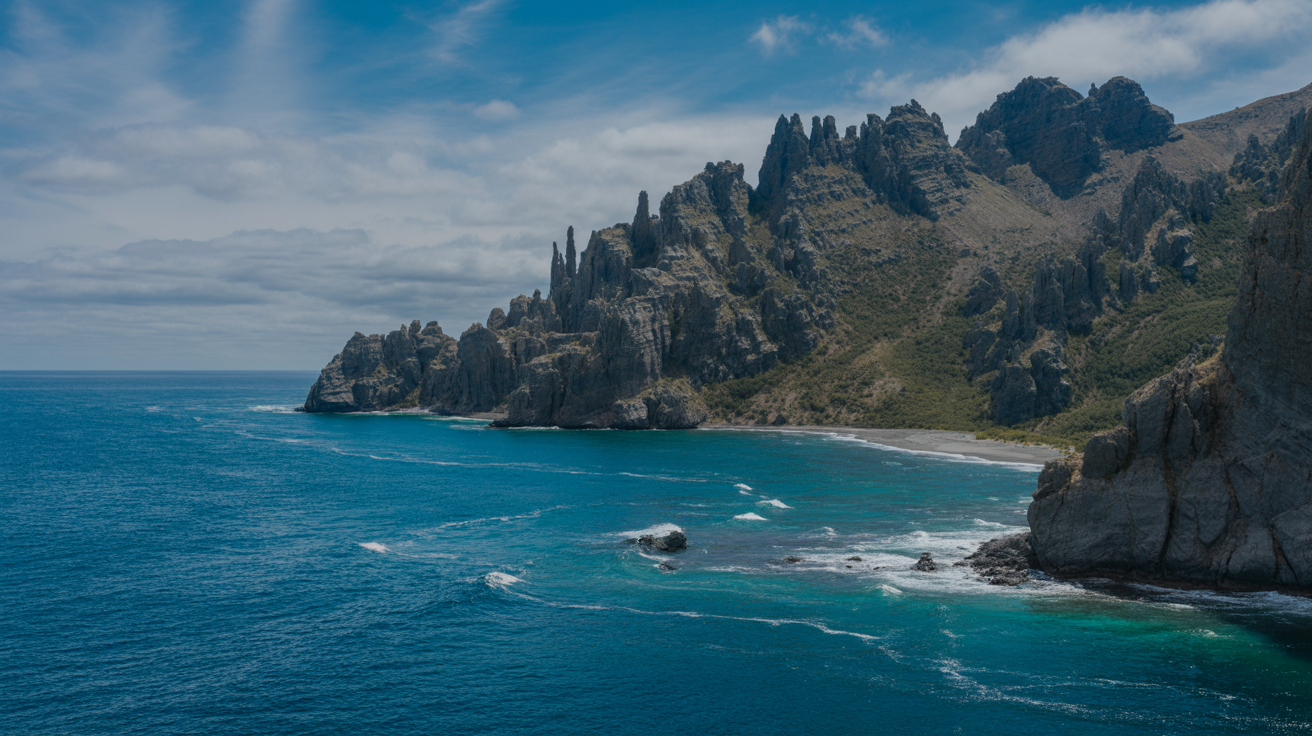
Habitat
Coastal kelp forests and rocky shores
Conservation
The Sea Otter is currently classified as Endangered on the IUCN Red List.
Threats & challenges
Sea otters face numerous threats, both historical and contemporary. Intense fur trade hunting in the 18th and 19th centuries reduced populations from an estimated 150,000–300,000 to near extinction by the early 20th century. While some populations have rebounded due to legal protection, threats persist: oil spills (notably the 1989 Exxon Valdez spill), entanglement in fishing gear, infectious diseases (e.g., Toxoplasma gondii, Sarcocystis neurona), predation by orcas and sharks, and habitat degradation. Climate change and ocean acidification may further impact prey availability and ecosystem stability. Population trends vary regionally: while Alaskan populations have stabilized or declined, California and Russian populations remain vulnerable. The IUCN lists the species as Endangered, with the southern sea otter (E. l. nereis) considered especially at risk.
Taxonomy
Scientific name
Enhydra lutris
- Kingdom
- Animalia
- Phylum
- Chordata
- Class
- Mammalia
- Order
- Carnivora
- Family
- Mustelidae
- Genus
- Enhydra
- Species
- lutris
Where to see a sea otter
10 zoos and aquariums in 2 countries are recorded as keeping this species.
 Georgia Aquarium🇺🇸 Atlanta, United States
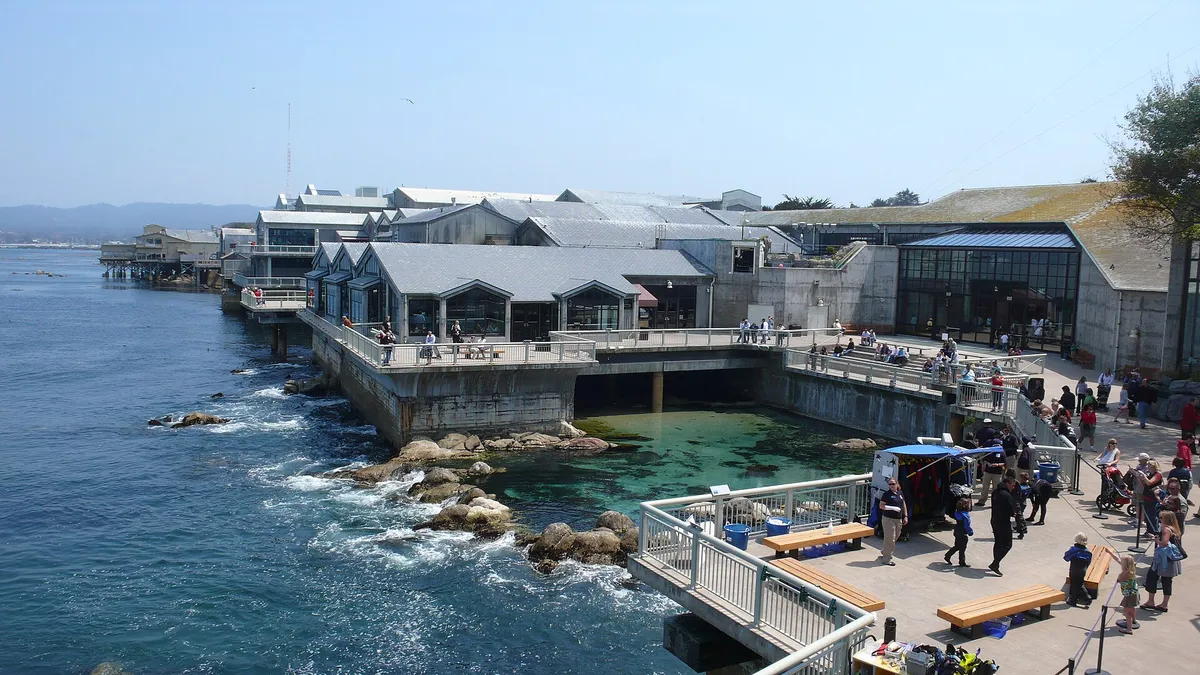 Monterey Bay Aquarium🇺🇸 Monterey, United States
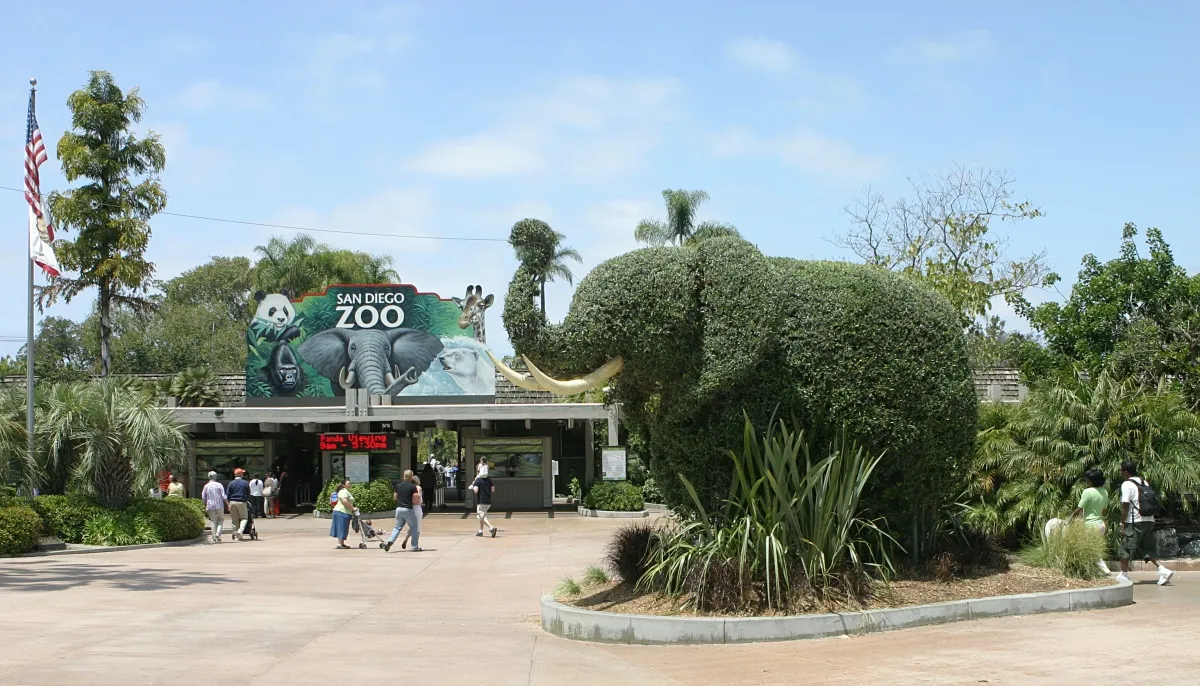 San Diego Zoo🇺🇸 San Diego, United States
 Vancouver Aquarium🇨🇦 Vancouver, Canada
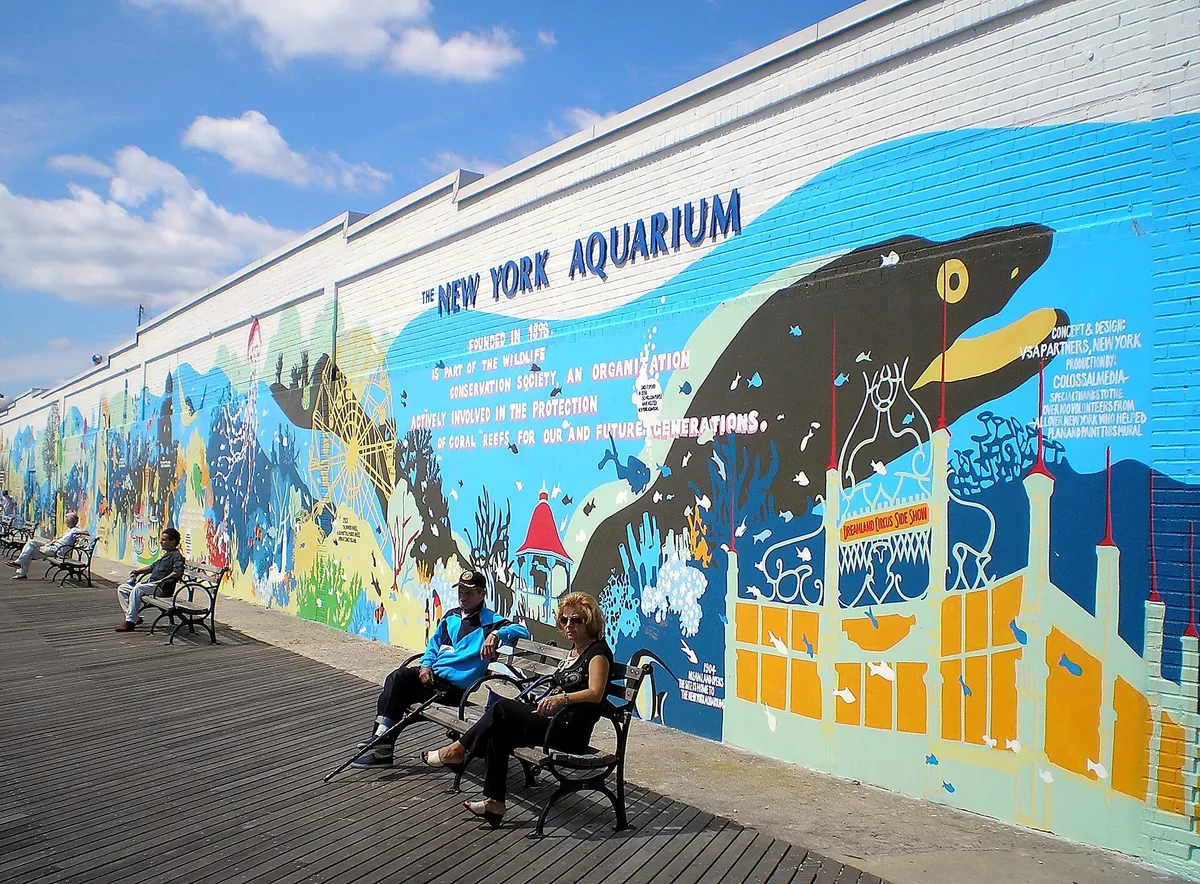 New York Aquarium🇺🇸 Brooklyn, United States
Community notes
Share your observations about the Sea Otter.
No community notes yet. Be the first!
Discover more wildlife
More fascinating animals from the encyclopedia.