
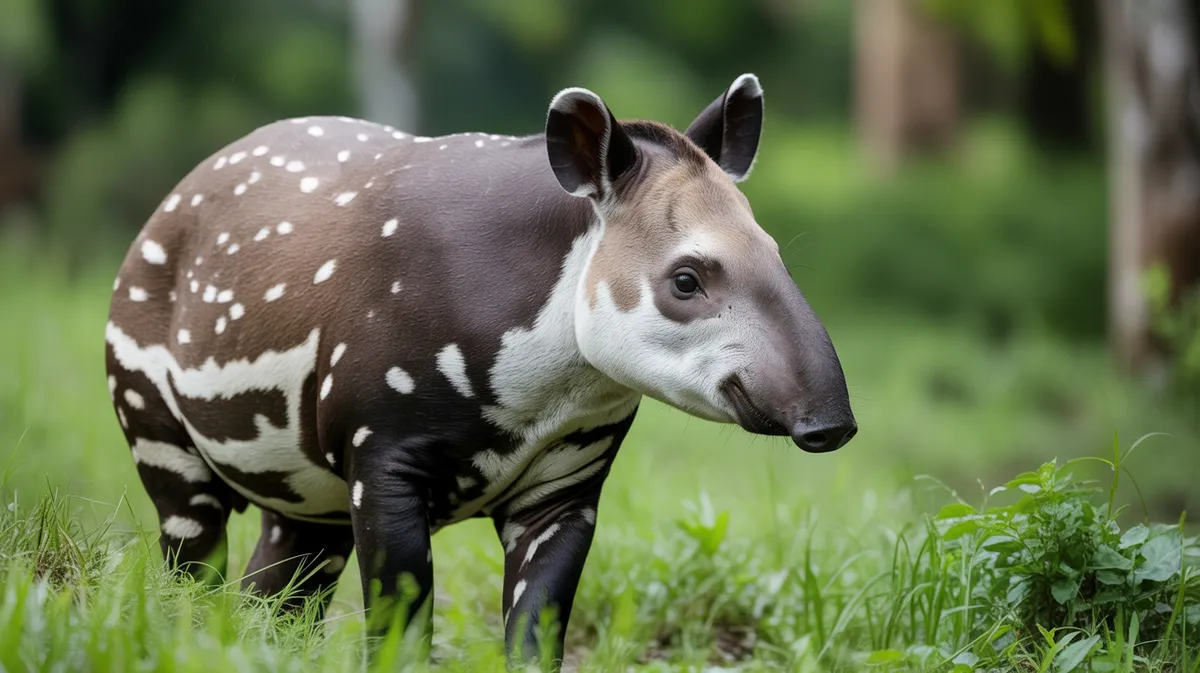
About the South American Tapir
The tapir looks like a pig crossed with an anteater and is closely related to neither. Its nearest living relatives are horses and rhinoceroses — all odd-toed ungulates — and the lineage is so ancient and so little altered that tapirs are routinely called living fossils. The short trunk is a genuine proboscis formed from the nose and upper lip, prehensile enough to grip leaves and strip branches, and it doubles as a snorkel: tapirs are strong swimmers, take to water readily to escape jaguars, and will walk along the bottom of a riverbed to feed. Ecologically it may be the most important animal in the forest that nobody discusses. It swallows large fruits whole and deposits the seeds intact, kilometres away, which makes it one of the last surviving megafauna capable of moving big seeds through Amazonia — a job once shared with giant sloths and gomphotheres that are long gone. Calves are born strikingly striped and spotted, camouflage for the dappled forest floor, and lose the pattern within months.
Fascinating facts
Seed Disperser
South American Tapirs play an essential role in their ecosystem by dispersing seeds from the fruits and plants they consume, promoting forest regeneration.
Distinctive Young
Tapir calves are born with unique white stripes and spots that fade as they mature, helping them blend into the forest floor and avoid predators.
Strong Swimmer
These tapirs are adept swimmers and will often submerge themselves in rivers or lakes to cool off, find food, or escape threats.
Detailed description
The South American tapir (Tapirus terrestris) is a robust, barrel-shaped mammal, typically measuring 1.8 to 2.5 meters in length and weighing between 150 and 300 kilograms, with some individuals reaching up to 320 kilograms. Its most distinctive feature is a flexible, prehensile proboscis formed by the upper lip and nose, which is highly adapted for grasping foliage and aquatic plants. The tapir's skin is thick and tough, often dark brown to grayish, providing protection from predators and underbrush; a short, erect mane runs along the nape. Its limbs are strong and end in splayed toes—four on the front feet and three on the hind—allowing it to move efficiently through muddy and soft terrain. Primarily crepuscular and nocturnal, the tapir is solitary except during mating or when a mother is accompanied by her calf. It is an excellent swimmer and frequently takes to water to escape predators or to feed on aquatic vegetation. Tapirs have a keen sense of smell and hearing, compensating for relatively poor eyesight. Their digestive system is adapted for processing fibrous plant material, and they play a crucial role as seed dispersers in their ecosystems. Lifespan in the wild is estimated at 25 to 30 years, though predation and human threats may reduce this.
Did you know?
Despite their bulky appearance, South American Tapirs can run surprisingly fast and are agile in dense forest undergrowth.
Research & sources
Wikipedia summary
The South American tapir, also commonly called the Brazilian tapir, the Amazonian tapir, the maned tapir, the lowland tapir, anta, and la sachavaca, is one of the four recognized species in the tapir family. It is the largest surviving native terrestrial mammal in the Amazon.
Behaviour & social structure
South American tapirs are generally solitary and highly territorial, marking their ranges with urine and feces. They are most active during twilight and nighttime hours, foraging for a wide variety of plant materials including leaves, twigs, fruits, seeds, and aquatic plants. Tapirs follow established trails through dense vegetation and are known to create tunnels in the undergrowth. They are adept swimmers, often submerging themselves to cool off, avoid insects, or escape predators such as jaguars and pumas. Communication is primarily through high-pitched whistles, squeals, and snorts, which serve to warn others or signal distress. Tapirs exhibit a 'flehmen response'—curling back the lips to analyze scents, especially during mating season. Social interactions are limited, with the exception of mother-calf pairs and brief encounters during breeding. They spend much of their day resting in dense cover and emerge at dusk to feed, often traveling several kilometers in a single night.
Reproduction & life cycle
Breeding in South American tapirs is not strongly seasonal, although some populations show peaks in births during the rainy season, likely due to increased food availability. Courtship involves vocalizations and scent marking; males may follow females for several days before mating occurs. Gestation lasts approximately 13 months (about 390–400 days), after which a single calf is born. Newborn calves weigh 6–9 kilograms and are characterized by distinctive white stripes and spots, providing camouflage in dappled forest light. Calves are precocial, able to stand and follow the mother within hours of birth. They are weaned at 6–8 months but may remain with the mother for up to a year. Sexual maturity is typically reached at 3–4 years. Parental care is provided exclusively by the mother, who is highly protective and will aggressively defend her calf from threats.
Adaptations & survival
The South American tapir exhibits several notable adaptations for survival in its environment. Its prehensile snout acts like a short trunk, allowing it to grasp and manipulate a wide variety of vegetation, including plants growing in water or on high branches. The tapir's thick, tough skin protects it from thorns, insect bites, and predator attacks. Its splayed toes and flexible feet provide excellent traction in muddy, swampy, or flooded areas, facilitating movement through diverse habitats. Tapirs are strong swimmers and can remain submerged for several minutes, using water as both a refuge from predators and a source of food. Their cryptic coloration and nocturnal habits help them avoid detection by predators. Additionally, their digestive system is highly efficient at breaking down fibrous plant material, and their large home ranges enable them to disperse seeds over wide areas, contributing to forest regeneration.
Cultural significance
The South American tapir holds significant cultural value among indigenous peoples, who often regard it as a symbol of fertility, strength, and forest spirits. In Amazonian folklore, the tapir is sometimes seen as a guardian of the forest or a bringer of rain. Its meat and hide have been traditionally used for food and clothing, though such practices are declining. The tapir features in local myths and stories, sometimes depicted as a trickster or a wise animal. Conservation programs increasingly incorporate traditional ecological knowledge and community involvement, recognizing the tapir's role in local culture and ecosystem health.
Recent research
Recent research on Tapirus terrestris has focused on its ecological role as a keystone species, particularly its impact on seed dispersal and forest composition. Genetic studies have revealed significant population structure and gene flow barriers caused by habitat fragmentation. Camera trap surveys and GPS telemetry have improved understanding of tapir movement patterns, habitat use, and responses to human disturbance. Studies on tapir diet using DNA metabarcoding have highlighted their importance in maintaining plant diversity. Ongoing research is exploring the effects of climate change on tapir distribution and the efficacy of wildlife corridors in promoting population connectivity. Conservation genetics is also being employed to inform management strategies for isolated populations.
Sources
Tapirus terrestris (South American Tapir): Ecology, Behavior, and Conservation
Varela, D. et al. (IUCN SSC Tapir Specialist Group) (2019)
scientificEcology and Conservation of the Lowland Tapir (Tapirus terrestris) in the Brazilian Atlantic Forest
Medici, E.P. (2011)
scientificVideos
Habitat
Tropical and subtropical forests, grasslands, swamps, and riverbanks
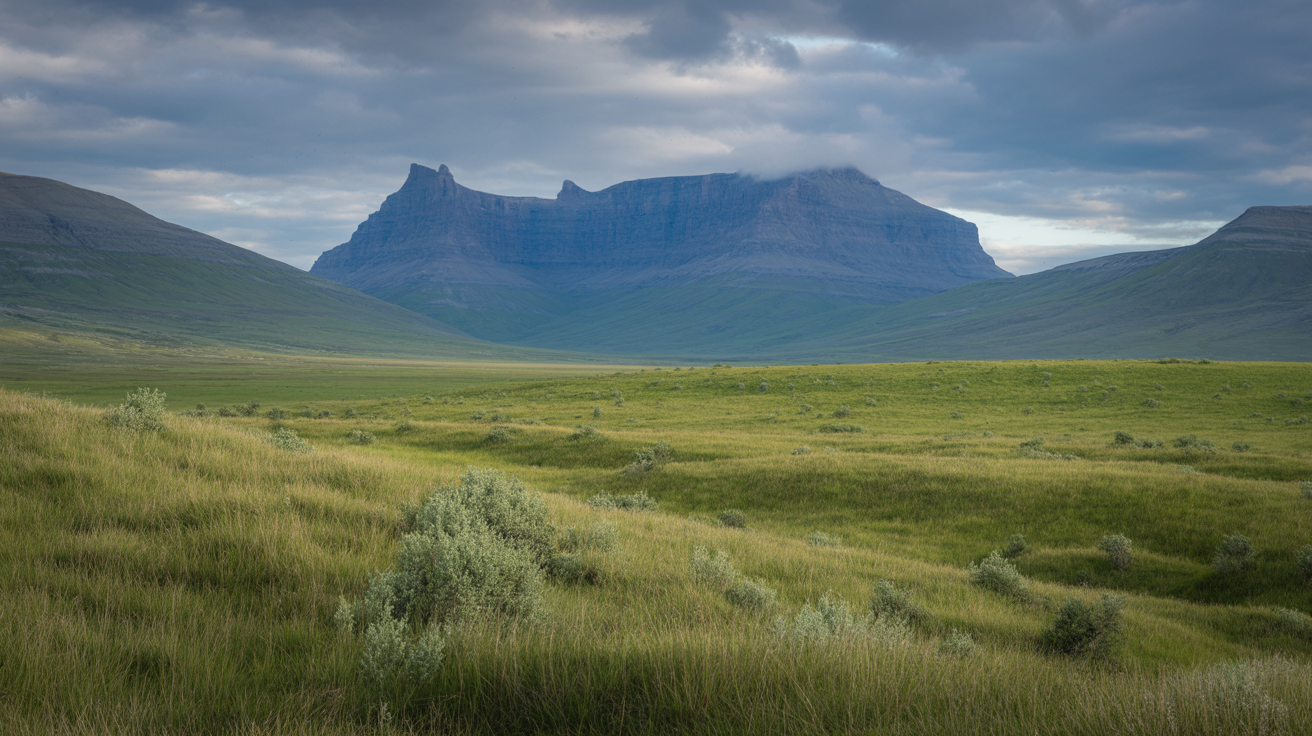 Various Continental Regions
Grassland
Open areas dominated by grasses rather than trees, supporting numerous herbivores and their predators.
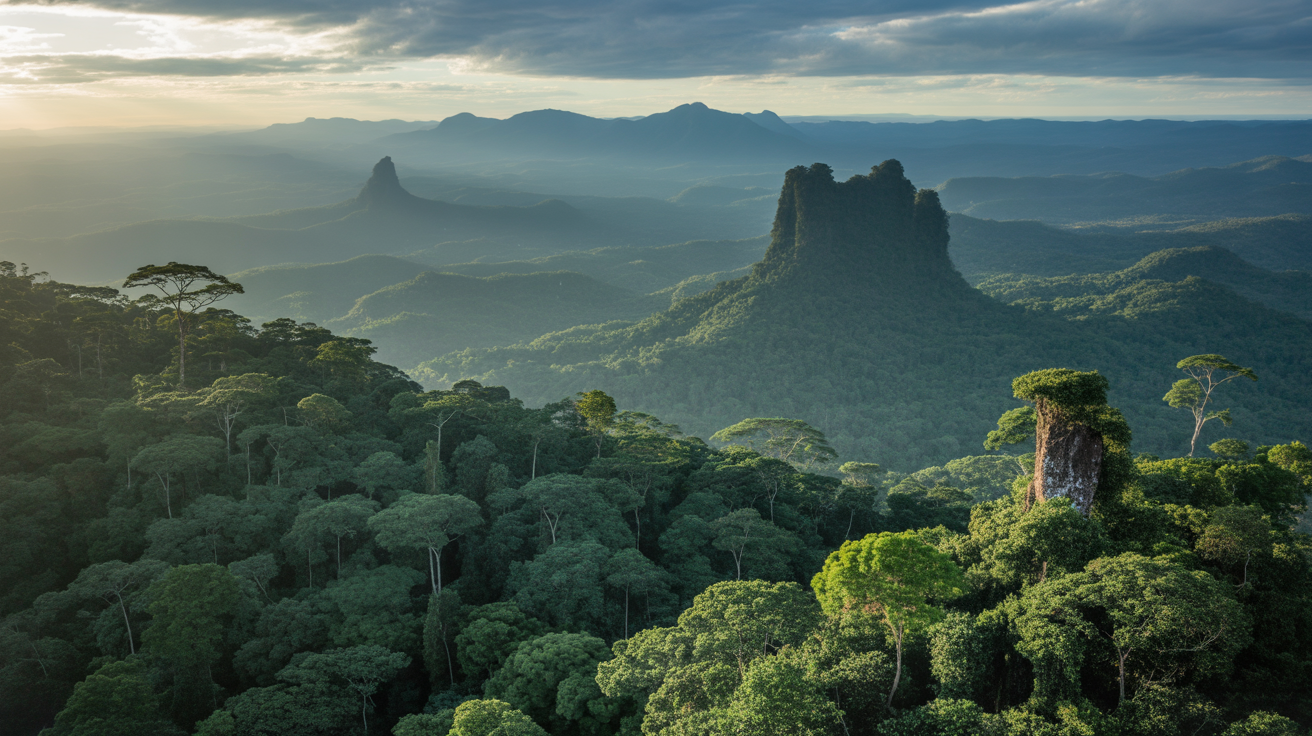 Tropical Regions
Rainforest
Dense, wet forests with the highest biodiversity on Earth, containing more than half of the world's plant and animal species.
 Global
Forest
Wooded areas with significant tree cover and diverse plant and animal communities.
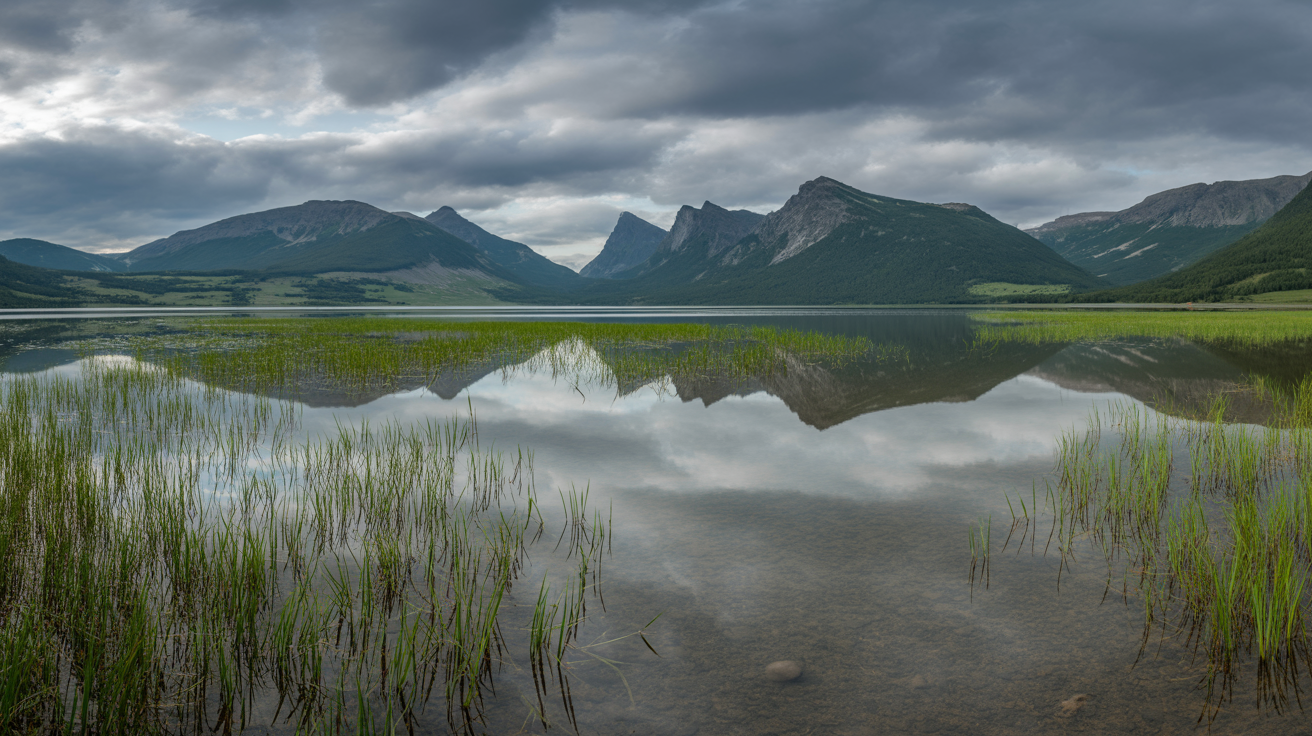 Global
Freshwater
Lakes, rivers, and wetlands with diverse aquatic ecosystems.
Conservation
The South American Tapir is currently classified as Vulnerable on the IUCN Red List.
Threats & challenges
The primary threats to the South American tapir are habitat loss and fragmentation due to deforestation, agricultural expansion, and infrastructure development, particularly in the Amazon and Atlantic Forest regions. Hunting for meat and hide, as well as persecution due to crop raiding, further reduce populations. Tapirs are also vulnerable to roadkill and diseases transmitted from domestic livestock. Population trends are declining, with local extinctions reported in parts of Argentina and southern Brazil. Their low reproductive rate and large home range requirements make recovery difficult once populations are depleted. Conservation challenges include enforcing anti-poaching laws, maintaining habitat connectivity, and mitigating human-wildlife conflict. Climate change poses an emerging threat by altering habitat structure and food availability.
Taxonomy
Scientific name
Tapirus terrestris
- Kingdom
- Animalia
- Phylum
- Chordata
- Class
- Mammalia
- Order
- Perissodactyla
- Family
- Tapiridae
- Genus
- Tapirus
- Species
- terrestris
Where to see a south american tapir
13 zoos and aquariums in 7 countries are recorded as keeping this species.
 Newquay Zoo🇬🇧 Newquay, United Kingdom
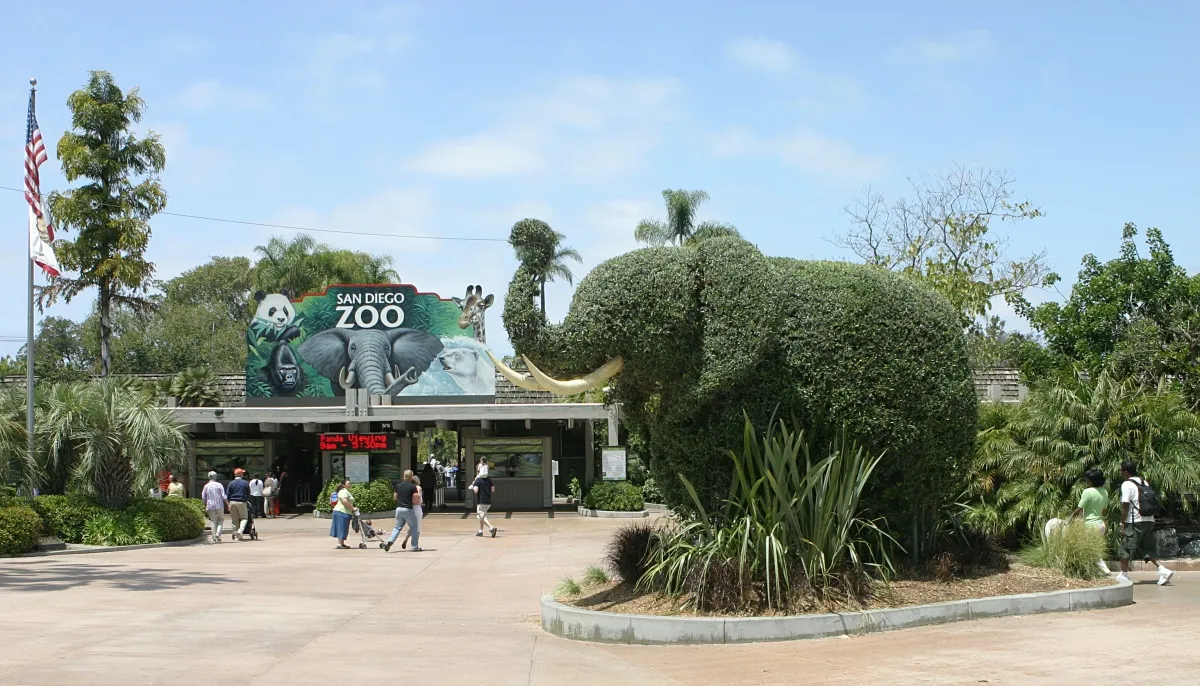 San Diego Zoo🇺🇸 San Diego, United States
 Blackpool Zoo🇬🇧 Blackpool, United Kingdom
 Marwell Zoo🇬🇧 Winchester, United Kingdom
 Metro Richmond Zoo🇺🇸 Moseley, United States
Community notes
Share your observations about the South American Tapir.
No community notes yet. Be the first!
Discover more wildlife
More fascinating animals from the encyclopedia.