
About the Spotted Python
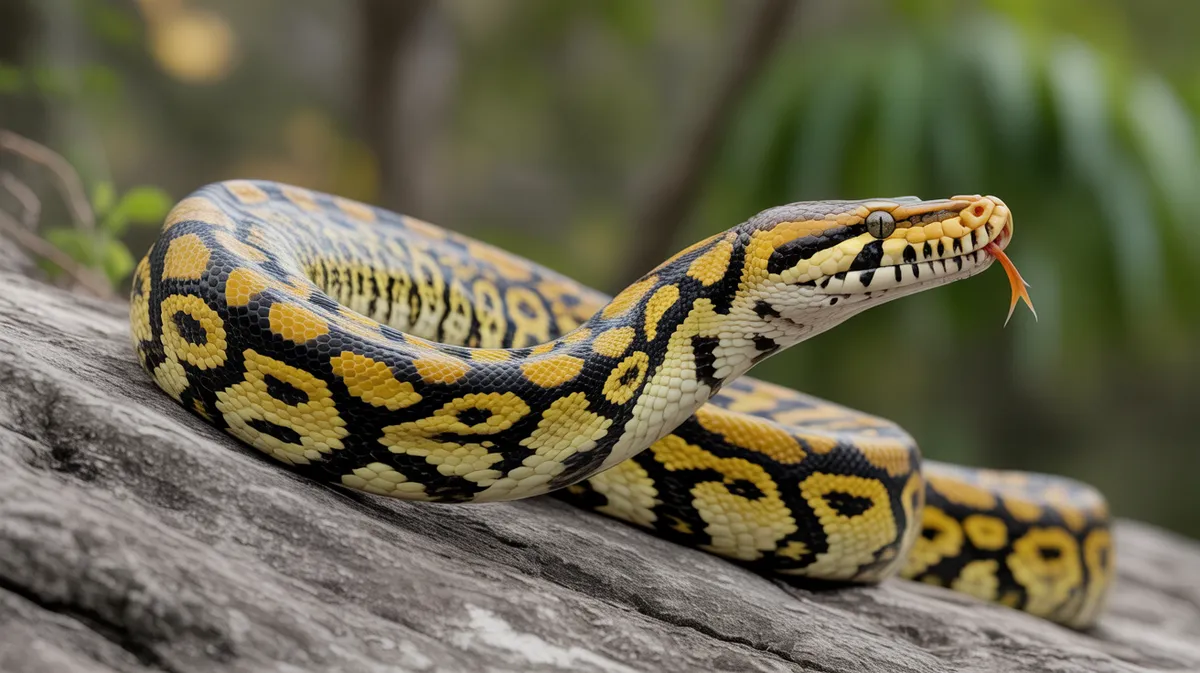
The Spotted Python is a small to medium-sized non-venomous snake native to Australia, particularly found in the northeastern regions. Distinguished by its slender body and beautiful pattern of dark brown to black spots on a lighter tan or gray background, this python is an adept climber and is often seen in rocky outcrops or woodlands. It is known for its docile temperament and is a popular species in the reptile pet trade. In the wild, Spotted Pythons are primarily nocturnal, using their keen senses to hunt for small prey at night.
Fascinating facts
Small Python
The Spotted Python typically grows to only 60–100 cm (2–3.3 ft) in length, making it much smaller than most other python species.
Nocturnal Hunter
This species is primarily active at night, using heat-sensing pits along its jaws to locate warm-blooded prey in the dark.
Rocky Dwellings
Spotted Pythons are often found in rocky outcrops and escarpments, taking shelter in crevices, caves, or hollow logs.
Detailed description
The Spotted Python (Antaresia maculosa) is a small to medium-sized python, with adults typically reaching lengths of 90–120 cm (35–47 in), though some individuals may approach 140 cm (55 in). Its slender body is covered in a series of dark brown to black blotches or spots on a pale tan, cream, or grey background, providing effective camouflage among rocky substrates and leaf litter. The head is slightly distinct from the neck, with large, symmetrical head scales and heat-sensing pits along the upper and lower labial scales, aiding in the detection of warm-blooded prey. The eyes are relatively large with vertical pupils, an adaptation for nocturnal activity. The ventral surface is usually lighter, often cream or yellowish. Spotted Pythons are agile climbers, using their prehensile tails and muscular bodies to navigate rocks, trees, and crevices. They are primarily nocturnal and secretive, spending daylight hours hidden in rock fissures, hollow logs, or burrows. This species exhibits solitary behavior outside of the breeding season. In captivity, they are known for their calm demeanor and adaptability, contributing to their popularity in the pet trade. Their lifespan in the wild is estimated at 10–15 years, but individuals in captivity may live over 20 years with proper care.
Did you know?
Despite being called a 'python,' the Spotted Python rarely exceeds 1 meter in length, making it one of the smallest pythons in the world.
Research & sources
Wikipedia summary
The spotted python, eastern small-blotched python, or eastern Children's python is a python species found in northern Australia and New Guinea. It is a popular pet among Australian reptile enthusiasts and other reptile enthusiasts abroad due to its small size and even temperament. No subspecies were originally recognized. However, two subspecies were recognized as of 2020; A. m. maculosa and A. m. peninsularis.
Behaviour & social structure
Spotted Pythons are predominantly nocturnal, emerging at dusk to hunt and explore their environment. They are ambush predators, often lying in wait near crevices or rodent burrows to capture prey. Their diet in the wild consists mainly of small mammals (such as microbats, rodents, and occasionally birds and reptiles), which they subdue via constriction. Notably, in some regions, they specialize in hunting microbats by positioning themselves at cave entrances and snatching bats mid-flight. These pythons are generally solitary, except during the breeding season or when multiple individuals are drawn to abundant food sources. They exhibit minimal aggression towards conspecifics outside of competition for mates. During the day, they seek shelter in cool, humid microhabitats to avoid desiccation and predators. In captivity, they display a calm temperament, rarely biting when handled, and readily accept a variety of prey.
Reproduction & life cycle
Spotted Pythons are oviparous, with breeding typically occurring during the late dry season (May–August) in Australia. Males may engage in combat for access to receptive females, though such interactions are less intense than in larger python species. After successful mating, females undergo a gestation period of 30–50 days before laying clutches of 5–20 eggs, depending on her size and condition. Eggs are deposited in secure, humid locations such as under rocks or within hollow logs. Females exhibit maternal care by coiling around the eggs and shivering to generate heat, maintaining optimal incubation temperatures of 28–32°C (82–90°F). Incubation lasts approximately 50–65 days, after which hatchlings emerge at 20–25 cm (8–10 in) in length. Neonates are independent from birth and receive no further parental care.
Adaptations & survival
Antaresia maculosa possesses several adaptations for survival in its varied habitats. Its cryptic coloration provides camouflage among rocks and leaf litter, reducing predation risk. The presence of heat-sensitive pits allows detection of endothermic prey in complete darkness. Their slender, muscular bodies and prehensile tails facilitate climbing and navigating narrow crevices. Behavioral thermoregulation is evident, as individuals actively seek microhabitats with suitable temperature and humidity. The ability to go extended periods without food enables survival during resource-scarce periods. Additionally, their tolerance for a range of environmental conditions, from humid forests to arid rocky outcrops, reflects ecological flexibility.
Cultural significance
While not as prominent in Aboriginal mythology as larger python species, the Spotted Python is sometimes referenced in local stories as a benign and helpful animal, particularly due to its role in controlling rodent populations. In modern culture, it is highly valued in the reptile hobbyist community for its manageable size, attractive appearance, and docile nature. There are no known traditional medicinal or utilitarian uses. Its popularity as a pet has contributed to increased public awareness and appreciation of native Australian reptiles.
Recent research
Recent genetic studies have clarified the taxonomy of Antaresia maculosa, leading to the recognition of two subspecies: A. m. maculosa (eastern populations) and A. m. peninsularis (Cape York Peninsula populations), based on morphological and genetic divergence. Ongoing research focuses on their ecological role as bat predators, with studies documenting their unique hunting strategies at cave entrances. Population genetics and phylogeography are active areas of study, providing insights into historical biogeography and speciation within the genus Antaresia. Captive breeding programs have contributed to understanding reproductive physiology and husbandry requirements, informing both conservation and the pet trade.
Sources
Snake Species of the World: A Taxonomic and Geographic Reference, vol. 1
McDiarmid, R.W., J.A. Campbell & T. Touré (1999)
scientificA taxonomic revision of the genus Antaresia Wells & Wellington (Squamata: Pythonidae) in Australia
Wilson, S. & Swan, G. (2020)
scientificVideos
Habitat
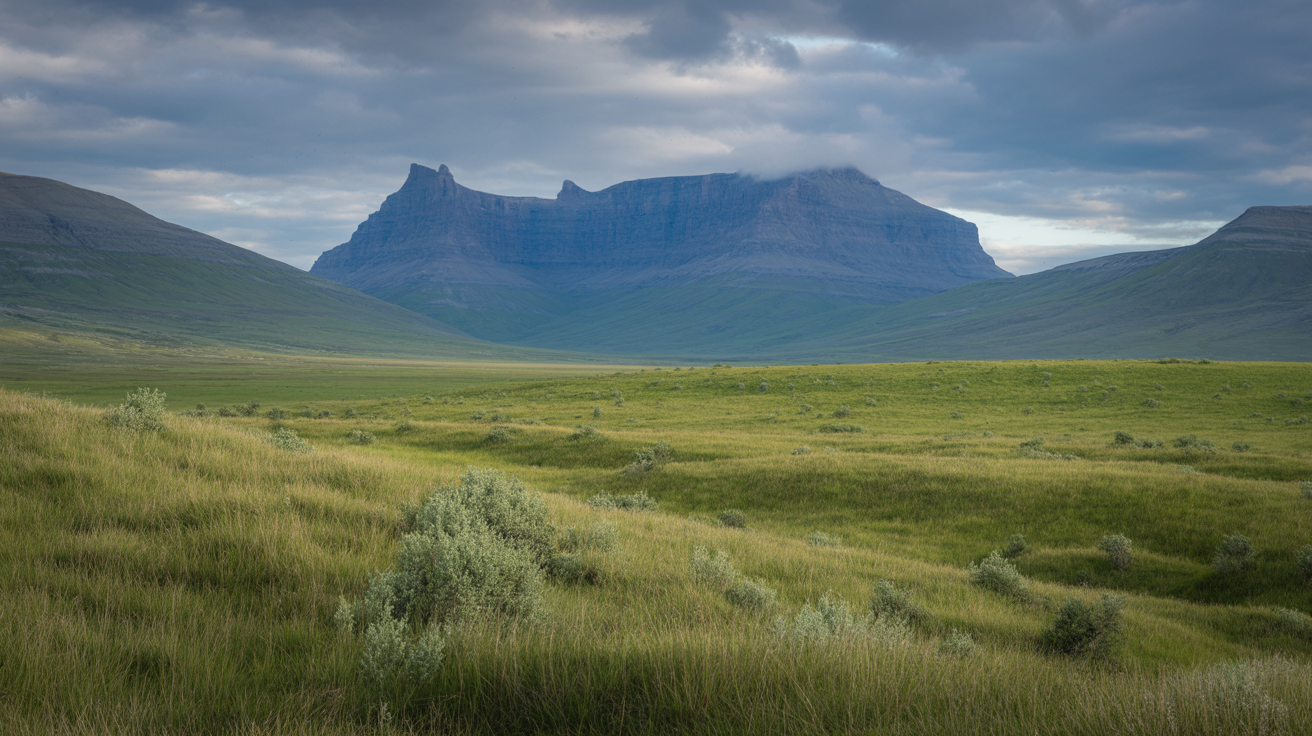
Rocky outcrops, forests, and woodlands
 Various Continental Regions
Grassland
Open areas dominated by grasses rather than trees, supporting numerous herbivores and their predators.
 Elevated Terrain
Mountain
High-altitude environments with varying climates and specialized wildlife adapted to rugged terrain and thin air.
 Global
Forest
Wooded areas with significant tree cover and diverse plant and animal communities.
Conservation
The Spotted Python is currently classified as Least Concern on the IUCN Red List.
Threats & challenges
Currently, the Spotted Python is classified as Least Concern by the IUCN, with stable populations across its range. However, localized threats include habitat destruction due to land clearing, mining, and urban development. Road mortality and predation by introduced species (such as feral cats and foxes) may impact some populations. Collection for the pet trade is regulated in Australia and does not currently pose a significant threat. Climate change, with its potential to alter habitat suitability and prey availability, represents a future concern. Ongoing monitoring is necessary to detect any emerging threats or population declines.
Taxonomy
Scientific name
Antaresia maculosa
- Kingdom
- Animalia
- Phylum
- Chordata
- Class
- Reptilia
- Order
- Squamata
- Family
- Pythonidae
- Genus
- Antaresia
- Species
- maculosa
Where to see a spotted python
2 zoos and aquariums in 1 country are recorded as keeping this species.

Community notes
Share your observations about the Spotted Python.
No community notes yet. Be the first!
Discover more wildlife
More fascinating animals from the encyclopedia.