
About the Superb Parrot
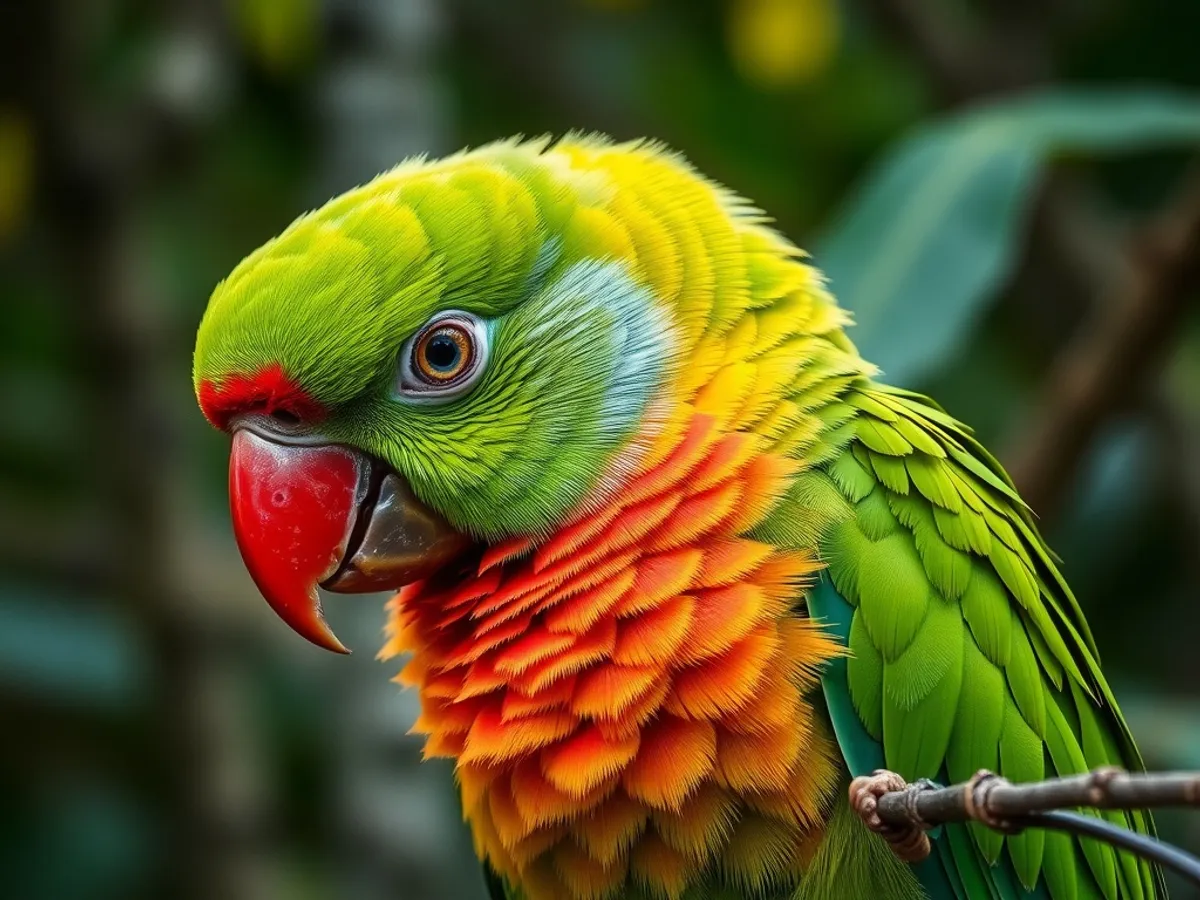
The Superb Parrot, also known as the Barraband Parrot, is a strikingly beautiful medium-sized parrot native to southeastern Australia. Males are easily recognized by their vivid green plumage, yellow face and throat, and distinct red band across the upper chest, while females are more subdued in color with a greenish-yellow face. These parrots are highly social, often seen in small flocks, and are known for their swift, graceful flight. Superb Parrots inhabit riverine forests and woodlands, particularly favoring areas with abundant eucalyptus trees. They are valued for their gentle nature and are sometimes kept as aviary birds due to their calm temperament and vocalizations.
Fascinating facts
Bright Plumage
Male Superb Parrots display vibrant green, yellow, and red plumage, making them one of the most colorful parrots in their range.
Habitat Specialists
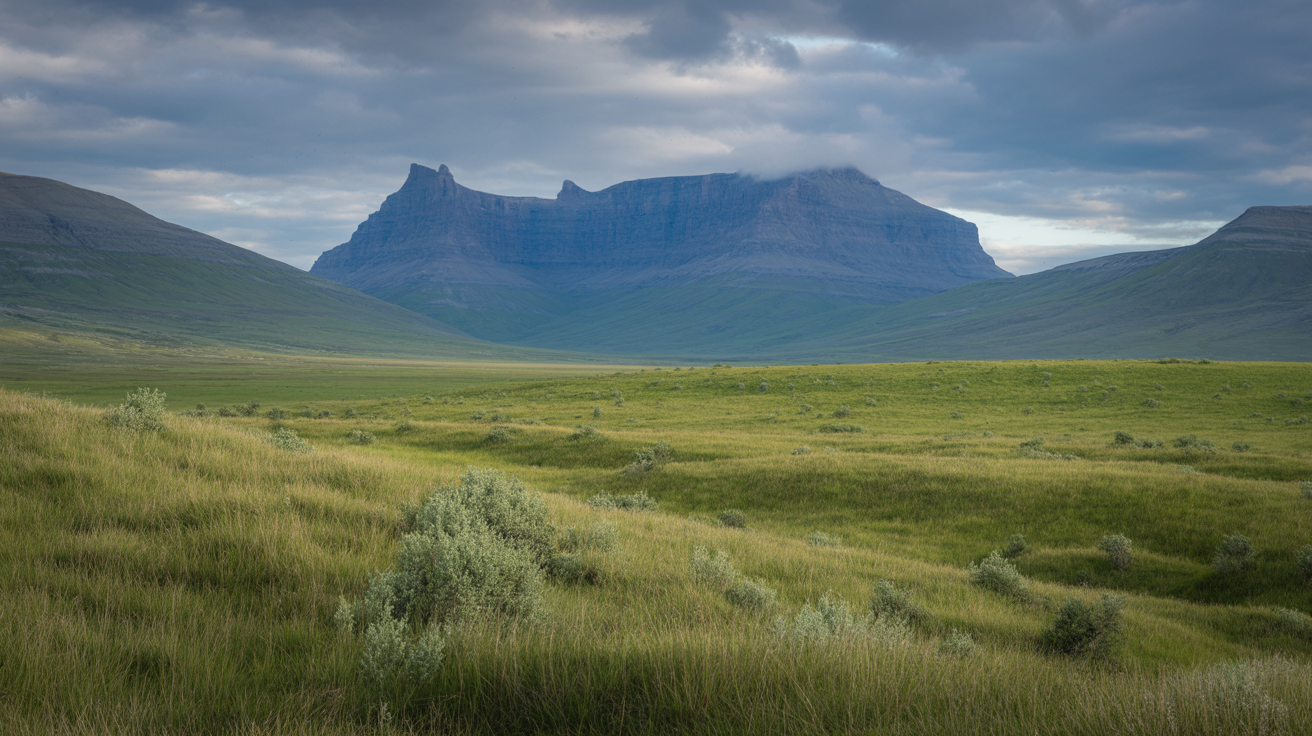
They prefer riverine forests with mature eucalyptus trees, which provide essential nesting hollows for breeding.
Flocking Behavior
Superb Parrots are highly social and often travel in flocks, especially outside the breeding season, communicating with a variety of calls.
Detailed description
The Superb Parrot (Polytelis swainsonii) is a medium-sized, slender parrot measuring 40–42 cm in length, with a wingspan of approximately 25–27 cm and a weight ranging from 130 to 140 grams. Adult males are distinguished by their vibrant emerald-green plumage, a striking yellow forehead, face, and throat, and a prominent scarlet band across the upper chest. Females and juveniles are more subdued, with a duller green body, bluish-green cheeks, and a yellowish wash on the face and throat, lacking the red chest band. The species exhibits marked sexual dimorphism. Superb Parrots have long, pointed tails and a streamlined body, adaptations for agile, fast flight through open woodlands. Their beaks are strong and slightly hooked, suited for manipulating seeds and fruits. The species is highly gregarious, often forming flocks of 10–40 individuals outside the breeding season, and is known for its melodious, high-pitched calls. Superb Parrots are primarily arboreal, spending most of their time in the canopy of riverine forests and woodlands dominated by eucalyptus and acacia. They are diurnal, with peak activity in the early morning and late afternoon. Their gentle temperament and striking appearance make them popular in aviculture, though wild populations are strictly protected.
Did you know?
The Superb Parrot is one of only three species in the genus Polytelis, making it a unique and specialized member of the Australian parrot family.
Research & sources
Wikipedia summary
The superb parrot, also known as Barraband's parrot, Barraband's parakeet, or green leek parrot, is a parrot native to south-eastern Australia. It is a dimorphic species and one of three species in the genus Polytelis.
Behaviour & social structure
Superb Parrots are highly social, forming cohesive flocks that forage and roost together. They communicate through a variety of soft whistles and chattering calls, which help maintain group cohesion during flight and feeding. Their diet consists mainly of seeds from native grasses, eucalypts, acacias, and occasionally cultivated grains, supplemented by blossoms, nectar, fruits, and insects. Feeding typically occurs in the canopy or on the ground, with individuals displaying cooperative behaviors and minimal aggression. During the breeding season, pairs separate from the main flock but remain loosely associated with other breeding pairs in colonies. Superb Parrots exhibit strong site fidelity, often returning to the same nesting and feeding areas annually. They are agile fliers, capable of swift, direct flight with rapid wingbeats, and are known to travel considerable distances between feeding and nesting sites, especially during seasonal movements.
Reproduction & life cycle
Superb Parrots are seasonal breeders, with the breeding season occurring from September to December, coinciding with the austral spring. They are monogamous, forming long-term pair bonds. Nests are typically located in hollows of mature river red gum (Eucalyptus camaldulensis) or other large trees, often 5–20 meters above ground. The female lays 4–7 white, oval eggs, which she incubates alone for approximately 21–23 days. During incubation, the male provides food to the female at the nest entrance. After hatching, both parents feed the chicks a regurgitated diet of seeds and plant material. Chicks fledge at around 5–6 weeks of age but remain dependent on parental care for several weeks post-fledging. Superb Parrots often nest in loose colonies, with several pairs utilizing the same stand of trees, which may provide some protection from predators.
Adaptations & survival
Superb Parrots possess several adaptations for their riverine woodland habitat. Their vivid green plumage provides effective camouflage among eucalyptus foliage, while the yellow and red markings may serve as sexual signals during courtship. The long, tapered tail and streamlined body enhance maneuverability and speed in flight, allowing rapid escape from predators and efficient travel between fragmented habitats. Their strong, dexterous beak is adapted for extracting seeds from tough pods and cones. Superb Parrots exhibit nomadic tendencies, moving in response to food availability and water sources, which helps them exploit patchy resources in variable environments. Their social structure and flocking behavior reduce predation risk and increase foraging efficiency.
Cultural significance
The Superb Parrot holds cultural significance for Indigenous Australian communities, featuring in local stories and as a symbol of the unique biodiversity of southeastern Australia. Its striking appearance and gentle nature have made it a favored subject in Australian art and birdwatching. The species is sometimes kept in aviculture, where it is valued for its calm demeanor and vocalizations, though wild capture is strictly regulated. The Superb Parrot is also used as a flagship species in conservation campaigns to promote the preservation of riverine woodlands and mature hollow-bearing trees.
Recent research
Recent research has focused on the Superb Parrot’s breeding ecology, genetic diversity, and habitat requirements. Studies using radio-tracking and GPS telemetry have revealed detailed patterns of seasonal movement and habitat use, highlighting the importance of landscape connectivity for population viability. Genetic analyses indicate low genetic diversity in some isolated populations, underscoring the need for habitat corridors. Ongoing research is investigating the effectiveness of artificial nest boxes and habitat restoration in supporting breeding success. The species is also monitored as an indicator of riverine ecosystem health in southeastern Australia.
Videos
Habitat
Riverine forest and woodland

Conservation
The Superb Parrot is currently classified as Near Threatened on the IUCN Red List.
Threats & challenges
The primary threats to Superb Parrots include habitat loss and fragmentation due to land clearing for agriculture, urban development, and logging, particularly the removal of mature trees with suitable nesting hollows. Competition for nest sites with invasive species such as the Common Starling (Sturnus vulgaris) also poses a significant challenge. Road mortality is a concern, as parrots are attracted to spilled grain along highways. While the global population is currently estimated at 8,000–10,000 mature individuals and classified as Least Concern by the IUCN, some subpopulations are declining, and the species is listed as Vulnerable under Australian federal and state legislation. Conservation efforts focus on habitat restoration, nest box programs, and protection of breeding sites.
Taxonomy
Scientific name
Polytelis swainsonii
- Kingdom
- Animalia
- Phylum
- Chordata
- Class
- Aves
- Order
- Psittaciformes
- Family
- Psittaculidae
- Genus
- Polytelis
- Species
- swainsonii
Where to see a superb parrot
1 zoo and aquarium in 1 country are recorded as keeping this species.

Community notes
Share your observations about the Superb Parrot.
No community notes yet. Be the first!
Discover more wildlife
More fascinating animals from the encyclopedia.