
About the Victoria Crowned Pigeon
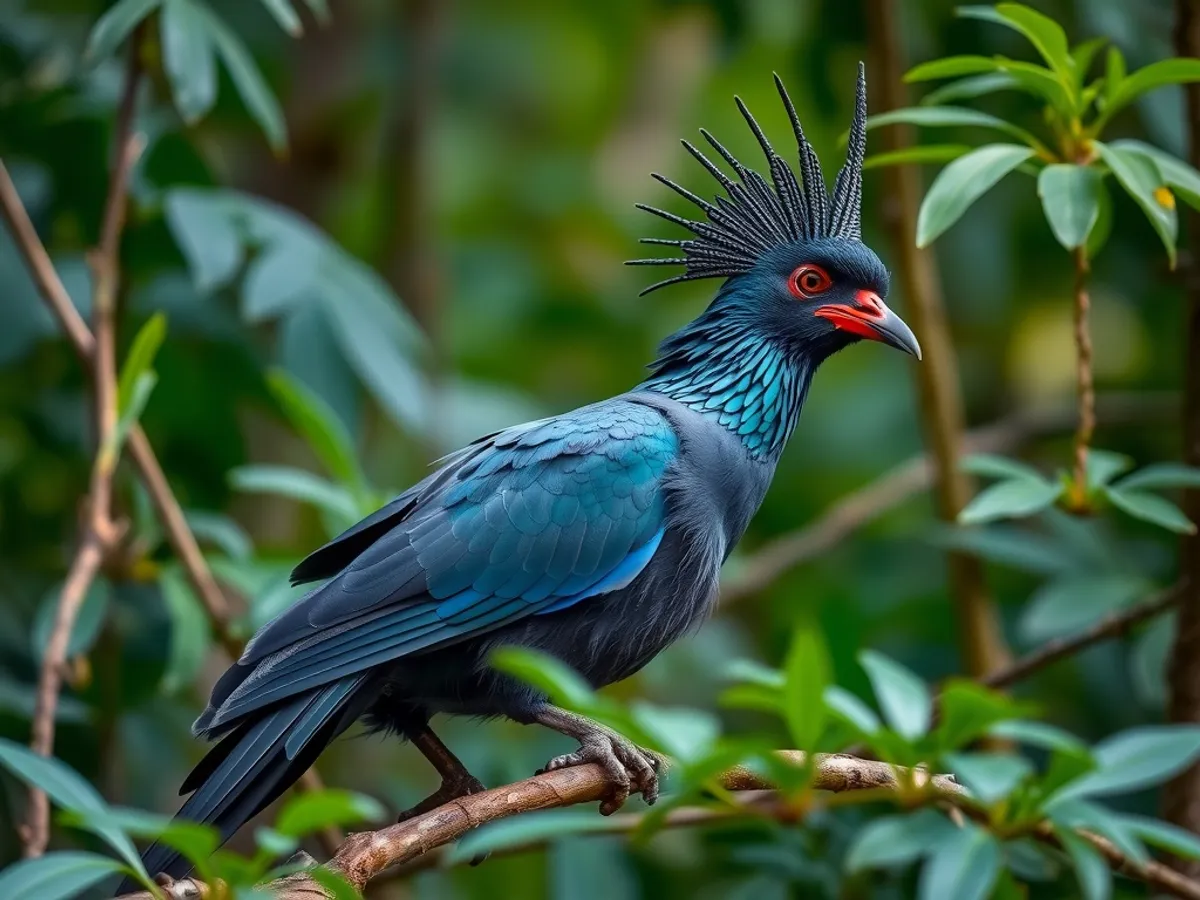
The Victoria crowned pigeon (Goura victoria) of northern New Guinea and its offshore islands is the largest pigeon in the world, a turkey-sized bird up to 75 centimetres long and as much as 3.5 kilograms, topped with an extravagant fan of lacy, filamentous blue-grey feathers each tipped with a white spandrel. Unlike the compact crest of most crested birds, the crown is permanently erect and cannot be lowered. The birds are largely terrestrial, walking the forest floor in small parties and feeding on fallen fruit, especially figs, along with seeds and invertebrates, and they flush noisily up into the lower branches when disturbed, where they will sit and stare rather than fly on. They lay a single egg, and both parents produce crop milk, a protein- and fat-rich secretion sloughed from the lining of the crop, to feed the squab; this is a pigeon trait, but in a bird this size the investment is substantial and the nestling period stretches to about a month, with the young dependent for weeks after. The male's display is a deep, booming, drum-like call given with the chest inflated and the head bowed. All three Goura species are hunted for meat and for the crown plumes, and Victoria crowned pigeons are Near Threatened and thinning out wherever forest is accessible.
Fascinating facts
Royal Namesake
The species is named after Queen Victoria, reflecting its regal appearance and ornate crest.
Forest Dweller
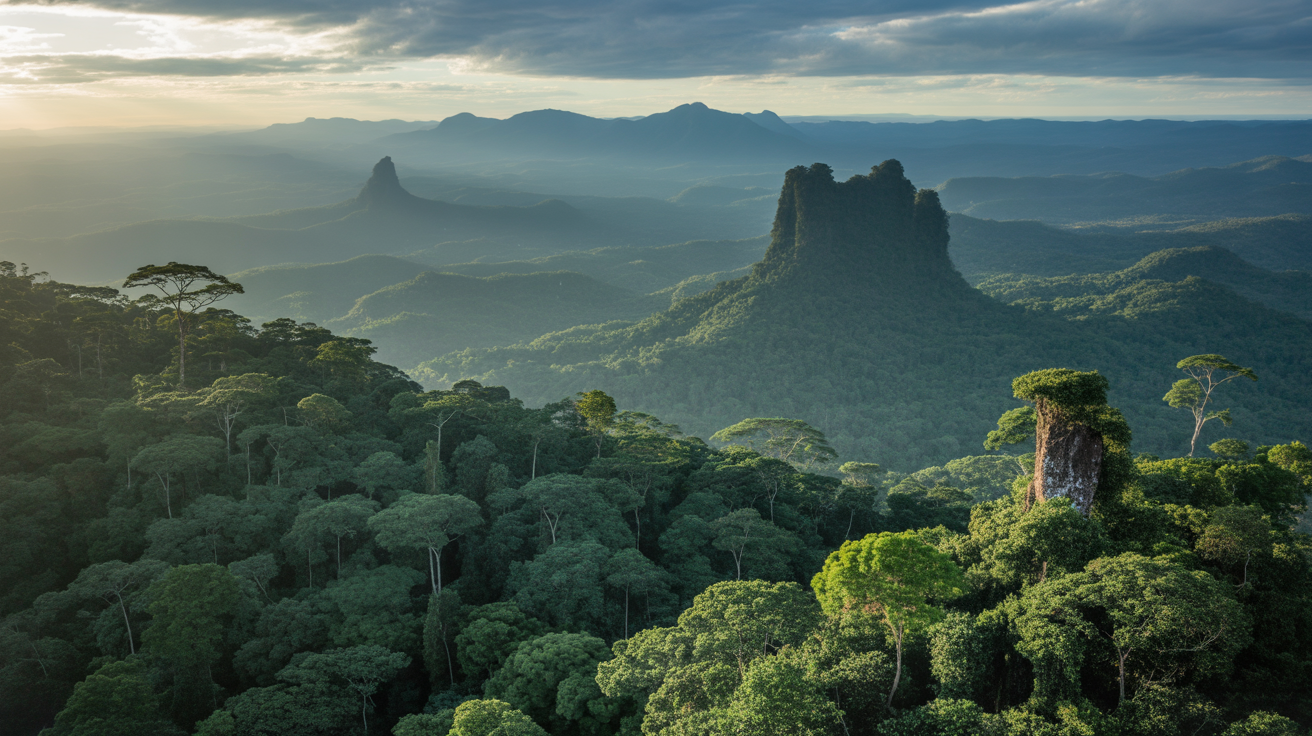
Victoria Crowned Pigeons are found in the dense lowland rainforests and swampy woodlands of northern New Guinea.
Single-Egg Clutch
Females typically lay just one white egg per clutch, with both parents sharing incubation duties.
Detailed description
The Victoria Crowned Pigeon (Goura victoria) is the largest extant species of pigeon, with adults typically measuring 73–75 cm (29–30 in) in length and weighing between 2.3–3.5 kg (5–7.7 lbs). Its plumage is predominantly a soft, powdery blue-grey, with a deep maroon breast and striking white-tipped, lacy crest feathers that form a spectacular fan atop the head. The eyes are vivid red, accentuated by a black mask of feathers. The wings bear a distinct pale blue wing bar, and the tail is broad and rounded. This species is highly terrestrial, possessing strong legs adapted for walking and foraging on the forest floor. Victoria Crowned Pigeons are known for their calm and gentle demeanor, moving with deliberate, stately steps. They are social birds, often found in small groups or pairs, and communicate through a repertoire of deep, resonant 'whooping' calls and soft coos. Their flight is strong but typically short-ranged, as they prefer to remain on the ground, only flying to escape danger or to roost. Their diet consists mainly of fallen fruits, seeds, and occasionally small invertebrates, playing a vital role in seed dispersal within their ecosystem. The species exhibits sexual monomorphism, with males and females appearing similar, though males may be slightly larger.
Did you know?
Despite their size and ornate appearance, Victoria Crowned Pigeons can produce loud, clapping sounds with their wings when taking off to startle predators.
Research & sources
Wikipedia summary
The Victoria crowned pigeon is a large, bluish-grey pigeon with elegant blue lace-like crests, maroon breast and red irises. It is part of a genus (Goura) of four unique, very large, ground-dwelling pigeons native to the New Guinea region, with the Victoria crowned pigeon measuring as the largest extant species of pigeon. The bird may be easily recognized by the unique white tips on its crests and by its deep 'whooping' sounds made while calling. Its name commemorates the British monarch, Queen Victoria.
Behaviour & social structure
Victoria Crowned Pigeons are diurnal and spend most of their day foraging on the forest floor in shaded, dense lowland and swamp forests. They exhibit a slow, methodical gait while searching for food, using their strong beaks to pick up fallen fruits, seeds, and occasionally invertebrates. Socially, they are gregarious and may form loose flocks of up to 10 individuals, especially outside the breeding season. Within these groups, they maintain a clear hierarchy, with dominant individuals gaining priority access to food resources. Courtship displays are elaborate, involving deep bowing, tail fanning, and the inflation of the breast feathers by males, accompanied by repeated low-frequency vocalizations. Roosting occurs in trees, where they seek safety from ground predators. Territorial disputes are rare but may involve ritualized displays rather than physical aggression.
Reproduction & life cycle
Breeding typically coincides with the rainy season, which varies regionally but often peaks from December to April. Victoria Crowned Pigeons are monogamous, forming long-term pair bonds. Courtship involves mutual preening and synchronized movements. The female usually lays a single white egg in a flimsy platform nest constructed from twigs and leaves, placed 2–5 meters above ground in dense foliage. Both parents share incubation duties, which last approximately 28–30 days. After hatching, the chick is altricial and remains in the nest for about 30 days, receiving crop milk and regurgitated food from both parents. Fledglings remain dependent on parental care for several weeks post-fledging, gradually learning to forage independently.
Adaptations & survival
Victoria Crowned Pigeons have evolved several adaptations for their ground-dwelling lifestyle. Their robust legs and large feet are well-suited for walking and scratching through leaf litter. The cryptic blue-grey coloration provides camouflage in the dappled light of the forest understory. The ornate crest may serve as a visual signal in dense vegetation, aiding in social communication and mate selection. Their deep, low-frequency calls are adapted to travel long distances through thick forest, facilitating contact between individuals. Physiologically, they possess a large crop for storing food, allowing them to maximize foraging efficiency in unpredictable environments.
Cultural significance
Victoria Crowned Pigeons hold significant cultural value in New Guinea, where their feathers are used in traditional ceremonial attire and headdresses. The species is also a symbol of beauty and rarity, often featured in art and folklore. Internationally, it is admired for its striking appearance and is a popular exhibit in zoos and aviaries, contributing to conservation awareness. The bird’s name commemorates Queen Victoria, reflecting the historical influence of European naturalists in the region.
Recent research
Recent research has focused on the species' role in seed dispersal and forest regeneration, highlighting its ecological importance. Genetic studies have clarified its relationship to other Goura species, supporting its status as the largest and most distinct member of the genus. Ongoing fieldwork is investigating population dynamics, habitat use, and the impacts of hunting pressure. Captive breeding programs in zoos are being developed as potential insurance populations, with studies exploring optimal husbandry and reintroduction protocols. Acoustic analyses of their calls are also underway, providing insights into their communication and social structure.
Videos
Habitat
Lowland and swamp forests
 Tropical Regions
Rainforest
Dense, wet forests with the highest biodiversity on Earth, containing more than half of the world's plant and animal species.
 Global
Forest
Wooded areas with significant tree cover and diverse plant and animal communities.
 Global
Freshwater
Lakes, rivers, and wetlands with diverse aquatic ecosystems.
Conservation
The Victoria Crowned Pigeon is currently classified as Near Threatened on the IUCN Red List.
Threats & challenges
The primary threats to Victoria Crowned Pigeons are habitat loss due to logging, agricultural expansion, and infrastructure development in New Guinea's lowland forests. They are also heavily hunted for their meat and ornate plumes, which are prized in local and international trade. Despite legal protections, enforcement is often weak, and illegal hunting persists. The species is listed as Near Threatened by the IUCN, with population estimates ranging from 10,000 to 20,000 mature individuals and a declining trend. Fragmentation of habitat further isolates populations, increasing their vulnerability to stochastic events and genetic bottlenecks.
Taxonomy
Scientific name
Goura victoria
- Kingdom
- Animalia
- Phylum
- Chordata
- Class
- Aves
- Order
- Columbiformes
- Family
- Columbidae
- Genus
- Goura
- Species
- victoria
Where to see a victoria crowned pigeon
9 zoos and aquariums in 3 countries are recorded as keeping this species.
 Dallas World Aquarium🇺🇸 Dallas, United States
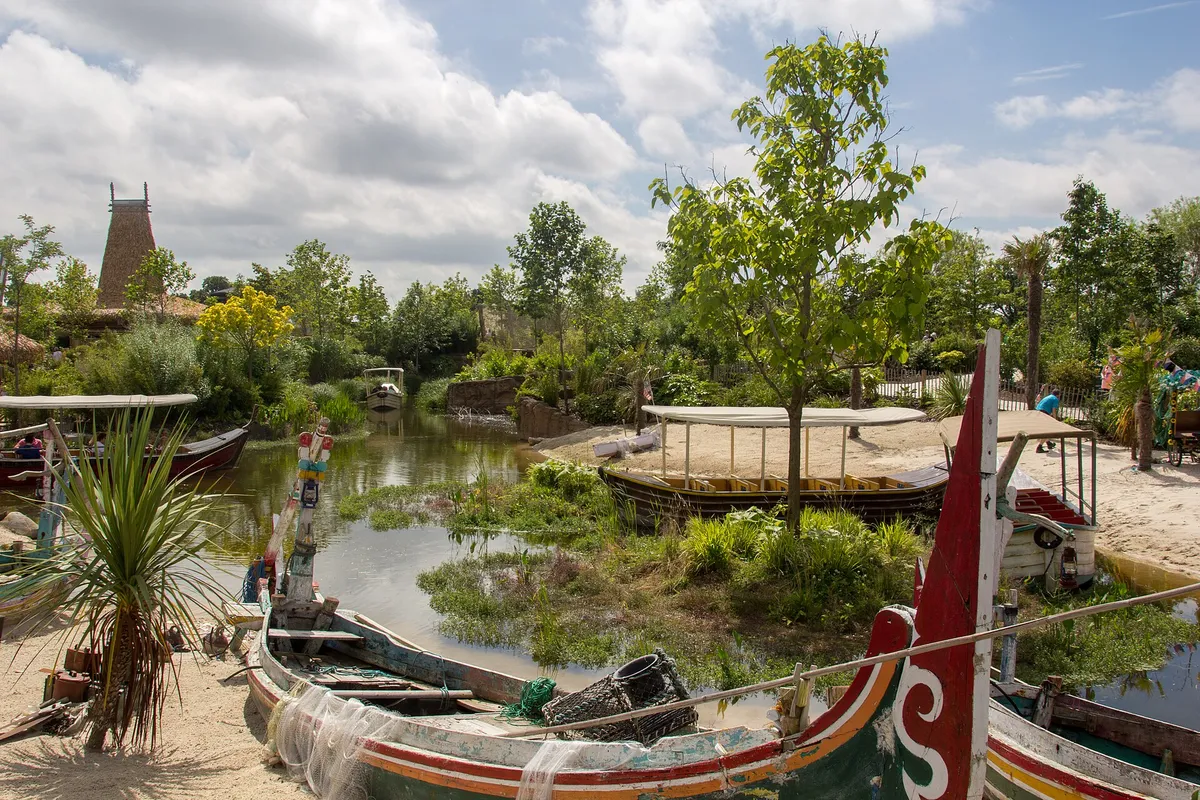 Chester Zoo🇬🇧 Chester, United Kingdom
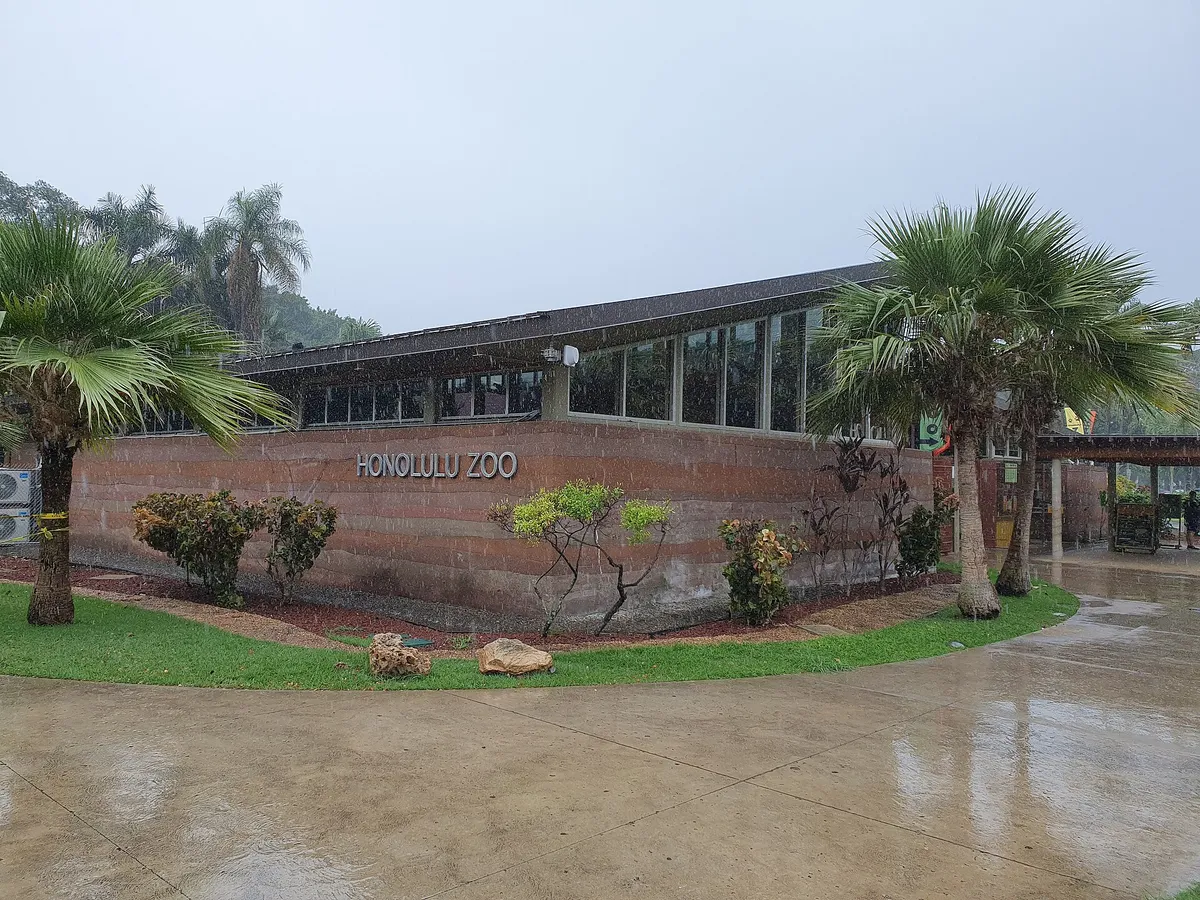 Honolulu Zoo🇺🇸 Honolulu, United States
 Marwell Zoo🇬🇧 Winchester, United Kingdom
 North Carolina Zoo🇺🇸 Asheboro, United States
Community notes
Share your observations about the Victoria Crowned Pigeon.
No community notes yet. Be the first!
Discover more wildlife
More fascinating animals from the encyclopedia.