
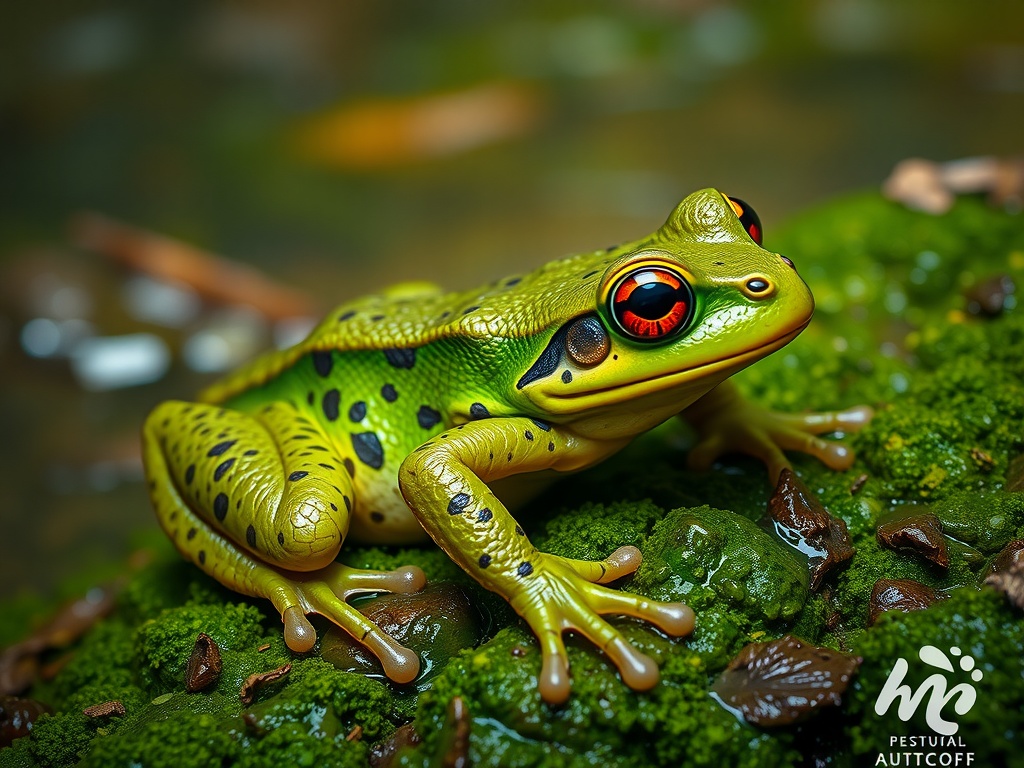
About the Vietnamese Mossy Frog
The Vietnamese Mossy Frog is a remarkable amphibian renowned for its extraordinary camouflage, with skin covered in green tubercles and black markings that resemble moss and lichen. Native to northern Vietnam, it inhabits damp, rocky crevices near streams and caves in subtropical and tropical forests. This frog is nocturnal and elusive, spending much of its time partially submerged or clinging to mossy rocks. Its exceptional disguise allows it to evade predators and blend seamlessly with its environment, making it difficult to spot in the wild.
Fascinating facts
Moss-like Camouflage
Its mossy appearance is so effective that it can be almost indistinguishable from its surroundings, making it nearly invisible to predators.
Unique Vocalizations
The male's call is a series of short, melodic whistles that reverberate in the damp cave environments where they live.
Specialized Toe Pads
Their adhesive toe pads allow them to scale slick rocks and vertical surfaces, aiding their arboreal and cave-dwelling lifestyle.
Detailed description
The Vietnamese Mossy Frog (Theloderma corticale) is a medium-sized amphibian, typically reaching 6–8 cm in snout-vent length, with females generally larger than males. Its skin is highly textured, covered in irregular green tubercles interspersed with black and brown blotches, mimicking the appearance of moss and lichen for exceptional camouflage. The frog's eyes are large and protruding, with horizontal pupils that enhance nocturnal vision. Its toes are equipped with expanded discs and partial webbing, facilitating both climbing and swimming in its rocky, aquatic habitats. The species is primarily nocturnal, remaining motionless and well-concealed during the day and becoming active at night to forage. Vietnamese Mossy Frogs are semi-aquatic, often found clinging to wet rocks or partially submerged in water, and are adept at both arboreal and aquatic locomotion. Their cryptic coloration and stillness are their primary defenses against predators. The species is solitary outside of the breeding season, exhibiting little social interaction. During reproduction, they lay eggs in water-filled rock crevices or tree holes, where the tadpoles develop in relative safety. This frog's unique adaptations and elusive nature make it a subject of fascination for herpetologists and amphibian enthusiasts alike.
Did you know?
The Vietnamese Mossy Frog can remain submerged underwater for extended periods by absorbing oxygen through its skin.
Research & sources
Behaviour & social structure
Vietnamese Mossy Frogs are predominantly nocturnal, emerging at dusk to hunt for invertebrate prey such as insects, spiders, and small crustaceans. They employ a sit-and-wait predation strategy, remaining motionless and relying on their camouflage to avoid detection by both prey and predators. When threatened, they may curl into a ball and remain completely still, further enhancing their moss-like appearance. Social interactions are minimal outside the breeding season, and individuals are typically encountered alone. Vocalizations are used primarily by males during the breeding season to attract females, consisting of a series of low, guttural calls. During the day, they seek refuge in moist crevices, under rocks, or within vegetation near water sources. Their activity is closely tied to humidity and rainfall, with increased movement and calling during wet periods.
Reproduction & life cycle
Breeding in Theloderma corticale generally coincides with the rainy season, from April to October in northern Vietnam. Males call from concealed positions near water to attract females. Amplexus is axillary, with the male grasping the female behind her forelimbs. Females lay clutches of 8–30 eggs on wet surfaces above water, such as rock faces or the walls of water-filled tree holes. The eggs are gelatinous and adhere to the substrate, hatching after 7–14 days depending on temperature and humidity. Upon hatching, tadpoles drop into the water below, where they continue development for 3–6 months before metamorphosing into juvenile frogs. Parental care is limited to the selection of oviposition sites that offer protection from desiccation and predation.
Adaptations & survival
The most striking adaptation of the Vietnamese Mossy Frog is its cryptic coloration and highly textured skin, which provides near-perfect camouflage among mossy rocks and vegetation. The expanded toe pads and partial webbing enable efficient climbing and swimming, essential for navigating their complex, semi-aquatic habitats. Their nocturnal habits reduce predation risk and competition for food. The ability to remain motionless for extended periods further aids in avoiding detection. Eggs are laid above water to minimize aquatic predation, and the selection of hidden, moist sites for oviposition increases offspring survival. Tadpoles possess specialized mouthparts for scraping algae and detritus, allowing them to exploit a range of microhabitats.
Cultural significance
The Vietnamese Mossy Frog does not have a prominent role in traditional Vietnamese folklore or mythology, but its remarkable appearance has made it a symbol of camouflage and adaptation in popular culture. In recent years, it has gained attention in the international pet trade and among amphibian enthusiasts, often featured in educational programs highlighting the importance of biodiversity and conservation. Its unique appearance has also inspired local ecotourism initiatives in northern Vietnam.
Recent research
Recent research on Theloderma corticale has focused on its reproductive biology, camouflage mechanisms, and response to environmental changes. Studies using molecular phylogenetics have clarified its relationships within the Rhacophoridae family, revealing cryptic diversity among Southeast Asian mossy frogs. Research on skin microbiota has explored potential resistance to chytrid fungus, a major threat to amphibians globally. Ongoing field studies are monitoring population trends and the impact of habitat disturbance, while captive breeding programs are being developed to support conservation and reduce pressure from the pet trade.
Sources
Theloderma corticale (Boulenger, 1903): Taxonomy, natural history, and conservation
Frost, D.R. et al., Amphibian Species of the World, American Museum of Natural History (2023)
scientificTheloderma corticale: IUCN Red List of Threatened Species
IUCN SSC Amphibian Specialist Group
conservationVideos
Habitat
Subtropical and tropical moist forests, limestone caves, and freshwater streams
 Elevated Terrain
Mountain
High-altitude environments with varying climates and specialized wildlife adapted to rugged terrain and thin air.
 Global
Forest
Wooded areas with significant tree cover and diverse plant and animal communities.
 Global
Freshwater
Lakes, rivers, and wetlands with diverse aquatic ecosystems.
Conservation
The Vietnamese Mossy Frog is currently classified as Least Concern on the IUCN Red List.
Threats & challenges
While Theloderma corticale is currently listed as Least Concern by the IUCN, localized threats include habitat loss due to deforestation, limestone quarrying, and pollution of freshwater systems. The species is also collected for the international pet trade, which can impact wild populations if not managed sustainably. Climate change poses a long-term threat by altering rainfall patterns and reducing suitable breeding sites. Despite these pressures, the species' cryptic nature and adaptability to disturbed habitats have helped maintain stable populations in many areas. Ongoing monitoring and habitat protection are recommended to ensure long-term survival.
Taxonomy
Scientific name
Theloderma corticale
- Kingdom
- Animalia
- Phylum
- Chordata
- Class
- Amphibia
- Order
- Anura
- Family
- Rhacophoridae
- Genus
- Theloderma
- Species
- corticale
Where to see a vietnamese mossy frog
7 zoos and aquariums in 4 countries are recorded as keeping this species.
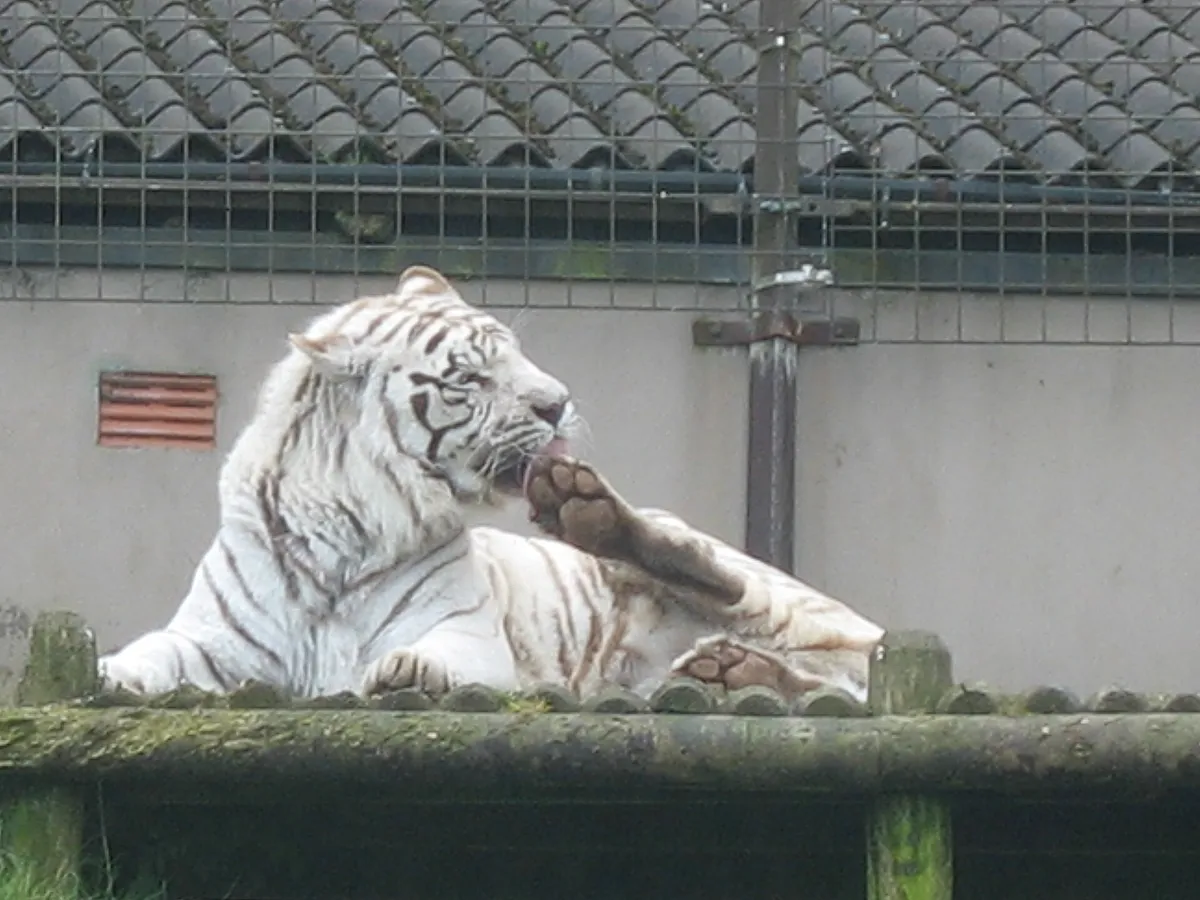 Belfast Zoo🇬🇧 Belfast, United Kingdom
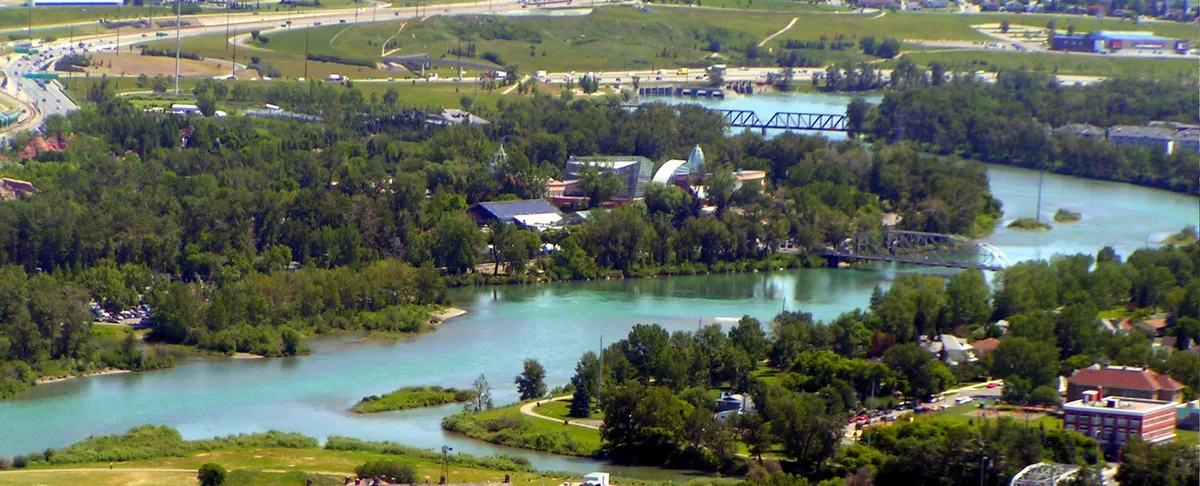 Calgary Zoo🇨🇦 Calgary, Canada
 National Zoological Park🇺🇸 Washington, United States
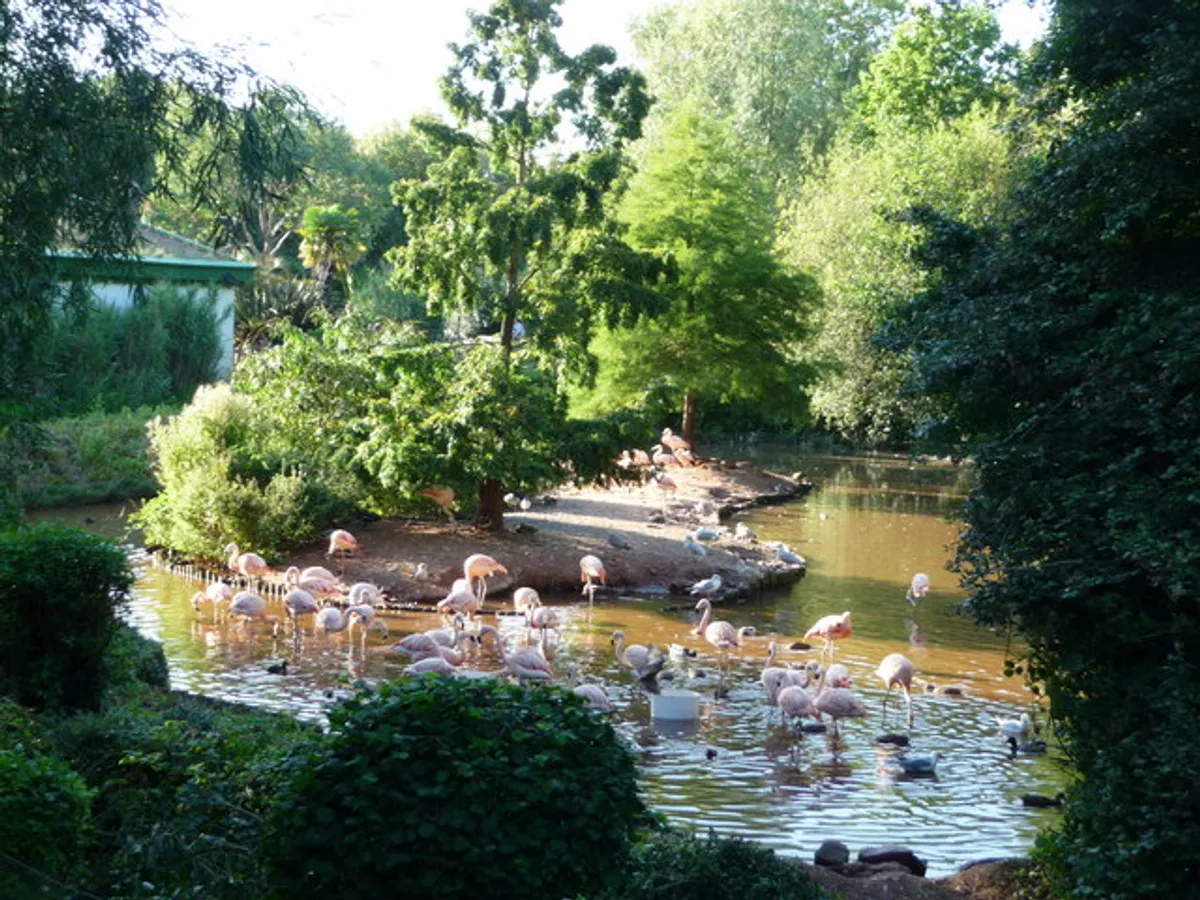 Paignton Zoo🇬🇧 Paignton, United Kingdom
 Karlsruhe Zoo🇩🇪 Germany
Community notes
Share your observations about the Vietnamese Mossy Frog.
No community notes yet. Be the first!
Discover more wildlife
More fascinating animals from the encyclopedia.