
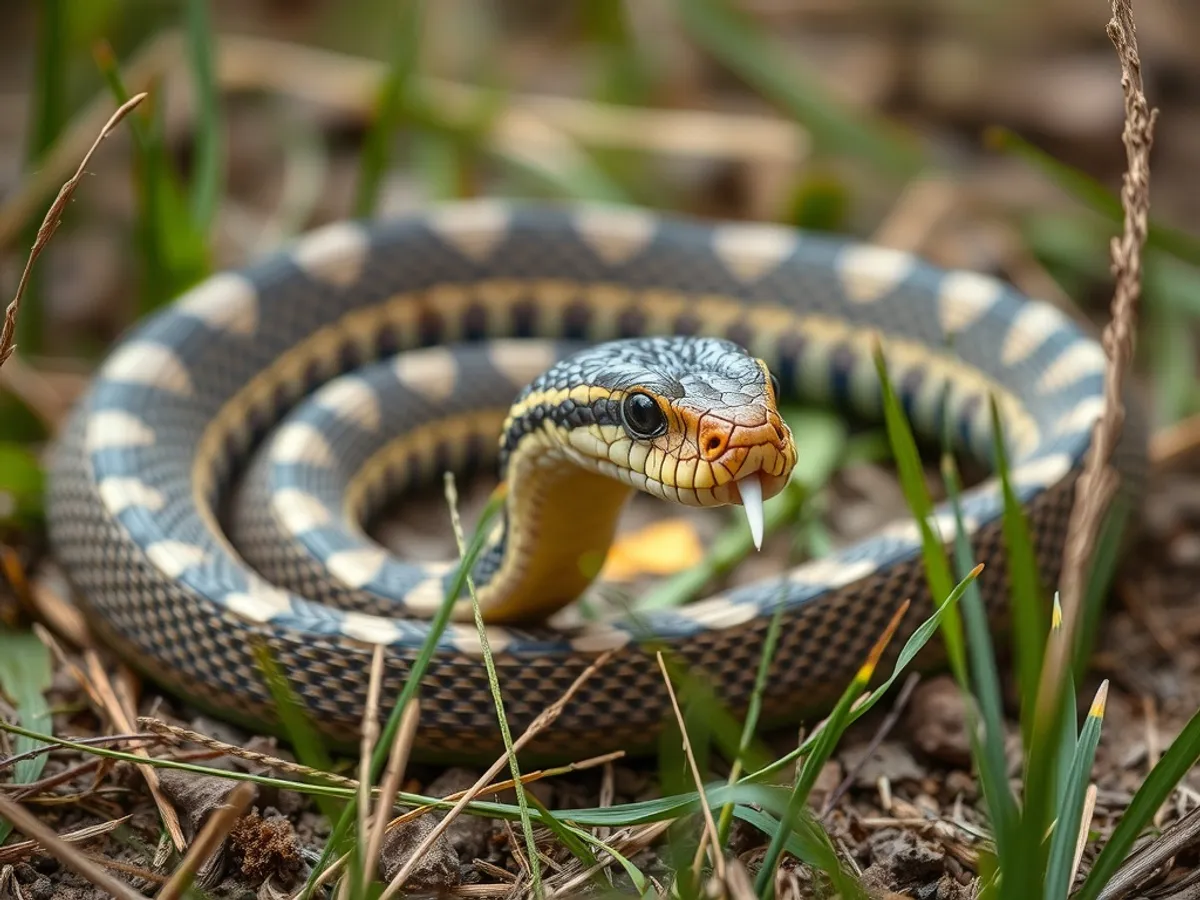
About the Western hognose snake
The western hognose snake (Heterodon nasicus) is a small, stout, harmless-to-humans snake of the North American plains, and it is one of the great bluffers in the animal kingdom. The upturned, keeled rostral scale that gives it the name is a shovel, used to dig toads out of loose sandy soil. Toads are its main prey, and they present two problems: they inflate themselves to become unswallowable, and their skin is loaded with bufotoxins. The hognose solves both. It has enlarged rear teeth that puncture the inflated toad like a pin in a balloon, and a Duvernoy's gland producing a mild saliva-venom that subdues it; it also has enlarged adrenal glands thought to help it tolerate the toad's cardiac toxins. Its defensive repertoire is theatrical and escalating. First it flattens its neck into a hood, hisses loudly and strikes with the mouth closed, a passable cobra impression that gives it the name puff adder in parts of its range. If the intruder persists, it flips onto its back, writhes, gapes, everts its tongue, sometimes bleeds from the mouth and voids musk and faeces, and lies still with its belly up. The performance has a flaw: if you turn it right side up, it immediately rolls onto its back again, giving the whole game away.
Fascinating facts
Bluffing Masters
When threatened, Western hognose snakes will flatten their necks, hiss loudly, and may even play dead by flipping onto their backs with their mouths open.
Habitat Specialists
They are adapted to sandy or loose soils in grasslands and prairies, using their snouts to dig for prey like toads and small rodents.
Mildly Venomous
Though they produce mild venom to subdue prey, their venom is not dangerous to humans, and they rarely bite in self-defense.
Detailed description
The Western hognose snake (Heterodon nasicus) is a small to medium-sized colubrid, with adults typically ranging from 40 to 90 cm (16 to 35 in) in total length, though some individuals may exceed 100 cm. Its most distinctive anatomical feature is the upturned, keeled rostral scale at the tip of its snout, which is highly adapted for digging in loose, sandy soils. The body is robust and slightly flattened, with keeled dorsal scales that enhance camouflage and protection. Coloration varies geographically but generally consists of a series of dark brown or black dorsal blotches on a background of tan, olive, or gray, with a lighter ventral surface often marked by irregular black patches. The head is broad and somewhat triangular, with large eyes and round pupils. Western hognose snakes possess mildly venomous Duvernoy's glands, which secrete toxins used primarily to subdue amphibian prey, though these are not dangerous to humans. Their defensive repertoire is remarkable, including hooding, hissing, mock strikes, and dramatic thanatosis (playing dead). These snakes are diurnal, spending much of their active time foraging or basking, and are primarily solitary outside of the breeding season. Their fossorial lifestyle is supported by strong neck muscles and a specialized skull structure, allowing them to excavate burrows for shelter, thermoregulation, and egg-laying.
Did you know?
Despite their fierce defensive displays, Western hognose snakes rarely bite and are considered harmless to humans.
Research & sources
Wikipedia summary
The western hognose snake is a species of snake in the family Colubridae. The species is endemic to North America. There are three subspecies that are recognized as being valid, including the nominotypical subspecies.
Behaviour & social structure
Western hognose snakes are primarily diurnal, with peak activity during the morning and late afternoon, especially in spring and fall. They are opportunistic feeders, preying mainly on amphibians (notably toads), but also consuming lizards, reptile eggs, small mammals, and occasionally birds. Their hunting strategy involves active foraging, using their upturned snout to root through loose soil and leaf litter. When threatened, they exhibit a complex series of defensive behaviors: first flattening their necks and bodies, hissing loudly, and performing false strikes with closed mouths. If these displays fail, they may roll onto their backs, open their mouths, and emit a foul musk, convincingly feigning death until the threat passes. Social interactions are minimal outside of the breeding season, as individuals are largely solitary. They spend significant time in self-excavated or abandoned burrows, emerging to bask or hunt. During periods of extreme heat or cold, they enter a state of torpor or brumation underground.
Reproduction & life cycle
Breeding occurs in the spring, shortly after emergence from winter brumation. Males actively search for females, sometimes engaging in brief combat with rivals. Courtship involves tactile stimulation and body alignment. Females are oviparous, laying clutches of 4 to 23 eggs (average 8–15) in sandy or loose soil, often in abandoned mammal burrows or under debris. Incubation lasts approximately 50–65 days, depending on temperature and humidity. Hatchlings measure 13–20 cm (5–8 in) and are fully independent at birth, receiving no parental care. Sexual maturity is typically reached at 2–3 years of age. Reproductive output may vary with environmental conditions, and females may not breed every year in marginal habitats.
Adaptations & survival
The Western hognose snake exhibits several notable adaptations. Its upturned rostral scale is a key evolutionary specialization for digging and uncovering prey, particularly burrowing amphibians. The mildly venomous saliva, delivered via enlarged rear teeth, is specifically effective against toads, which are otherwise protected by toxic skin secretions. Resistance to amphibian toxins is another unique adaptation, allowing the snake to exploit a niche with reduced competition. Its dramatic defensive behaviors, including thanatosis, serve to deter a wide range of predators. Cryptic coloration and keeled scales provide camouflage and protection in open grassland habitats. Physiologically, the species is tolerant of arid conditions, able to conserve water and withstand significant temperature fluctuations.
Cultural significance
The Western hognose snake is well known in North American folklore for its dramatic bluffing behaviors, often earning nicknames such as 'puff adder' or 'bluffer.' While not prominent in indigenous mythology, it is sometimes featured in local stories as a harmless, comical trickster. In modern times, its docile nature and manageable size have made it a popular pet, contributing to its cultural visibility. Educational programs frequently use this species to demonstrate reptile adaptations and dispel myths about snake danger. There are no significant traditional medicinal or utilitarian uses documented for this species.
Recent research
Recent research has focused on the evolutionary development of the hognose snake's specialized diet and resistance to amphibian toxins, with genetic studies revealing adaptations in digestive enzymes and toxin-binding proteins. Ongoing ecological studies are monitoring the impact of habitat fragmentation and climate change on population genetics and distribution. Behavioral research has provided insights into the neurological basis of thanatosis and other anti-predator strategies. Captive breeding programs have contributed to understanding reproductive physiology and color morph genetics, with several novel morphs now established in the pet trade. Conservation genetics is an emerging field of study, assessing gene flow between fragmented populations.
Sources
Natural History and Defensive Behavior of the Western Hognose Snake (Heterodon nasicus)
Platt, D. R. (1969)
scientificDietary Specialization and Toxin Resistance in Heterodon nasicus
Williams, B.L. et al. (2019)
scientificVideos
Habitat
Grasslands and prairies
 Arid Regions
Desert
Arid lands with minimal rainfall, extreme temperatures, and specialized wildlife adapted to harsh conditions.
 Various Continental Regions
Grassland
Open areas dominated by grasses rather than trees, supporting numerous herbivores and their predators.
 Global
Forest
Wooded areas with significant tree cover and diverse plant and animal communities.
Conservation
The Western hognose snake is currently classified as Least Concern on the IUCN Red List.
Threats & challenges
Currently classified as Least Concern by the IUCN, the Western hognose snake faces localized threats from habitat loss due to agricultural expansion, urbanization, and road mortality. Collection for the pet trade, while regulated in some areas, can impact wild populations if not managed sustainably. Pesticide use and declining amphibian populations (their primary prey) may also pose indirect threats. Climate change, with its effects on grassland ecosystems and prey availability, represents a potential long-term challenge. Despite these pressures, the species remains widespread and relatively abundant across much of its range, with stable population trends in most areas.
Taxonomy
Scientific name
Heterodon nasicus
- Kingdom
- Animalia
- Phylum
- Chordata
- Class
- Reptilia
- Order
- Squamata
- Family
- Colubridae
- Genus
- Heterodon
- Species
- nasicus
Where to see a western hognose snake
5 zoos and aquariums in 2 countries are recorded as keeping this species.
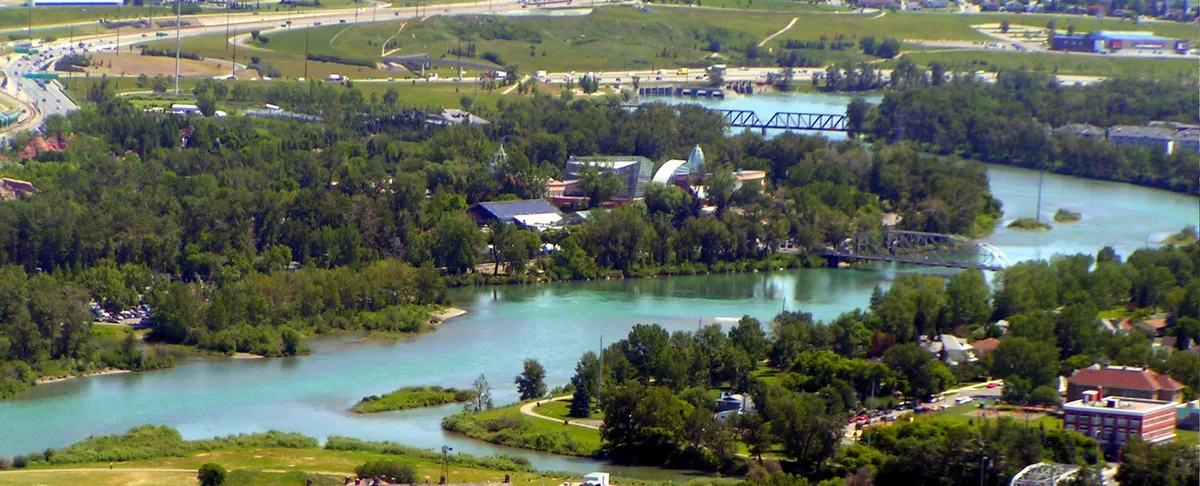 Calgary Zoo🇨🇦 Calgary, Canada
- 🦁Topeka Zoo🇺🇸 Topeka, United States
- 🦁Cheyenne Mountain Zoo🇺🇸 United States
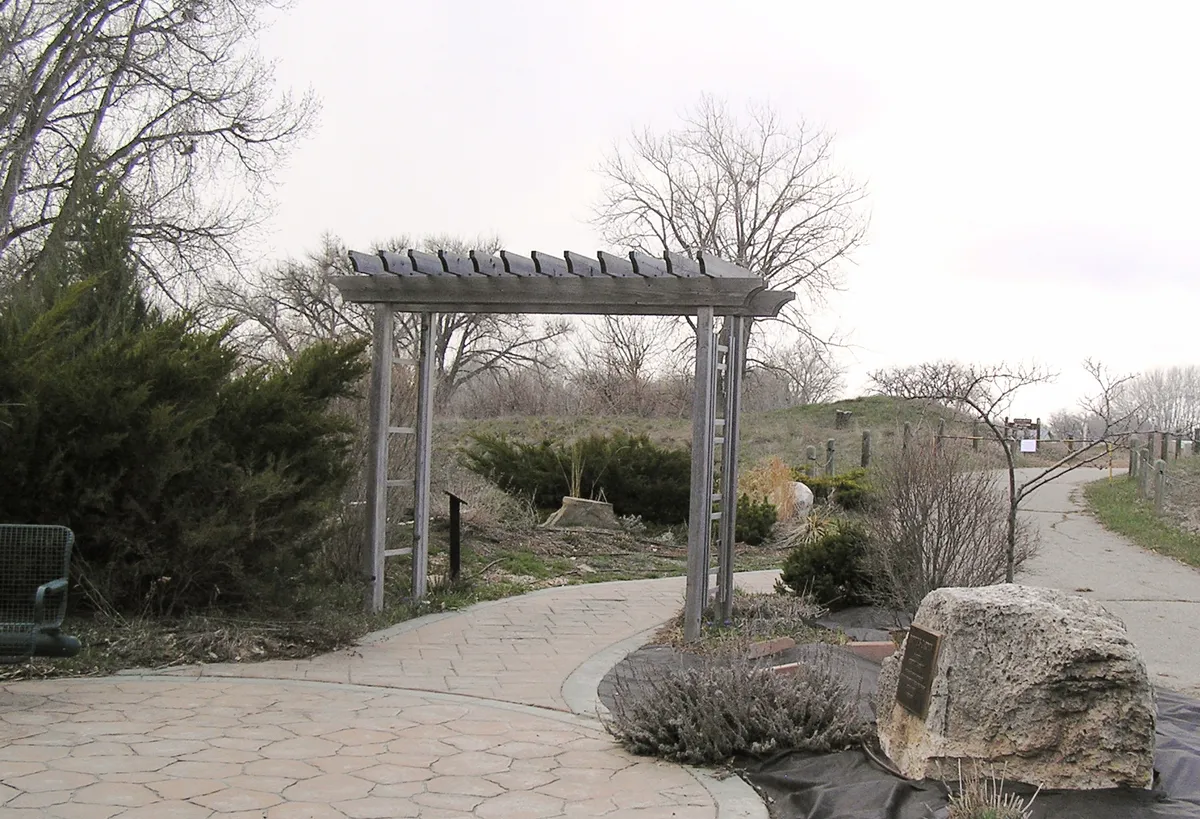 Zoo Montana🇺🇸 Billings, United States
- 🦁Lake Superior Zoo🇺🇸 Duluth, United States
Community notes
Share your observations about the Western hognose snake.
No community notes yet. Be the first!
Discover more wildlife
More fascinating animals from the encyclopedia.