
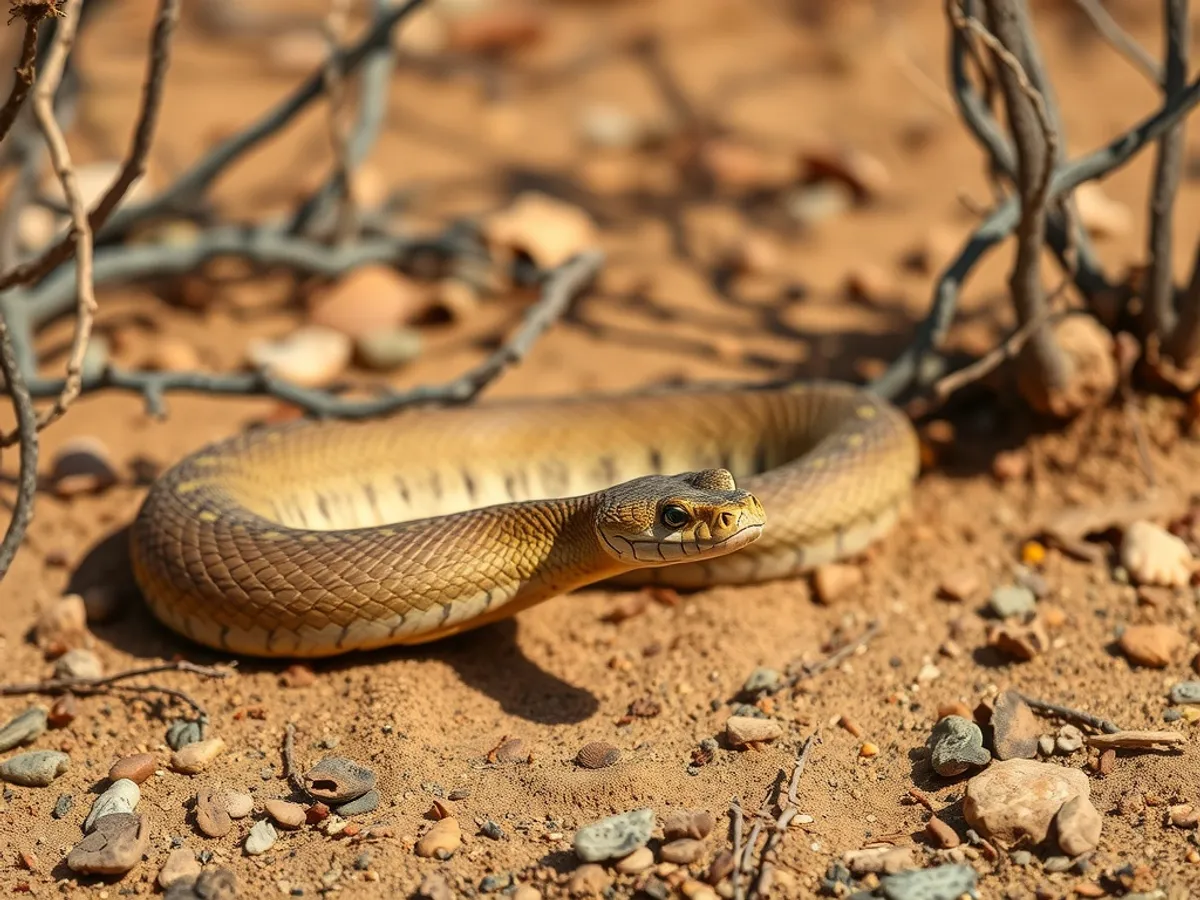
About the Woma Python
The Woma python is a non-venomous snake native to Australia, recognized for its slender body and distinctive banded pattern of yellowish to reddish-brown colors. This species inhabits arid and semi-arid regions, often sheltering in burrows or under debris during the day to escape the harsh desert heat. Woma pythons are nocturnal hunters, using their strong sense of smell and heat-sensing pits to locate prey such as small mammals, reptiles, and birds. Although once common, their populations have declined in some areas due to habitat loss and predation by introduced species.
Fascinating facts
Burrow Specialist
Woma pythons often occupy and hunt in the burrows of other animals, making them unusual among Australian snakes.
Nocturnal Hunter
They are primarily active at night, using chemical cues and subtle heat differences to locate prey.
Dedicated Mother
Female Woma pythons coil around their eggs, shivering to keep them warm until they hatch, a behavior known as maternal incubation.
Detailed description
The Woma Python (Aspidites ramsayi) is a medium-sized, robust constrictor endemic to the arid and semi-arid regions of central and western Australia. Adults typically reach lengths of 1.5 to 2.3 meters, with some individuals reported up to 2.7 meters, and exhibit a slender yet muscular build. The species is characterized by a distinctive pattern of narrow, irregular dark brown to black bands over a background of yellow, orange, or reddish-brown, with a pale ventral surface. Unlike most pythons, the Woma lacks heat-sensing pits on its lips, an adaptation to its burrowing lifestyle. The head is narrow and only slightly distinct from the neck, with small, symmetrical scales. Womas are primarily nocturnal and secretive, spending daylight hours in abandoned mammal burrows, hollow logs, or beneath leaf litter to avoid extreme temperatures. Their eyes are relatively small, adapted for low-light hunting. The species is solitary outside of the breeding season, with individuals maintaining overlapping home ranges. Woma Pythons play a crucial ecological role as mid-level predators, regulating populations of small mammals, reptiles, and ground-nesting birds.
Did you know?
Unlike many pythons, female Woma pythons will actively incubate their eggs by coiling around them and shivering to generate heat.
Research & sources
Wikipedia summary
The woma python, also known commonly as Ramsay's python, the sand python, and simply the woma, is a species of snake in the family Pythonidae, endemic to Australia. Once common throughout Western Australia, it has become critically endangered in some regions.
Behaviour & social structure
Woma Pythons are predominantly nocturnal, emerging at dusk to actively forage for prey. They are ground-dwelling and exhibit strong fossorial (burrowing) tendencies, often utilizing and modifying existing burrows created by mammals such as bilbies or bettongs. Their hunting strategy involves both active searching and ambush, relying on a keen sense of smell and tactile cues rather than heat-sensing pits. Prey is subdued by constriction, and their diet includes small mammals (notably rodents and marsupials), reptiles (including other snakes), and occasionally birds and eggs. Womas are known for their ability to pursue prey into tight underground spaces, and their skull morphology is adapted to withstand the rigors of burrow hunting. Social interactions are minimal, with encounters between adults typically limited to the breeding season or competition for shelter. Defensive behaviors include hissing, tail vibration, and body inflation, but they rarely bite unless provoked. During the hottest months, Womas may enter periods of reduced activity (aestivation) to conserve water and energy.
Reproduction & life cycle
Reproduction in Woma Pythons is seasonal, with mating occurring from May to August (southern hemisphere winter). Males may engage in combat for access to females, intertwining and attempting to pin each other. Females lay clutches of 5 to 20 eggs (average 12-15) in late spring or early summer, typically within deep burrows or other sheltered sites. The female coils around the eggs and provides maternal incubation by shivering thermogenesis, raising her body temperature to facilitate embryonic development. Incubation lasts approximately 55 to 65 days, depending on environmental conditions. Hatchlings measure 35–40 cm in length and are independent from birth, dispersing soon after emergence. There is no further parental care post-hatching. Sexual maturity is reached at 3–4 years of age, with females generally maturing later than males.
Adaptations & survival
Woma Pythons exhibit several adaptations to arid environments: their smooth, glossy scales reduce water loss and facilitate movement through sand and soil. The absence of heat-sensing pits is unusual among pythons and is thought to be an adaptation to a fossorial lifestyle, where tactile and olfactory cues are more important. Their coloration provides effective camouflage in sandy and rocky habitats. Womas are capable of surviving long periods without food, a trait advantageous in unpredictable desert environments. Their robust skull and reinforced rostral (snout) scales allow them to burrow and pursue prey underground. Behavioral adaptations include nocturnality and the use of deep burrows to avoid extreme surface temperatures and dehydration.
Cultural significance
The Woma Python holds significance in Indigenous Australian cultures, where it is sometimes featured in Dreamtime stories and traditional art, symbolizing fertility, earth, and the cyclical nature of life. In some regions, it is regarded as a totem animal. Historically, Womas may have been used as a food source, though this is less common today. The species is also valued in herpetoculture for its docile temperament and striking appearance, contributing to public education and awareness about arid-zone reptiles.
Recent research
Recent research has focused on the Woma Python's ecological role as a predator in arid ecosystems and its interactions with invasive species. Studies have examined the effects of habitat restoration and predator control on population recovery, particularly in Western Australia. Genetic analyses have clarified the species' phylogenetic relationships within the genus Aspidites and highlighted low genetic diversity in some isolated populations. Ongoing research includes radio-telemetry studies to better understand movement patterns, habitat use, and the impact of climate change on reproductive success and distribution. Captive breeding programs are being refined to support reintroduction efforts in areas where populations have declined.
Videos
Habitat
Arid desert and scrubland


Conservation
The Woma Python is currently classified as Near Threatened on the IUCN Red List.
Threats & challenges
Major threats to Woma Python populations include habitat loss and fragmentation due to agricultural expansion, land clearing, and mining. Predation by introduced species, particularly feral cats and foxes, has significantly impacted populations, especially in southern and western parts of their range. Competition for burrows with invasive rabbits and the decline of native burrowing mammals further exacerbate shelter scarcity. Road mortality and illegal collection for the pet trade are additional pressures. While the species is listed as 'Least Concern' by the IUCN globally, some regional populations are critically endangered or have disappeared entirely. Conservation challenges include habitat restoration, control of invasive predators, and reintroduction programs.
Taxonomy
Scientific name
Aspidites ramsayi
- Kingdom
- Animalia
- Phylum
- Chordata
- Class
- Reptilia
- Order
- Squamata
- Family
- Pythonidae
- Genus
- Aspidites
- Species
- ramsayi
Where to see a woma python
4 zoos and aquariums in 2 countries are recorded as keeping this species.
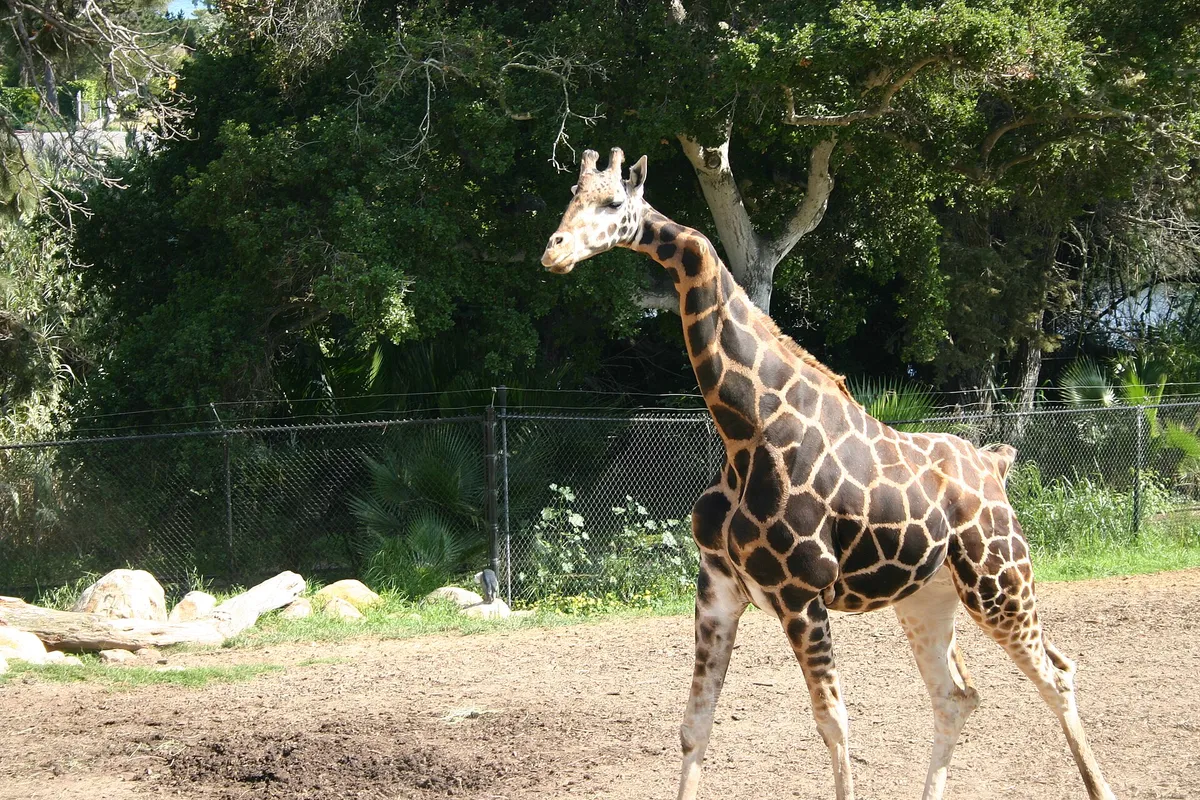 Santa Barbara Zoological Gardens🇺🇸 Santa Barbara, United States
 Tierpark und Fossilium Bochum🇩🇪 Bochum, Germany
 Birmingham Zoo🇺🇸 United States
- 🦁Cheyenne Mountain Zoo🇺🇸 United States
Community notes
Share your observations about the Woma Python.
No community notes yet. Be the first!
Discover more wildlife
More fascinating animals from the encyclopedia.